Water Damage Restoration LaPlace, LA
Local restoration pros extract standing water, map hidden moisture, and dry framing to the IICRC S500 standard after pipe failures, tropical rain, sewage backups, and roof leaks.
(888) 417-5665Start a River Parish dry-outThe extraction crew treats active water as urgent and keeps equipment in place until readings reach the dry goal.
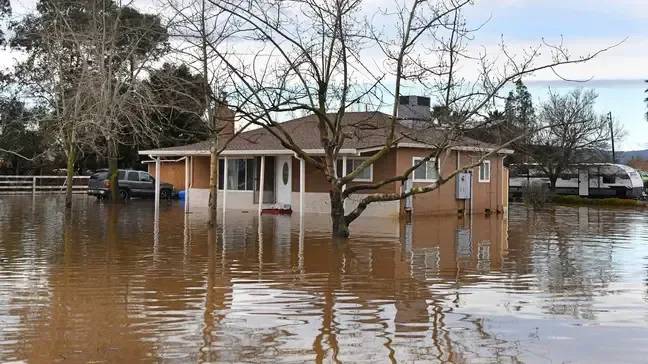
What to do while the water is still moving
- 1
Stop the source
Shut off the nearest valve or main only when the path is safe. A plumber handles the repair while the restoration crew handles water and wet materials.
- 2
Avoid electrical hazards
Keep clear of wet outlets, appliances, ceiling fixtures, and sagging drywall. The response team establishes safe work zones before extraction.
- 3
Protect the claim record
Take broad photos before moving contents when conditions allow. The drying team adds moisture maps, readings, and pre-demolition photos.
- 4
Separate clean and contaminated losses
Keep people and pets away from sewage and outside floodwater. Those sources require Category 3 controls from the beginning.
- 5
Call 24/7 dispatch
Describe the source, rooms affected, and whether water is still spreading so the extraction setup matches the loss.
Water Damage Restoration Services in LaPlace, LA
Each service starts with source control, category and class decisions, moisture mapping, and a drying plan sized to the materials that are actually wet.
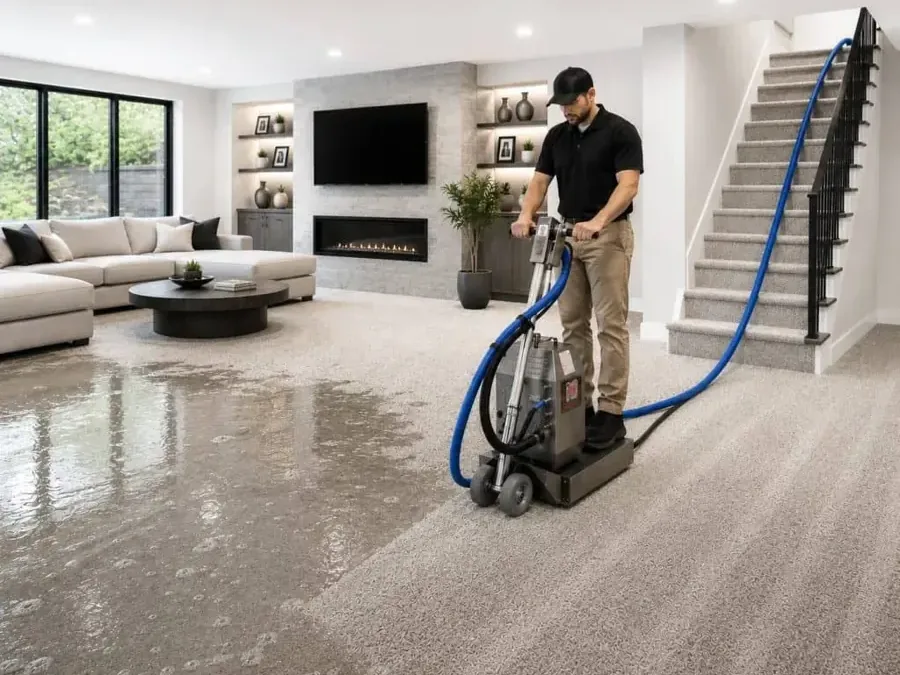
Water Extraction and Removal
Standing water is extracted from floors and carpet before drying begins in walls, cabinets, and adjoining rooms.
View service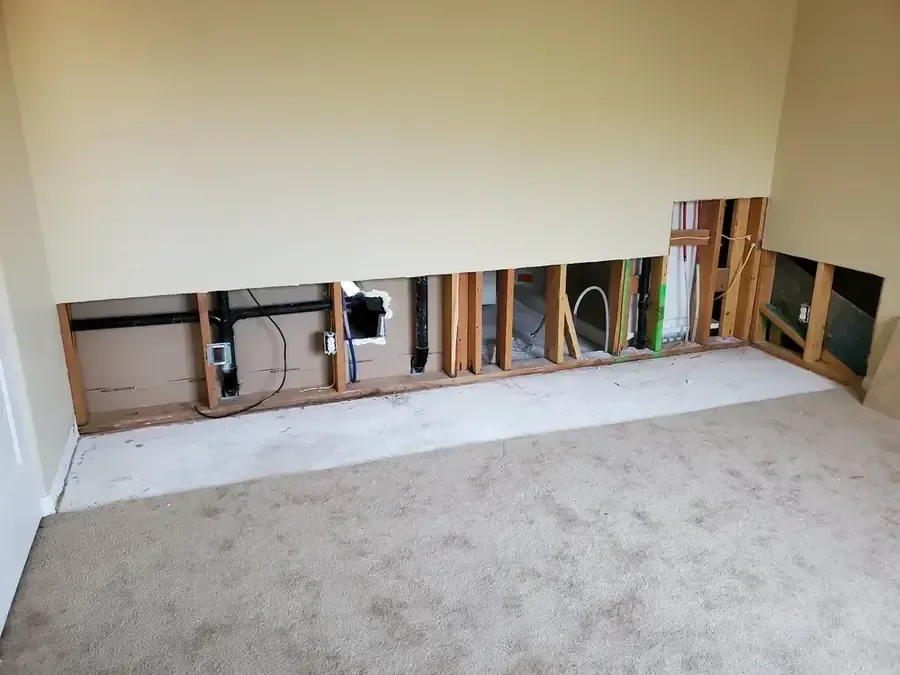
Slab Leak Water Damage
Hidden pipe leaks require plumbing diagnosis and separate moisture checks of the slab, flooring, and wall bases.
View service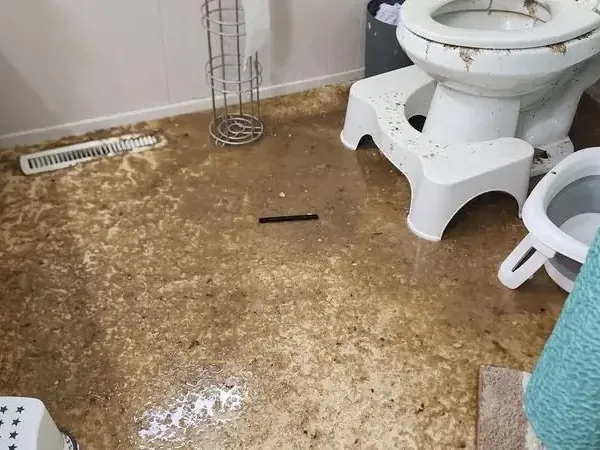
Sewage Backup Cleanup
Wastewater cleanup combines restricted access, removal of contaminated material, and cleaning before structural drying.
View service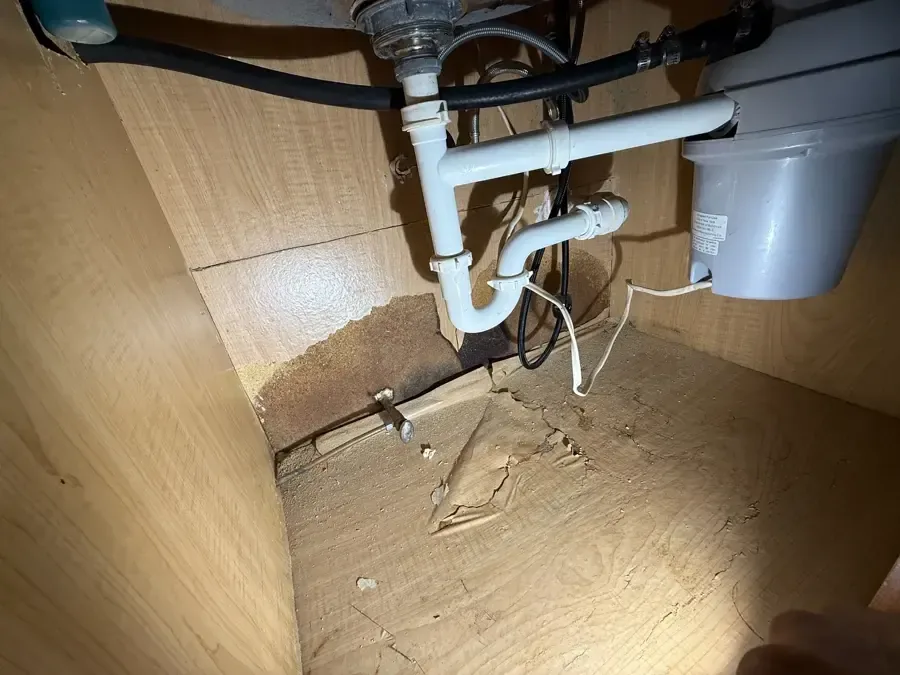
Burst Pipe Water Damage
A split pipe can soak several rooms; source control and a moisture map establish the full repair and drying scope.
View service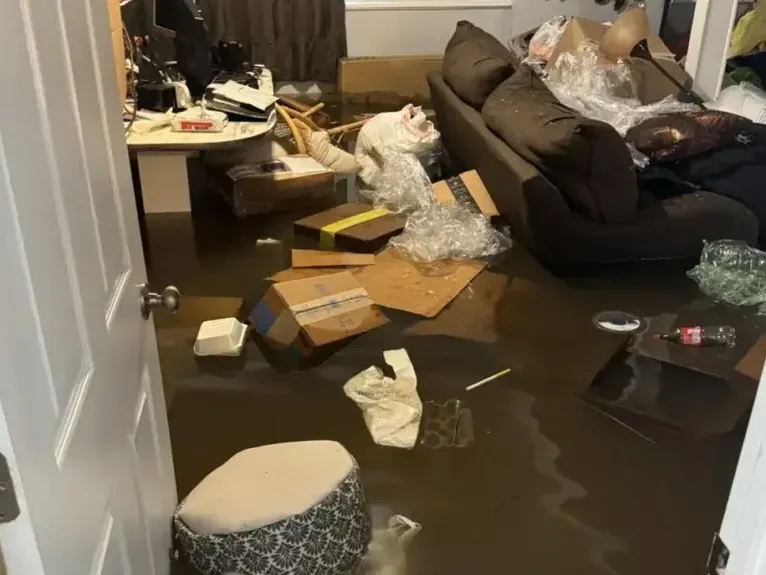
Storm and Flood Cleanup
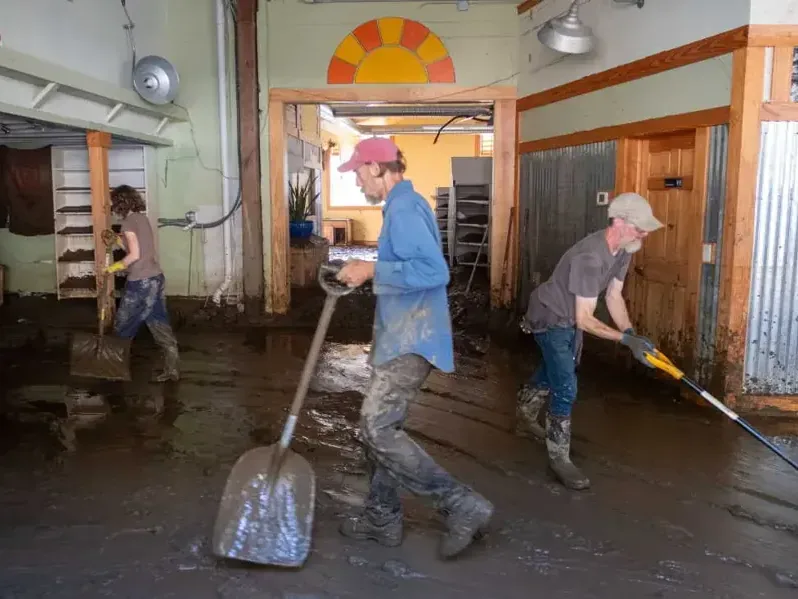
Outside water brings silt and debris that must be removed before retained framing and floors can dry.
View service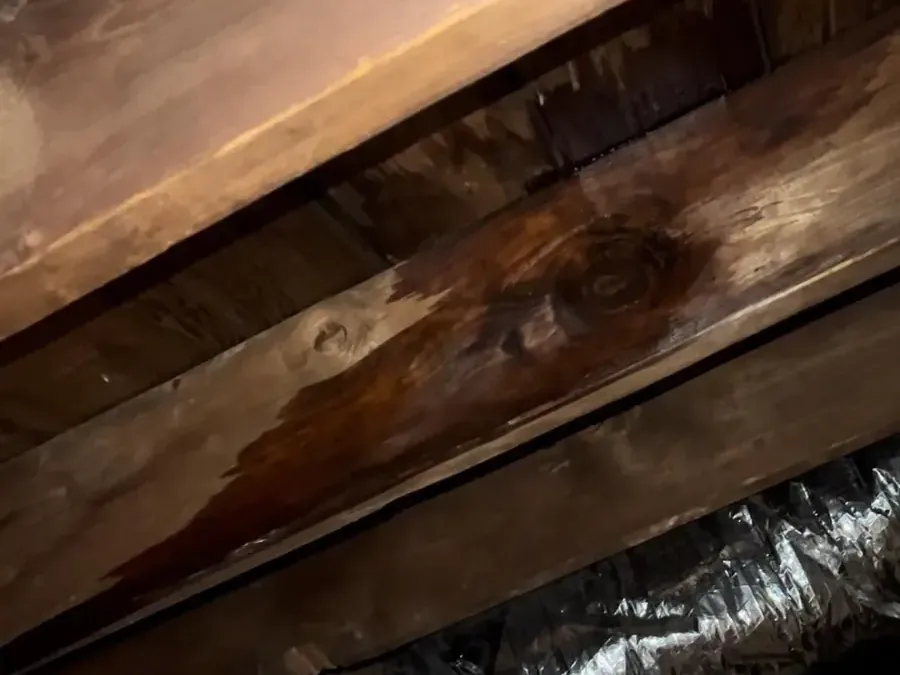
Roof Leak Water Damage
Rain paths are traced through attic materials and ceilings after the roof opening is secured.
View service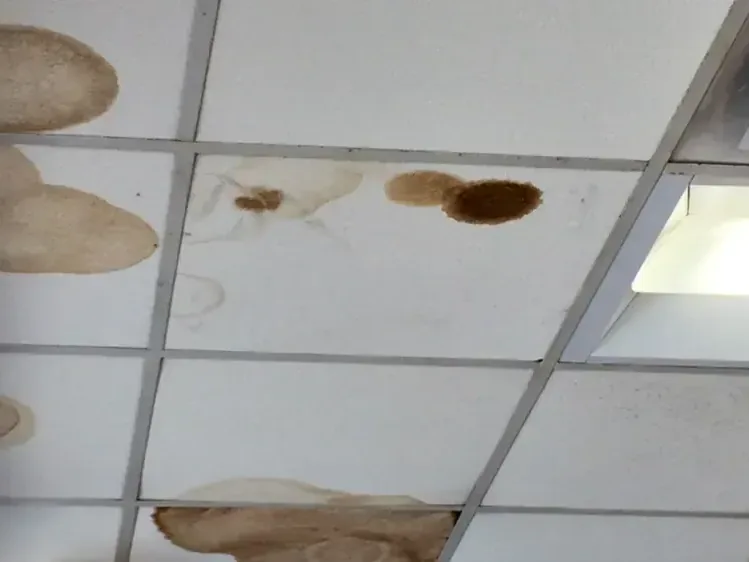
Ceiling Leak Water Damage
Sagging board and wet fixtures require a safe work area before trapped water and soaked insulation are addressed.
View service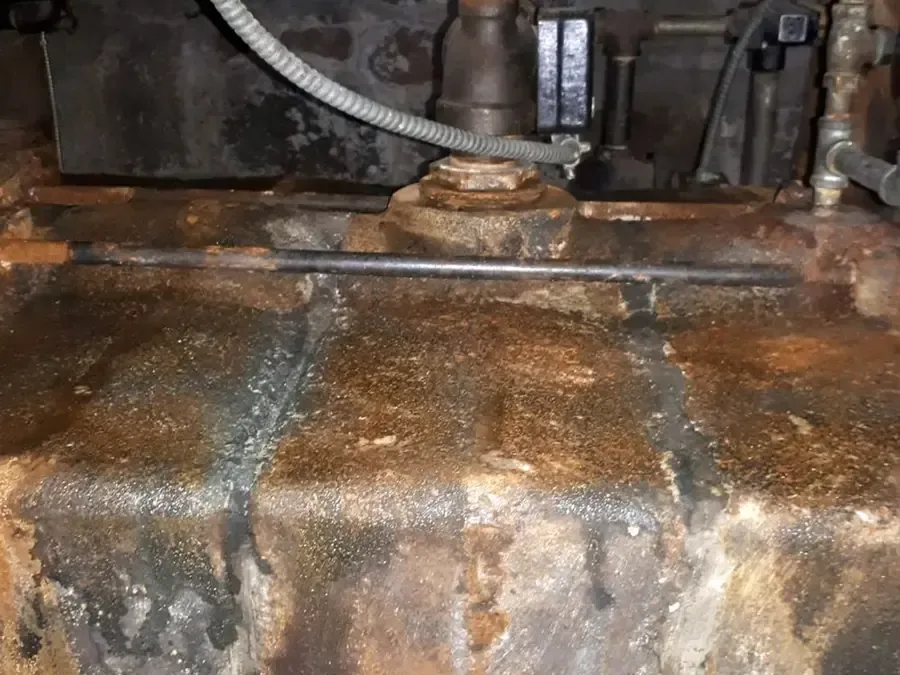
Water Heater Leak Cleanup
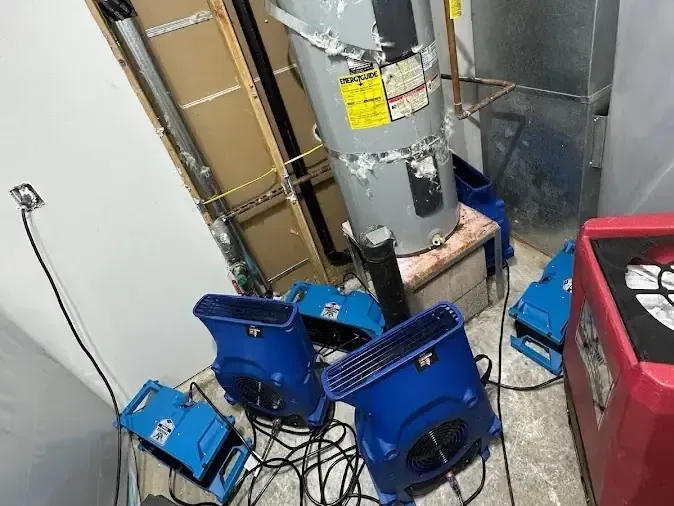
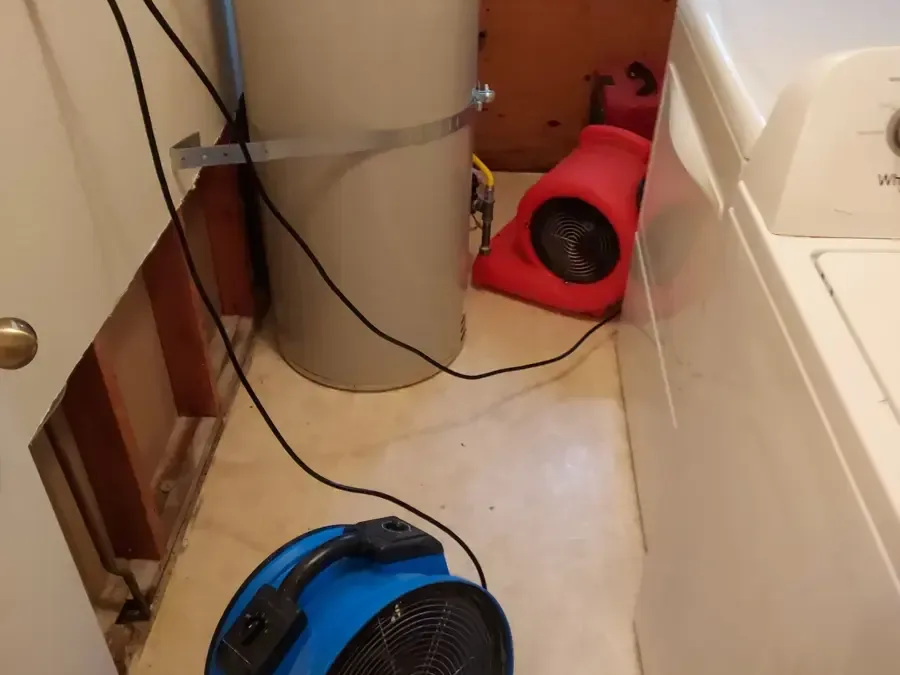
Failed tanks can wet a closet, garage, or adjoining room, including flooring hidden beneath the unit.
View service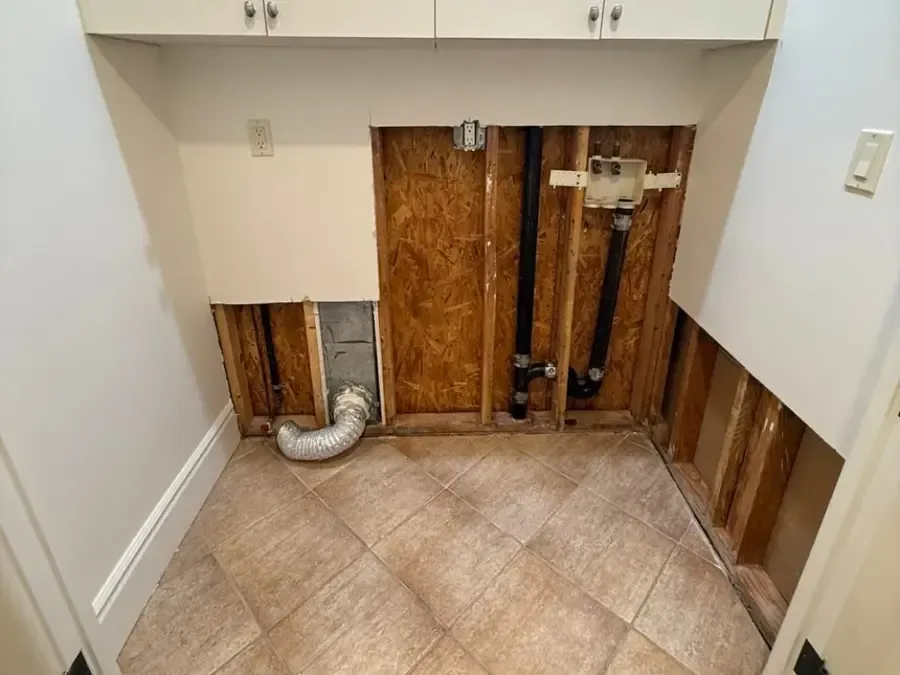
Appliance and Supply Hose Leaks
Water beneath washers and dishwashers can reach cabinet bases and floor seams beyond the appliance footprint.
View service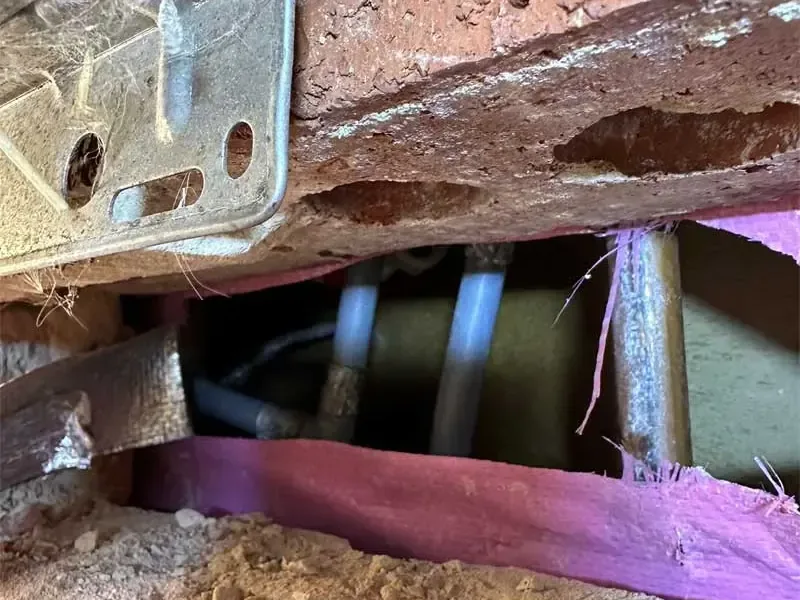
Crawl Space Water Removal
Pumping beneath a raised floor is followed by inspection of wet insulation, joists, and the subfloor above.
View service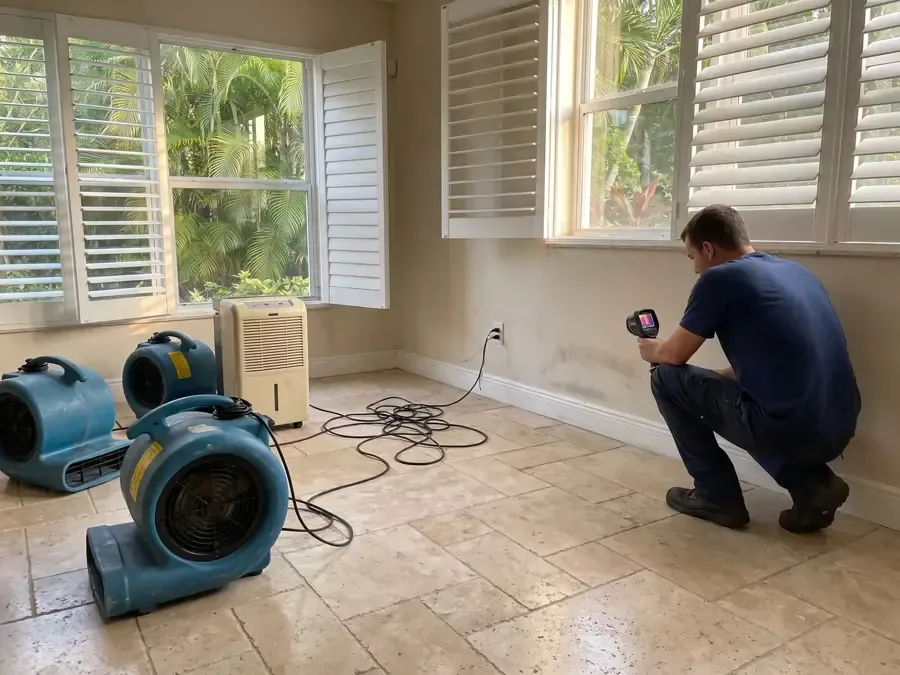
Structural Drying and Dehumidification
Air movement and dehumidification are adjusted to material readings until retained construction reaches its drying goal.
View service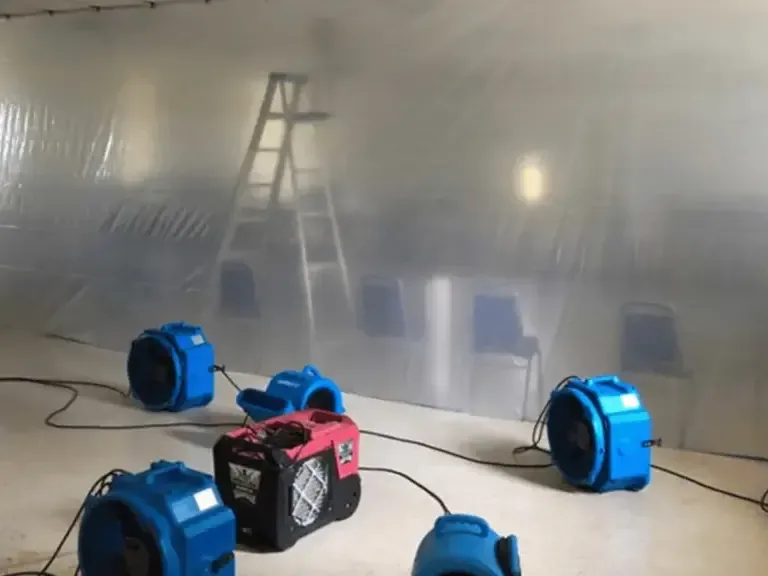
Commercial Water Damage
Water recovery in shops, offices, and shared buildings needs clear work zones, access routes, and progress records.
View serviceHow a water loss is handled
The restoration contractor who responds follows the water path, sets the class of loss, and documents each drying decision instead of relying on surface appearance.
Rapid local response
The response team dispatches around the clock for active water near US 51, I-10, Airline Highway, and nearby residential areas.
IICRC S500 drying standard
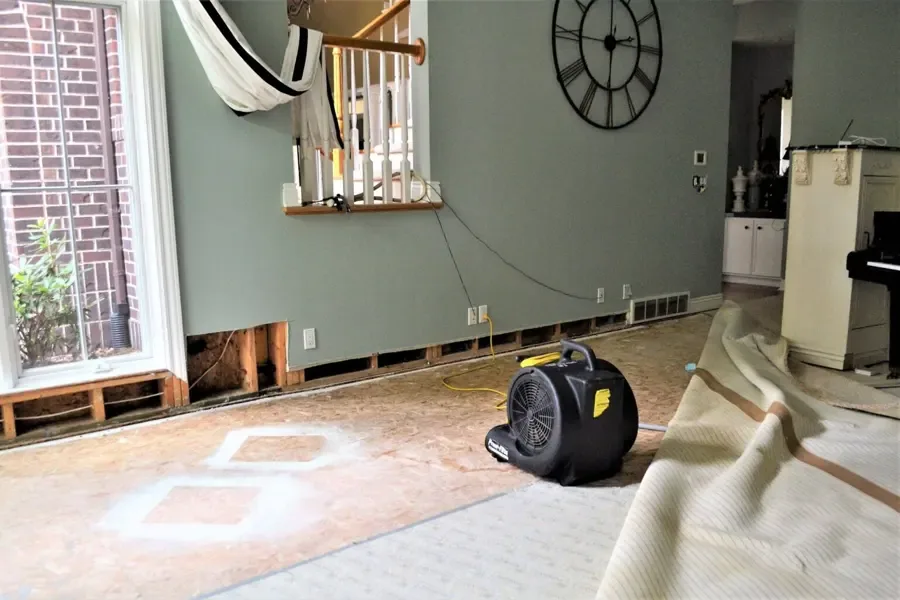
The drying team maps wet materials, sets an equipment plan, and compares daily readings with a dry reference.
Claim-ready documentation
The file can include source notes, category and class, moisture maps, psychrometric logs, and timestamped photos before removal.
Local water experts
The crew plans for tropical rain, storm surge, high humidity, and supply-line failures in the River Parishes.
All water damage categories covered in LaPlace, LA
Clean water at release
A supply-line loss starts as Category 1, but time and contact with materials can change the category.
See pipe leak cleanupSignificantly contaminated water
Some appliance discharges and long-standing losses require Category 2 controls and removal decisions.
See appliance leak cleanupGrossly contaminated water
Sewage and outside floodwater are Category 3, with PPE, containment, porous-material removal, and controlled cleaning.
See sewage cleanupWater damage dried to the IICRC S500 standard
A dry-out is complete when affected materials return to an established goal, commonly within 2 to 4 points of a comparable dry reference, and the indoor moisture load is stable.
- 1
Map the loss
Thermal imaging and moisture meters establish boundaries in flooring, walls, cabinets, and framing.
- 2
Set the drying system
Extraction comes first. Air movement and dehumidification then match the class of loss and materials.
- 3
Record progress
Daily material readings and air conditions show whether the drying plan is working or needs adjustment.
- 4
Confirm the goal
Equipment stays until readings meet the documented dry standard, not simply until surfaces look dry.
Documentation for your insurance claim
The restoration team builds a clear record of the source, affected materials, water category, drying work, and any controlled removal.
- Initial moisture map and affected-room notes
- Category and class of the water loss
- Timestamped photos before material removal
- Daily psychrometric and material readings
- Line-item scope for extraction, cleaning, removal, and drying
Check coverage with the insurer
Coverage depends on the policy and cause of loss. Sudden interior plumbing failures may be treated differently from rising surface water or deferred maintenance.
The property owner should report the event promptly, keep the claim number, and ask the assigned adjuster what records and approvals the policy requires.
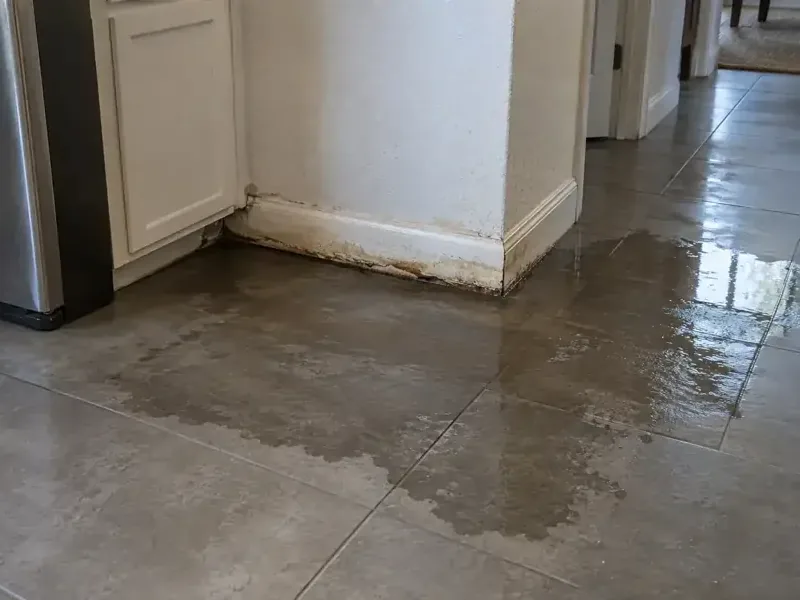
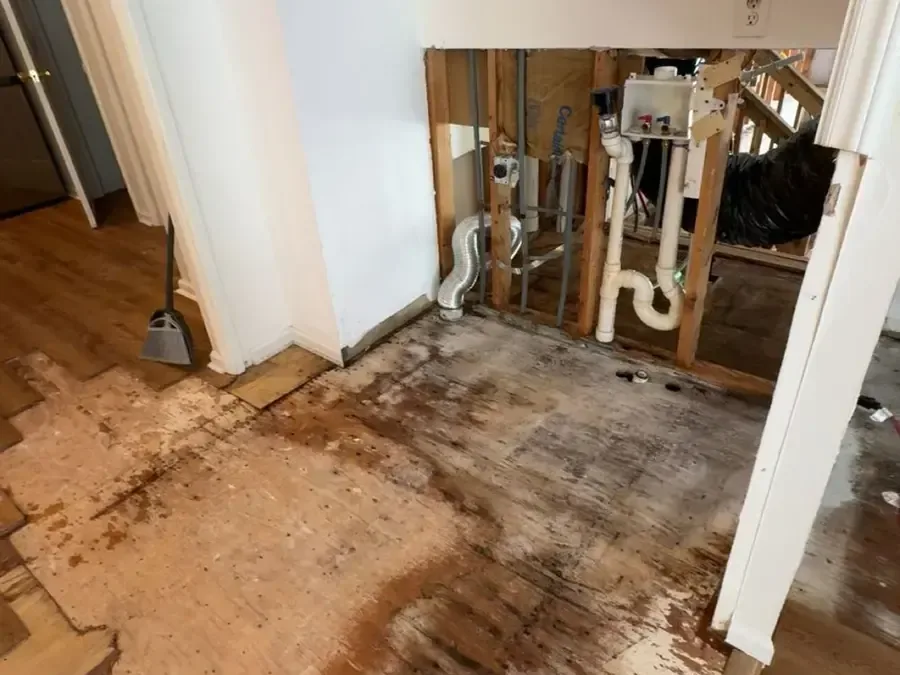
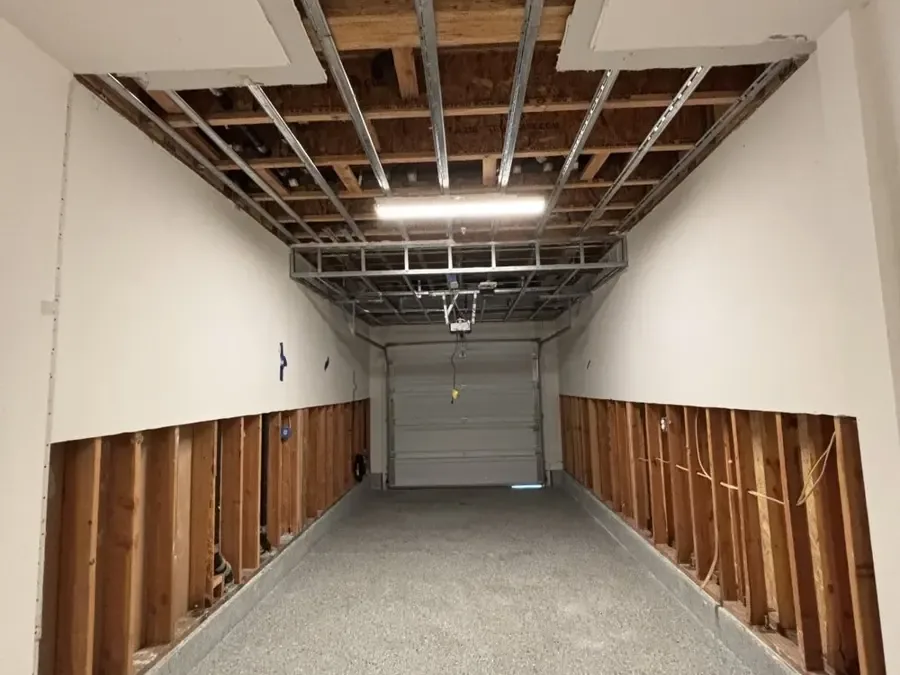
What a water damage dry-out looks like in LaPlace
What does water damage restoration cost in LaPlace, LA?
A small clean-water extraction often starts around $1,200, while multi-room drying or contaminated flood cleanup can reach $12,000 or more. Water category, square footage, material class, access, and how long moisture remained set the final scope.
Contained clean-water loss
$1,200 to $3,200
- Source stopped quickly
- Limited flooring or drywall
- Extraction and focused drying
Multi-room structural drying
$3,200 to $7,500
- Several assemblies wet
- Multiple equipment zones
- Daily moisture documentation
Flood or sewage cleanup
$7,500 to $15,000+
- Category 3 controls
- Porous-material removal
- Cleaning and larger drying plan
These figures are planning ranges, not a quote. The water damage cost calculator shows how category, area, and materials change a preliminary range.
Water damage help across LaPlace and nearby communities
Local corridors and water features
ZIP areas
Nearby communities
One call reaches LaPlace water damage pros, 24/7
The caller can describe the source, rooms affected, and whether water is still moving. Dispatch then matches extraction and drying equipment to the reported conditions.
The work stays focused on water and sewage cleanup, moisture control, structural drying, and the records that explain what happened.
LaPlace, LA · [email protected]
Why water losses spread differently here
Low elevation, tropical systems, high humidity, and the community's position between major water bodies shape the cleanup plan.
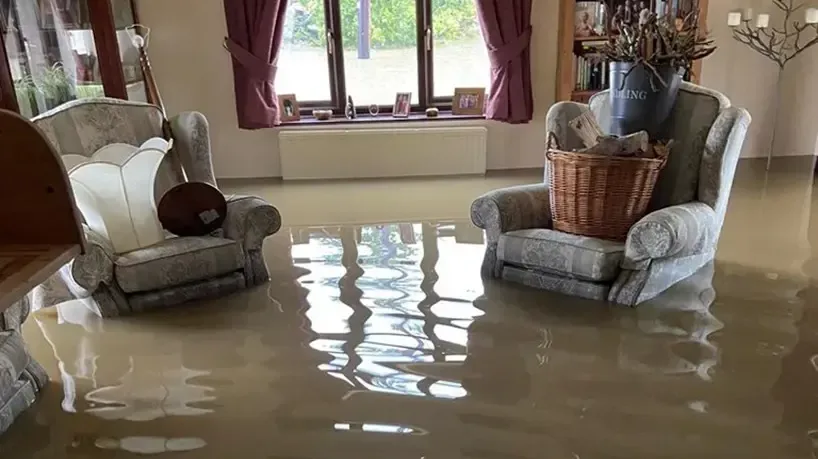
Hurricane Isaac, 2012: Louisiana coastal officials reported that storm surge from Lake Pontchartrain affected more than 7,000 homes in the area, with US 51 at I-10 covered by water.
- 01Storm surge and intense rain Lake Pontchartrain and Lake Maurepas influence regional flood exposure during tropical weather.
- 02Mississippi River setting The community lies on the river's east bank, while levees and drainage structures shape how water moves across the River Parishes.
- 03Drainage constraints Water can persist when intense rainfall outruns local drainage, so the crew checks wall bases, flooring, cabinets, and adjacent rooms.
- 04Humid drying air LGR dehumidification controls the indoor moisture load while air movers release moisture from wet assemblies.
- 05Occasional freezes Louisiana State University guidance recommends protecting exposed faucets and pipes when temperatures fall below freezing.
LaPlace Water Damage Restoration Questions
Water still spreading?
The safest first move is source control when possible, followed by a moisture map and extraction plan sized to the affected rooms.
(888) 417-5665Map the LaPlace water lossHow quickly should water extraction start?
Active water should be treated as urgent. The extraction crew first confirms electrical safety and source control, then removes standing water before it reaches more drywall, cabinets, insulation, and subfloor.
How long does structural drying usually take?
A contained Class 1 loss often dries in 3 to 5 days, while dense wood, concrete, cabinets, and Class 3 or 4 losses can take longer. Daily readings determine the actual finish.
What does IICRC S500 mean for a dry-out?
IICRC S500 is the industry standard for water-damage restoration. It guides inspection, category and class decisions, extraction, equipment setup, monitoring, documentation, and completion criteria.
Does drywall always need to come out?
Clean-water drywall may dry in place when it stays sound and the cavity can be reached. Sewage-contacted drywall and damaged porous material usually require controlled removal.
Is outside floodwater treated like a clean leak?
No. Outside floodwater is Category 3 because it can carry sewage, chemicals, soil, and microorganisms. The team uses PPE, containment, removal, cleaning, and air control.
What belongs in the insurance file?
Useful records include the source, affected rooms, category and class, moisture map, readings, pre-demolition photos, equipment log, and a line-item scope. The insurer decides coverage.
What should a household do before dispatch arrives?
Shut off the source only when safe, avoid wet electrical areas and sagging ceilings, keep away from sewage, and take overview photos without delaying urgent safety steps.
Why can a room look dry while materials remain wet?
Paint, vinyl, tile, and cabinet finishes can hide moisture in drywall, subfloor, framing, and toe kicks. Thermal imaging finds patterns, while meters confirm the actual readings.
How is restoration cost calculated?
Water category, affected area, material class, access, extraction volume, demolition, cleaning, equipment quantity, and monitoring days drive cost. The initial range changes after the moisture map.
Can humidity slow a River Parish dry-out?
Yes. Warm humid air holds a large moisture load. Dehumidifiers remove that vapor while measured airflow helps wet materials release moisture into the controlled air.
Stop the water path before it reaches another room
The restoration team dispatches 24/7 for extraction, contamination control, structural drying, and documented moisture checks.