Water Damage Restoration Garyville, LA
A local crew controls escaped water, maps concealed dampness, cleans affected materials, and verifies drying after plumbing failures, sewage releases, or severe weather.
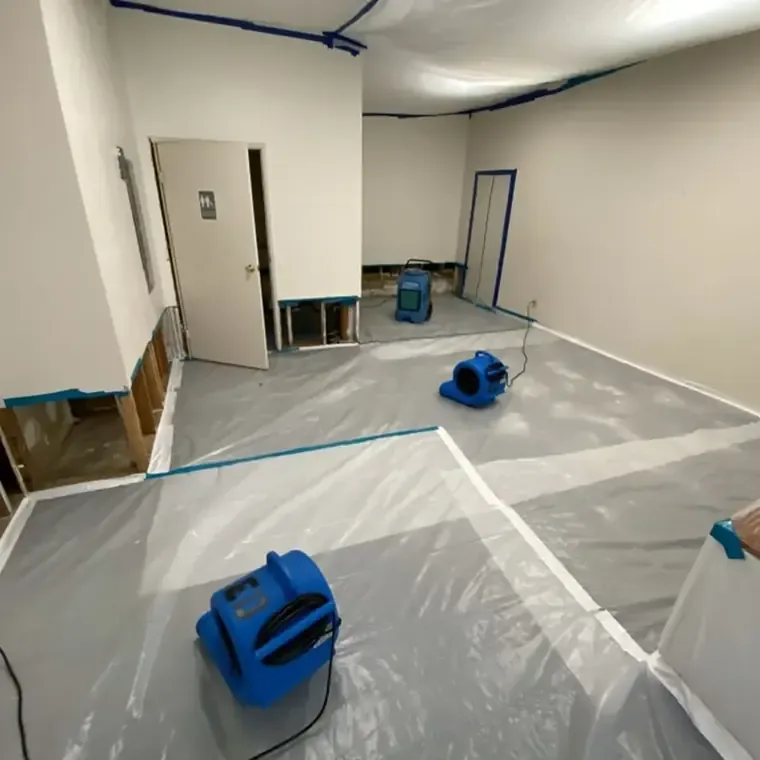
(888) 417-5665Arrange Garyville water restorationEquipment placement follows the actual wet area, with adjustments based on repeated readings from flooring, walls, cabinets, and framing.
What to do when water appears
- 1
Keep clear of wet electricity
Do not enter standing water near outlets, panels, cords, fixtures, or appliances. Electrical hazards require qualified attention before extraction begins.
- 2
Stop only an accessible source
Close a reachable valve or the master shutoff when the path is safe. A plumber handles the failed component while restoration addresses escaped water.
- 3
Avoid weakened surfaces
Stay away from sagging ceilings, lifted flooring, and softened wall sections. Wet finishes can fall, shift, or conceal additional water.
- 4
Isolate dirty water
Keep people and pets outside sewage or storm affected rooms. Do not spread contaminated water on shoes, tools, towels, or household fans.
- 5
Record visible conditions
Photograph rooms from safe positions and note the reported source, affected areas, and water movement before contents or finishes are changed.
Help for leaks, floods, and sewage
Each service addresses a distinct source, contamination concern, access problem, and drying path rather than treating every wet room alike.
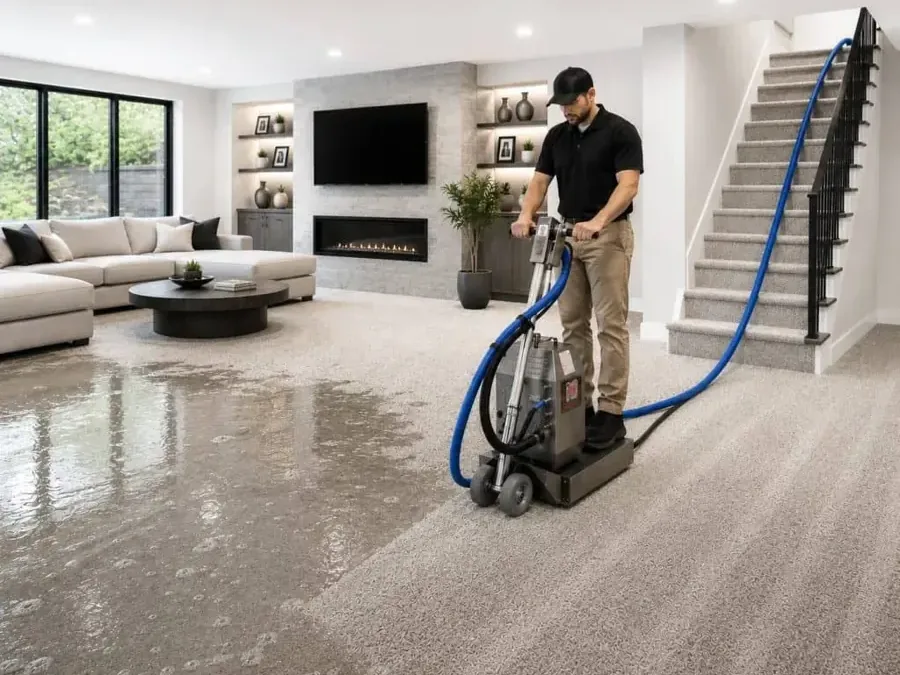
Water Extraction and Removal
Pumps and extraction tools clear pooled water while checks at wall bases reveal how far it has spread.
View service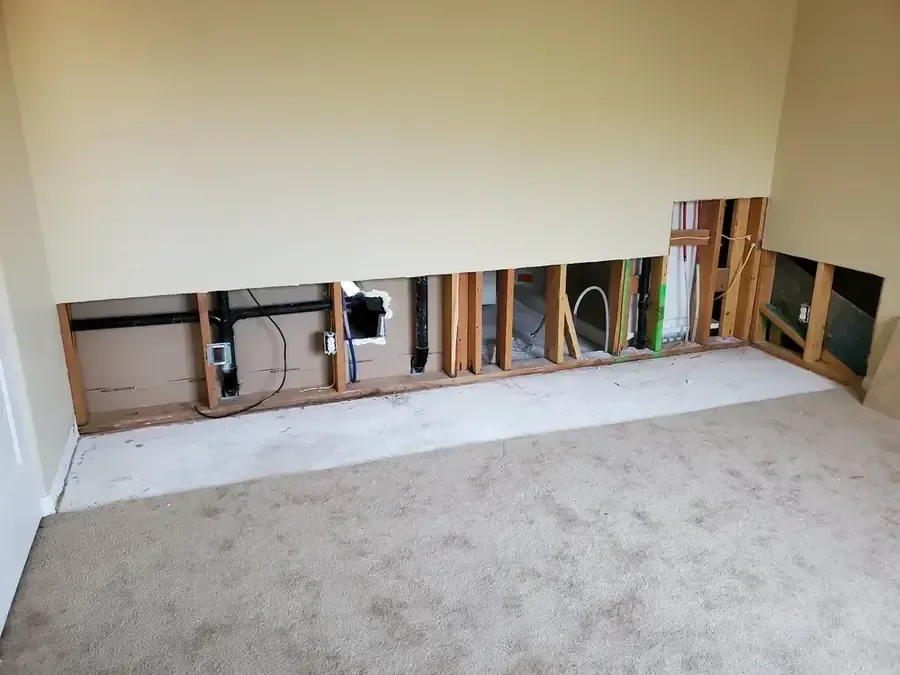
Slab Leak Water Damage
Plumbing diagnosis guides floor access, followed by moisture checks across the slab, cabinets, and adjoining lower walls.
View service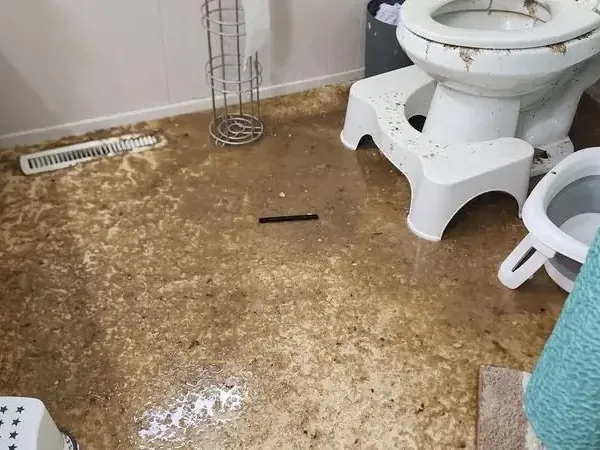
Sewage Backup Cleanup
Wastewater is contained, damaged porous material is removed, and retained surfaces are cleaned before drying begins.
View service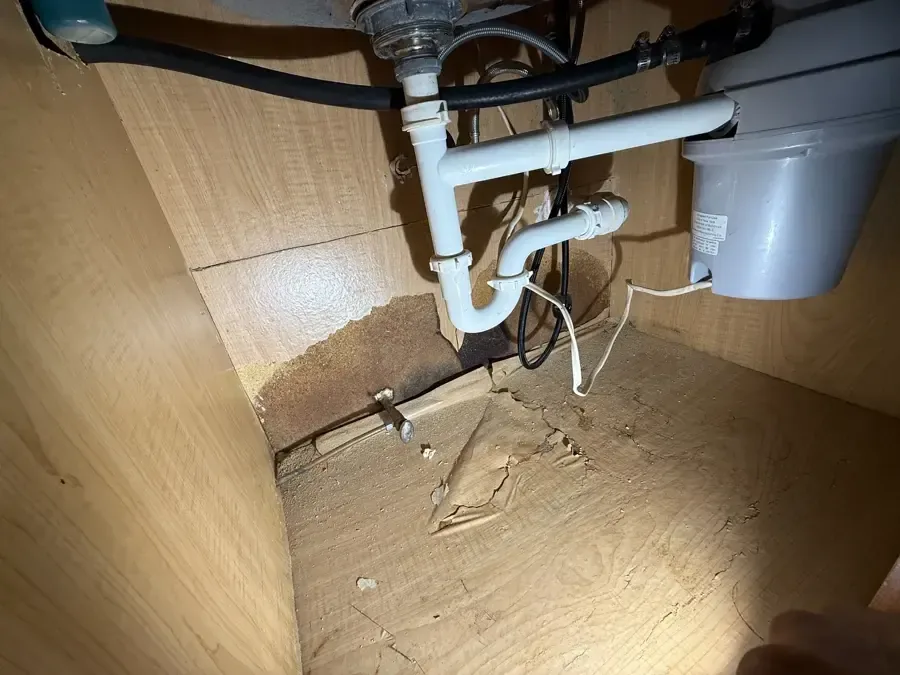
Burst Pipe Water Damage
After a safe shutoff, technicians trace spray and gravity paths through insulation, framing, and connected rooms.
View service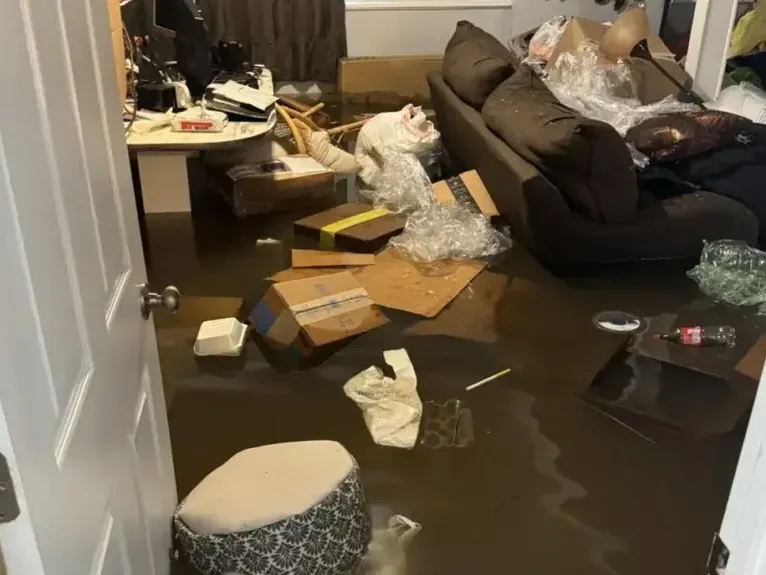
Storm and Flood Cleanup
Outside water cleanup includes sediment removal, careful material decisions, and a protected route for carrying debris out.
View service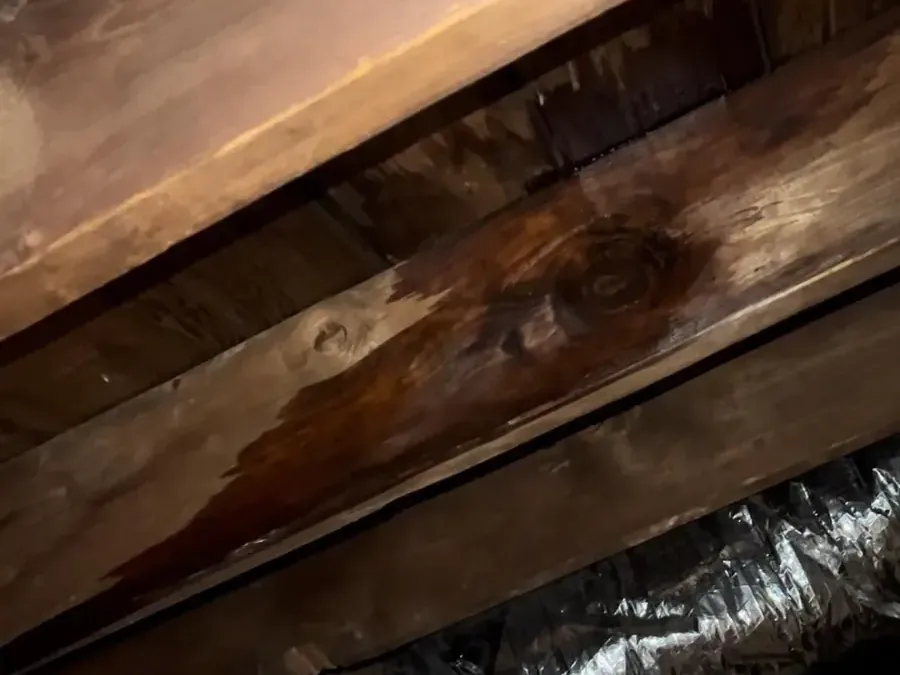
Roof Leak Water Damage
Rain entry is secured before damp decking, rafters, attic insulation, and ceiling finishes receive a drying plan.
View service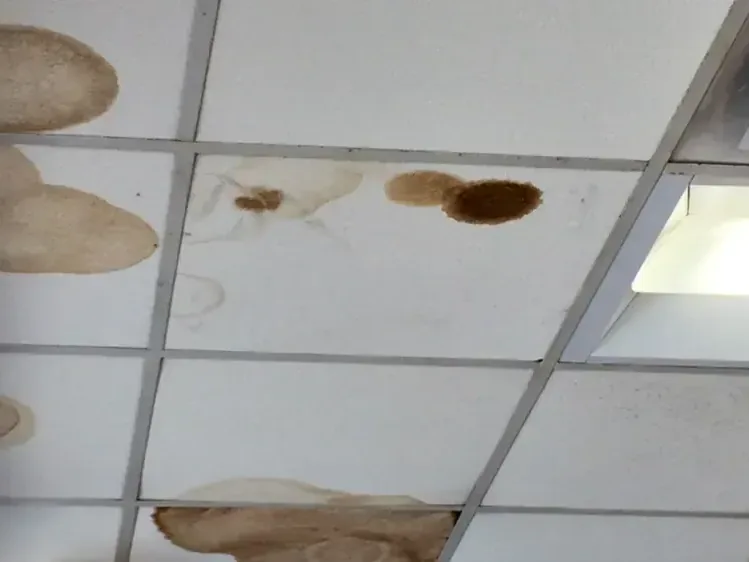
Ceiling Leak Water Damage
Overhead stability and electrical concerns come first, followed by controlled access to wet board and joist bays.
View service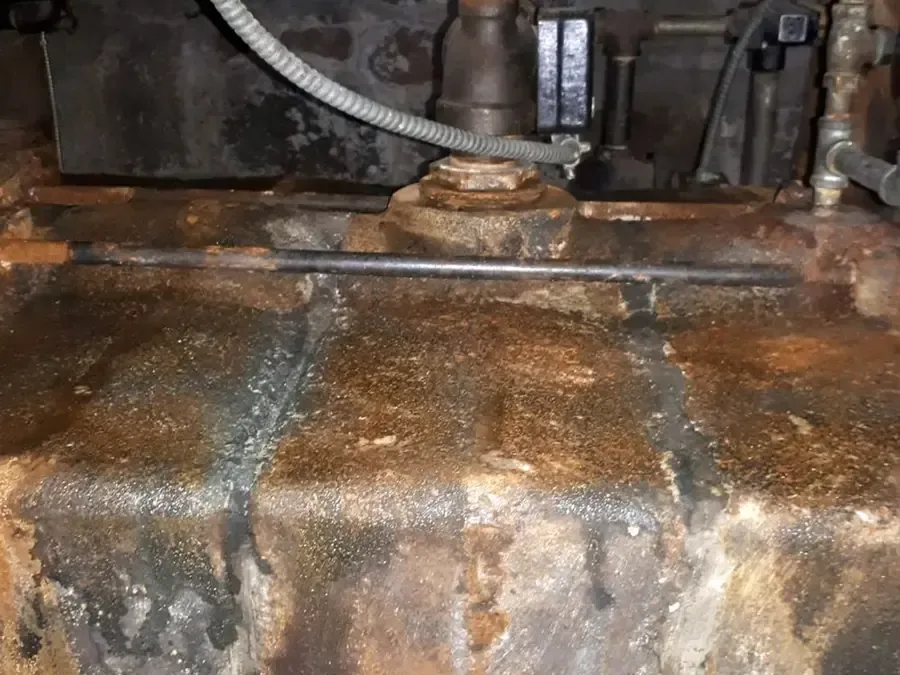
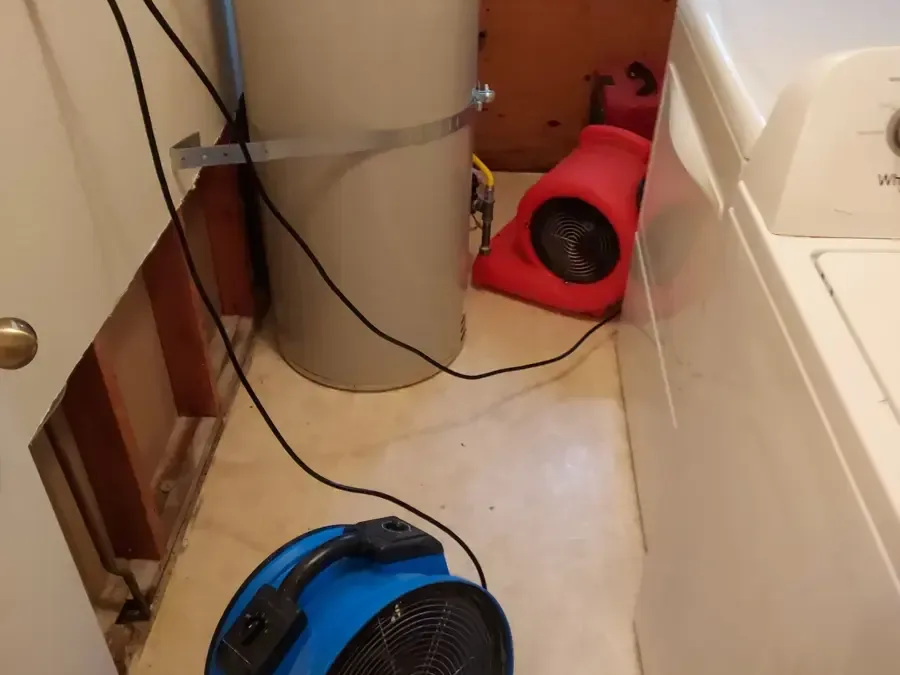
Water Heater Leak Cleanup
Escaped tank water is traced beneath the unit, through thresholds, and into nearby storage or shared walls.
View service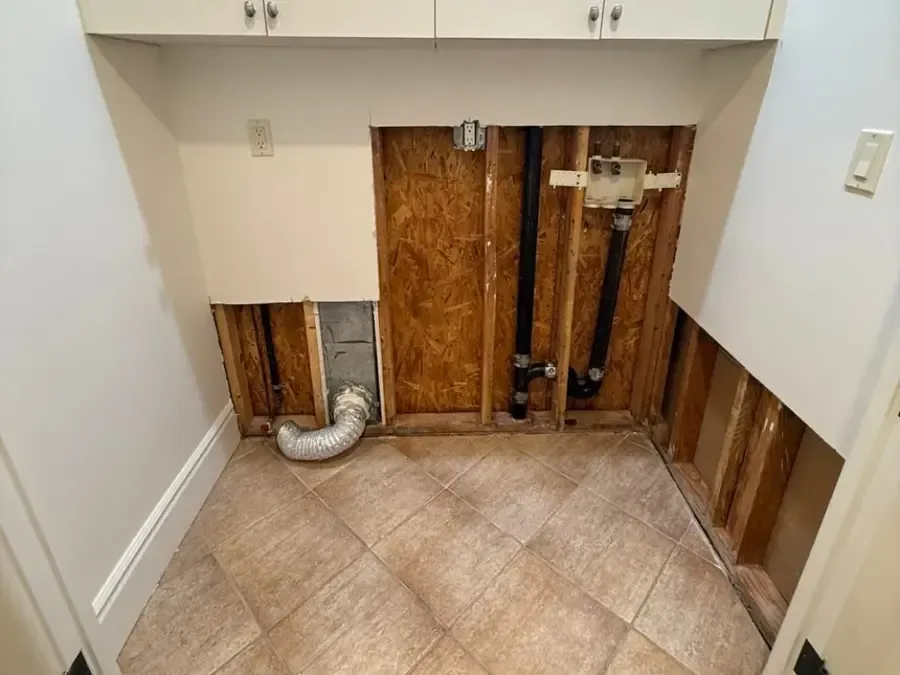
Appliance and Supply Hose Leaks
Inspection behind machines and cabinet toe spaces finds hidden water that can linger after the visible puddle clears.
View service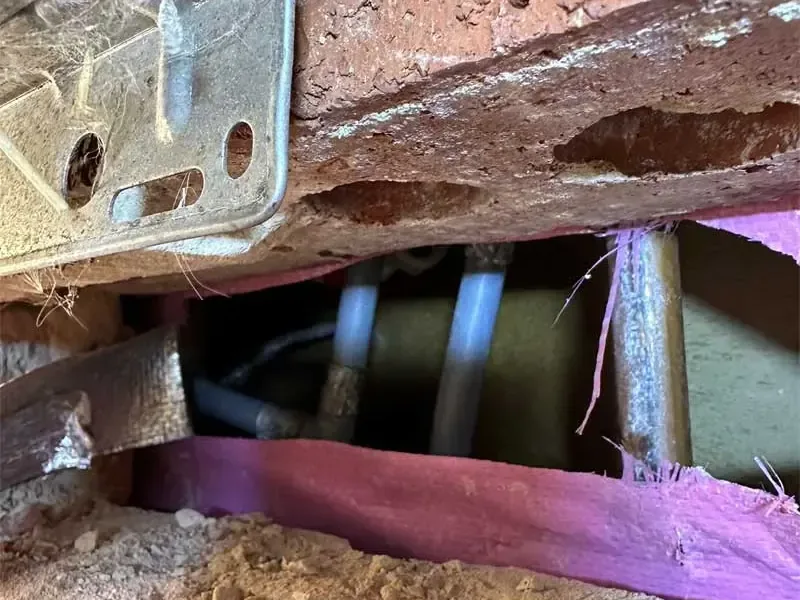
Crawl Space Water Removal
Safe pumping beneath raised floors allows closer checks of wet insulation, joists, piers, and the underside of subfloors.
View service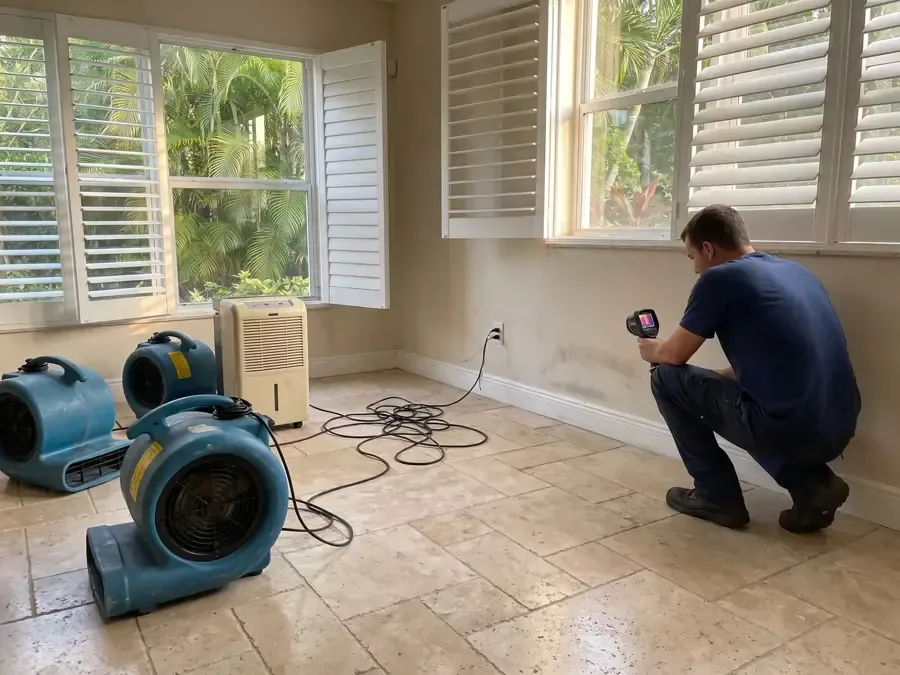
Structural Drying and Dehumidification
Air movement and dehumidification respond to daily material readings, with adjustments wherever a damp section stops improving.
View service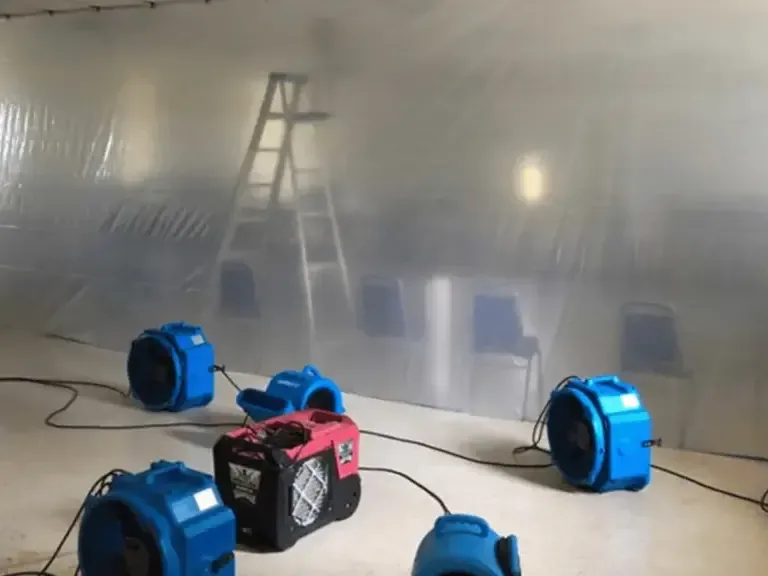
Commercial Water Damage
Work zones separate extraction, equipment, debris, and occupied space so managers can coordinate access throughout the cleanup.
View serviceA measured plan for each loss
The restoration team identifies the water source, checks contamination, and measures affected materials before choosing extraction tools, cleaning methods, and access for drying.
Location and property access
Service covers properties around Airline Highway, the Mississippi River, and Garyville Refinery, with access and equipment placement planned for each building.
Repair and mitigation separated
A plumber or roofer corrects the source. Restoration technicians handle extraction, cleaning, material access, controlled drying, and the record of affected assemblies.
Different materials, different goals
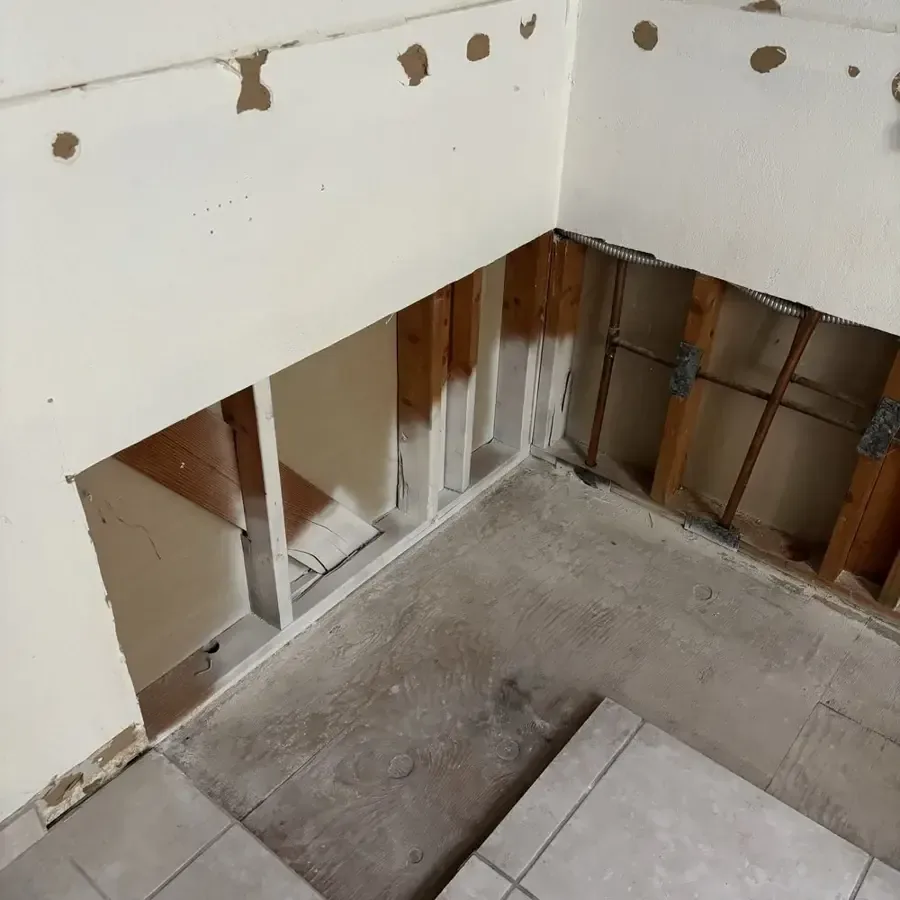
Concrete, wood, drywall, insulation, flooring, and cabinets release moisture differently, so each receives suitable reference readings and progress checks.
A traceable work file
Overview photographs, moisture diagrams, material decisions, equipment notes, and completion values connect the initial condition with the finished drying scope.
Water category guides material decisions
Fresh supply release
Water from a supply component may begin relatively clean, but time and contact can change the cleaning and removal plan.
Explore burst pipe serviceUsed appliance water
Dishwasher, washer, and other discharges can require additional cleaning and closer evaluation of porous surfaces and concealed areas.
Explore appliance leak serviceSewage or outside flooding
Contaminated water calls for restricted access, removal of unsuitable porous material, physical cleaning, controlled handling, and drying after preparation.
Explore sewage cleanupDrying progress is checked, not guessed
Technicians compare affected materials with appropriate dry references, track room conditions carefully, and revise airflow, dehumidification, or access when readings stop moving toward the selected goal.
- 1
Map connected dampness
Meters verify wet areas suggested by stains, touch, or thermal patterns across floors, walls, cabinets, insulation, and framing.
- 2
Remove water and barriers
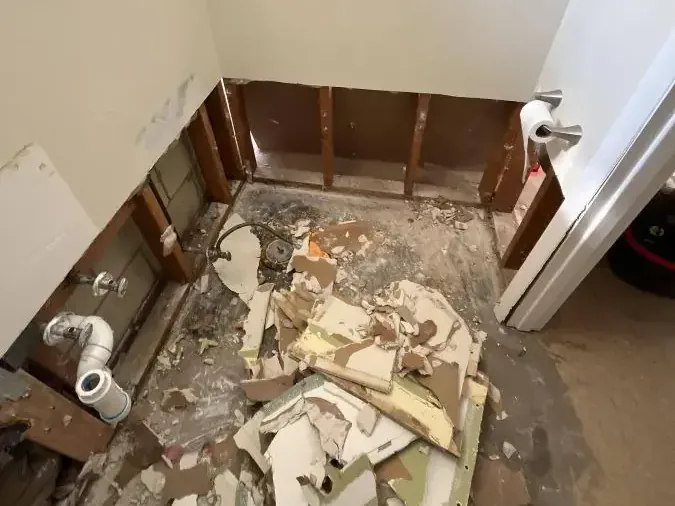
Extraction reduces liquid load, while careful openings expose trapped moisture that intact finishes would block.
- 3
Manage evaporation
Directed air encourages release from wet surfaces and dehumidification captures the added vapor inside the work zone.
- 4
Document the finish
The same monitoring locations are retested and saved with photographs, environmental conditions, and material notes.
Useful details for a claim discussion
Organized records distinguish the reported cause, source repair, affected materials, restoration actions, progress measurements, and documented project charges.
- Overview photographs before major changes
- Source findings from the correct repair trade
- Room sketch with measured wet boundaries
- Equipment placement and progress values
- Completion readings, invoices, and messages
Confirm terms with the insurer
Policy language and the reported cause determine coverage. The property owner can report the event promptly, save the claim number, and ask what documentation or authorization is required.
Restoration notes explain observed moisture and completed work, while source contractors document the failed component. The insurer makes the coverage decision. See every restoration service.
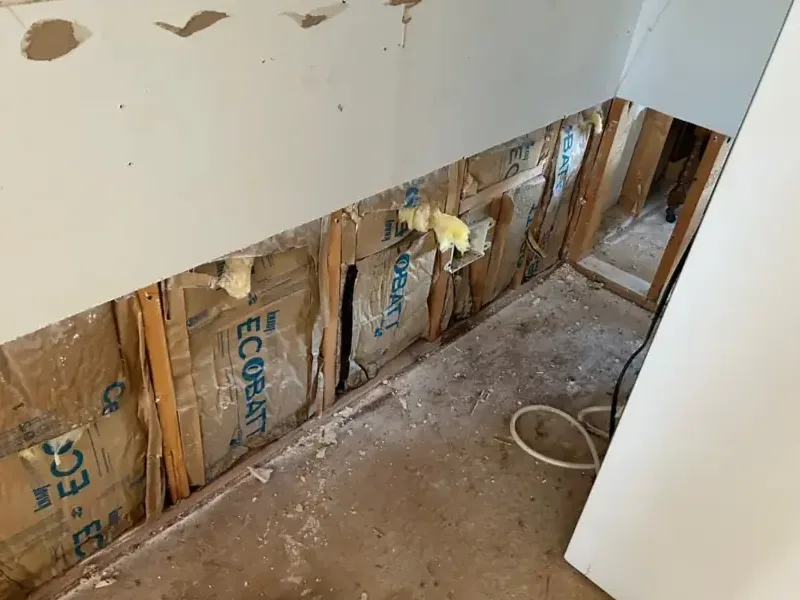
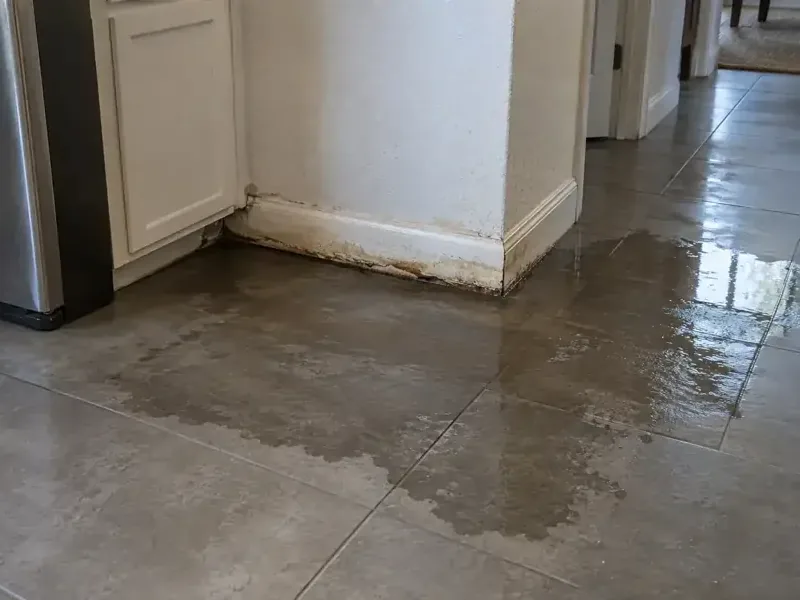
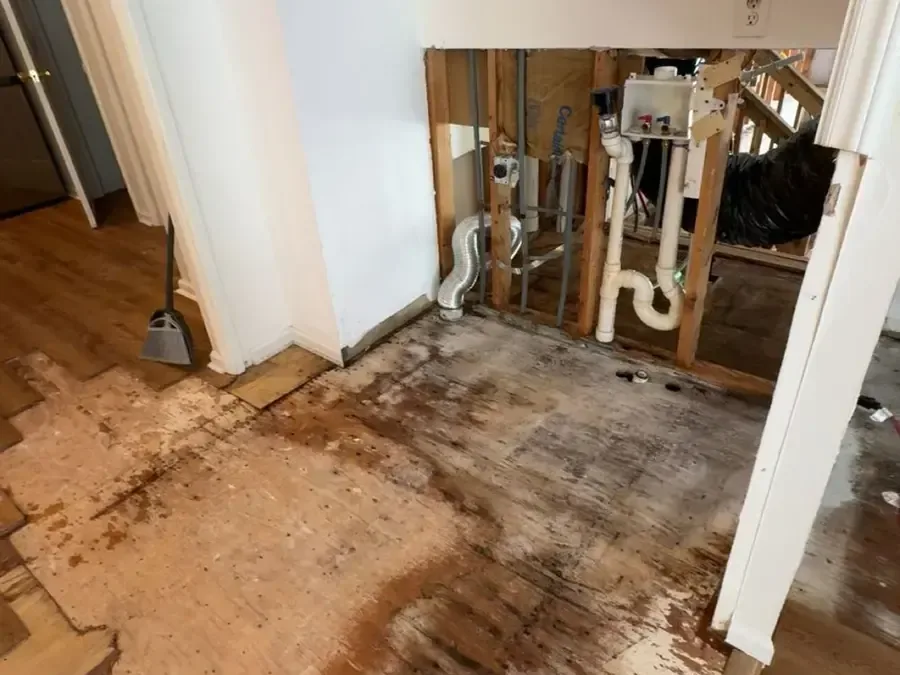
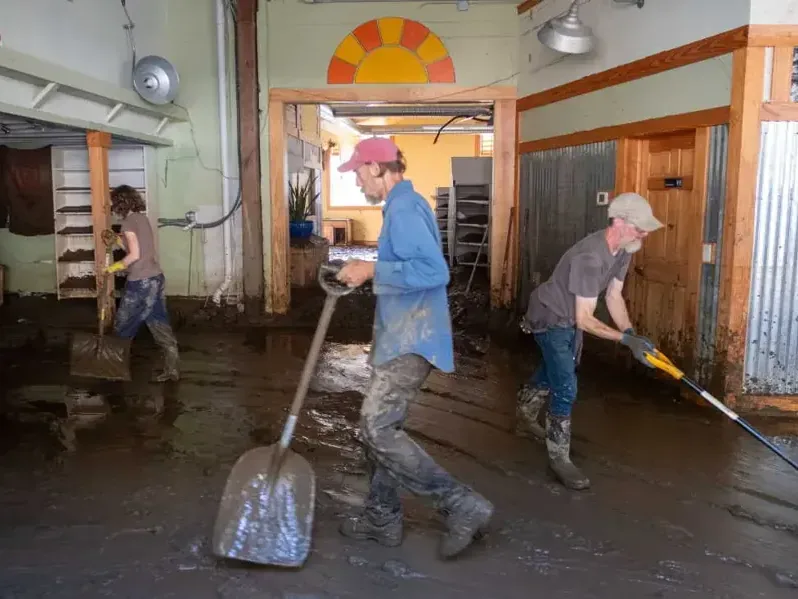
Extraction, access, containment, and drying equipment
What may restoration work cost?
A focused clean water loss may start near $1,200, while extensive storm or sewage work can reach $15,000 or more. Source, category, area, access, material damage, cleaning, removal, and equipment determine the actual scope.
Focused clean water
$1,200 to $3,200
- Source controlled
- Contained material area
- Targeted extraction and drying
Connected room damage
$3,200 to $7,500
- Several wet assemblies
- Broader equipment plan
- Repeated material measurements
Sewage or flood project
$7,500 to $15,000+
- Controlled work zone
- Removal and detailed cleaning
- Extensive structural drying
These figures support early planning, not a quote. The water damage cost calculator explains how loss details change a preliminary range.
Water mitigation across the community
Area landmarks and corridor
ZIP areas
Nearby communities
Share the source and affected materials
A useful request identifies whether water continues entering, which rooms show damage, whether sewage or storm water is present, and any electrical or ceiling concern.
Service remains limited to water and sewage extraction, contamination controls, careful material access, structural drying, and measurements that establish the completion point.
Garyville, LA · [email protected]
Utility events and severe weather matter
Public water work, the Mississippi River, humid conditions, and regional freezes all inform sensible property preparation.
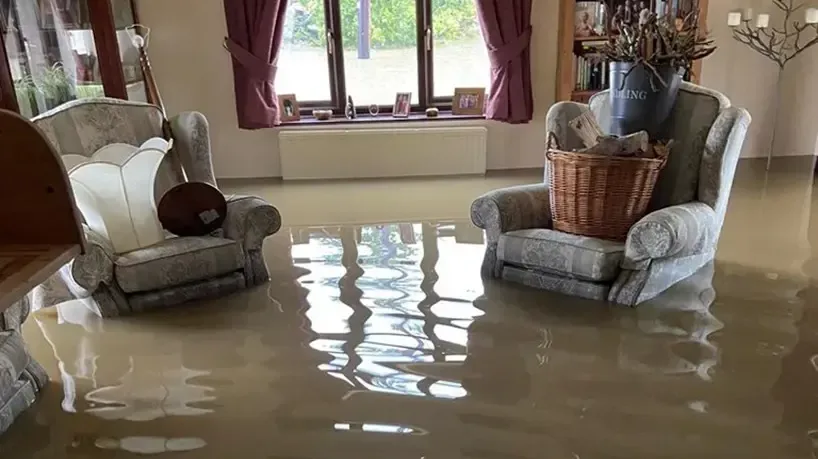
August 2021 repair: Parish crews completed water pipe work affecting Garyville, Reserve, and Mount Airy, followed by gradual water service restoration and a boil water advisory.
- 01Public system interruption After a service interruption, the crew checks active leaks and records wet flooring, walls, and cabinet bases before choosing extraction equipment.
- 02River and storm context The Mississippi River provides geographic context, but each storm loss needs its own contamination assessment and interior moisture boundary.
- 03Brief freezing weather Regional advice recommends insulating exposed pipes, draining outdoor hoses, and knowing where the master water shutoff valve is located.
- 04Hidden moisture movement Water can pass beneath finishes and into cabinets or wall bases even after the open floor looks clear.
- 05Outdoor humidity A controlled drying chamber and active dehumidification help prevent humid replacement air from slowing evaporation inside wet assemblies.
Garyville Water Damage Questions
Water spreading indoors?
Begin with safe source control and hazard awareness, then let measurements define extraction, cleaning, access, and drying boundaries.
(888) 417-5665Request a measured assessmentWhat should happen before cleanup starts?
People should avoid wet electrical areas, unstable ceilings, and contaminated water. A safe shutoff can limit an accessible plumbing source, while photographs preserve initial conditions for the project record.
How is concealed water found?
Thermal patterns can focus an inspection, but direct readings confirm moisture in specific flooring, drywall, wood, insulation, concrete, and cabinets. Testing extends outward to comparable dry material.
Must every wet finish be removed?
No. Material condition, contamination, access, structural integrity, and reading trends shape that decision. Sound material can sometimes dry in place when the assembly is reachable and improving.
Why does sewage require extra control?
Sewage can expose occupants and materials to contamination. The work area is isolated, unsuitable porous products are removed, retained surfaces are physically cleaned, and drying follows preparation.
What do dehumidifiers do?
As airflow encourages wet materials to release moisture, dehumidifiers collect that added vapor from the managed environment. Both functions must suit the moisture load and room conditions.
How is drying completion established?
Technicians revisit marked monitoring points and compare affected materials with selected reference goals. Concealed layers receive separate checks, and the final readings stay with the project's moisture diagram.
What records help with an insurance claim?
Useful records include source findings, room photographs, moisture diagrams, material decisions, equipment notes, daily values, completion readings, invoices, and written communication. Coverage remains the insurer's decision.
Is storm water handled like a supply leak?
Usually not. Outside water can carry soil, sewage, and other contaminants, so access, removal, cleaning, and air controls are more conservative than for a fresh supply release.
What changes the project price?
Water category, affected area, surface type, concealed migration, access, extraction needs, cleaning, material removal, contents, equipment, power, and monitoring all influence the final restoration scope.
Limit water movement and document the drying path
Garyville technicians coordinate extraction, controlled cleanup, selective access, equipment adjustments, and final measurements for water and sewage losses.