Water Damage Restoration Reserve, LA
Local restoration specialists remove water, investigate concealed spread, and dry affected construction after plumbing releases, appliance failures, sewage backups, and severe weather.
(888) 417-5665Request Reserve restorationEvery work boundary begins with current site findings and changes only when later measurements support a different scope.
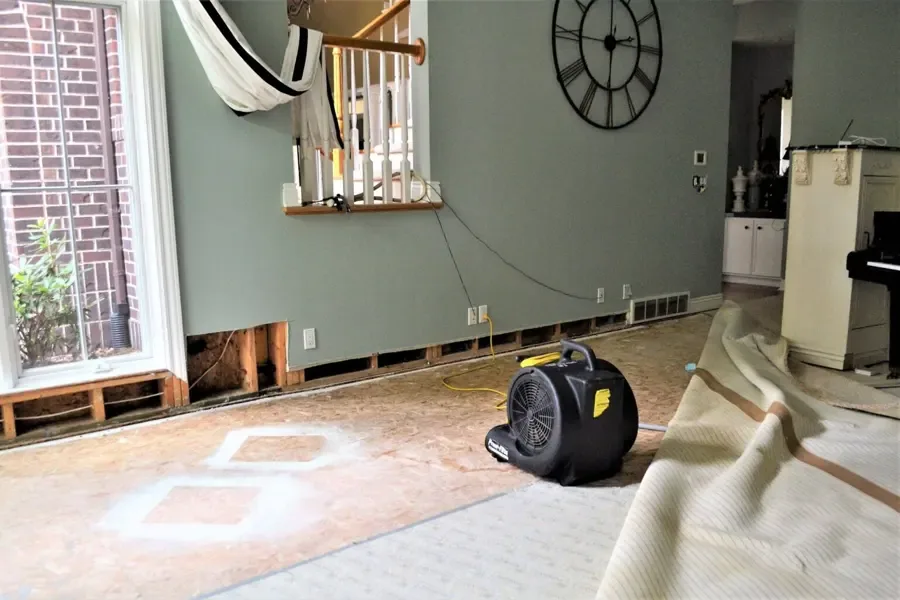
What to do before restoration work begins
- 1
Stay clear of energized water
Avoid wet outlets, fixtures, appliances, panels, and cords. Electrical hazards need qualified attention before ordinary extraction equipment enters the area.
- 2
Stop only reachable water
Use a shutoff when the path and valve are safe. Plumbers repair pipes and fixtures, while restoration personnel handle escaped water and wet materials.
- 3
Avoid weak overhead finishes
Do not stand beneath bowed ceilings or pull saturated board. A protected work area must be established before trapped water or debris is released.
- 4
Separate contaminated rooms
Keep occupants and pets away from sewage and outside floodwater. Do not carry wet belongings across clean flooring or use household fans there.
- 5
Preserve early conditions
From a safe location, photograph the source area, affected rooms, water marks, and contents before removal work changes the scene.
Water damage services for local properties
Different sources create different hazards, access needs, material choices, and documentation, so each service follows a purpose built sequence. The source directs the work plan.
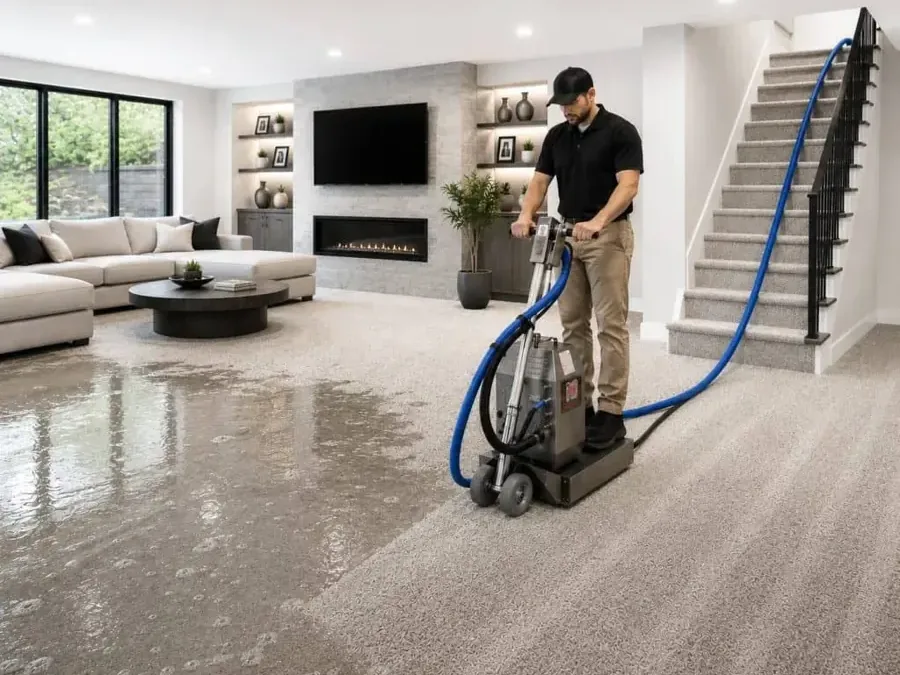
Water Extraction and Removal
Pooled water is collected from open floors and reachable voids, then transitions are checked for remaining moisture.
View service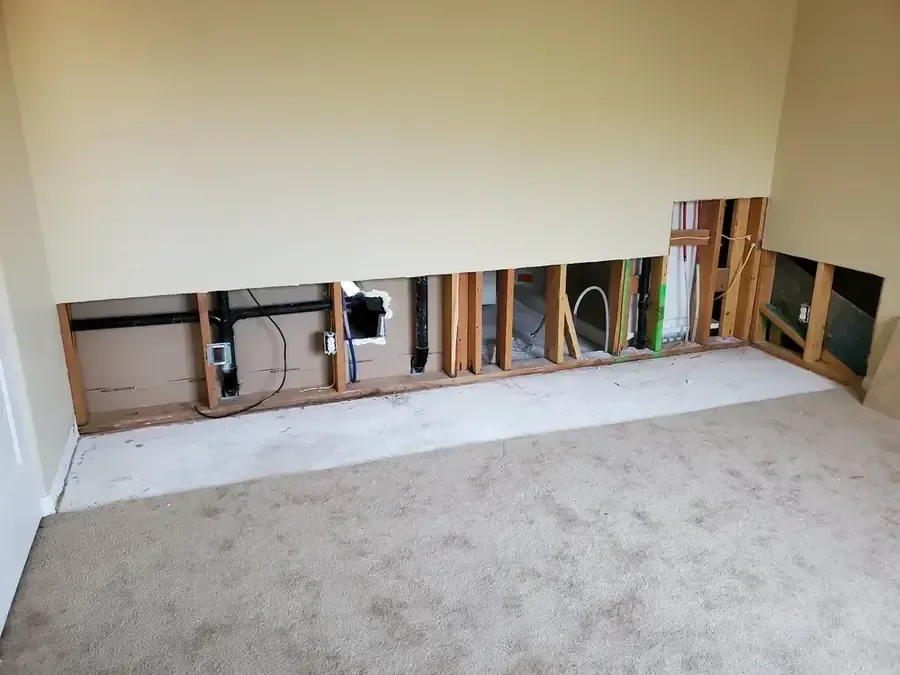
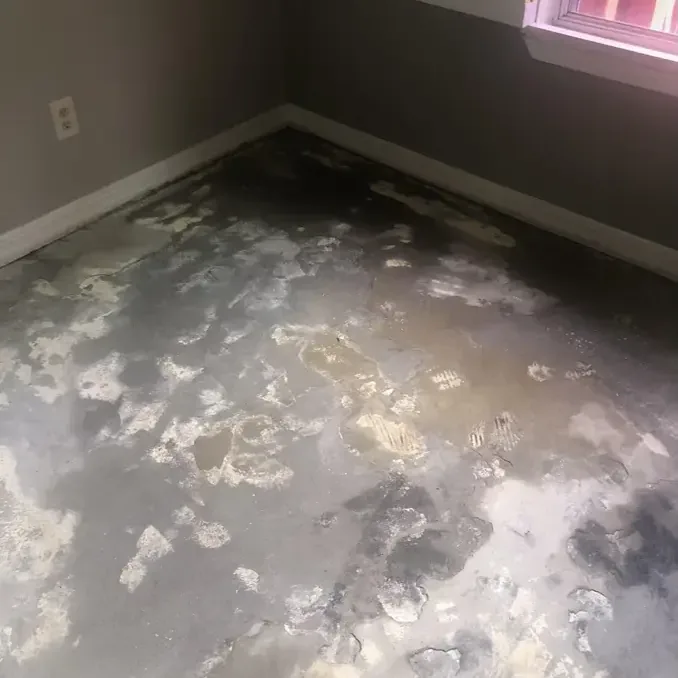
Slab Leak Water Damage
Plumbing findings establish limited access while concrete, casework, and lower walls receive their own drying targets.
View service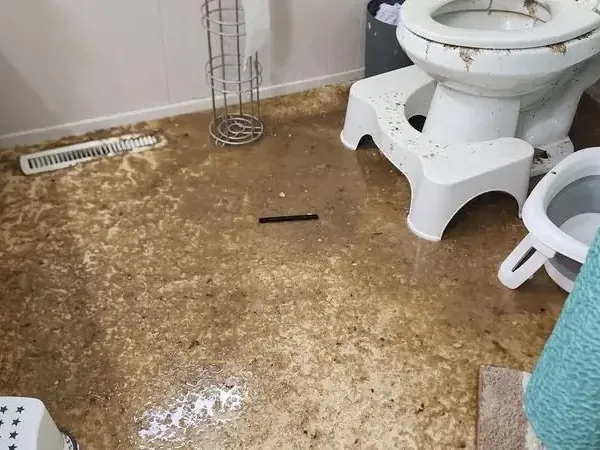
Sewage Backup Cleanup
A restricted cleanup zone keeps wastewater, affected absorbent materials, and debris traffic away from clean rooms.
View service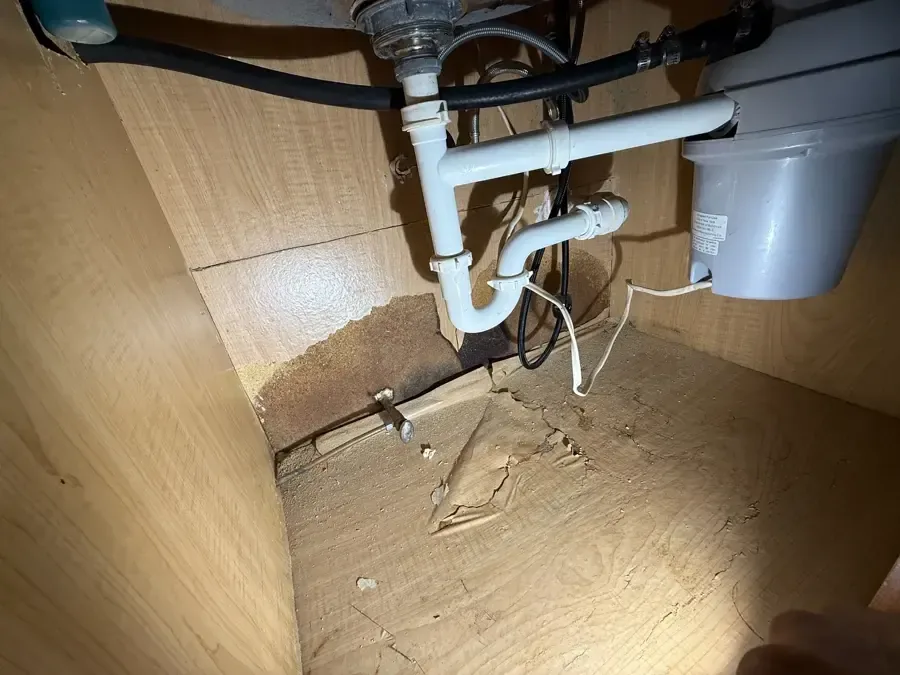
Burst Pipe Water Damage
After shutoff and repair, extraction and cavity inspection trace supply water through ceilings, partitions, and floor systems.
View service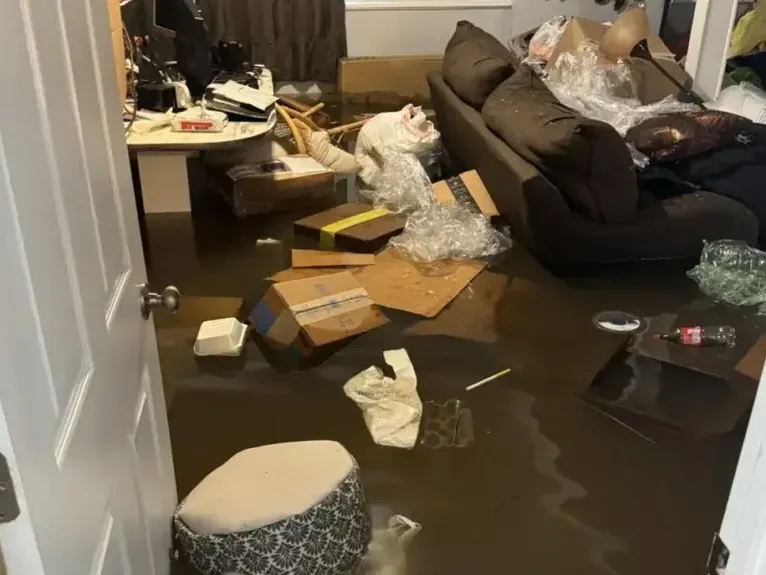
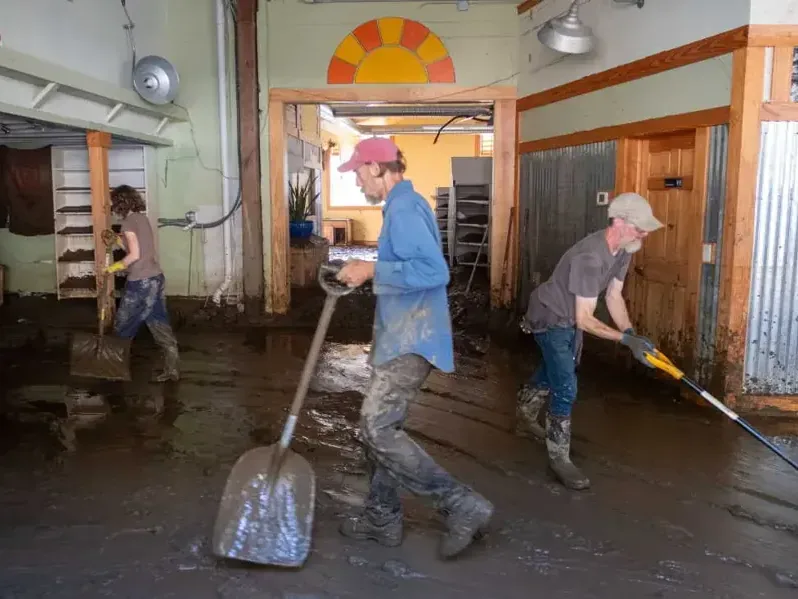
Storm and Flood Cleanup
Sediment is cleared and retained surfaces are cleaned before ordinary airflow begins inside the flooded area.
View service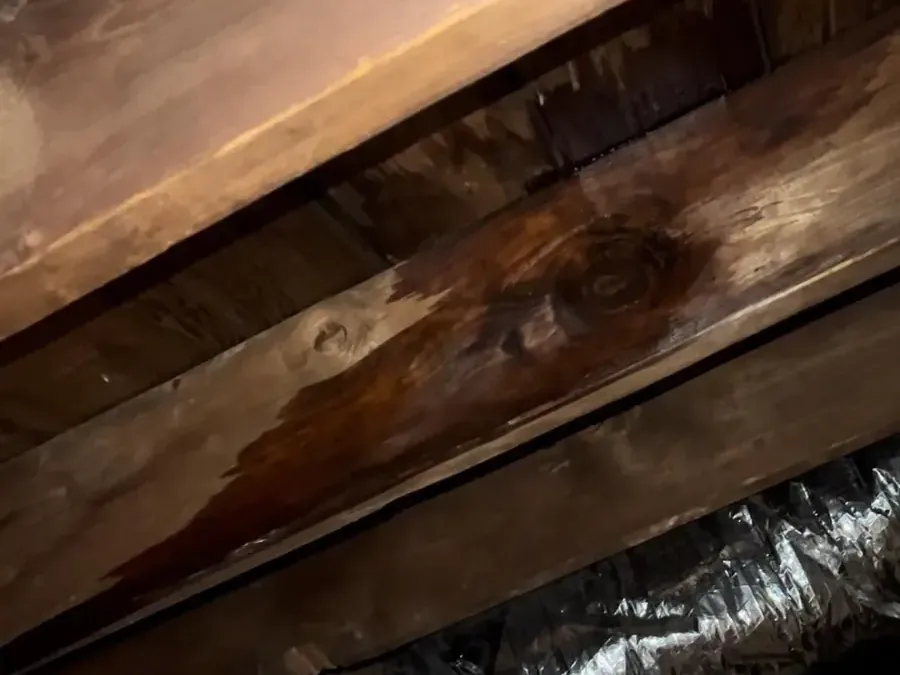
Roof Leak Water Damage
Attic and wall measurements follow the rain route beyond the visible stain, using exterior repair findings as a starting point.
View service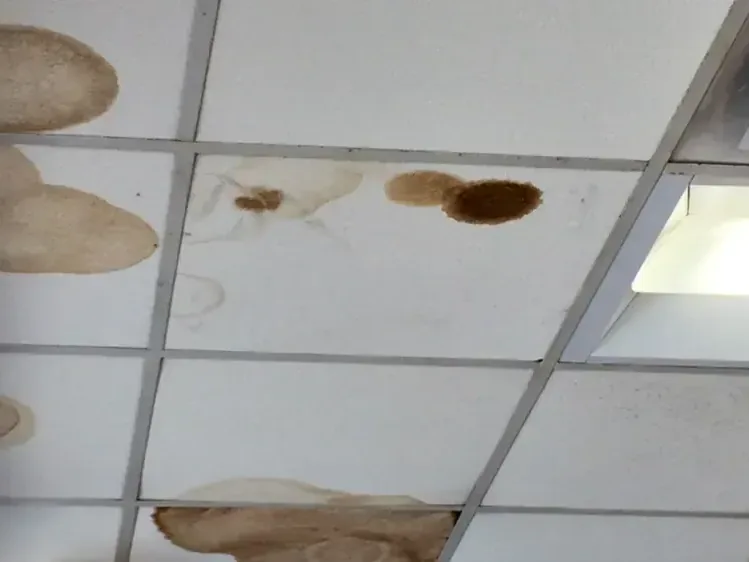
Ceiling Leak Water Damage
Overhead access follows source and safety checks, while flooring below receives a separate moisture inspection.
View service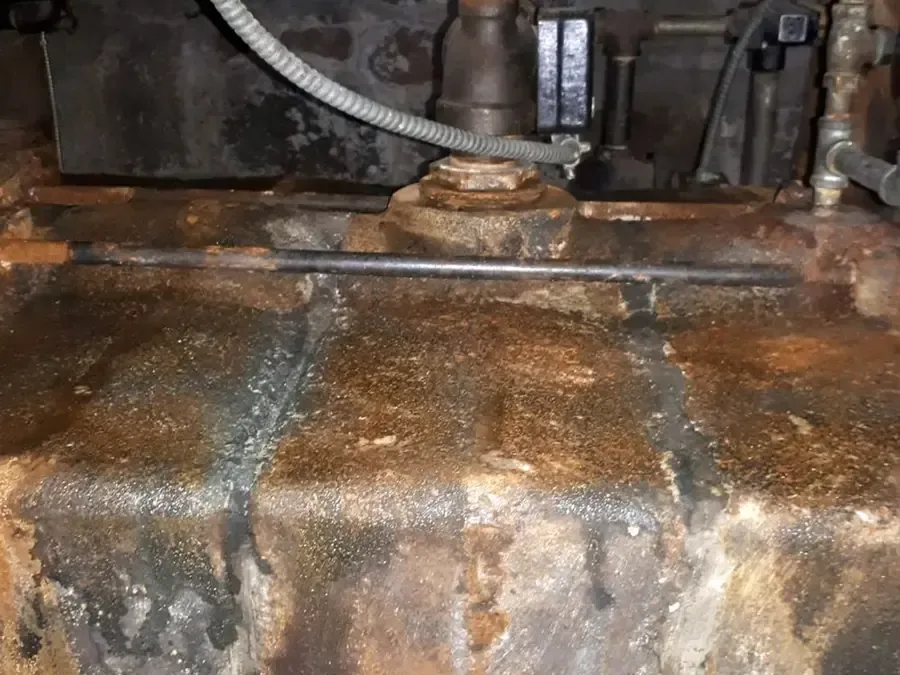
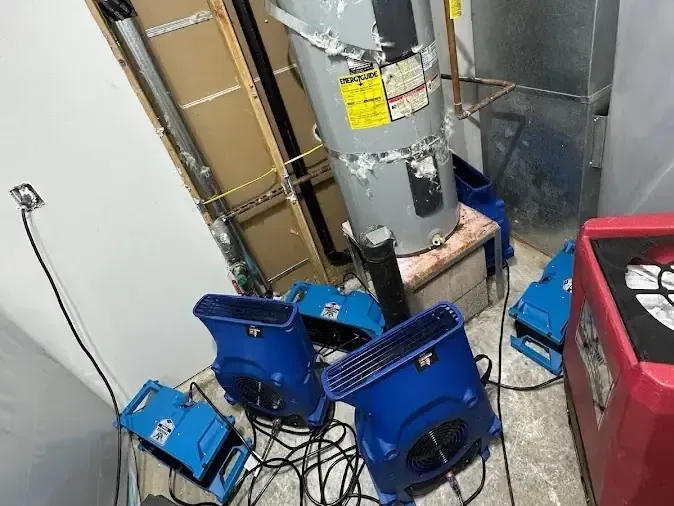
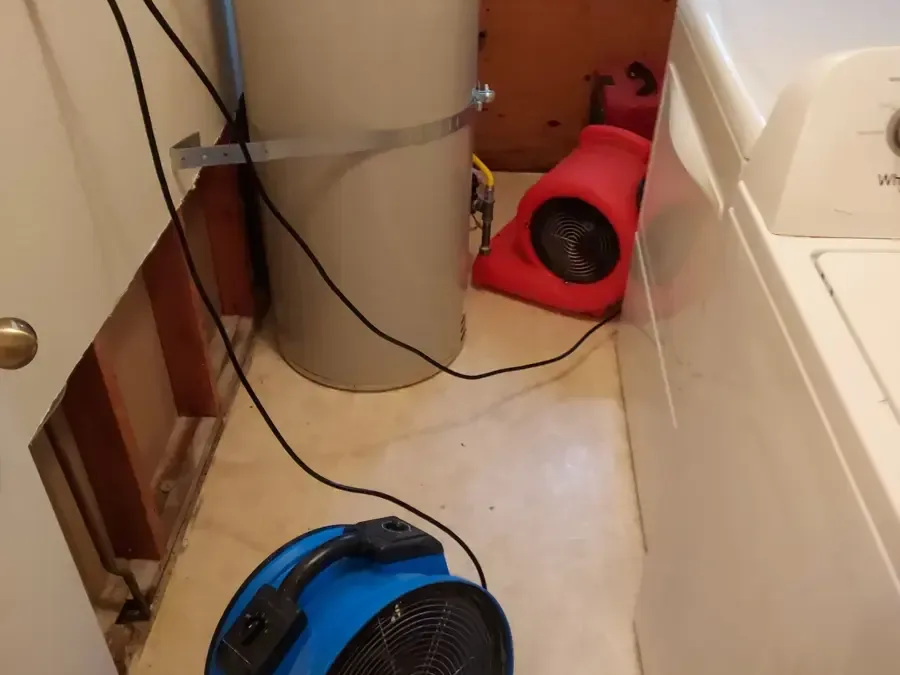
Water Heater Leak Cleanup
The tank recess and covered floor are checked before replacement equipment hides the footprint again.
View service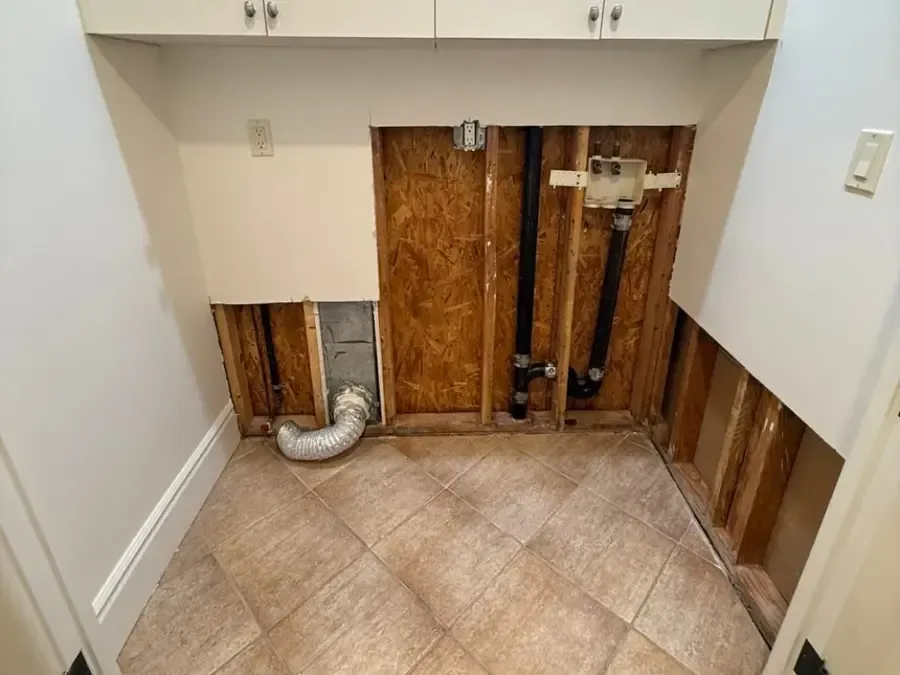
Appliance and Supply Hose Leaks
Toe kicks, cabinet components, and floor layers are assessed after the appliance can be moved safely.
View service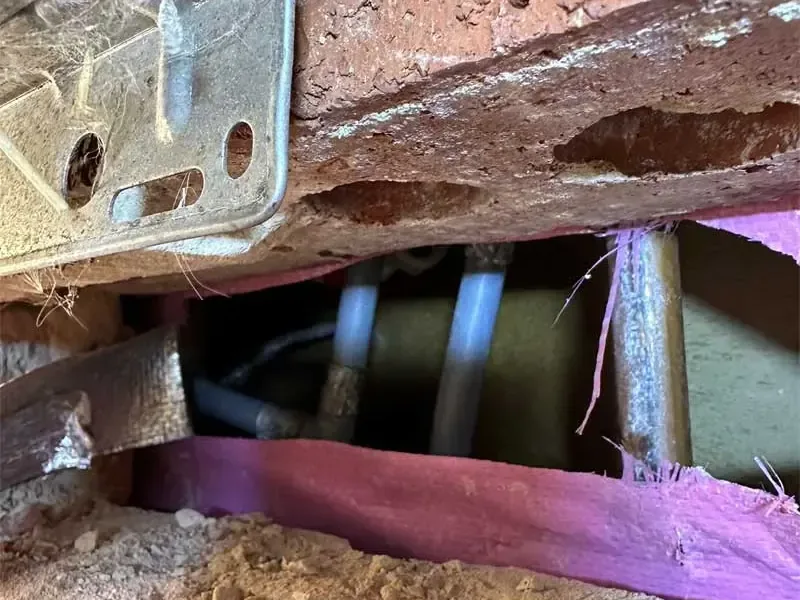
Crawl Space Water Removal
Pumps clear accessible water below the floor before wet insulation and structural timber are evaluated.
View service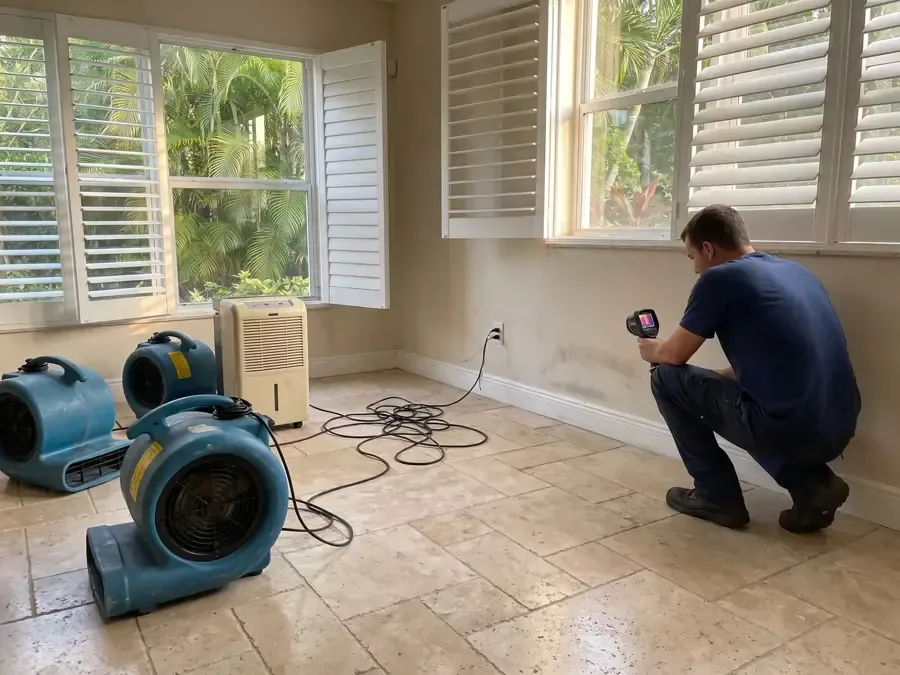
Structural Drying and Dehumidification
Repeat measurements determine equipment changes and reveal whether retained materials need more evaporation access.
View service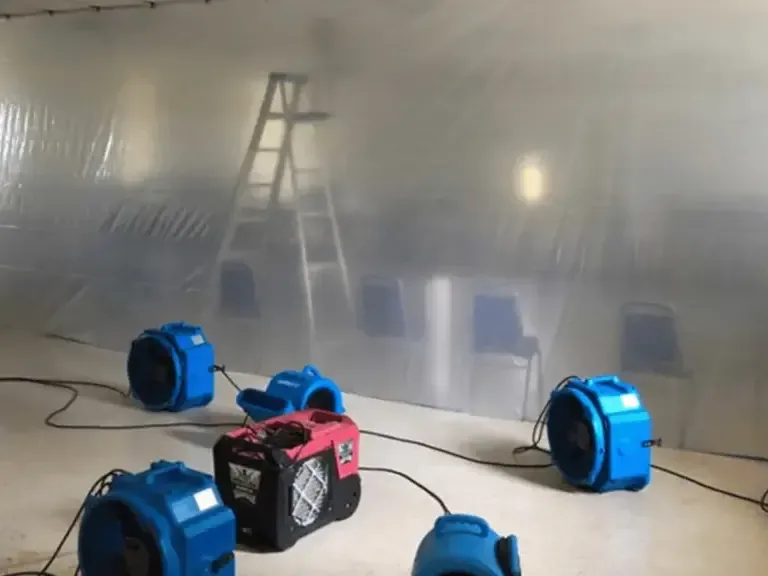
Commercial Water Damage
Area records separate operating spaces from work zones and keep property managers informed as drying progresses.
View serviceA restoration scope with traceable reasons
The response team compares source evidence, material condition, direct readings, and access before choosing extraction tools, openings, cleaning controls, or drying equipment.
Verified community context
Airline Highway, Riverside Academy, the Mississippi River, and St. John the Baptist Parish establish local coverage without predicting conditions at a property.
Clear contractor roles
Plumbing, roofing, and appliance professionals repair the cause, while restoration technicians manage water removal, cleaning, wet construction, and moisture documentation.
Separate material targets
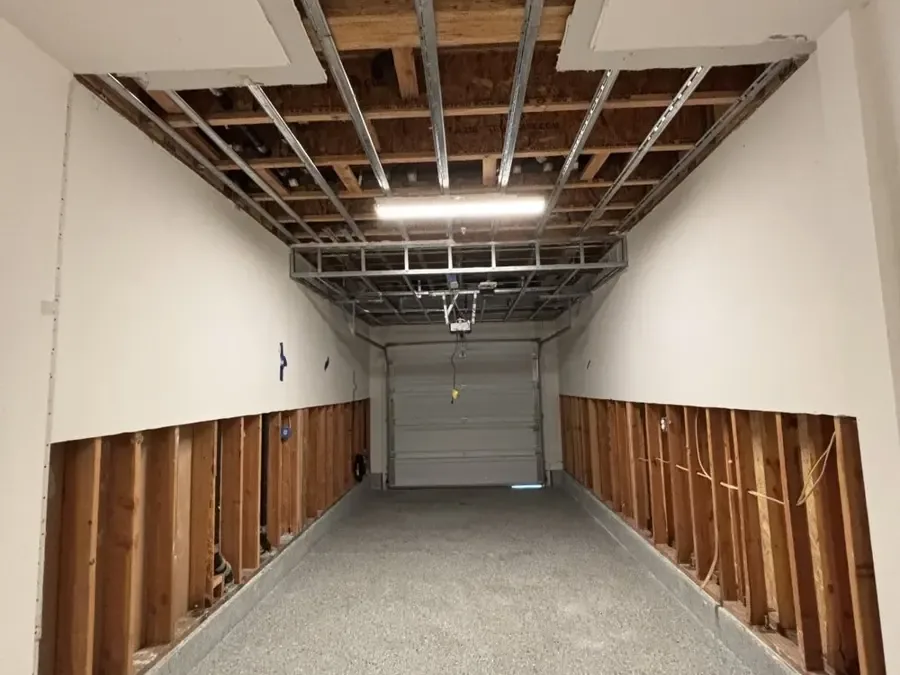
Concrete, wood, drywall, insulation, floors, and cabinets are measured independently because they absorb and release water at different rates.
Evidence for each change
Photographs, room diagrams, equipment notes, cleaning records, and completion values show why the plan expanded, contracted, or concluded.
Water categories affect what can remain
Fresh supply water
A recent supply release may start with limited contamination, but time and material contact can alter the working category and cleaning plan.
Explore burst pipe serviceWater with contaminants
Some appliance discharge and standing water needs added cleaning, cautious handling, and closer decisions for absorbent finishes.
Explore appliance leak serviceSewage or exterior flooding
Wastewater and outside flooding require access restriction, removal of affected porous material, detailed cleaning, air control, and later drying.
Explore sewage serviceCompletion depends on stable moisture targets
Technicians set comparison points in unaffected construction, monitor room air and wet assemblies, and use structural drying options when stalled sections require changes to access or equipment placement.
- 1
Establish the wet perimeter
Instruments verify damp floors, walls, cabinetry, insulation, concrete, and framing beyond what photographs or touch establish.
- 2
Reduce the moisture load
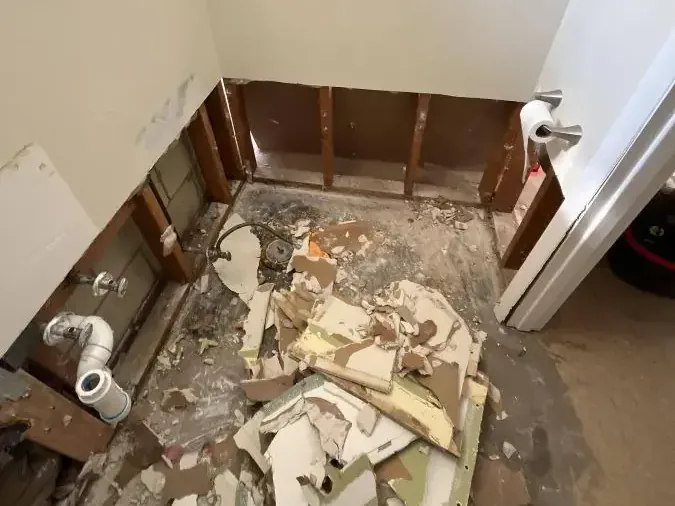
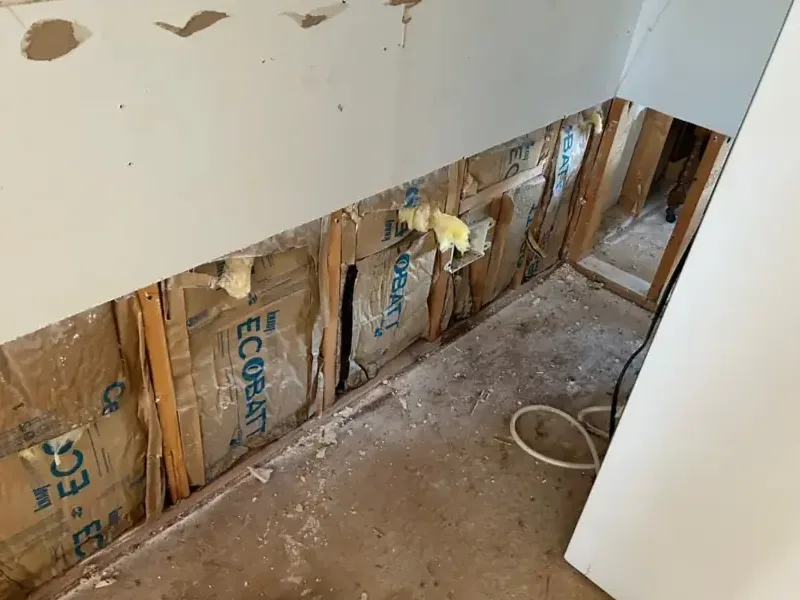
Extraction removes recoverable liquid, while openings expose wet surfaces blocked by trim, finishes, or insulation.
- 3
Manage air and vapor
Directed air promotes evaporation at retained materials, and dehumidification captures the released vapor inside the work zone.
- 4
Return to each reference
Progress and final measurements use consistent points so the record shows whether each assembly reached its selected goal.
Documents for the claim discussion
Organized records connect the reported cause, contractor findings, affected rooms, material decisions, equipment use, and measured completion.
- Room photographs before major material movement
- Repair findings from the proper trade contractor
- Moisture diagram with material locations
- Cleaning and equipment activity records
- Final values, invoices, and insurer messages
Confirm terms with the insurer
Policy language and cause determine coverage. The property owner can report the event, retain the claim number, and ask which records and approvals the assigned adjuster requires.
Restoration notes describe observed water and completed work. Plumbing, roofing, or appliance contractors document source repair, and the insurer interprets all submissions under the policy.
Water removal, material access, and drying
What affects a restoration budget?
A limited clean water loss may start near $1,200, while widespread sewage or flood restoration can reach $15,000 or more. Source, area, contamination, materials, access, removal, equipment, and monitoring determine the site scope.
Contained supply loss
$1,200 to $3,200
- Water stopped promptly
- Small material boundary
- Targeted extraction and drying
Connected room damage
$3,200 to $7,500
- Several assemblies affected
- Multiple equipment sections
- Repeated moisture checks
Flood or sewage project
$7,500 to $15,000+
- Contamination barriers
- Porous finish removal
- Cleaning with broad drying
These figures support preliminary planning rather than a quote. The water damage cost calculator shows how scope factors change a range.
Water damage help across the community
Coverage around Reserve
ZIP areas
Nearby communities
Describe what happened and where
Dispatch information should include the source if known, rooms showing water, whether the loss involves sewage or outside flooding, and any ceiling or electrical concern.
The restoration scope stays limited to water and sewage removal, contamination control, material access, controlled drying, and the records supporting those decisions.
Reserve, LA · [email protected]
Public repairs and severe weather matter
Community water repairs and regional winter conditions show why source control and building specific inspection both matter.
August 2021 repair: St. John the Baptist Parish completed a water pipe repair affecting Reserve, Garyville, and Mount Airy, followed by a boil water advisory for affected customers.
- 01Public water disruption Service returned gradually after the repair, so a property report should separate utility information from water already inside the building.
- 02Mississippi River setting The community occupies the east bank, but that water feature does not assign a flood cause to an individual loss.
- 03Regional freezing weather Utility guidance says freezing temperatures can make exposed pipes crack or burst in unheated locations.
- 04Exposed plumbing preparation Recommendations include draining outdoor hoses, insulating vulnerable pipe and faucets, sealing cold air access, and knowing the master shutoff.
- 05Humid drying conditions A managed interior environment keeps damp replacement air from interfering while floors, walls, cabinets, and structural wood release moisture.
Reserve Water Damage Questions
Water has crossed a room?
Safe source control comes first, followed by careful testing to find the outer moisture edge in each affected material.
(888) 417-5665Request measured water helpWhen should extraction start?
Active water should be removed promptly once electrical and structural hazards are controlled. Early action can reduce travel into wall bottoms, cabinet bases, insulation, and floor layers. A documented start also preserves the initial water boundary for later comparison.
How is concealed dampness located?
Thermal patterns help focus an inspection, but meters confirm moisture in individual materials. Testing extends through transitions and adjoining surfaces until suitable dry references are found.
Can drywall remain after a clean leak?
Sound wallboard may remain when contamination is absent, cavity access is adequate, and readings improve. Weakness, swelling, delamination, or blocked moisture can require selective removal.
Why does sewage need a different sequence?
Wastewater requires restricted access, protective work practices, controlled disposal of affected porous material, and physical cleaning before ordinary structural drying starts in the prepared area.
What role does dehumidification play?
Wet materials release moisture into the indoor air. Dehumidifiers capture that vapor while planned airflow keeps evaporation moving at accessible surfaces inside the controlled space. Equipment balance is checked as that load changes.
How is the finish point chosen?
Technicians revisit consistent material locations and compare the values with documented targets or unaffected references. Readings inside accessible cavities show when retained construction is ready for the next repair stage.
What records belong with an insurance claim?
Useful items include source and repair findings, photographs, moisture diagrams, material decisions, cleaning notes, equipment logs, final readings, invoices, and written insurer communication.
Is exterior floodwater handled like supply water?
No. Water entering from outdoors can contain soil, sewage, chemicals, and microorganisms, requiring contamination controls and conservative decisions for absorbent and concealed materials.
Which conditions change restoration cost?
Water category, affected area, construction type, access, extraction volume, cleaning, demolition, contents, equipment capacity, and monitoring needs all influence the final project scope.
Keep the loss from reaching more materials
Local specialists coordinate removal, cleaning, controlled access, structural drying, and an organized record of the measured work.