Structural Drying in Reserve, LA
After liquid removal, wood, wallboard, concrete, cabinets, and floor layers can continue releasing moisture. Daily readings from consistent test locations throughout the treatment zone determine how the crew balances evaporation with dehumidification as each retained material releases moisture.
(888) 417-5665Request structural drying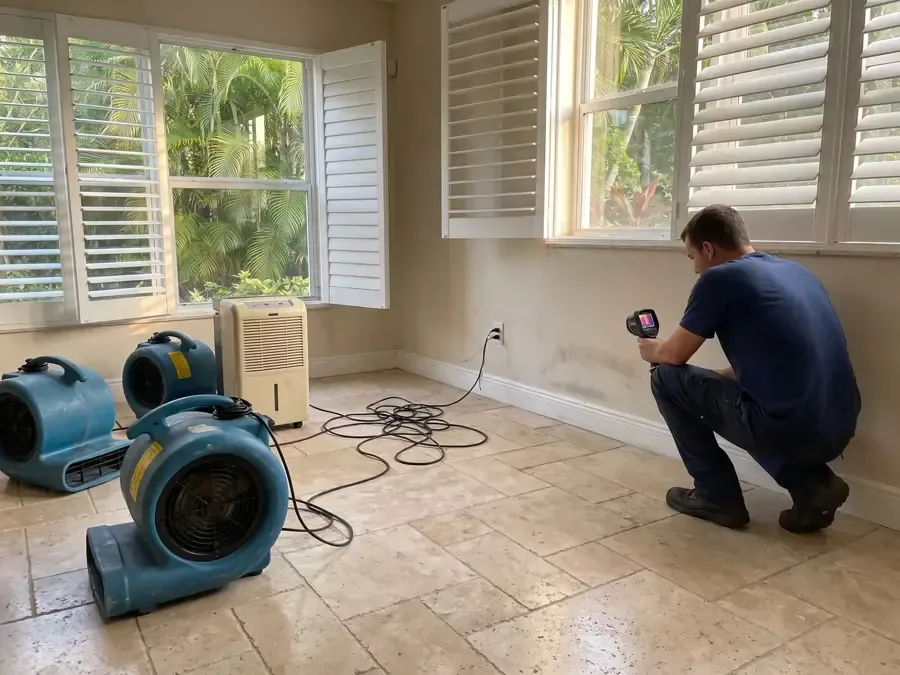
Why the structural drying and dehumidification plan follows the water
Rapid local response
The response team dispatches 24/7 for active water and starts with source control, safety and a full moisture boundary.
IICRC S500 drying standard
The drying team sets category and class, chooses equipment for the evaporation load and verifies progress with daily readings.
Claim-ready documentation
The record can include the source, room diagram, moisture map, category, class, daily logs and photos before removal.
River Parish water knowledge
The crew plans for tropical rain, storm surge, humid air, supply failures and occasional freezing conditions.
How structural drying and dehumidification is handled in Reserve
Define materials and targets
The team maps wet components, establishes comparison areas, and selects suitable measurement goals for retained construction.
Open evaporation paths
Limited access addresses coatings, insulation, trim, or coverings that prevent air from reaching confirmed damp faces.
Balance the environment
Air movement supports evaporation while dehumidification captures vapor within a controlled treatment boundary.
Adjust from recorded trends
Daily direct values reveal progress, stalled pockets, source recurrence, and the proper point for equipment reduction or removal.
First steps for structural drying and dehumidification in Reserve
Confirm the source is controlled
Drying cannot overcome an active release. Plumbing, roofing, drainage, or appliance repair information should be available before the system is treated as stable.
Keep equipment operating safely
Do not unplug, redirect, cover, or move machines without instruction. Keep children, pets, fabrics, and loose items away from airflow and power cords.
Leave the treatment boundary intact
Closed doors or temporary barriers may maintain the planned environment. Report any need to open the area or interrupt power so readings can be interpreted.
Report new water immediately
A fresh drip, spreading stain, odor, or rising humidity can change the plan. Note the location and timing without entering an unsafe area.
A room can feel comfortable while the back of wallboard or an underfloor layer remains damp. Structural drying looks beyond air temperature and visible surfaces. For a Reserve property, the technician identifies each retained material, opens a path where needed, and measures progress at consistent locations.
What does structural drying and dehumidification cost in Reserve, LA?
Structural drying commonly ranges from $1,600 to $8,200 or more. Wet material area, construction layers, access, moisture load, environmental control, equipment capacity, and monitoring determine the scope.
Focused drying zone
$1,600 to $3,724
- Open accessible materials
- Stable source control
- Limited equipment arrangement
Several assemblies
$3,724 to $5,740
- Walls and floors involved
- Selective access needed
- Multiple measurement groups
Complex retained structure
$5,740 to $8,200+
- Concealed or dense materials
- Broad environmental control
- Extended monitoring adjustments
Ranges are typical, not a quote: category of water, square footage, material class and how fast drying started move the number most. Run the water damage cost calculator for a closer range.
Turning the moisture map into a drying plan
The initial survey marks affected walls, floors, framing, cabinets, and concrete separately. Thermal patterns can focus the search, but a compatible meter supplies the material value. Unaffected sections provide useful comparison points when their construction and environment match the wet area.
South Louisiana humidity and storm moisture make indoor environmental control relevant. Outdoor air is not automatically helpful. Temperature and humidity inside and outside the treatment zone are considered before doors, windows, or ventilation are changed.
- Label every reading point by material and location
- Confirm the outer dry boundary before equipment placement
- Note coatings and coverings that slow evaporation
- Separate contaminated cleanup from the drying phase
- Record baseline air conditions for later comparison
Providing enough airflow without missing vapor control
Air movers replace the saturated boundary layer at a wet surface so moisture can evaporate. Dehumidifiers remove that vapor from the controlled air. Either half alone can underperform: movement without removal can raise humidity, while dehumidification cannot reach a material face sealed behind flooring or intact wall layers.
Equipment is arranged for the geometry of exposed damp surfaces rather than distributed by room count. Corners, cabinet bases, wall cavities, and floor edges may need specialized direction. Doors or temporary barriers define the zone so replacement air does not overwhelm the system.
- Aim movement across material faces instead of occupants
- Keep intake and discharge paths open
- Protect loose debris before increasing air velocity
- Use containment when it improves environmental control
- Check that one machine does not interfere with another
Responding when one material stops improving
Daily values are compared with the same earlier locations. When the overall boundary contracts but one section stalls, the crew investigates. Paint, vinyl, laminate, insulation, or closed casework may block evaporation. A small access change can be more effective than adding equipment to the whole room.
Wood, gypsum, and concrete do not share one numerical finish point or rate. The drying record respects those differences. Water extraction details explain the earlier liquid phase; structural drying begins with the moisture that remains absorbed or concealed afterward.
- Chart trends instead of relying on one isolated value
- Compare similar materials with suitable references
- Inspect for renewed leakage when readings rise
- Reduce equipment only as the remaining load permits
- Keep final measurements tied to the original map
Documenting completion for retained construction
Airline Highway, Riverside Academy, the Mississippi River, and St. John the Baptist Parish mark the area served without predicting the drying time of a building. Construction, moisture load, access, and environmental response determine the individual project.
Reserve water damage restoration connects drying with source specific cleanup services. A defensible file contains the affected material diagram, initial and daily readings, air data, access decisions, equipment placement changes, source control evidence, and final values. Finish replacement can then proceed with a clear account of the substrate condition.
Using equipment changes as part of the evidence
A drying record is more useful when it explains why the setup changed. Moving an air mover toward a slow wall, reducing equipment after one zone reaches goal, or opening a blocked floor edge should correspond with the material trend. Technicians note those decisions beside the next set of readings so progress can be interpreted in context. A temporary power interruption or opened containment is also recorded because it can affect air conditions without indicating a building problem. When all target materials stabilize at acceptable values, the last equipment removal becomes a measured decision rather than a visual judgment. Final photographs show accessible surfaces after cords and barriers are cleared, and the moisture map remains available to the trade completing finish repair.
Equipment departure is recorded with the final room conditions and material values.
Structural drying and dehumidification across Reserve and nearby communities
Structural drying serves properties around Airline Highway, Riverside Academy, the Mississippi River, and ZIP areas 70068 and 70084, using each building's measurements to set equipment.
The same service nearby: structural drying and dehumidification in LaPlace, Garyville, Norco.
Related water damage services in Reserve
Structural Drying and Dehumidification questions in Reserve, LA
Moisture remains after surface water is gone?
Material readings show where airflow or dehumidification needs adjustment and when drying is complete.
(888) 417-5665Arrange measured structural dryingWhy is extraction not the end of drying?
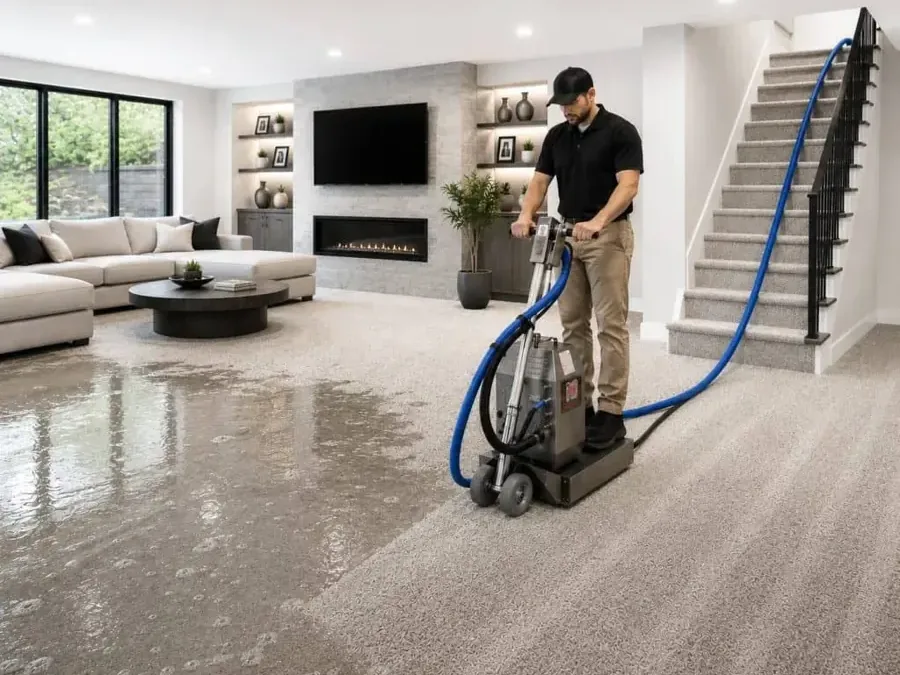
Extraction removes recoverable liquid. Building materials can still hold absorbed water or conceal it beneath finishes, requiring evaporation, dehumidification, and direct measurement. Those later phases require separate controls.
What do air movers accomplish?
They replace humid air at an exposed wet surface and support evaporation. Their direction should match damp material faces and avoid spreading unclean debris. Throughout the project, equipment placement changes as the remaining damp area contracts.
Why are dehumidifiers necessary?
Evaporation transfers moisture into indoor air. Dehumidification captures that vapor so the controlled area can continue accepting moisture released from construction.
Can windows be opened to speed the process?
Only when measured outdoor conditions help the plan. Humid replacement air can increase the load, so technicians determine whether ventilation supports or disrupts control.
What causes a moisture reading to stall?
A hidden layer, coating, insulation, weak airflow, unsuitable environment, dense material, or renewed source can slow progress. The crew investigates before changing equipment.
How is a dry goal chosen?
Compatible unaffected materials, construction type, meter method, and project conditions inform the target. One universal number does not apply to every surface.
What affects structural drying cost?
Material area, number of layers, access, demolition, room separation, equipment needs, electrical capacity, environmental load, monitoring, and duration all influence scope.
Match equipment to the materials still wet
The drying team maps retained construction, exposes blocked surfaces, balances air movement with dehumidification, and records progress until selected goals are met.