Water Damage Restoration Norco, LA
A measured response removes water, separates contaminated areas, checks hidden materials, and records drying progress after plumbing trouble, roof entry, or severe rain.
(888) 417-5665Describe the water problemEach work boundary follows direct readings, material condition, and the path water took through floors, walls, cabinets, or ceilings.
Practical actions before restoration work starts
- 1
Keep clear of electrical hazards
Avoid water near receptacles, appliances, fixtures, or service equipment. Electrical conditions must be made safe before anyone enters the area or handles wet contents.
- 2
Stop an accessible source
Use a nearby valve or master shutoff only when safely reachable. A qualified trade professional should repair the failed pipe, roof, drain, or appliance.
- 3
Respect unstable materials
Stay away from bowed ceilings, loose finishes, and lifted flooring. Saturated board and damaged surface layers can fall, shift, or conceal a weak area.
- 4
Separate dirty water
Keep occupants and animals outside rooms touched by sewage or exterior water. Do not move wet belongings through clean spaces or aim household fans across contamination.
- 5
Record the starting conditions
From a safe position, photograph the source, water boundary, damaged finishes, and affected rooms. Preserve repair notes and the event sequence for the project file.
Water restoration choices for local properties
Source, contamination, access, finish condition, and moisture readings determine which cleanup and drying steps belong in a property-specific plan.
Water Extraction and Removal
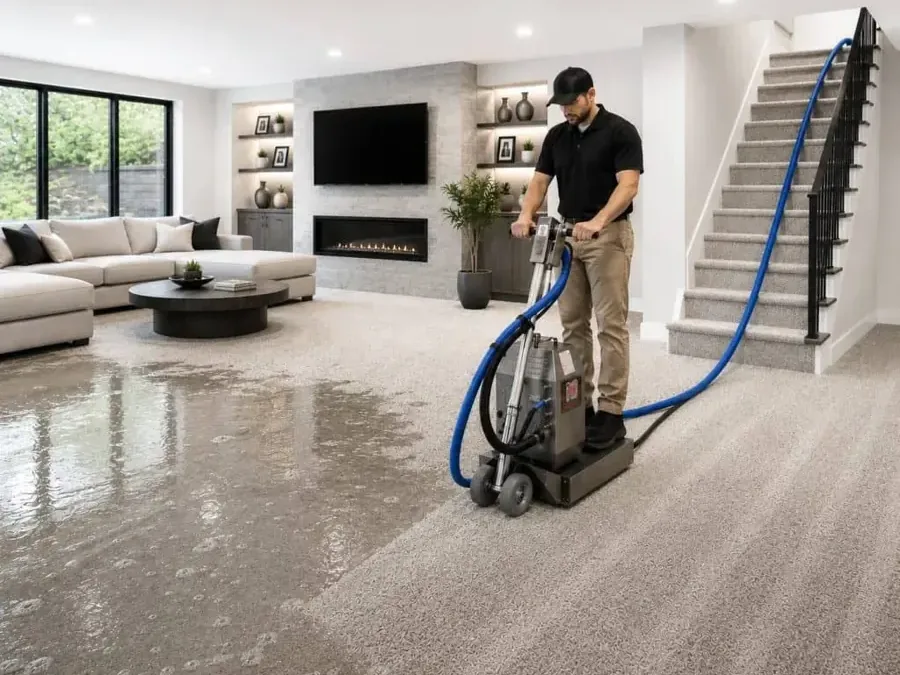
Surface extraction and checks at room edges separate wet layers from dry comparison areas before equipment is arranged.
View service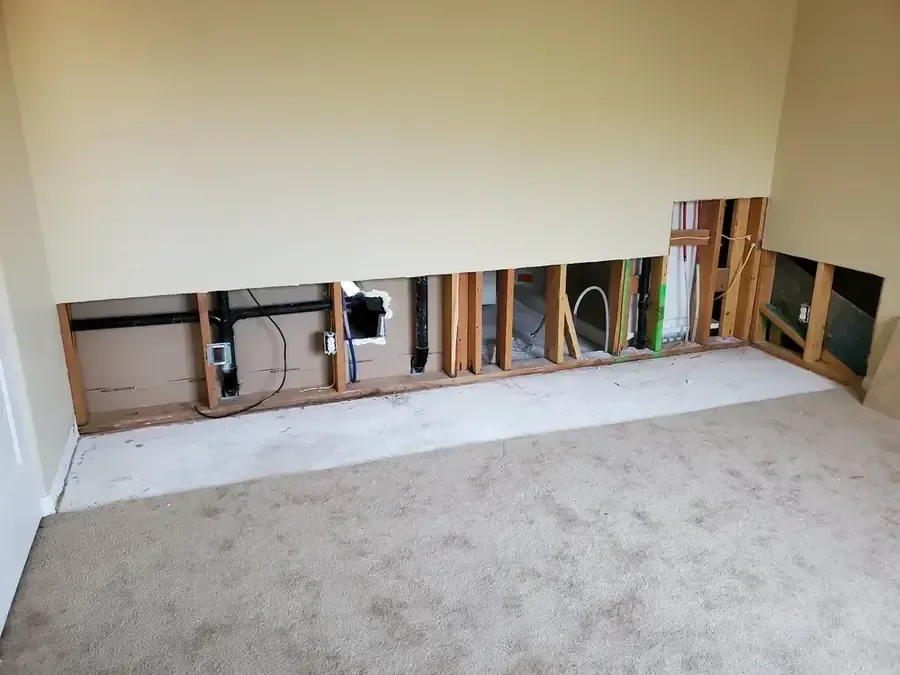
Slab Leak Water Damage
A hidden pipe source is distinguished from surface water before flooring, concrete, and wall bases are opened for drying.
View service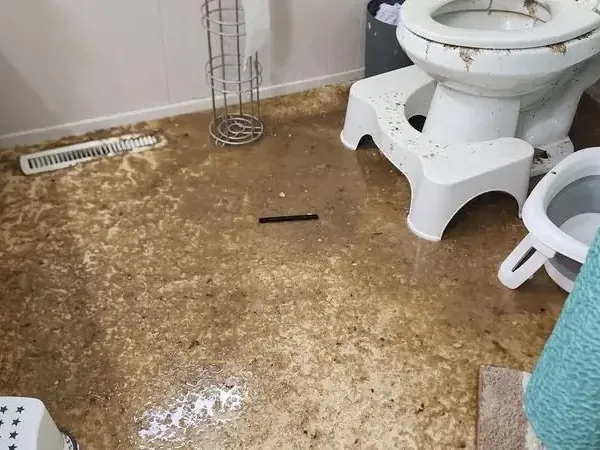
Sewage Backup Cleanup
Isolated entry and debris routes protect unaffected rooms while contaminated finishes are removed and retained surfaces cleaned.
View service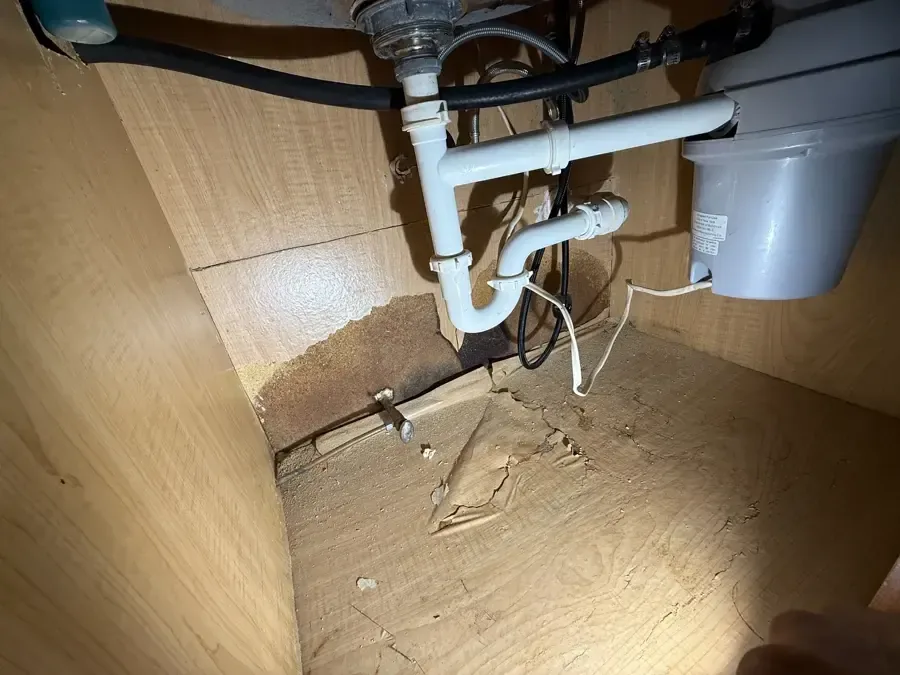
Burst Pipe Water Damage
Escaped supply water is traced through partitions and storage areas after safe shutoff, with repair and drying recorded separately.
View service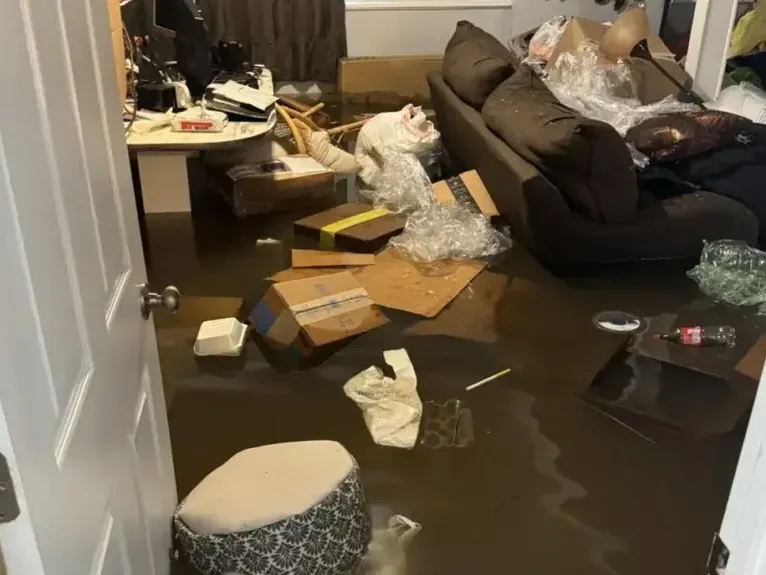
Storm and Flood Cleanup
Outside water and sediment require contamination controls before retained framing can enter the drying phase.
View service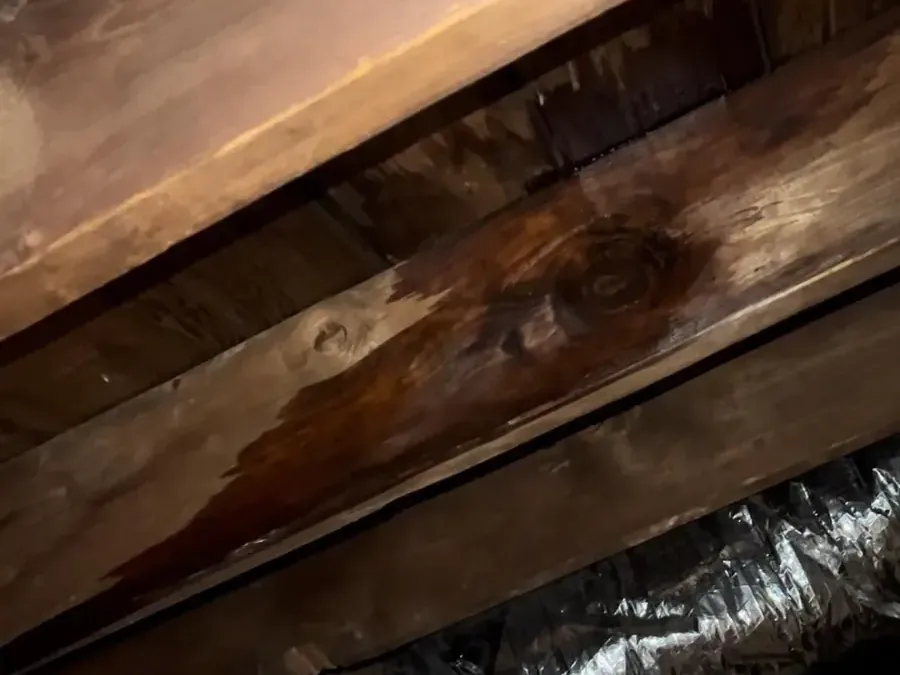
Roof Leak Water Damage
Decking, rafters, and ceiling readings connect the roof repair to damp assemblies beyond the first visible stain.
View service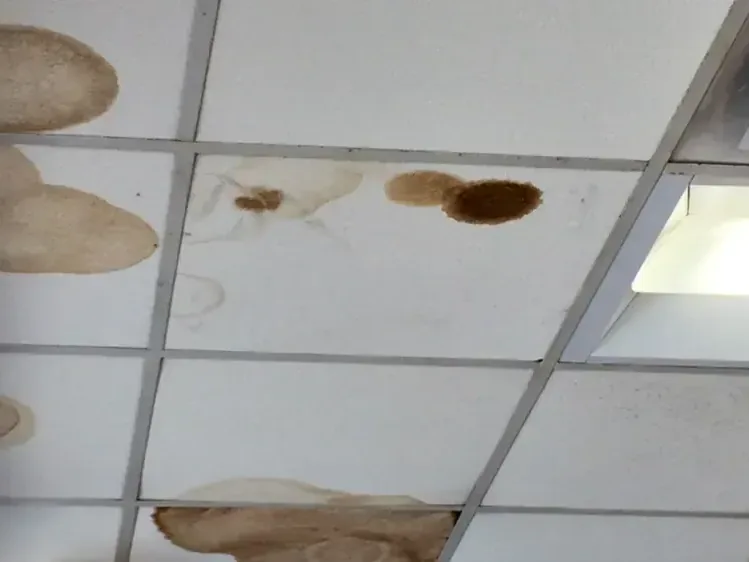
Ceiling Leak Water Damage
Trapped insulation, unstable board, and the room beneath receive separate safety and moisture decisions.
View service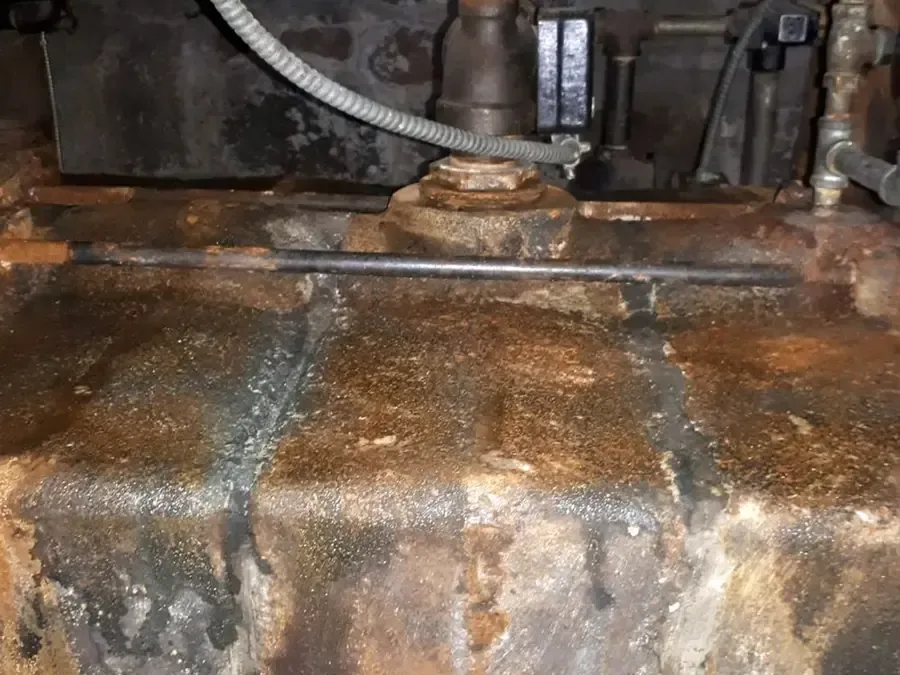
Water Heater Leak Cleanup
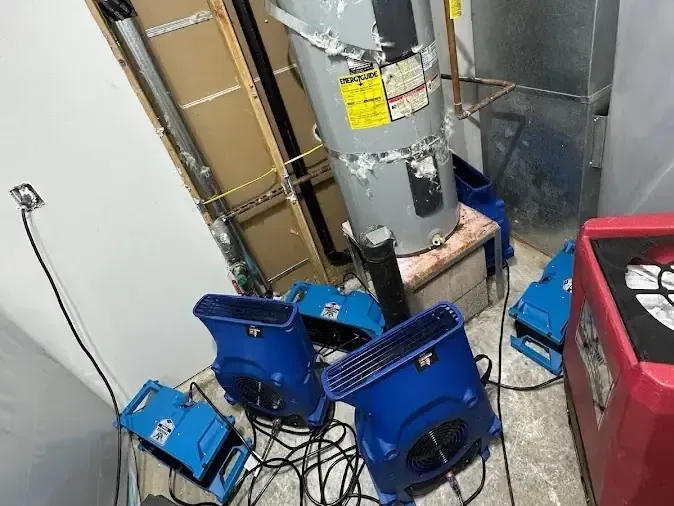
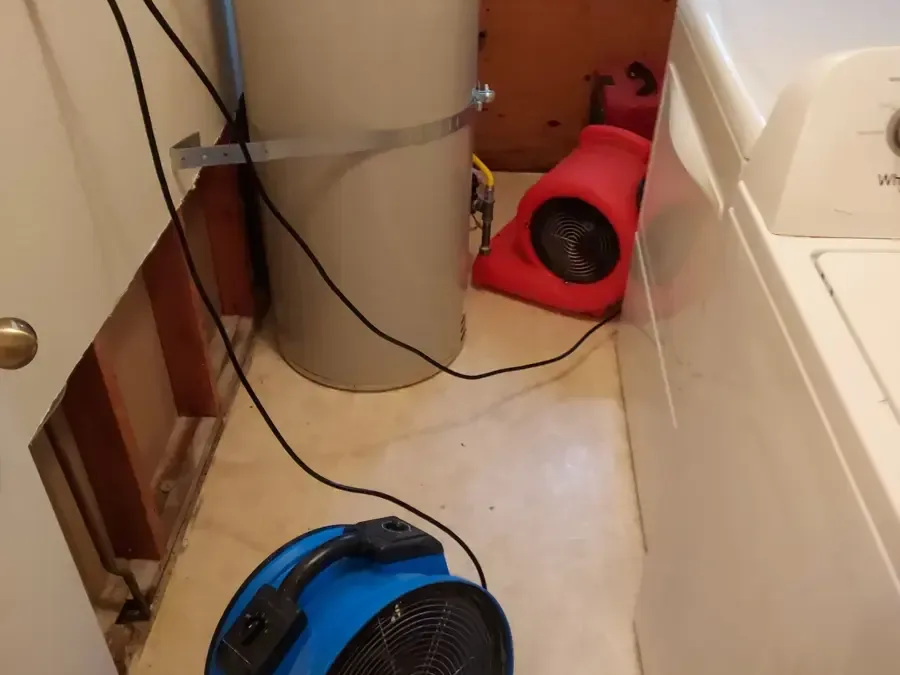
Water at the tank base can reach thresholds and shared walls, including layers hidden beneath the equipment.
View service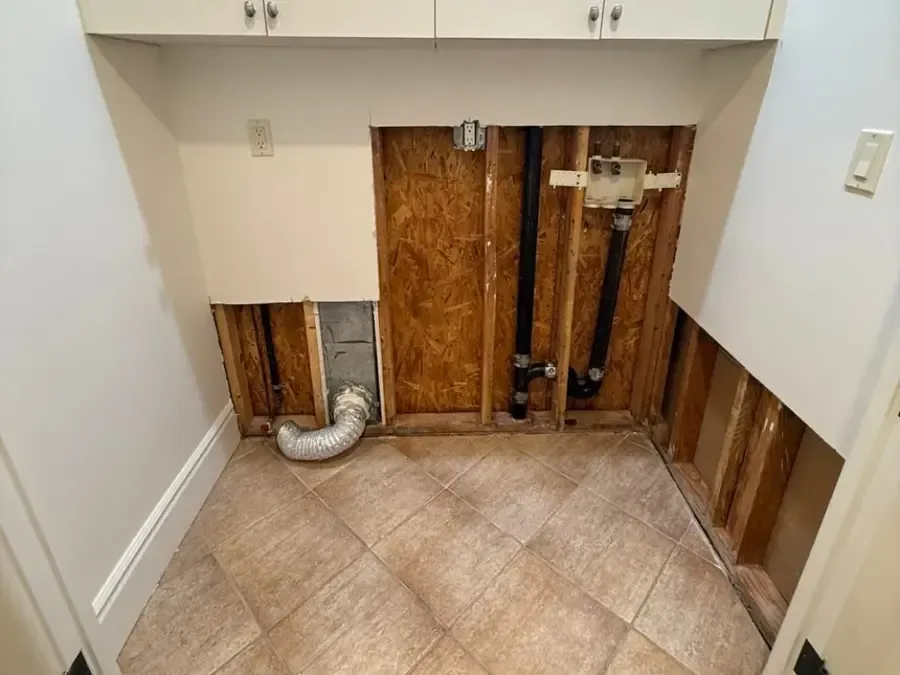
Appliance and Supply Hose Leaks
Targeted extraction behind a machine is followed by checks below casework and finished flooring.
View service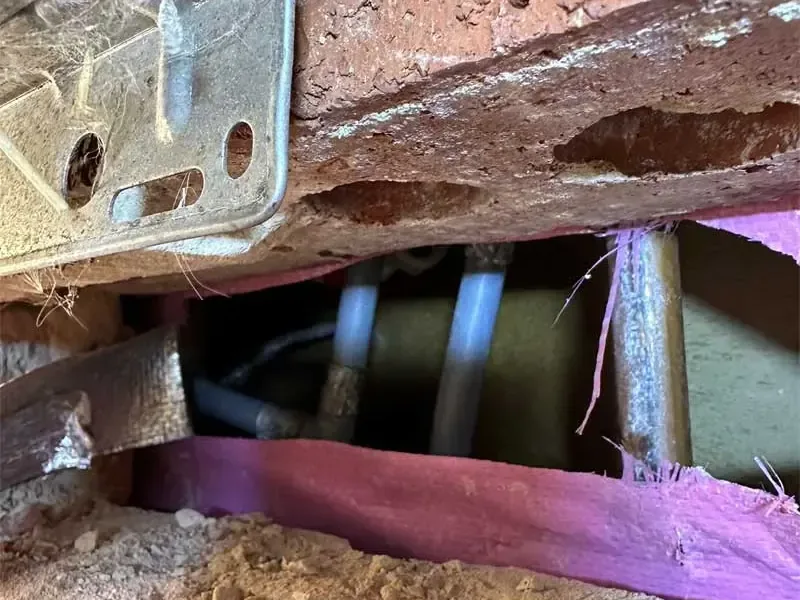
Crawl Space Water Removal
Entry, utilities, and soil conditions shape pumping access, while joist and subfloor readings document progress.
View service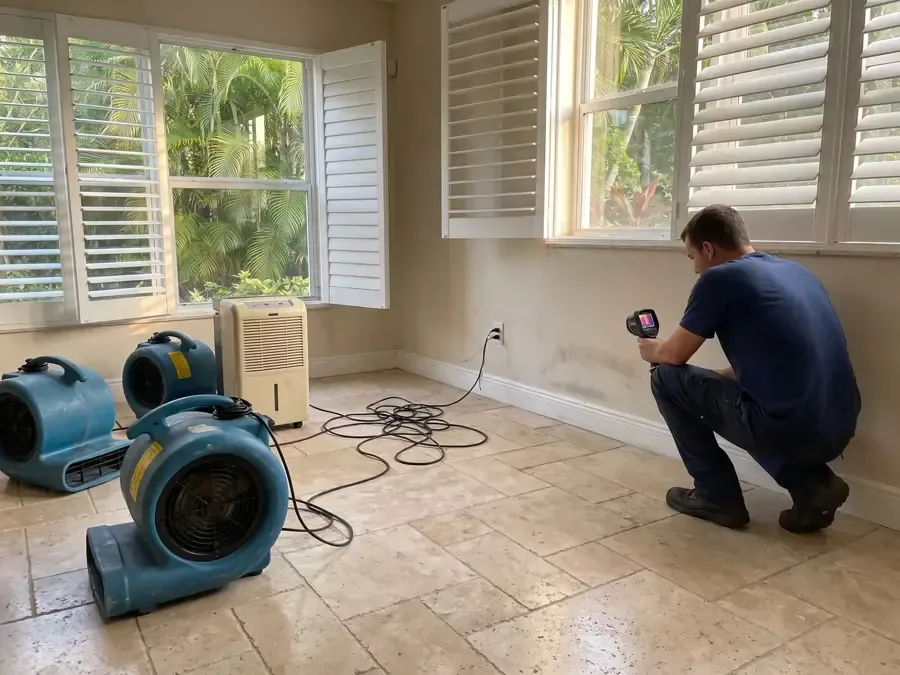
Structural Drying and Dehumidification
Repeatable monitoring points show when air movement, humidity control, or access needs adjustment.
View service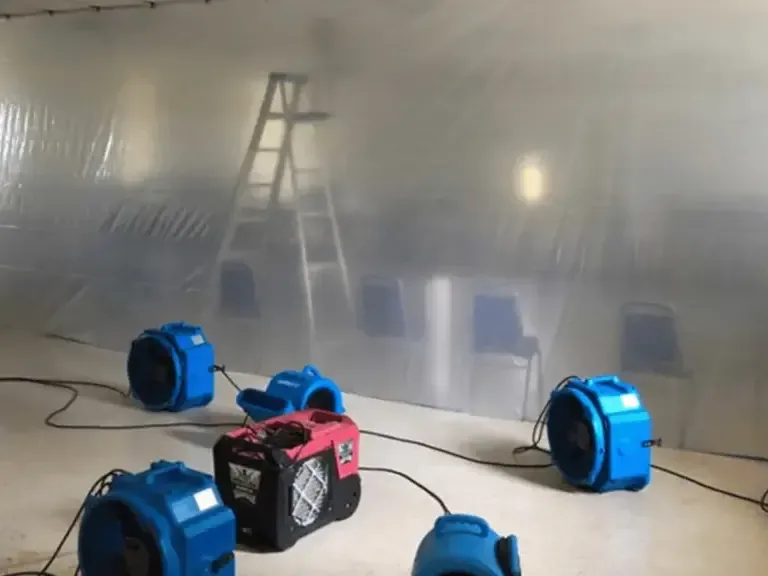
Commercial Water Damage
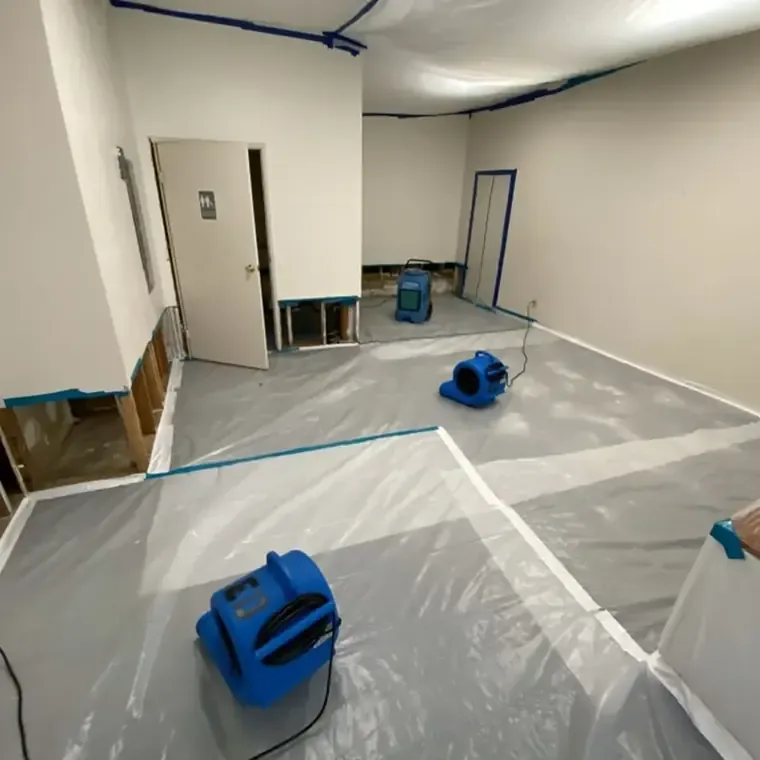
Property contacts coordinate secure access, contents, power, and equipment routes around clearly marked work zones.
View serviceA scope that follows the actual loss
The restoration team connects source evidence with direct measurements, allowing each material and room to receive the access, cleaning, or drying it needs.
Property-specific planning
Diamond, Airline Highway, and the Bonnet Carre Spillway locate the service area, but no place name predicts a particular building condition.
Repair and mitigation kept distinct
Plumbers or roof professionals correct the failed component. Restoration workers handle escaped water, damaged materials, cleaning, airflow, and completion evidence.
Different materials, different targets
Wood, gypsum board, concrete, insulation, flooring, and cabinetry are checked separately because dry room air cannot establish that every assembly is ready.
A traceable work record
Photographs, diagrams, material notes, equipment placement, and readings explain how the moisture boundary changed and why each major task was performed.
Cleanup controls change with water conditions
Fresh supply water
A recent supply release may start relatively clean, but contact with materials and time can change the appropriate cleaning and removal decisions.
Explore pipe water cleanupUsed or affected water
Certain appliance discharges and standing water require added precautions, evaluation, and cleaning before structural drying can proceed.
Explore appliance leak workSewage or outdoor flooding
Wastewater and outside water need restricted access, unsafe porous material removal, cleaning, and managed drying of retained construction.
Explore sewage responseCompletion depends on measured goals
Technicians compare damp construction with suitable reference areas, track controlled room conditions, and modify airflow or access when an assembly no longer shows useful measurable progress.
- 1
Map the damp construction
Meters verify suspect thermal patterns across flooring, walls, ceilings, framing, concrete, and cabinets.
- 2
Remove water and barriers
Extraction handles liquid while careful openings expose moisture trapped behind finishes that block effective drying.
- 3
Manage air and humidity
Directed air encourages evaporation, and dehumidifiers collect the released vapor within the controlled zone.
- 4
Return to every target
Recorded checks at consistent points show whether materials reached their chosen comparison goals.
Records for the coverage conversation
Useful documentation separates the reported cause, repair work, observed damage, mitigation choices, progress measurements, and final charges.
- Overall photographs before removal begins
- Source findings from the repairing trade
- A room sketch with measured boundaries
- Equipment locations and monitoring entries
- Completion readings, detailed invoices, and correspondence
Confirm terms with the insurer
Policy language and the reported cause determine coverage. The owner can report the event promptly, retain the claim number, and ask which records or approvals are expected.
The mitigation file records conditions and completed work, while the appropriate repair trade documents the failed component. The insurer applies the policy. Explore local services for scope context.
From water removal to measured drying
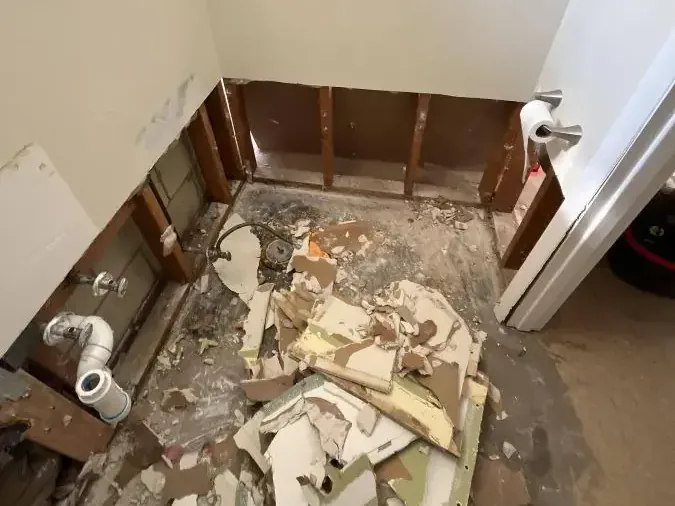
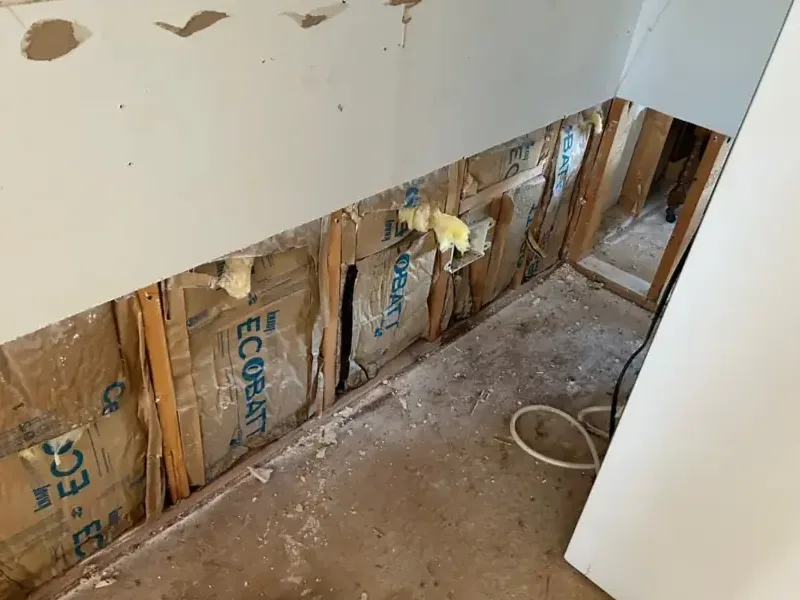
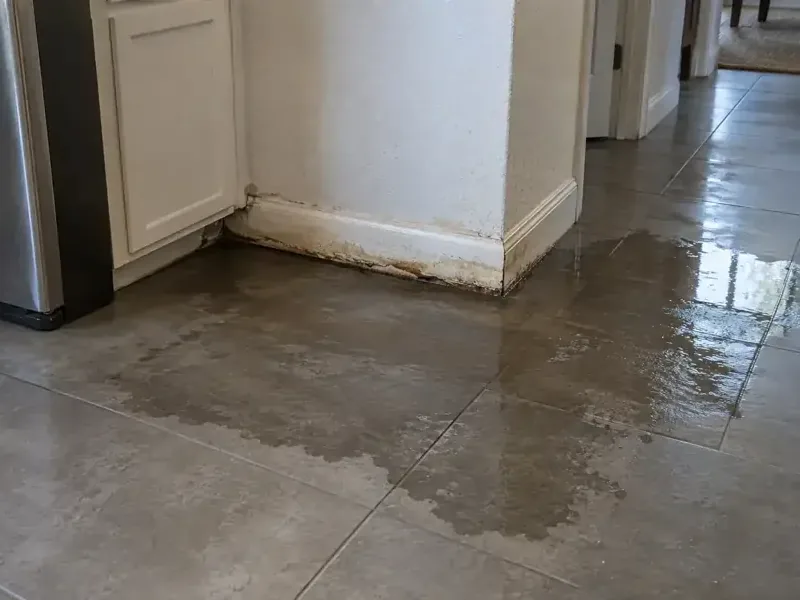
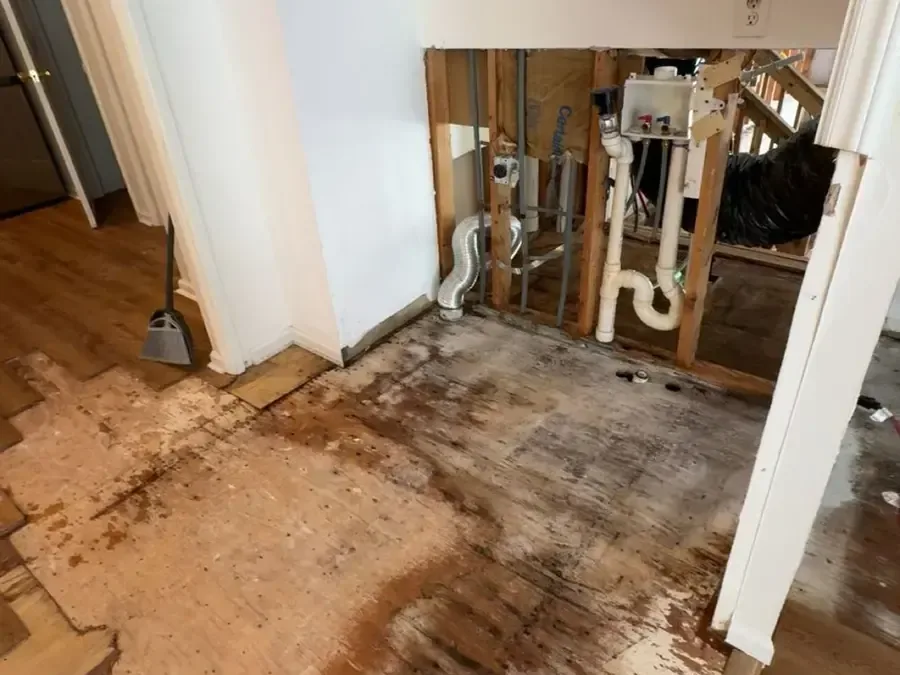
What influences water restoration cost?
A limited clean water job may start near $1,200, while widespread sewage or flood restoration can exceed $15,000. Area, water category, access, materials, removal, cleaning, equipment, and monitoring establish the actual total.
Limited clean water
$1,200 to $3,200
- Source already stopped
- Small measured boundary
- Focused extraction work
Connected room damage
$3,200 to $7,500
- Moisture crossed finishes
- Several controlled zones
- Repeated material checks
Broad contaminated loss
$7,500 to $15,000+
- Access restrictions
- Porous debris removal
- Cleaning before drying
These ranges support an early estimate, not a quote. Try the water damage cost calculator to compare major scope factors.
Water restoration across the community
Nearby places and corridors
ZIP coverage areas
Nearby communities
Share the source and affected rooms
A helpful project description states whether water continues to enter, which spaces show visible change, and whether sewage, outdoor water, electricity, or a sagging ceiling is involved.
Services remain limited to water and sewage extraction, contamination controls, careful material access, structural drying, and the records used to explain completion.
Norco, LA · [email protected]
Heavy rain can affect building materials quickly
Heavy rain, river conditions, humidity, and freezes warrant preparation; an inspection still establishes the source of each property loss.
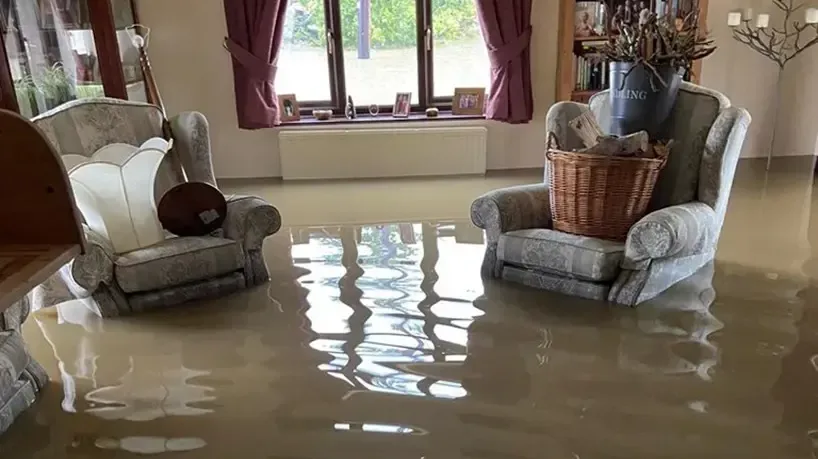
December 2018 rain: A slow cold front dropped up to 9 inches in about two hours, and reporting identified damage to 19 homes around the community.
- 01Short, intense rainfall The event affected sheetrock, baseboards, cabinets, carpet, and doors in one home, showing why boundaries should extend beyond standing water.
- 02River and spillway setting The Bonnet Carre Spillway carries Mississippi River water toward Lake Pontchartrain during flooding, but each building needs its own inspection.
- 03Public response context St. Charles Parish public works, wastewater, and waterworks responded during the event; that fact does not identify a private source.
- 04Damp replacement air Dehumidification keeps outdoor humidity from slowing moisture release after wet materials are exposed and liquid water is removed.
- 05Occasional freezing weather Regional advice emphasizes insulating exposed pipe, draining outdoor hoses, sealing cold air openings, and knowing the master shutoff location.
Norco Water Damage Questions
Water still spreading?
Control a safe source first, keep clear of hazards, and let measurements establish the extraction and drying boundary.
(888) 417-5665Request a moisture assessmentWhen should standing water be removed?
Standing water warrants prompt action after electrical and structural concerns are addressed. Extraction limits further movement, but technicians must still test adjoining floors, walls, cabinets, and concealed spaces for damp material.
How is hidden moisture located?
Thermal imaging can reveal patterns that deserve attention. Moisture meters confirm the affected materials, and testing continues outward until comparable dry construction provides a practical boundary for the work.
Must every wet wall come out?
No. Material condition, water category, access, and measurable progress shape removal. Sound wallboard may remain when it can be cleaned or dried, while weak or contaminated material may require controlled disposal.
Why are sewage losses isolated?
Wastewater can carry harmful contamination. Restricting movement, removing affected porous materials, physically cleaning retained surfaces, and controlling airflow protect the prepared work area before normal drying begins.
What does a dehumidifier do?
Wet construction releases vapor as air moves across it. A dehumidifier captures that vapor so the room does not simply redistribute moisture into other surfaces or connected spaces.
How is drying completion established?
The drying team repeats readings at marked locations and compares results with appropriate reference materials or goals. A dry appearance, low odor, or comfortable room alone cannot verify concealed assemblies.
What records help with an insurance claim?
Keep source and repair information, photographs, room diagrams, material notes, equipment records, progress readings, completion values, invoices, and written communication together in one event file.
Is storm water treated like clean supply water?
No. Outside water can bring sediment and other contamination into porous finishes and cavities. Entry controls, removal choices, cleaning, and drying should reflect that exposure rather than the water's appearance.
Which details shape the project price?
Water source, contamination, affected area, finish layers, access, contents, extraction needs, demolition, cleaning, equipment, power, and monitoring all contribute to the final site-specific scope.
Put a measured plan behind the cleanup
Local technicians combine safe extraction, controlled cleaning, careful access, structural drying, and clear evidence from the affected materials.