Sewage Backup Cleanup in Norco, LA
A drain overflow changes the safety plan for the whole affected zone. Cleanup controls foot traffic, removes wastewater and unsafe porous materials, cleans retained surfaces, and confirms that preparation is complete before drying begins.
(888) 417-5665Secure the affected zone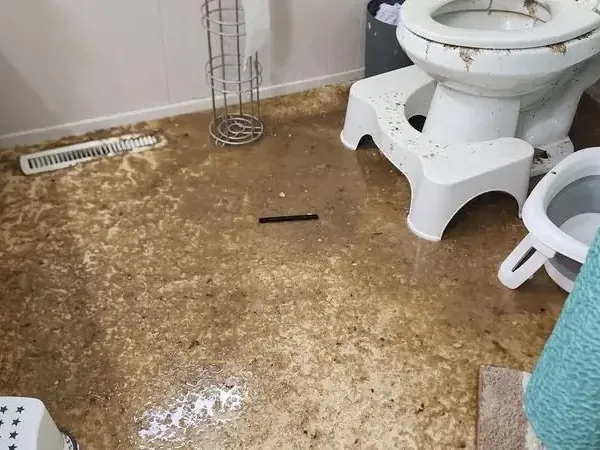
Why the sewage backup cleanup plan follows the water
Rapid local response
The response team dispatches 24/7 for active water and starts with source control, safety and a full moisture boundary.
IICRC S500 drying standard
The drying team sets category and class, chooses equipment for the evaporation load and verifies progress with daily readings.
Claim-ready documentation
The record can include the source, room diagram, moisture map, category, class, daily logs and photos before removal.
River Parish water knowledge
The crew plans for tropical rain, storm surge, humid air, supply failures and occasional freezing conditions.
How sewage backup is handled in Norco
Establish a safe boundary
Access, protective practices, debris paths, utilities, and clean room protection are set before contaminated materials are disturbed.
Extract and remove
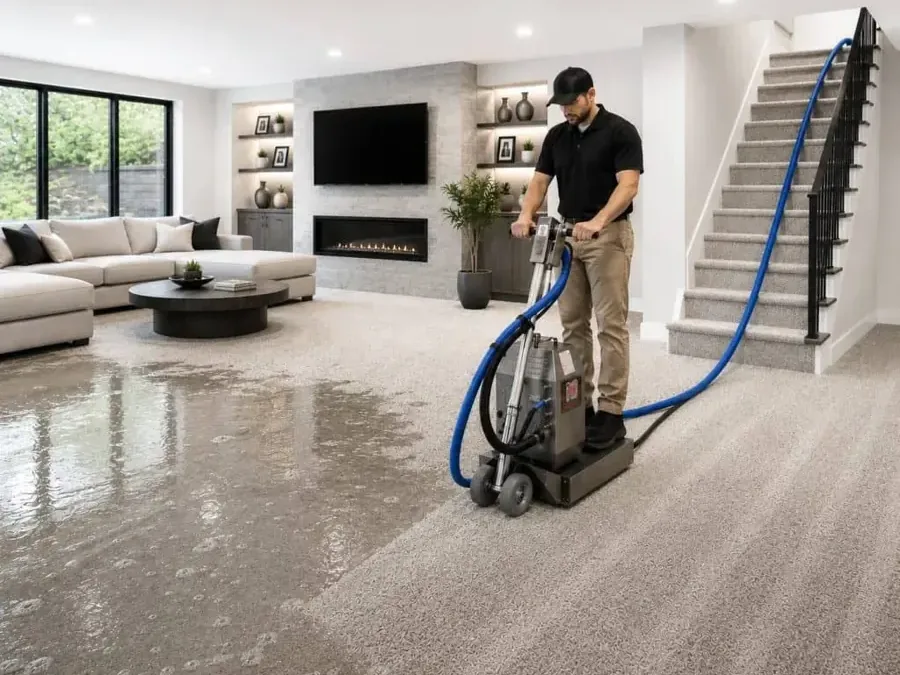
Wastewater is recovered, and porous materials that cannot be cleaned effectively are taken out under controlled conditions.
Physically clean retained surfaces
Remaining hard construction is cleared of soil and cleaned at seams, edges, joints, and other reachable contact points.
Dry the prepared structure
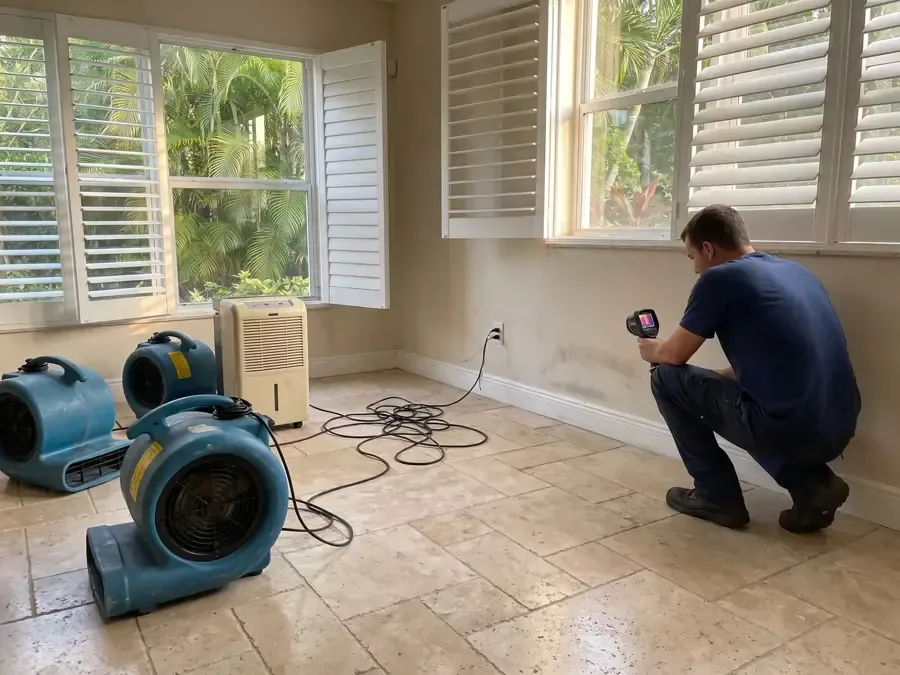
Air and dehumidification begin after cleaning, with repeat readings used to confirm retained materials have reached project goals.
First steps for sewage backup cleanup in Norco
Keep everyone out
Close access to the affected room and prevent children or animals from crossing wastewater. Avoid carrying wet belongings into clean parts of the building.
Avoid electrical contact
Do not touch outlets, appliances, cords, or fixtures exposed to wastewater. Qualified professionals should address unsafe utilities before cleanup work proceeds.
Do not use household equipment
Household vacuums and fans can expose users or spread contaminated droplets and air. Leave extraction and airflow choices to properly controlled cleanup work.
Save visible evidence safely
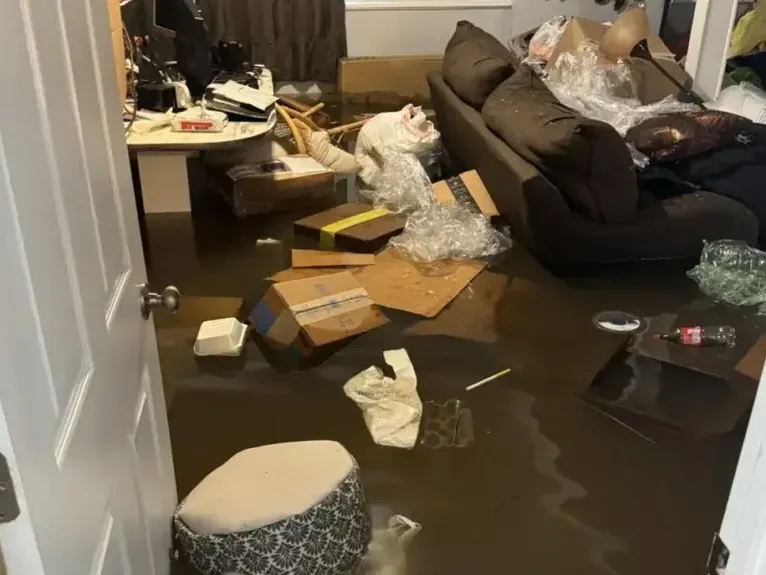
Take broad photographs from outside the affected zone if conditions allow. Record the time discovered and any known drain event without walking through sewage.
Wastewater can spread contamination across shoes, tools, porous finishes, and connected rooms. The first task is to define who may enter and how debris leaves. In Norco, the crew coordinates cleanup access with the plumbing diagnosis and records the affected drain or fixture and the rooms reached by wastewater. St. Charles Parish departments handle public wastewater issues. The community water service hub explains extraction, sewage cleanup, and the drying work that follows.
What does sewage backup cleanup cost in Norco, LA?
Sewage backup cleanup commonly ranges from $2,200 to $12,000 or more. Overflow area, porous materials, access controls, extraction, debris handling, cleaning, drying, and documentation determine the final scope.
Focused loss
$2,200 to $5,396
- Single controlled area
- Limited porous removal
- Accessible hard surfaces
Multi-room loss
$5,396 to $8,400
- Wastewater crossed rooms
- Expanded containment needs
- Several material groups
Complex loss
$8,400 to $12,000+
- Broad contaminated spread
- Extensive debris handling
- Structural drying required
Ranges are typical, not a quote: category of water, square footage, material class and how fast drying started move the number most. Run the water damage cost calculator for a closer range.
Control movement before disturbing the loss
People and animals should remain outside the affected room. Workers establish an entry point, protective practices, and a path for removed material that does not cross clean living areas when another route is practical. Open doors, uncontrolled fans, and casual foot traffic can carry contamination beyond the original boundary.
Electrical hazards and unstable finishes are evaluated before extraction begins. The response team notes visible wastewater, splash areas, porous contents, and openings into wall or floor cavities. A plumber addresses the drain obstruction or failed component. Restoration workers handle the contaminated water and building materials after the source condition is understood.
- Restrict access with a clear work boundary
- Protect clean rooms and equipment routes
- Identify splash, track, and overflow areas
- Coordinate drain correction before repeated discharge
- Photograph conditions before debris is moved
Remove what cannot be safely restored
Carpet pad, swollen composite products, heavily affected wallboard, and other porous materials may not be suitable for retention after sewage contact. Decisions consider material type, depth of exposure, physical condition, and whether every surface can be reached for cleaning. Controlled removal follows the affected area instead of stripping unrelated finishes.
Contents receive separate decisions from structural materials. A hard, nonporous item may be cleaned when all surfaces are accessible. Absorbent belongings with direct contact often require conservative handling. Workers package debris within the controlled zone and preserve a list or photographs so the owner has a record of what left the property.
- Separate porous and nonporous materials
- Open cavities only where contamination or moisture requires it
- Bag debris before transport through the property
- Keep an itemized disposal record
- Protect unaffected framing during removal
Clean retained surfaces before applying drying air
Extraction removes liquid but does not complete sewage remediation. Remaining hard surfaces need physical soil removal and cleaning appropriate to the material. Edges, fastener recesses, framing joints, and rough surfaces deserve attention because residue can remain after a broad wipe. The crew checks the area under adequate light before treating it as prepared.
Only then can managed airflow and dehumidification support structural drying. Air should not blow from a dirty zone toward occupied space. The controlled area around Diamond, Airline Highway, or Norco Elementary School follows the same sequence: remove, clean, inspect, and dry. These local names do not imply a recurring drain condition.
- Remove visible soil before surface treatment
- Reach corners, seams, and irregular framing faces
- Keep negative or controlled airflow directed safely
- Verify the zone is ready before drying equipment runs
- Record retained materials and cleaning steps
After physical cleaning, the supervisor inspects the zone for remaining soil, inaccessible voids, and material that lost integrity during exposure. Corrections happen before drying begins. This pause creates a clean transition in the project record between contamination work and moisture reduction. The documented inspection also identifies any edge or cavity that remains inaccessible before equipment placement begins.
Document the source and cleanup as separate facts
A strong file identifies the observed overflow, the plumber's findings, rooms affected, water travel, materials removed, and surfaces retained. Photographs before and after preparation show the change more clearly than a general completion statement. Moisture readings then track drying in cleaned framing, subfloor, and other structural components.
Coverage depends on policy language and cause, so no restoration worker can decide that question. The owner can report the event and ask the insurer which records are needed. The crew contributes factual notes, disposal information, equipment logs, and completion measurements. The main sewage cleanup page offers additional process context without replacing a property assessment. A final check of the debris route confirms that removed material and wastewater have left no visible residue in adjoining clean spaces.
Sewage backup cleanup across Norco and nearby communities
Sewage cleanup serves properties around Diamond, Airline Highway, Norco Elementary School, and the Bonnet Carre Spillway. Source findings and on-site contamination define the controlled boundary.
The same service nearby: sewage backup cleanup in LaPlace, Destrehan, Luling.
Related water damage services in Norco
Sewage Backup Cleanup questions in Norco, LA
Wastewater reached finished rooms?
The affected area is isolated before wastewater, contaminated materials, and debris are removed.
(888) 417-5665Arrange controlled sewage cleanupCan sewage be cleaned with household products?
Household wiping does not address wastewater inside porous finishes, cavities, seams, or flooring layers. Safe work requires access control, extraction, material decisions, physical cleaning, and verified structural drying. The protected boundary stays documented.
Should carpet remain after direct contact?
Carpet and pad are porous and difficult to restore after sewage exposure. Condition, contact, backing, and the broader assembly must be evaluated, with removal often being the safer decision.
Why are fans delayed?
Uncontrolled airflow can spread contamination from a dirty surface or cavity. The zone is first extracted, cleared of unsafe porous materials, and physically cleaned before managed drying air is introduced.
Who clears the blocked drain?
A plumbing professional diagnoses and corrects the drain or fixture problem. The restoration team manages wastewater, affected materials, detailed surface cleaning, controlled drying, and the complete documented mitigation record.
Are hard surfaces always recoverable?
Not always. A surface must be sound, accessible on affected faces, and suitable for effective cleaning. Cracks, hidden voids, coatings, and physical damage can change the decision.
What belongs in the cleanup record?
Useful records include source findings, initial photographs, a room map, removed material details, cleaning notes, equipment logs, moisture readings, completion photographs, invoices, and insurer communication. Access limitations and cleaning details help explain the sequence.
Keep contamination inside a managed work boundary
The cleanup team restricts entry, removes wastewater and unsafe porous material, cleans retained construction, and verifies drying with carefully recorded readings.