Water Extraction and Removal in Norco, LA
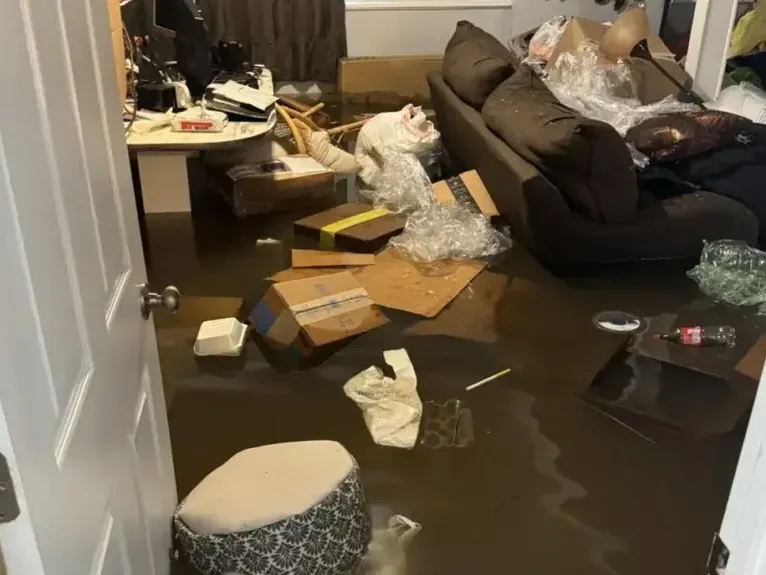
Standing water can cross thresholds and slip beneath finishes before the surface looks severe. Extraction starts with the deepest accessible water, then follows damp material into edges, walls, cabinets, and connected spaces.
(888) 417-5665Map and remove the water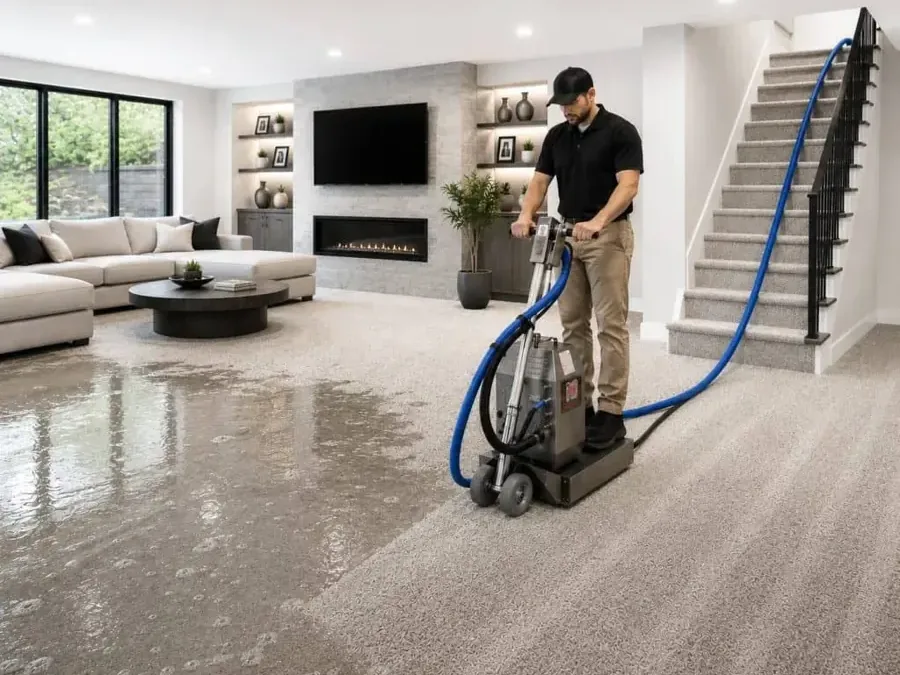
Why the water extraction and removal plan follows the water
Rapid local response
The response team dispatches 24/7 for active water and starts with source control, safety and a full moisture boundary.
IICRC S500 drying standard
The drying team sets category and class, chooses equipment for the evaporation load and verifies progress with daily readings.
Claim-ready documentation
The record can include the source, room diagram, moisture map, category, class, daily logs and photos before removal.
River Parish water knowledge
The crew plans for tropical rain, storm surge, humid air, supply failures and occasional freezing conditions.
How water extraction and removal is handled in Norco
Assess hazards and source
The crew identifies electrical, structural, and contamination concerns before selecting safe access and recovery routes.
Extract by material
Tools matched to carpet, hard finishes, edges, and confined areas remove the greatest practical amount of liquid.
Draw the moisture boundary
Direct readings show where water crossed into walls, cabinets, flooring, and adjoining rooms after visible pools disappear.
Set the drying handoff
Marked monitoring points and retained material notes determine airflow, dehumidification, access, and the next inspection tasks.
First steps for water extraction and removal in Norco
Avoid energized wet areas
Do not enter water near outlets, cords, appliances, or electrical equipment. Qualified help should address power hazards before extraction tools or occupants enter.
Stop only a reachable source
Close a fixture valve or master shutoff when the route is plainly safe. Leave component repair and uncertain controls to the correct trade professional.
Protect the original evidence
Photograph room views, water edges, swollen finishes, and source clues before moving contents. Preserve repair findings and a short event timeline.
Keep contaminated water isolated
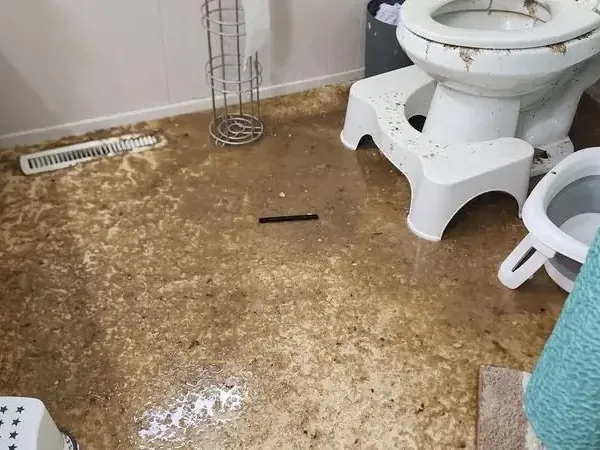
Prevent people and animals from crossing sewage or exterior water. Do not use household vacuums or fans where they could spread contamination into clean spaces.
The visible puddle is only the starting point. Water can move below carpet, through seams, beneath cabinets, and along wall bottoms while an adjacent surface appears unchanged. In Norco, a December 2018 rain event reportedly damaged sheetrock, baseboards, cabinets, carpet, and doors in one home. That documented example supports testing multiple materials rather than treating the open floor as the entire loss. The town restoration hub connects extraction with contamination cleanup and later drying.
What does water extraction and removal cost in Norco, LA?
Water extraction commonly ranges from $1,200 to $6,500 or more. Water depth, affected floor area, finish layers, contamination, access, equipment capacity, and follow-up drying determine the site-specific scope.
Focused loss
$1,200 to $2,926
- Accessible standing water
- Limited finish involvement
- Compact extraction setup
Multi-room loss
$2,926 to $4,550
- Water crossed thresholds
- Several surface types
- Expanded moisture mapping
Complex loss
$4,550 to $6,500+
- Contaminated or deep water
- Concealed material spread
- Broader drying transition
Ranges are typical, not a quote: category of water, square footage, material class and how fast drying started move the number most. Run the water damage cost calculator for a closer range.
Choose extraction for the surface and water condition
Hard flooring, carpet, pad, concrete, and unfinished wood do not release liquid in the same way. A weighted tool can recover water from carpet assemblies, while a squeegee wand may suit a smooth surface. Small tools reach along partitions and fixed cabinetry. Before equipment enters, the crew identifies electrical concerns, loose finishes, and any sewage or outside water that changes protective controls.
Extraction proceeds from accessible pools toward damp boundaries. Technicians make deliberate passes instead of racing across the room, because slower recovery can remove more liquid from absorbent layers. The waste route stays separate from clean areas. When the tank is emptied or hoses are moved, controls remain in place so dirty water is not carried across the property.
- Identify the source and water category before disturbance
- Protect safe walking and equipment routes
- Use attachments that fit each finish and edge
- Check beneath movable contents where access is safe
- Document disposal and retained material conditions
Find the water that no longer looks like standing water
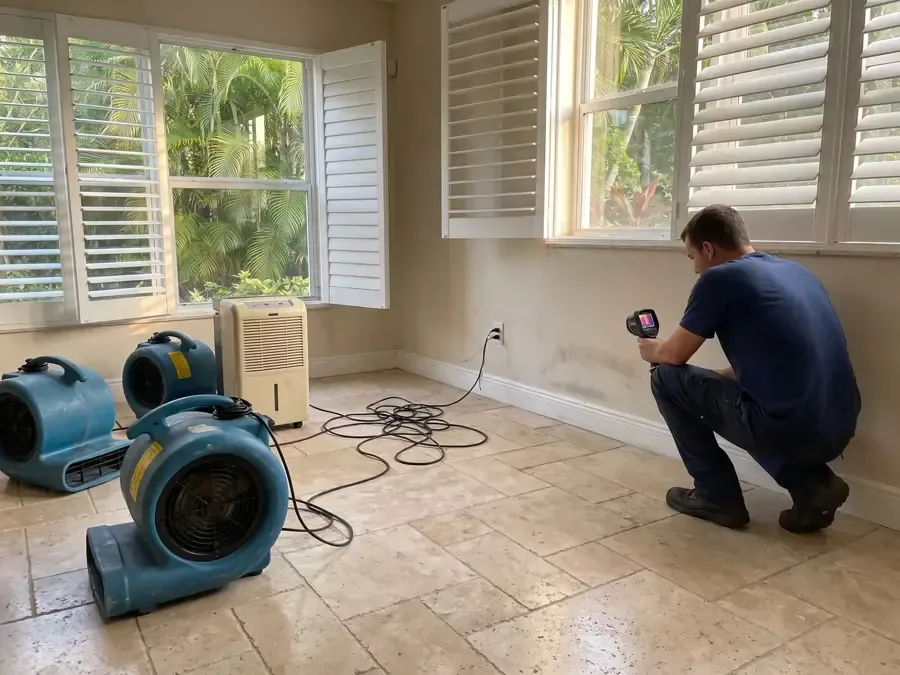
After puddles clear, a meter can reveal moisture inside wallboard, wood, or finish layers. Thermal patterns direct testing toward areas that need closer inspection, followed by readings in the material itself. Cabinet toe spaces, door jambs, transitions, and partition ends receive special attention because they can interrupt airflow or conceal a wet edge.
Around Diamond, Airline Highway, and Norco Elementary School, technicians inspect the affected room and adjoining spaces before drawing the extraction boundary. Readings at floor seams and wall bases show how far water traveled. Each test point is marked on the room sketch, allowing dry areas to stay outside the work zone and damp sections to receive follow-up checks.
- Mark wet and dry comparison points on a room sketch
- Test both sides of thresholds and shared walls
- Inspect accessible cabinet bases and floor seams
- Separate staining from current moisture evidence
- Photograph readings that change the planned scope
Move from recovery to a stable drying plan
Once bulk water is removed, evaporation becomes the main task for retained construction. Air movers direct energy across wet surfaces, and dehumidifiers collect vapor from the controlled space. The arrangement should serve the measured boundary rather than fill every room with equipment. Contaminated material must be removed or cleaned before normal air movement is introduced.
Daily observations show whether wall bases, flooring, concrete, and framing are releasing moisture. Equipment can be shifted when one section improves faster than another. A stubborn point may indicate water trapped behind a finish, inadequate airflow, or missed liquid below a surface. The structural drying service continues this measured process after extraction.
- Establish a dry reference appropriate to each material
- Record room conditions and equipment positions
- Recheck the same marked locations during visits
- Change access when progress stops
- Remove equipment only after targets are documented
Keep the first day understandable later
The extraction record should show the observed source, safety conditions, water classification, affected rooms, initial readings, and work completed. Wide photographs establish context. Detail photographs preserve damage at transitions, cabinets, and finish edges. Notes identify material that remained, material removed, and any area that could not be reached.
Repair findings belong beside the mitigation record but serve a different purpose. A plumber, roofer, or appliance professional explains the failed component. The restoration crew explains water travel and material response. Together, those records help the owner and insurer understand why the work moved from recovery into drying. The main extraction overview provides additional service context. A final pass along floor edges and door transitions checks for liquid draining back from recesses before the crew settles the drying layout.
Water extraction and removal across Norco and nearby communities
Extraction service covers properties near Diamond, Airline Highway, the Bonnet Carre Spillway, and Norco Elementary School. The actual work boundary comes from readings inside each affected building.
The same service nearby: water extraction and removal in LaPlace, Destrehan, Luling.
Related water damage services in Norco
Water Extraction and Removal questions in Norco, LA
Standing water crossing the floor?
The crew checks the water source and wet boundaries before selecting extraction equipment.
(888) 417-5665Arrange focused extractionIs a household wet vacuum enough?
A small vacuum may remove a minor clean spill, but it does not classify water, reveal spread beneath finishes, or verify structural materials. Sewage, outside water, and electrical concerns require professional controls.
Why test after the puddle is gone?
Liquid can remain inside carpet pad, seams, wallboard, cabinets, and floor layers. Direct readings locate that retained moisture and prevent the work boundary from ending at the visible edge.
Can carpet be extracted and kept?
Retention depends on water category, carpet condition, backing, pad, installation, and whether the assembly can be cleaned and dried. Sewage contact usually requires more conservative removal decisions.
How is water removed near cabinets?
Small extraction tools recover accessible liquid at toe spaces and edges. Technicians then test cabinet components, wall contact points, and flooring below to decide whether limited access is needed.
What happens after extraction?
Retained moisture is managed with controlled airflow, dehumidification, selective openings, and repeated material measurements. Cleaning and contaminated material removal come before normal drying in dirty water losses.
What should an owner save?
Keep photographs, source repair findings, initial moisture records, room diagrams, disposal notes, equipment logs, completion readings, invoices, and written communication together for a consistent project history. Include access limits and any material that could not be tested.
Recover liquid and mark every damp edge
The extraction crew matches tools to the surface, checks connected materials, and leaves a clear moisture map for the drying phase.