Structural Drying and Dehumidification in Norco, LA
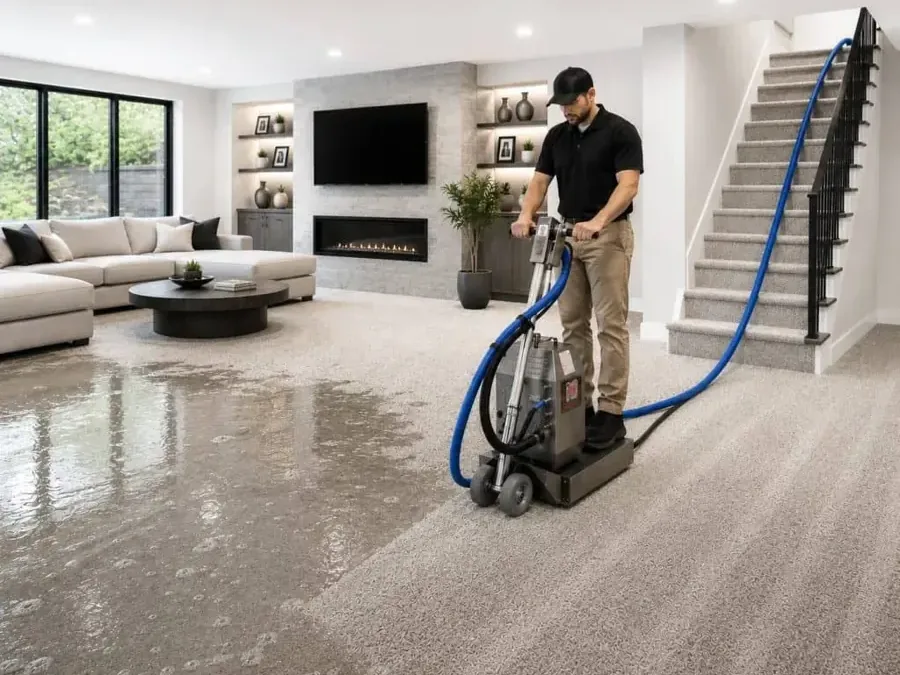
Drying is a measured change inside wood, wallboard, concrete, cabinets, and floor layers. Directed airflow releases moisture, dehumidification captures vapor, and repeated material readings show whether access and equipment remain effective over time.
(888) 417-5665Build a drying map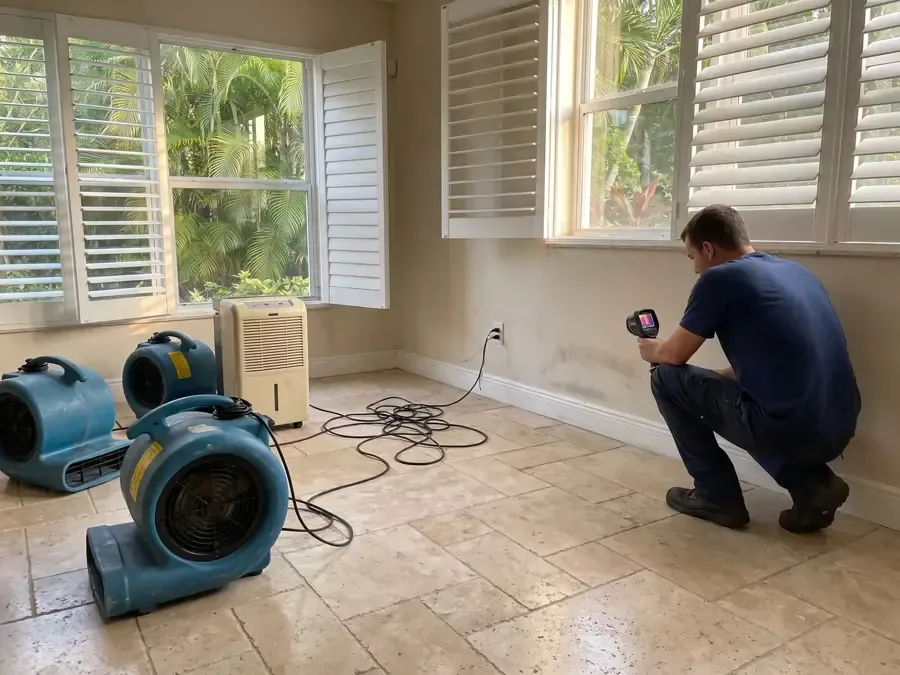
Why the structural drying and dehumidification plan follows the water
Rapid local response
The response team dispatches 24/7 for active water and starts with source control, safety and a full moisture boundary.
IICRC S500 drying standard
The drying team sets category and class, chooses equipment for the evaporation load and verifies progress with daily readings.
Claim-ready documentation
The record can include the source, room diagram, moisture map, category, class, daily logs and photos before removal.
River Parish water knowledge
The crew plans for tropical rain, storm surge, humid air, supply failures and occasional freezing conditions.
How structural drying and dehumidification is handled in Norco
Create the moisture map
Direct readings identify affected materials, close the boundary, and establish comparison points before the equipment layout is chosen.
Open blocked assemblies
Limited access exposes damp layers that intact finishes, cabinets, insulation, or thresholds prevent from drying and being measured.
Control air and vapor
Air movement releases moisture from clean surfaces while dehumidification captures vapor inside the managed work environment.
Adjust from recorded trends
Repeat values show whether the setup works, where a material has plateaued, and when documented completion permits equipment removal.
First steps for structural drying and dehumidification in Norco
Keep the source controlled
Confirm plumbing, roof, drain, or appliance repair before relying on drying equipment. Continuing water can hide progress and expand the material boundary.
Leave equipment in position
Do not unplug, redirect, or move air movers and dehumidifiers unless safety requires it. Changes can interrupt the planned air path and monitoring record.
Keep doors and barriers as set
Open doors or removed containment can change the controlled environment. Follow the technician's access instructions and report any necessary room use.
Report new moisture signs
Mention fresh stains, odors, drips, or changing finishes promptly. A new observation may indicate retained water, another source, or a blocked drying path.
A room can feel comfortable while a cabinet base, sill, concrete section, or subfloor remains damp. Structural drying therefore begins with material readings, not an equipment count. In Norco, humid South Louisiana conditions and storm moisture make vapor control especially relevant, yet the actual setup still comes from the building. The local water damage hub connects drying with the source-specific cleanup completed first.
What does structural drying and dehumidification cost in Norco, LA?
Structural drying commonly ranges from $1,600 to $8,200 or more. Material types, affected volume, access, environmental control, equipment capacity, power, and monitoring duration determine the final scope.
Focused loss
$1,600 to $3,724
- Small measured boundary
- Direct surface access
- Compact equipment plan
Multi-room loss
$3,724 to $5,740
- Several material groups
- Multiple drying zones
- Regular layout changes
Complex loss
$5,740 to $8,200+
- Concealed assemblies
- Selective access required
- Broad vapor management
Ranges are typical, not a quote: category of water, square footage, material class and how fast drying started move the number most. Run the water damage cost calculator for a closer range.
Define the materials and the boundary
Technicians identify each affected assembly and choose meter methods suited to it. Thermal imaging can reveal useful temperature patterns, but direct readings confirm moisture. Testing extends beyond stains and room borders until comparable unaffected construction provides practical reference points.
The map may include wallboard, framing, flooring, concrete, insulation, and cabinetry. These materials do not share one completion number. A reading must be interpreted with its material, location, meter mode, and reference. Marked points allow later visits to compare the same place instead of sampling randomly.
- List every retained material within the loss
- Confirm thermal patterns with direct measurement
- Mark affected and reference locations
- Separate surface readings from concealed layers
- Photograph boundaries before equipment placement
Give moisture a practical path out
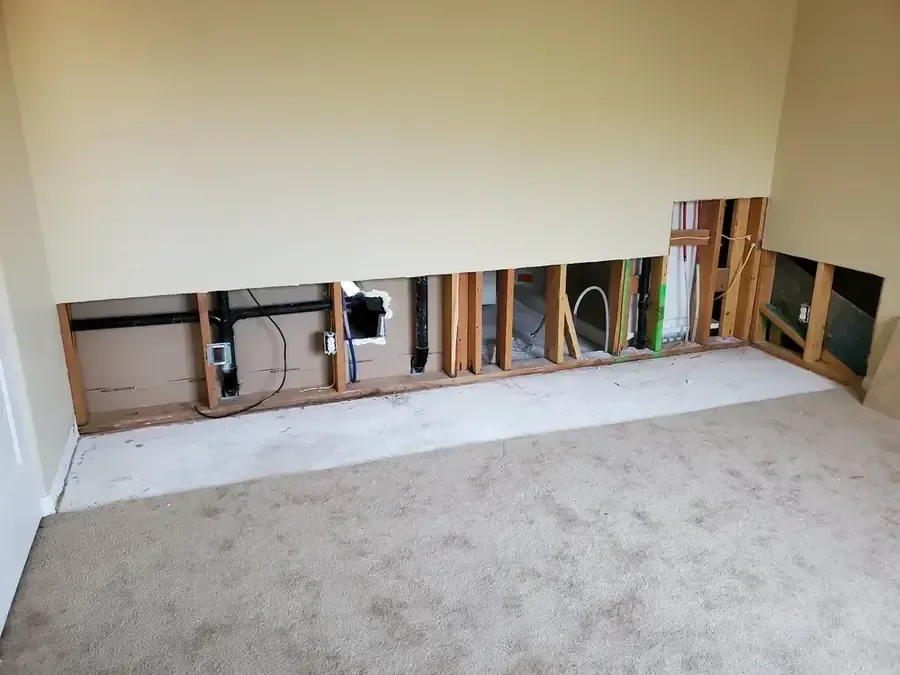
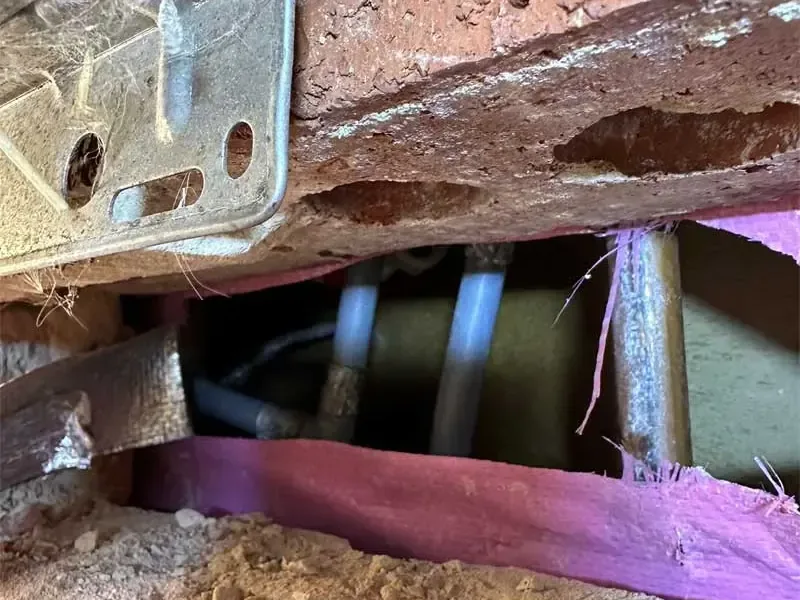
Air movement encourages evaporation only when it reaches a wet surface. Base trim, vinyl coverings, cabinets, insulation, and intact wall layers can obstruct that path. Selective access may involve removing a failed finish, opening a toe space, lifting a transition, or exposing a cavity at a limited point.
The opening follows evidence and material condition. Broad removal is not a drying strategy by itself. Sound, clean material can remain when airflow reaches it and readings improve. Contaminated or physically failed material must be handled before normal drying air is introduced.
- Identify finishes that block evaporation
- Create the smallest effective access path
- Protect dry material beyond the boundary
- Clean dirty surfaces before air movement
- Keep test points available for monitoring
Balance evaporation with vapor removal
Air movers increase evaporation from exposed damp surfaces. Dehumidifiers collect that released vapor so it does not accumulate in the work zone or move into other materials. Temperature, enclosure, outdoor air, and equipment placement affect the balance. More airflow is not automatically better when it bypasses the target or disturbs contamination.
Properties around Diamond, Airline Highway, and the Bonnet Carre Spillway receive custom layouts. Those local places do not determine equipment quantities. The crew records room conditions, machine locations, and material readings, then changes the setup when data shows an uneven response.
- Point air across rather than away from damp surfaces
- Contain vapor within a manageable zone
- Keep equipment paths clear and safe
- Compare daily room and material conditions
- Move equipment as zones reach goals
Use trends to decide what happens next
A useful monitoring record shows change over time. Falling readings support the existing approach. Flat or rising readings can point to a missed source, trapped liquid, blocked access, poor air distribution, or unsuitable environmental control. The technician investigates the reason before simply adding more equipment.
Completion is documented at the same targets used during the project. The file can include initial mapping, access decisions, equipment logs, daily values, photographs, and final comparisons. The main structural drying page describes the broader relationship between air movement and dehumidification.
- Return to consistent points at each visit
- Explain plateaus and equipment changes
- Confirm the original source remains controlled
- Record goals for every material group
- Remove equipment after evidence supports completion
Drying records become especially useful when repair trades return after mitigation. A finish installer can see which layer was exposed, where reference readings were taken, and whether a cavity remained accessible. That handoff reduces uncertainty without claiming that restoration measurements replace a repair inspection.
Equipment removal is also documented by zone. Photographs show the final material condition, while notes identify cosmetic staining, unfinished repair edges, or unrelated deterioration separately from current moisture. The result is a readable transition from drying to reconstruction rather than a simple statement that all drying machines were picked up from the building. Each equipment change is tied to the readings from that zone, giving the repair contractor a clear account of how the materials responded.
Structural drying and dehumidification across Norco and nearby communities
Structural drying serves properties around Diamond, Airline Highway, Norco Elementary School, and the Bonnet Carre Spillway. Material readings inside the building determine equipment and access needs.
The same service nearby: structural drying and dehumidification in LaPlace, Destrehan, Luling.
Related water damage services in Norco
Structural Drying and Dehumidification questions in Norco, LA
Materials still damp after extraction?
Material readings show where airflow or dehumidification needs adjustment and when drying is complete.
(888) 417-5665Request a measured drying planWhy are moisture meters needed?
Materials can remain damp after surfaces look normal. Direct readings establish the boundary, track change at consistent points, and provide evidence for access and completion decisions.
What does a dehumidifier accomplish?
It removes water vapor released by wet materials into the controlled air. Without effective vapor removal, evaporation can slow and moisture may redistribute to other surfaces.
Are more air movers always better?
No. Air must reach clean wet surfaces at useful angles without bypassing targets or disturbing contamination. Layout quality and vapor balance matter more than equipment count alone.
Why might a wall need an opening?
Paint, trim, insulation, cabinets, or layered finishes can block airflow and measurement. A limited opening may expose the wet cavity while preserving dry surrounding material.
What causes a reading to stop improving?
Possible causes include another source, trapped liquid, missed material, poor airflow, inadequate vapor control, or blocked access. The setup should be investigated and adjusted.
How are dry goals selected?
Technicians consider material type, meter method, unaffected comparison areas, and project conditions. Concrete, wood, wallboard, and cabinets are not judged by one shared number.
What is included in the drying record?
The file can contain the initial map, reference points, access notes, equipment positions, room conditions, daily material readings, adjustment reasons, photographs, and completion values.
Turn equipment placement into documented material progress
The drying team maps each assembly, creates practical access, balances airflow with vapor removal, and changes the setup from repeat readings.