Crawl Space Water Removal in Norco, LA
Water below a raised floor can affect soil, insulation, joists, subfloor, and utilities in a confined work area. Removal starts with safe entry and source assessment, then tracks overhead materials until readings stabilize.
(888) 417-5665Assess below-floor water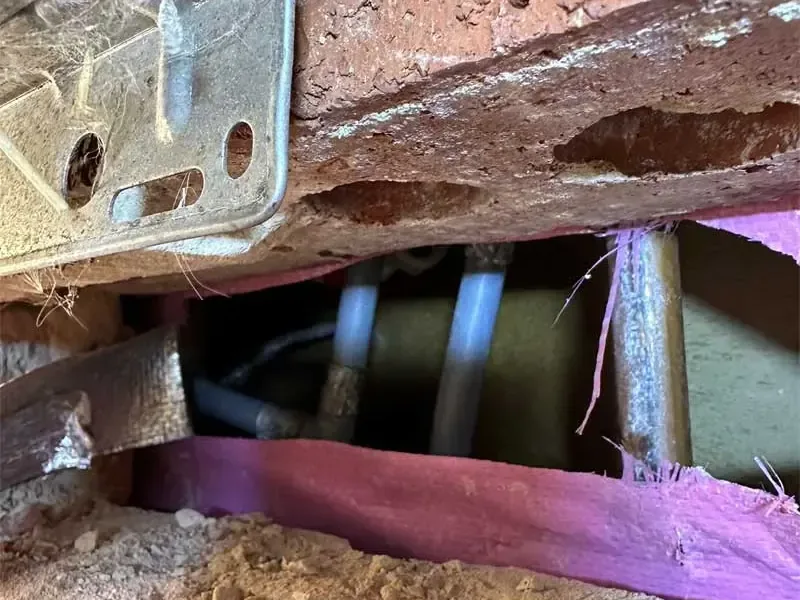
Why the crawl space water removal plan follows the water
Rapid local response
The response team dispatches 24/7 for active water and starts with source control, safety and a full moisture boundary.
IICRC S500 drying standard
The drying team sets category and class, chooses equipment for the evaporation load and verifies progress with daily readings.
Claim-ready documentation
The record can include the source, room diagram, moisture map, category, class, daily logs and photos before removal.
River Parish water knowledge
The crew plans for tropical rain, storm surge, humid air, supply failures and occasional freezing conditions.
How crawl space water removal is handled in Norco
Evaluate access and hazards
Utilities, water depth, footing, structure, animals, debris, and the exit route are assessed before anyone enters the confined space.
Pump and clear the work zone
Accessible water is removed in stages, and debris or failed insulation is handled when it blocks safe cleaning and inspection.
Map the underside materials
Joists, subfloor, sill areas, insulation, and penetrations receive direct readings across the affected and comparison areas.
Dry and revisit marked points
Air and vapor controls are adjusted to material response until retained wood reaches documented goals at consistent test locations.
First steps for crawl space water removal in Norco
Stay outside the access opening
Do not enter standing water beneath a building or reach around electrical and utility components. Confined access and uncertain footing require a professional safety assessment.
Stop a reachable plumbing source
Use the master shutoff only when it is safely accessible above grade. A plumber should diagnose and repair exposed or concealed pipe failures.
Keep discharge away from the building
Do not improvise a pump route that returns water toward the crawl space or moves contaminated water across occupied areas.
Record conditions from outside
Photograph visible water, marks, insulation, debris, and the access area without entering. Note rain or plumbing circumstances for the later source assessment.
A crawl space is a confined work area, not simply another wet room. Limited height, loose soil, utility components, debris, and difficult exits can change the removal plan. Regional winter advice identifies crawl spaces as places where exposed pipe may need insulation, but no foundation type is assumed for Norco buildings. Service applies only where this construction exists. The town water damage hub lists other options for floor and pipe losses.
What does crawl space water removal cost in Norco, LA?
Crawl space water removal commonly ranges from $1,700 to $9,000 or more. Access, water depth, contamination, debris, insulation, framing moisture, equipment placement, and monitoring determine the final scope.
Focused loss
$1,700 to $4,066
- Accessible shallow water
- Limited framing area
- Minimal debris handling
Multi-room loss
$4,066 to $6,300
- Several floor bays
- Insulation evaluation
- Expanded vapor control
Complex loss
$6,300 to $9,000+
- Difficult confined access
- Contaminated water or debris
- Broad framing drying
Ranges are typical, not a quote: category of water, square footage, material class and how fast drying started move the number most. Run the water damage cost calculator for a closer range.
Decide whether the space can be entered safely
Technicians inspect the access opening, visible standing water, electrical components, damaged supports, animals, sharp debris, and air conditions before entering. Deep water may conceal holes or unstable soil. Pumps and hoses should be positioned without blocking the exit or sending discharge back toward the structure.
The likely source is considered before removal begins. A plumbing release, exterior entry, drainage issue, and sewage event require different repair coordination and contamination controls. The restoration crew records water marks, debris, insulation condition, and the underside of the floor from safe viewpoints.
- Keep the access opening clear
- Identify electrical and structural concerns
- Determine whether contamination is present
- Choose a controlled pump route
- Photograph conditions before water level changes
Remove water without disturbing the site unnecessarily
Pumping lowers deeper water, while smaller extraction tools handle shallow areas that are accessible from stable footing. The rate and route reflect the conditions found. Workers avoid dragging dirty hoses through occupied rooms and keep removed debris within a managed handling path.
Soil can remain damp after visible pools are gone, but the drying target focuses on affected building materials. Mud, fallen insulation, and organic debris are cleared where they interfere with cleaning, inspection, or airflow. Sewage or outside water calls for protective controls and more conservative material decisions.
- Pump from the safest accessible low area
- Recover shallow water where equipment can reach
- Remove debris that blocks inspection
- Separate contaminated waste from clean routes
- Record remaining access limitations
Read the floor assembly from below
Joists, subfloor, sill areas, insulation, and penetrations can each hold different amounts of moisture. Insulation may hide the underside or keep dampness against wood. Technicians select direct meter points across the observed water boundary and compare them with appropriate dry wood inside the same structure.
At properties near Diamond, Airline Highway, and the Bonnet Carre Spillway, the crawl space inspection follows water across supports and the floor system above. When insulation blocks access or has lost condition, controlled removal may be necessary. Sound, dry material remains undisturbed, and each opening is documented before drying equipment is placed.
- Map joists and subfloor independently
- Inspect plumbing and duct penetrations
- Evaluate insulation for access and condition
- Mark readings at consistent framing locations
- Check the occupied floor above for effects
Manage vapor beneath the structure
Air movement must travel across wet building surfaces rather than merely stirring humid air below the floor. Dehumidification or other vapor control is planned around access, enclosure, outdoor conditions, and the selected drying zone. Equipment must not introduce electrical or exhaust hazards into the space.
Technicians return to the same joist and subfloor points to track progress. Photographs show equipment layout, material removal, and final condition. A stalled section may require better access or a revised air path. The structural drying service explains how these readings support changes over time.
- Direct air along exposed damp wood
- Control vapor within the practical work zone
- Keep monitoring points visible
- Adjust airflow when one bay lags
- Save completion values with source records
The final inspection includes the access opening, pump route, removed debris area, insulation edges, and every marked wood target. Notes distinguish damp soil from retained building materials so the completion decision remains focused on structure. Any inaccessible bay is identified plainly rather than treated as fully verified without direct evidence.
After equipment leaves, the owner receives a record of source information, initial water conditions, material handling, drying setup, readings, and final photographs. Repair or insulation replacement can then proceed from documented conditions instead of memory about what the confined space looked like.
Completion notes preserve the last underfloor values by framing location.
Crawl space water removal across Norco and nearby communities
Crawl space water removal is available near Diamond, Airline Highway, Norco Elementary School, and the Bonnet Carre Spillway where a building has this confirmed construction type.
The same service nearby: crawl space water removal in LaPlace, Destrehan, Luling.
Related water damage services in Norco
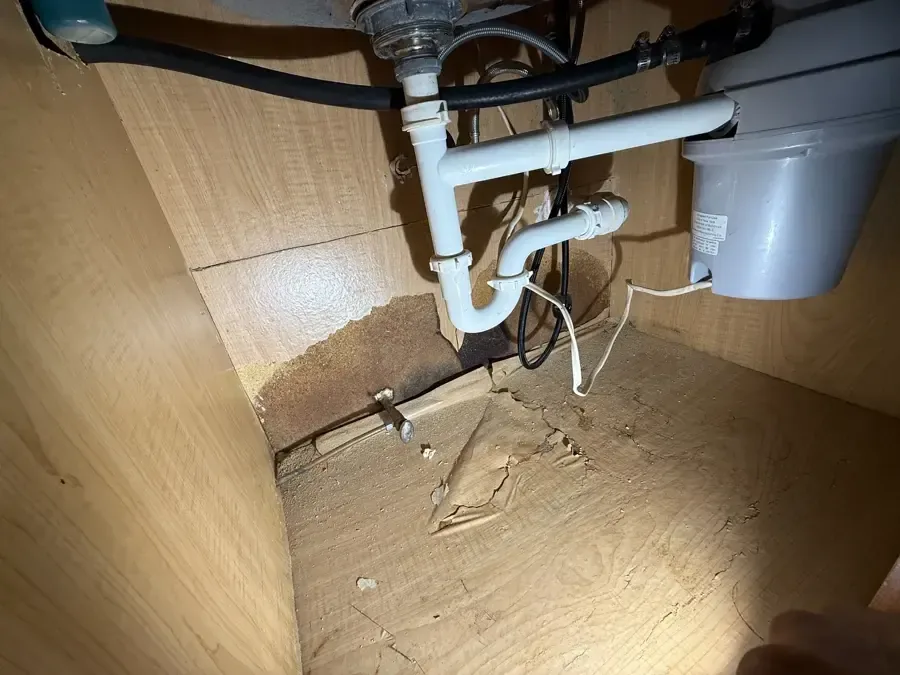
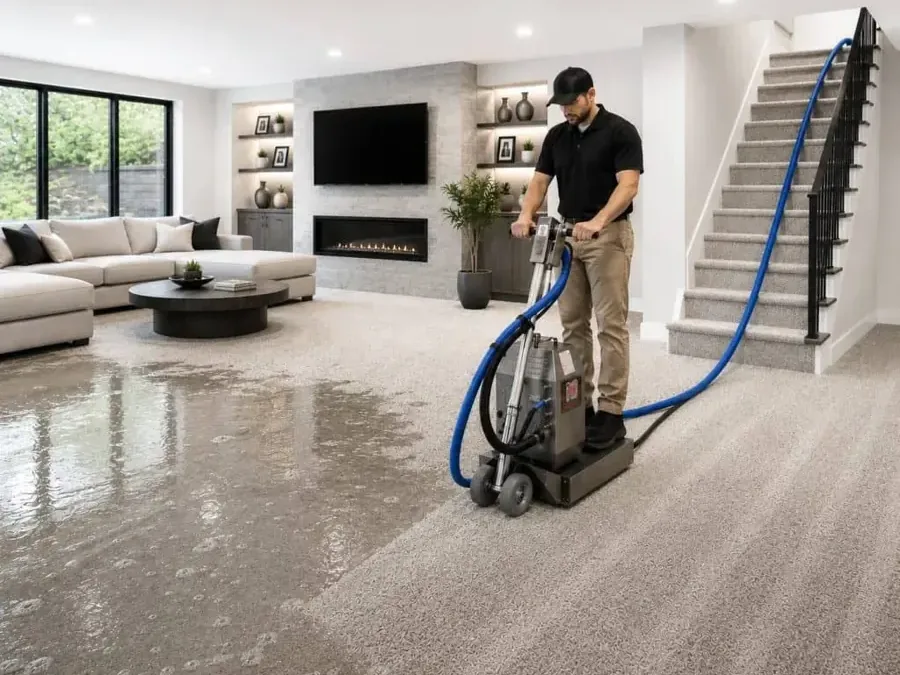
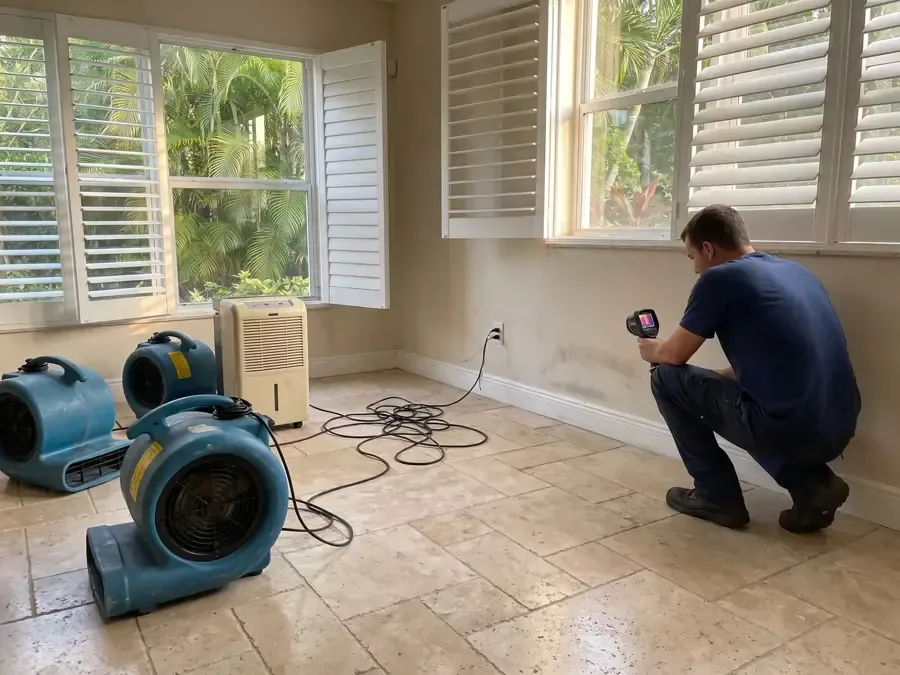
Crawl Space Water Removal questions in Norco, LA
Water visible below the floor?
Access and electrical hazards are checked before pumping beneath the floor and testing damp wood.
(888) 417-5665Request a safe access assessmentIs it safe to enter standing water below a house?
Not without assessing electricity, structural stability, footing, contamination, animals, debris, and the exit. Confined wet spaces can combine several hazards that are not visible from outside.
Does every local property have a crawl space?
No such assumption is appropriate. This service applies where the building has an accessible below-floor space. The construction type is confirmed at the property.
Can wet insulation remain?
It depends on material type, contamination, physical condition, access, and whether the wood behind it can be inspected and dried. Failed or obstructive insulation may need removal.
Why measure the subfloor from below?
Underside readings reveal moisture that may not show through the finished room above. Joists and subfloor are tracked separately because their response can differ.
Can freezing affect exposed pipe?
Regional utility guidance says freezing increases the chance exposed pipes may crack or burst and identifies crawl spaces as a place to consider insulation. Site diagnosis is still required.
Where is pumped water discharged?
The route must avoid sending water back toward the structure, crossing clean occupied areas, or creating another unsafe condition. Site constraints determine the practical controlled route.
What proves the space is dry?
Technicians repeat readings at marked joist, subfloor, and sill locations and compare them with suitable goals. The completion record includes each tested material and the final value reached.
Remove standing water and verify the structure overhead
The extraction crew assesses confined hazards, pumps accessible water, checks insulation and debris, then tracks joists and subfloor through drying.