Crawl Space Water Removal in Destrehan, LA
A wet crawl space can hold standing water against soil, supports, insulation, and the underside of a floor. The crew evaluates access and utilities before pumping, then measures joists and subfloor through drying.
(888) 417-5665Request crawl space removal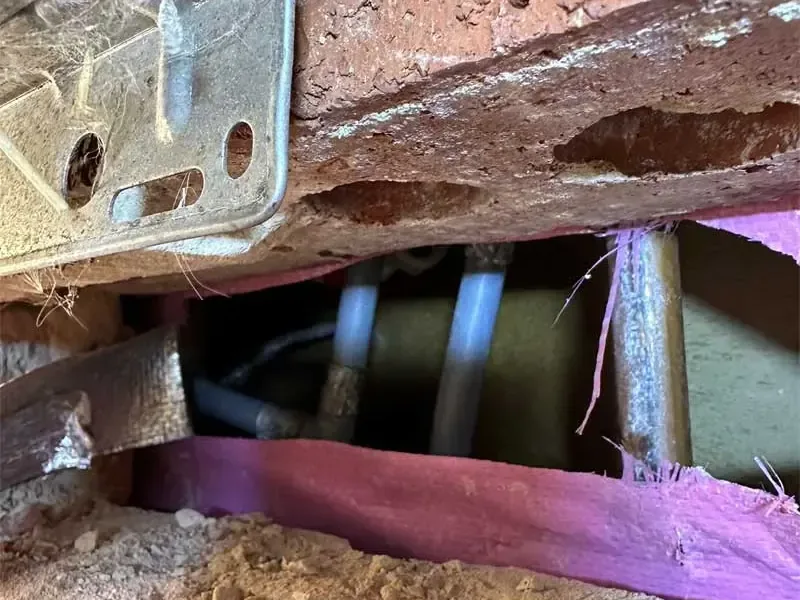
Why the crawl space water removal plan follows the water
Rapid local response
The response team dispatches 24/7 for active water and starts with source control, safety and a full moisture boundary.
IICRC S500 drying standard
The drying team sets category and class, chooses equipment for the evaporation load and verifies progress with daily readings.
Claim-ready documentation
The record can include the source, room diagram, moisture map, category, class, daily logs and photos before removal.
River Parish water knowledge
The crew plans for tropical rain, storm surge, humid air, supply failures and occasional freezing conditions.
How crawl space water removal is handled in Destrehan
Assess the confined space
Access, footing, electrical systems, water source, contamination, and equipment routes are considered before entry.
Remove standing water
Pumps and low profile extractors lower the water while protecting supports, soil, and clean interior paths.
Prepare wet floor structure
Saturated insulation and blocked areas are addressed so joists, beams, and subfloor can release moisture.
Measure wood through completion
Repeatable underside readings document progress before insulation and access coverings conceal the work.
First steps for crawl space water removal in Destrehan
Do not enter immediately
A wet crawl space can contain live wiring, unstable footing, animals, sewage, or low clearance hazards. Observe from the opening and wait for assessment.
Stop an accessible source
Use a safe plumbing shutoff from outside the crawl space when possible. A plumber handles the pipe or drain repair itself.
Keep indoor access clean
Do not carry muddy tools or wet insulation through occupied rooms. A protected equipment and debris route should be established first.
Note rooms above the water
Record any floor changes, odors, or damp areas inside the home. Those observations help connect the underside inspection with upper finishes.
Work below a raised floor starts with the opening, not the pump. Limited height, unstable footing, wet electrical components, pests, and contaminated water can make entry unsafe. The technician observes conditions from the access point, determines whether the source is plumbing or weather related, and plans how equipment and recovered water will move without damaging the home above.
What does crawl space water removal cost in Destrehan, LA?
Crawl space water removal commonly ranges from $1,700 to $9,000 or more. Access height, water depth, soil condition, contamination, insulation, utilities, wood moisture, equipment, and monitoring define the scope.
Focused loss
$1,700 to $4,066
- Accessible entry
- Limited standing water
- Small joist drying section
Multi-room loss
$4,066 to $6,300
- Broader floor area
- Wet insulation involved
- Several wood targets
Complex loss
$6,300 to $9,000+
- Restricted or hazardous access
- Contaminated water or debris
- Extended structural drying
Ranges are typical, not a quote: category of water, square footage, material class and how fast drying started move the number most. Run the water damage cost calculator for a closer range.
Confirming where the water came from
Supply plumbing, drains, exterior rain, and water crossing the ground surface can create different cleanup needs. The current source is established through visible conditions and repair findings. Regional freeze guidance names crawl spaces as one location where exposed pipe may need protection, but no townwide crawl space or foundation share is claimed for Destrehan.
St. Charles Parish handles drainage issues, and Destrehan lies on the east bank of the Mississippi River. The response area includes Great River Road, Airline Highway, and Ormond Estates. An inspection distinguishes outside entry from leaking plumbing beneath the floor. The Destrehan water damage hub separates storm, pipe, sewage, and extraction services for that reason.
- Identify plumbing, drain, or exterior entry evidence
- Check the access opening and path before entry
- Locate electrical wiring and mechanical equipment below the floor
- Observe water color, debris, and odor without guessing category
- Mark dry wood references outside the wet section
Pumping without damaging supports or soil
Standing water is removed with pumps or low profile extraction equipment selected for depth and access. Hoses are routed so discharge and equipment traffic do not undermine supports or track mud through living areas. If soil is soft, technicians use stable work surfaces and avoid unnecessary passes.
Insulation and ground covering are inspected as water drops. Saturated fibrous insulation may hold moisture against joists and lose support. A torn or displaced vapor layer may require separate repair after cleanup. Water trapped in low soil areas is addressed without claiming that every damp patch can be mechanically extracted.
- Use equipment that fits the available height
- Route hoses away from supports and clean interiors
- Lower standing water before detailed wood testing
- Remove fallen wet insulation when it blocks drying
- Document soil and vapor layer condition after pumping
Drying the underside of the floor system
Joists, beams, subfloor, and sill areas are tested at repeatable locations. Air movement is arranged along wet wood faces rather than pointed into soil. Dehumidification controls vapor in a contained crawl space when the enclosure and access allow it. Outdoor humid air is considered because an open vent can add moisture to the work area.
The underside can remain wet after the room above looks normal. Readings from below are compared with suitable unaffected wood. A slow section near a wall or insulation pocket is investigated for blocked airflow and retained material. Structural drying service gives more detail about moisture goals and equipment adjustments.
- Measure joists along the water path
- Test subfloor below affected interior rooms
- Arrange airflow parallel to exposed wood faces
- Manage humid replacement air at the access points
- Confirm stable readings before insulation is replaced
Recording conditions that will later be concealed
Crawl spaces become hard to inspect once insulation and access panels return. Photographs and a simple diagram preserve the source area, water depth indicators, affected supports, insulation condition, equipment placement, and final wood readings. Plumbing repair records can be attached without changing the restoration observations.
Coverage includes Destrehan around Murray Hill Drive, Great River Road, Airline Highway, and the Mississippi River setting. No address level flood zone is inferred. The insurer applies coverage terms to the reported cause, while the work file documents water removal and the measured condition of the floor structure.
Conditions at the access opening can change as pumping lowers the water. The technician reassesses footing, exposed utilities, loose insulation, and hose placement before moving deeper into the space. That pause keeps removal progress from becoming a reason to overlook a new hazard.
Final access photographs also show whether removed insulation or coverings still need replacement by the appropriate contractor.
Crawl space water removal across Destrehan and nearby communities
Crawl space removal covers properties near Murray Hill Drive, Great River Road, Airline Highway, Ormond Estates, and the Mississippi River corridor. Access conditions determine the safe equipment arrangement.
The same service nearby: crawl space water removal in LaPlace, Norco, Luling.
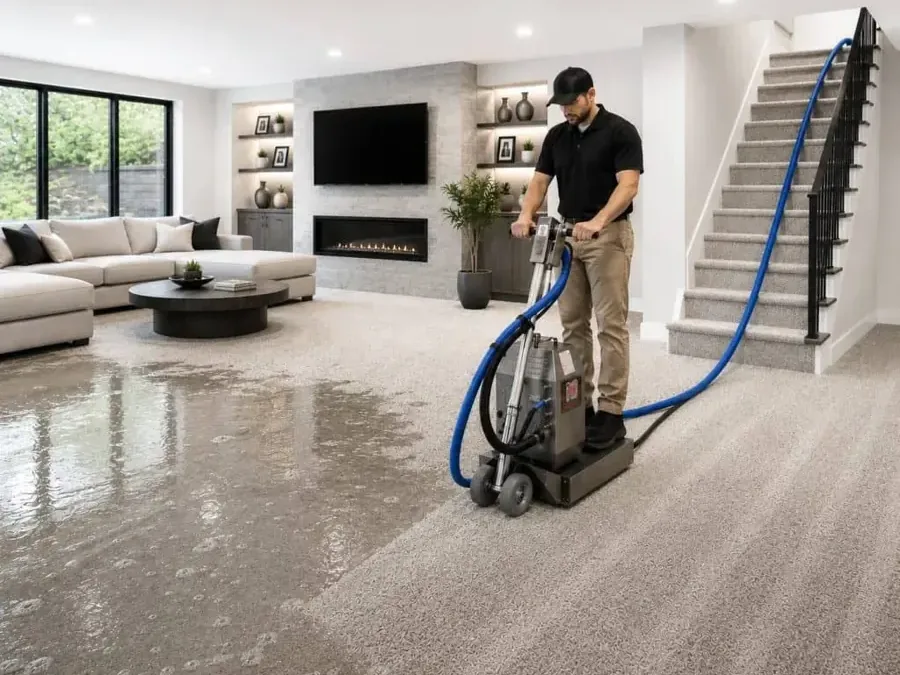
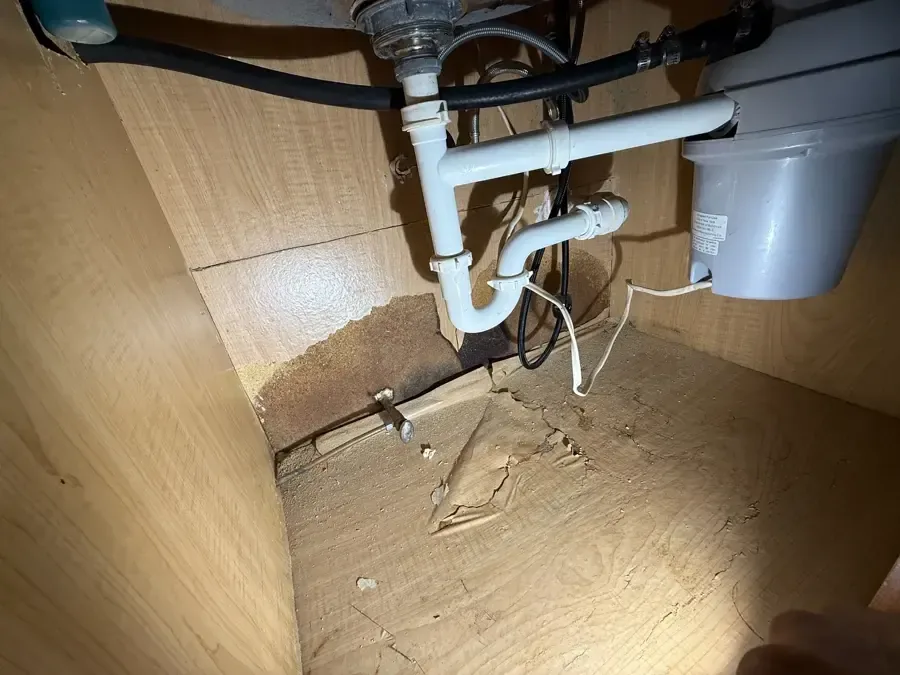
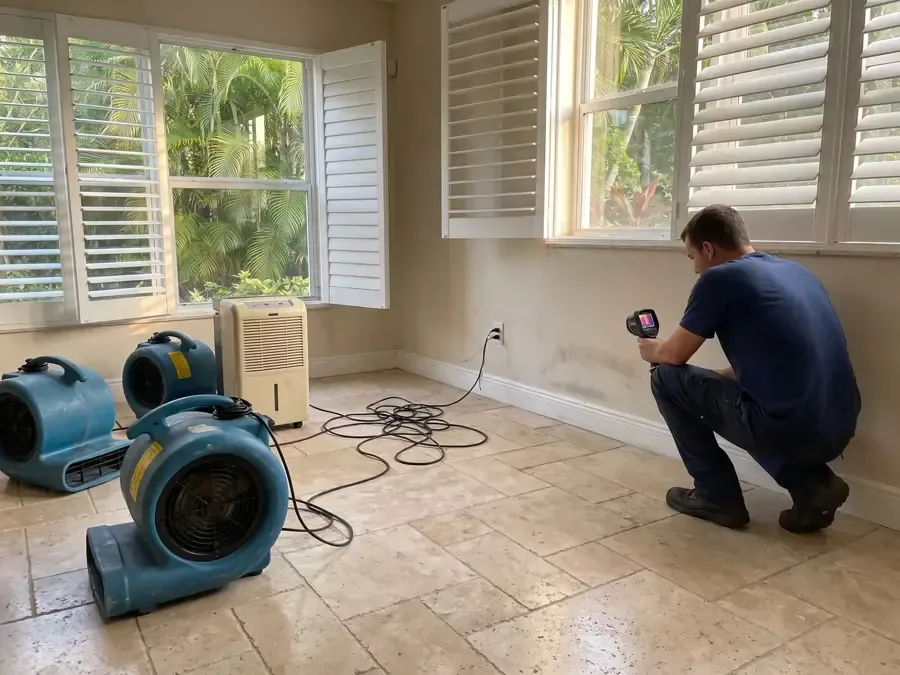
Related water damage services in Destrehan
Crawl Space Water Removal questions in Destrehan, LA
Standing water is below the floor?
Access and electrical hazards are checked before pumping beneath the floor and testing damp wood.
(888) 417-5665Request crawl space assessmentIs it safe to enter a flooded crawl space?
Entry may be unsafe because of electricity, unstable footing, limited height, pests, debris, or contamination. Assessment begins from the access opening whenever possible. The access plan comes before pumping.
How is crawl space water removed?
Pumps or low profile extraction tools are selected for depth and clearance. Hoses and work paths are arranged to avoid supports and clean occupied areas.
What happens to wet insulation?
Insulation is evaluated for saturation, contamination, physical condition, and whether it blocks wood drying. Fallen or heavily wet material may require controlled removal.
Can the floor above look dry while joists are wet?
Yes. Finished flooring can appear normal while subfloor and framing remain damp underneath. Direct readings from below reveal the structural moisture condition.
Are vents left open during drying?
Vent and access decisions depend on outdoor humidity, containment, and equipment design. Uncontrolled humid air can slow drying even when airflow feels strong.
What records are useful for this work?
Photographs, source notes, a crawl space diagram, water removal details, insulation decisions, equipment placement, wood readings, repair invoices, and completion measurements create a useful file.
What changes crawl space removal cost?
Clearance, entry location, water volume, soil, debris, contamination, utilities, insulation, joist area, dehumidification, and the number of monitoring visits shape the work.
Protect joists and subfloor with a measured removal plan
Technicians evaluate confined space hazards, pump accessible water, address wet insulation, and document wood drying from below.