Water Extraction in Destrehan, LA
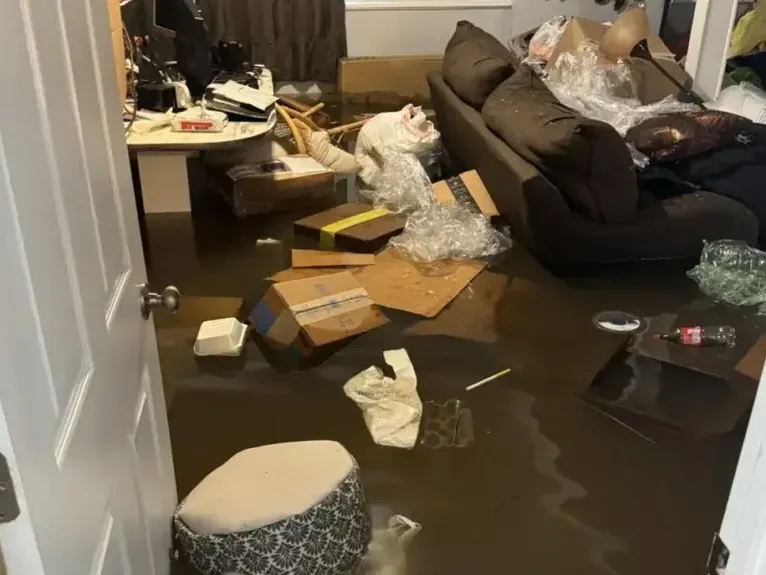
Standing water can cross floor seams and enter wall bases before the source is fully controlled. The extraction crew traces that path, removes accessible water, and builds a drying plan around readings from each wet material.
(888) 417-5665Request Destrehan extraction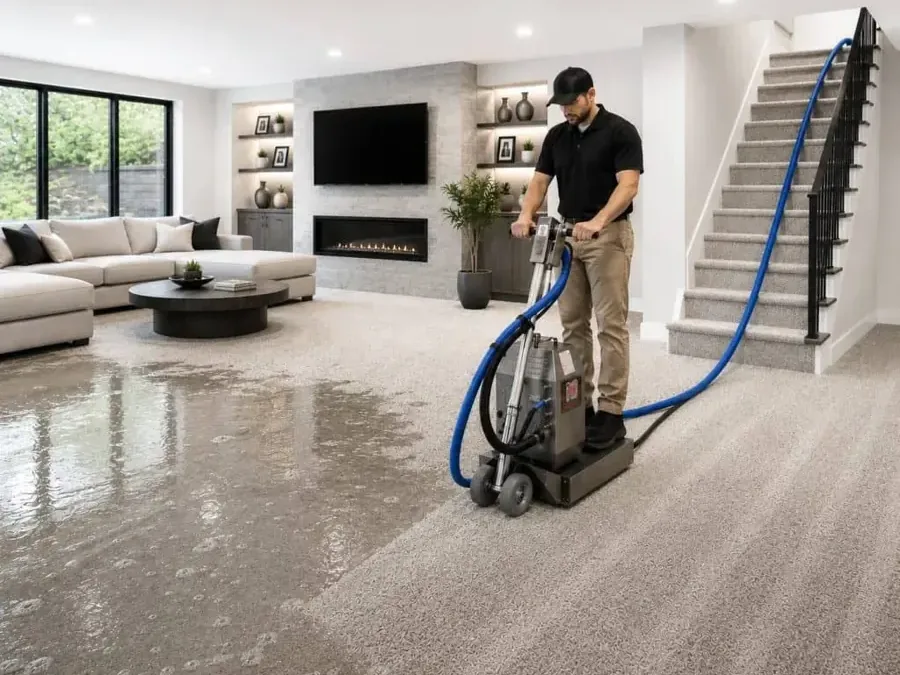
Why the water extraction and removal plan follows the water
Rapid local response
The response team dispatches 24/7 for active water and starts with source control, safety and a full moisture boundary.
IICRC S500 drying standard
The drying team sets category and class, chooses equipment for the evaporation load and verifies progress with daily readings.
Claim-ready documentation
The record can include the source, room diagram, moisture map, category, class, daily logs and photos before removal.
River Parish water knowledge
The crew plans for tropical rain, storm surge, humid air, supply failures and occasional freezing conditions.
How water extraction and removal is handled in Destrehan
Map the travel path
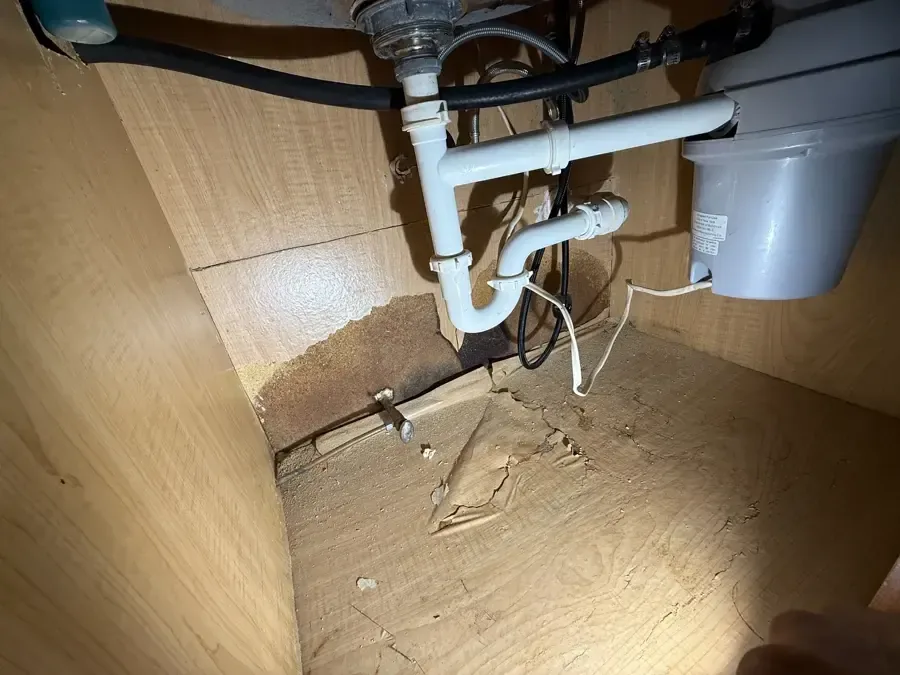
Meters establish where water crossed floors, entered walls, or reached cabinets beyond the visible pool.
Recover liquid water
Extraction tools remove accessible water from hard surfaces, carpet, pad, edges, and reachable voids.
Dry remaining moisture
Air movement and dehumidification address absorbed water left inside building materials after extraction.
Close with measurements
Final readings are compared with dry references and saved with photographs and work notes.
First steps for water extraction and removal in Destrehan
Keep away from wet power
Do not enter water near outlets, appliances, or electrical panels. An electrician addresses unsafe power conditions before normal extraction proceeds.
Reduce the safe source
Use an accessible shutoff when the path is clear. A plumber repairs the failed pipe or fixture while restoration handles water and materials.
Photograph the starting scene
Take wide room images from a safe position before contents move. Note where water appeared and which adjoining spaces show staining.
Leave extraction paths open
Avoid moving saturated items through clean rooms. Technicians can establish a controlled route for hoses, contents, and removed material.
Water extraction begins with a practical question: where did the water travel after it left the source? A wet room near Great River Road can have visible pooling at the center and a quieter problem beneath trim, cabinets, or an adjoining floor. The technician marks both areas before selecting tools. Destrehan water damage service covers the wider restoration scope, while this service concentrates on removing liquid water and exposing the remaining moisture load.
What does water extraction and removal cost in Destrehan, LA?
Typical water extraction projects range from $1,200 to $6,500 or more. Water volume, affected surfaces, access, contamination, material condition, equipment needs, and the size of the drying area determine the final scope.
Focused loss
$1,200 to $2,926
- Source stopped
- One contained area
- Extraction with focused drying
Multi-room loss
$2,926 to $4,550
- Connected rooms affected
- Several extraction surfaces
- Expanded moisture documentation
Complex loss
$4,550 to $6,500+
- Difficult access or contamination
- Material removal where required
- Larger drying system
Ranges are typical, not a quote: category of water, square footage, material class and how fast drying started move the number most. Run the water damage cost calculator for a closer range.
Finding the full extraction boundary
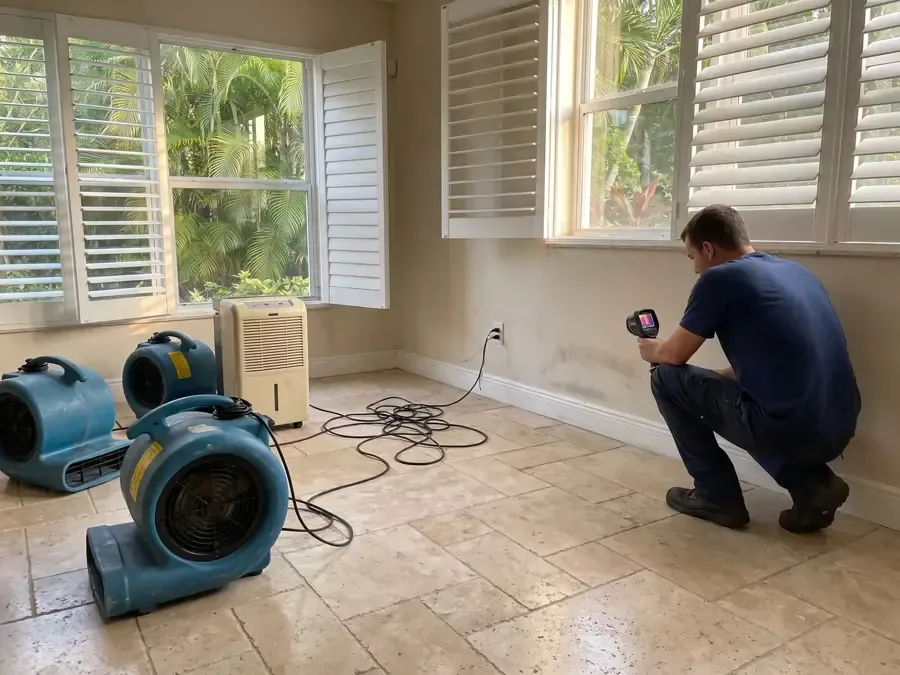
The first walkthrough follows the water from the reported release toward lower surfaces and connected materials. Thermal imaging can reveal temperature patterns, but a meter confirms whether carpet, pad, drywall, wood, or concrete is actually wet. Readings continue past the obvious edge until comparable dry material is found. That boundary prevents a dry looking doorway or cabinet face from ending the search too early.
Local events show why the search should extend beyond the first puddle. In July 2020, nearly seven inches of rain fell in about an hour and homes were reported flooded in Ormond Estates and along Murray Hill Drive. A current plumbing loss is not treated as that storm, but both situations demonstrate how quickly water can move from an open floor into wall bases and nearby rooms.
- Confirm the reported source and whether water is still moving
- Check electrical hazards before crossing the wet area
- Test flooring at transitions, doorways, and cabinet edges
- Mark wall moisture above the visible water level
- Photograph the measured boundary before extraction changes it
Choosing extraction tools for the surface
A broad hard floor, soaked carpet, and water trapped below a cabinet toe kick do not need the same tool. Portable units reach confined areas. Larger extraction equipment handles accessible volumes. Weighted tools can recover water held in carpet and pad when those materials are suitable to remain. The crew makes repeated passes where readings or recovered volume show that another pass will help.
Extraction comes before aggressive evaporation because every gallon removed as liquid is a gallon the drying system does not need to collect as vapor. Contents may be shifted to open a working lane, and damaged trim may be taken off when it blocks access to a wet wall base. Clean rooms stay separated from shoes, hoses, and debris used inside the loss area.
- Match the extractor to water depth and surface type
- Work from deeper collection points toward damp edges
- Inspect beneath removable mats and loose floor coverings
- Keep recovered water and wet debris out of clean spaces
- Retest the perimeter after the visible water is gone
Drying what extraction cannot collect
Even thorough extraction leaves absorbed moisture in porous and semi porous materials. Air movers direct evaporation across those surfaces, while dehumidifiers remove vapor from the controlled room. Equipment placement follows the mapped wet area rather than a simple room count. A wall shaded by a cabinet or a floor beneath fixed casework can need a different airflow path from the open center of the room.
Material readings are taken again during drying. If one section changes slowly, the technician checks whether airflow reaches it, whether a finish blocks evaporation, and whether the dehumidifier is handling the released load. The structural drying service explains this measured phase in more detail. Equipment remains only where the readings support continued use.
- Set dry references in comparable unaffected material
- Record temperature and relative humidity in the work zone
- Direct airflow across wet surfaces without disturbing clean areas
- Adjust placement when a material stops improving
- Confirm the final boundary with meter readings
Building a clear record of the loss
The work file connects the reported source with the rooms tested, the extraction performed, and the readings that followed. Useful entries include overview photos, a moisture map, notes about removed materials, equipment placement, and final measurements. Destrehan lies on the east bank of the Mississippi River, but geography alone never decides the category or scope of an individual loss. The observed source and material contact control those decisions.
Property owners can keep restoration records with the claim number, insurer messages, plumbing or roofing findings, and invoices. The insurer interprets the policy. The extraction record explains what technicians found and why particular materials were dried, cleaned, opened, or removed.
Water extraction and removal across Destrehan and nearby communities
Extraction service covers properties throughout the community near Great River Road, Airline Highway, Ormond Estates, Murray Hill Drive, and the Mississippi River. Restoration measurements define the actual service boundary.
The same service nearby: water extraction and removal in LaPlace, Norco, Luling.
Related water damage services in Destrehan
Water Extraction and Removal questions in Destrehan, LA
Standing water still crossing the floor?
The crew checks the water source and wet boundaries before selecting extraction equipment.
(888) 417-5665Send the Destrehan extraction crewShould standing water be removed immediately?
Standing water deserves prompt attention once electrical and structural hazards are controlled. Early extraction can reduce movement into drywall, cabinet bases, insulation, and neighboring floor assemblies.
How does a technician find water under flooring?
Thermal patterns help focus the search, and direct meter readings confirm moisture at seams, transitions, edges, and accessible layers beneath the finish. Several locations are compared before setting the boundary.
Can soaked carpet stay in place?
Carpet may remain when the source is suitable, the material is sound, contamination is absent, and extraction is effective. Pad and subfloor receive separate decisions based on condition and access.
What happens after the puddles are gone?
Technicians retest walls, flooring, cabinets, and framing. Air movers and dehumidifiers then address moisture held inside those materials until repeated readings meet the selected dry goals.
Does every room need drying equipment?
No. Equipment belongs in measured wet zones and areas needed to control the drying environment. Dry rooms should not receive equipment simply because they are next to the loss.
What belongs in an extraction record?
The file can include the reported source, room photos, moisture map, extraction notes, material decisions, equipment placement, progress readings, and final measurements. Coverage remains an insurer decision.
What changes the water extraction price?
Recovered volume, water category, affected surface area, access, flooring type, wet wall or cabinet sections, cleaning needs, and the later drying system all influence the project scope.
Remove liquid water before it reaches another assembly
Technicians map the wet area, select extraction tools for the surface, and document the readings that shape structural drying.