Storm and Flood Cleanup in Destrehan, LA
Intense rain and outside floodwater can enter several rooms at once, carrying soil into floors and wall cavities. Cleanup starts with safe access, water removal, contamination controls, and a room by room material assessment.
(888) 417-5665Request storm cleanup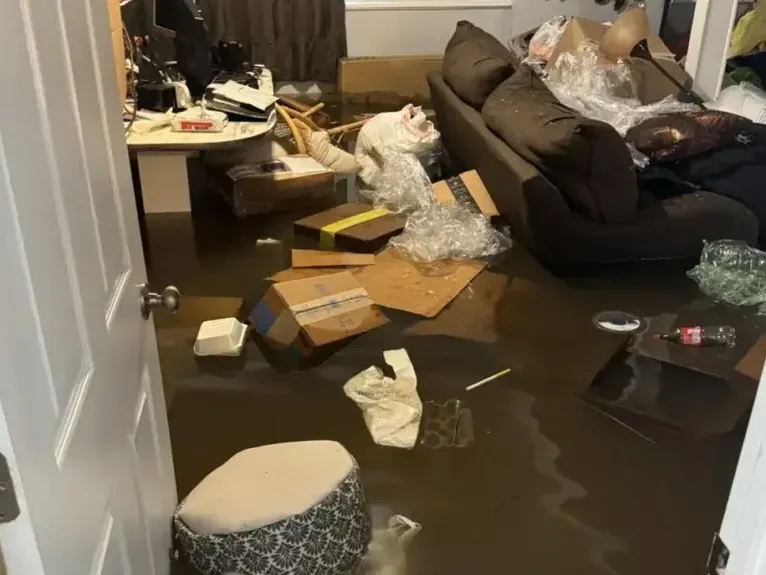
Why the storm and flood cleanup plan follows the water
Rapid local response
The response team dispatches 24/7 for active water and starts with source control, safety and a full moisture boundary.
IICRC S500 drying standard
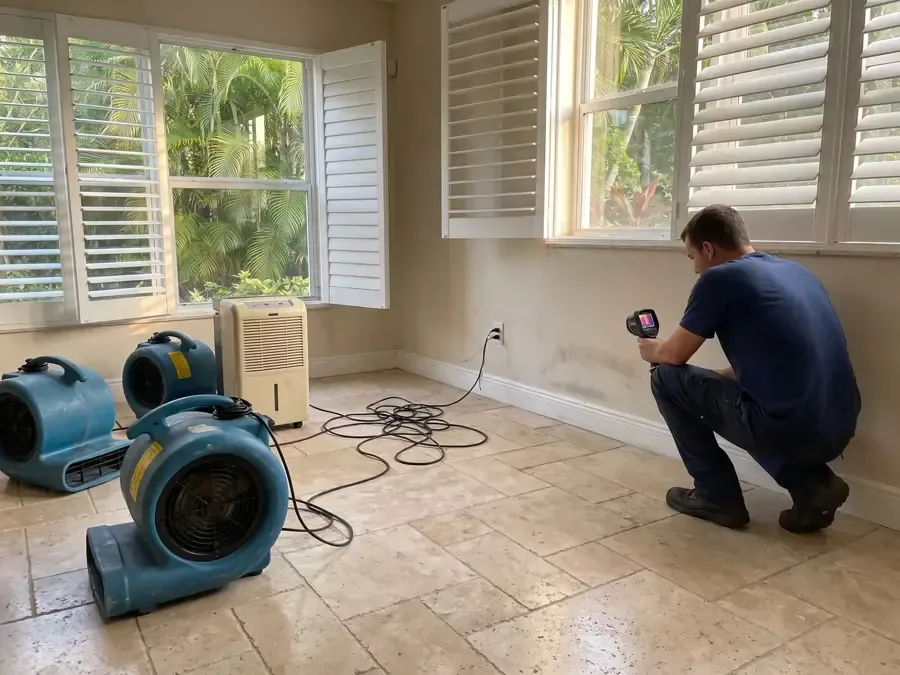
The drying team sets category and class, chooses equipment for the evaporation load and verifies progress with daily readings.
Claim-ready documentation
The record can include the source, room diagram, moisture map, category, class, daily logs and photos before removal.
River Parish water knowledge
The crew plans for tropical rain, storm surge, humid air, supply failures and occasional freezing conditions.
How storm and flood is handled in Destrehan
Document entry and extent
Water marks, debris, affected rooms, and likely openings are recorded before pumping changes the evidence.
Pump and remove dirty material
Bulk water, silt, debris, and unsalvageable porous materials leave through a protected work route.
Clean the retained structure
Reachable hard surfaces and exposed components are physically cleaned before ordinary drying airflow is established.
Dry to measured goals
Air conditions and material readings show progress in framing, concrete, and other retained construction.
First steps for storm and flood cleanup in Destrehan
Wait for safe entry
Do not enter moving outside water, rooms with wet electrical systems, or spaces with unstable ceilings and floors. Emergency officials control broader hazards.
Keep flood residue contained
Avoid walking from flooded rooms into clean spaces. Shoes, tools, and contents can carry soil and contaminated water across the property.
Take wide photographs
From a safe location, record exterior entry, water marks, affected rooms, and major contents before pumping or debris removal changes the scene.
Protect important dry items
Move accessible dry documents and valuables away from the water path only when doing so does not require entering the hazardous area.
Storm water restoration has to account for more than depth. Water arriving from outdoors can carry soil, sewage, chemicals, and debris through doors, wall openings, and low floor transitions. In Destrehan, severe weather can include thunderstorms, damaging wind, flooding, flash flooding, and tropical conditions. The crew treats the current building as its own loss and maps every room rather than applying a townwide assumption.
What does storm and flood cleanup cost in Destrehan, LA?
Storm and flood cleanup often ranges from $2,600 to $15,000 or more. Water depth, room count, debris, contaminated porous materials, cleaning, demolition, access, equipment, and drying duration determine the scope.
Focused loss
$2,600 to $6,688
- Limited entry area
- Manageable silt and debris
- Focused cleaning and drying
Multi-room loss
$6,688 to $10,500
- Several rooms flooded
- Porous materials removed
- Multiple drying sections
Complex loss
$10,500 to $15,000+
- Broad outside water entry
- Heavy debris or access issues
- Extensive structural treatment
Ranges are typical, not a quote: category of water, square footage, material class and how fast drying started move the number most. Run the water damage cost calculator for a closer range.
Using local flood history without overstating the present loss
On July 5, 2020, nearly seven inches of rain fell in about an hour in the Ormond Estates area. WDSU reported home flooding there and along Murray Hill Drive. The St. Charles Parish president described a drainage constraint at railroad tracks and said high intensity rain could exceed local drainage capacity. That rainfall history supports preparation, while the cause and depth of current flooding must be established at the affected property.
The present assessment begins with the visible entry points, the high water indication when one exists, and the materials the water contacted. Technicians check adjacent rooms, wall bottoms, cabinet bases, insulation, and floor layers. Local water damage coverage includes roof and plumbing losses as separate services because source classification changes cleanup decisions.
- Wait until exterior water and electrical conditions permit entry
- Photograph water marks and debris before removal
- Trace every room connected by the same floor level
- Inspect wall cavities where outside water reached porous finishes
- Keep storm debris away from clean storage areas
Pumping and extracting in a safe sequence
Standing water is pumped or extracted after hazards are assessed. The team selects equipment for access, water depth, and the amount of debris present. Mud and sediment are collected rather than pushed deeper into seams. Contents that can be evaluated are separated from obvious waste, and a protected route keeps dirty equipment from crossing unaffected interiors.
Fast liquid removal reduces continued absorption, but it does not turn contaminated flood material into a clean water loss. Porous carpet, pad, insulation, and wallboard that contacted outside water receive conservative removal decisions. Hard surfaces may be retained when they can be reached, physically cleaned, and checked after the soil has been removed.
- Remove bulk water from the safest accessible collection points
- Collect silt before detailed surface cleaning
- Separate salvage evaluation from obvious contaminated waste
- Cut porous materials to a documented clean boundary
- Recheck beneath flooring and fixed cabinets for trapped water
Preparing the building for controlled drying
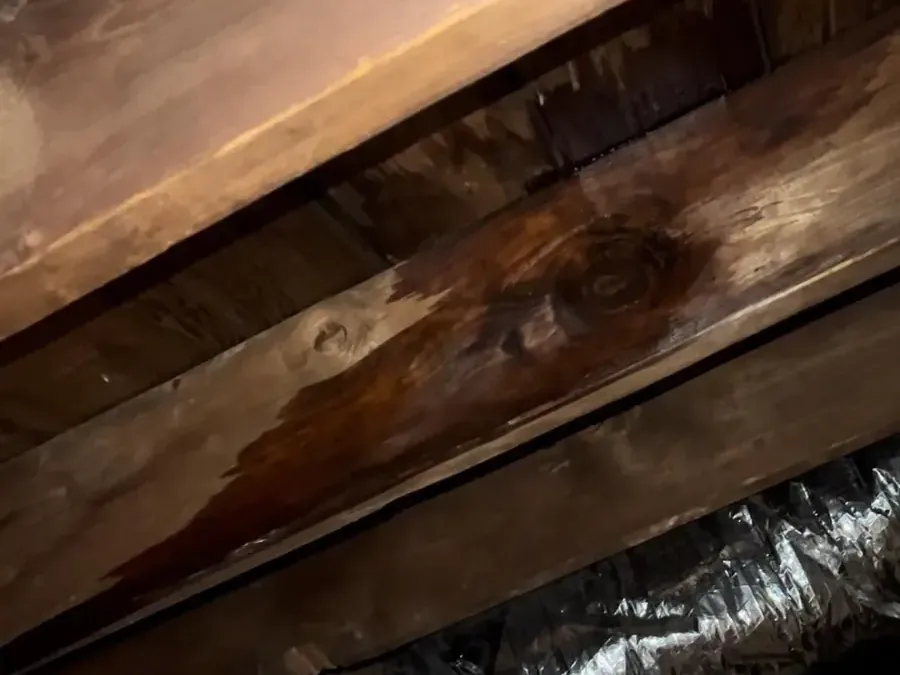
Drying equipment is not a substitute for cleaning. Once debris, damaged porous materials, and surface soil are addressed, air movers can support evaporation from retained construction. Dehumidifiers capture the resulting vapor. Open framing, concrete, and wood components are measured separately because they release moisture at different rates.
The drying chamber may need containment to keep humid outdoor air from replacing the air being processed. Technicians record temperature, relative humidity, and material moisture, then change equipment placement when a section lags. The structural drying page explains how those measurements direct the dry phase after storm cleanup.
- Finish physical cleaning before normal drying airflow begins
- Place air movement across retained wet structural surfaces
- Use dehumidification sized to the measured moisture load
- Monitor framing, concrete, and remaining finishes independently
- Close the drying zone only after readings reach their goals
Keeping the storm record tied to observed facts
The file can include exterior and interior photographs, the reported weather event, visible water marks, rooms affected, debris conditions, removed materials, cleaning notes, equipment logs, and completion readings. It should distinguish confirmed observations from assumptions about drainage or flood designation. No address level flood zone is assigned from general community information.
Storm cleanup coverage includes properties around Great River Road, Airline Highway, the Mississippi River, and Destrehan Plantation. The insurer applies policy terms for surface water, wind driven rain, and other causes. Restoration documentation explains the physical condition and completed mitigation work. Photographs of sediment and water marks are taken before removal so the starting condition remains clear when the cleanup record is assembled.
Storm and flood cleanup across Destrehan and nearby communities
Storm cleanup covers the community around Ormond Estates, Murray Hill Drive, Great River Road, Airline Highway, and the Mississippi River setting. Current site observations determine each material decision.
The same service nearby: storm and flood cleanup in LaPlace, Norco, Luling.
Related water damage services in Destrehan

Storm and Flood Cleanup questions in Destrehan, LA
Outside water has entered the building?
Safe access, sediment removal, and surface cleaning come before drying the retained structure.
(888) 417-5665Request Destrehan flood cleanupIs outside floodwater considered clean?
No. Outside water can contain sewage, soil, chemicals, and microorganisms. The crew uses contaminated water controls and makes conservative decisions for porous materials. Source contact controls the material decision.
When can pumping begin?
Pumping begins after entry, electrical, structural, and exterior water conditions are suitable. The equipment and sequence depend on depth, access, debris, and affected building materials.
Will flooded drywall stay in place?
Wallboard contacted by outside floodwater often requires controlled removal because it is porous. The cut boundary follows contamination, moisture, condition, and access to the cavity.
Why is silt removed before drying?
Soil and debris can hold contamination against surfaces and block effective cleaning. Physical removal creates a prepared structure that can then receive controlled drying.
Can hard flooring be saved?
Nonporous finishes may remain when they are intact and can be fully reached for soil removal and cleaning. Water beneath the finish and the condition of underlying layers still matter.
What belongs in a storm loss file?
Useful records include weather timing, entry points, water marks, photographs, affected rooms, material removal, cleaning steps, equipment use, moisture readings, invoices, and insurer communications.
What makes storm cleanup more expensive?
Broader water entry, difficult access, heavy debris, contamination, wall and floor removal, content handling, power needs, air control, and longer structural drying increase the scope.
Remove water and soil before wet assemblies deteriorate
The storm team pumps, clears debris, removes unsalvageable porous material, cleans retained structure, and verifies drying with instruments.