Storm and Flood Cleanup in Norco, LA
Rainwater crossing a doorway or rising through a low opening can carry sediment into floors, walls, and contents. Safe cleanup separates contaminated material, cleans retained construction, and measures the structure through drying.
(888) 417-5665Assess storm water entry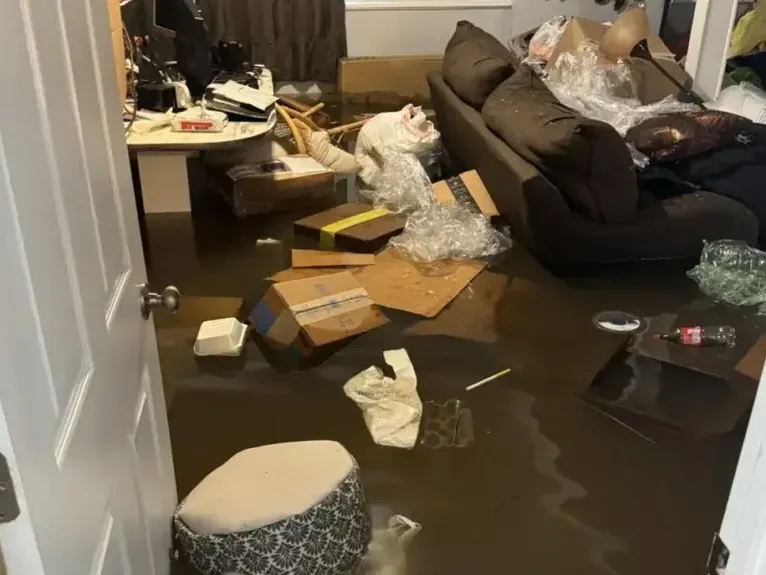
Why the storm and flood cleanup plan follows the water
Rapid local response
The response team dispatches 24/7 for active water and starts with source control, safety and a full moisture boundary.
IICRC S500 drying standard
The drying team sets category and class, chooses equipment for the evaporation load and verifies progress with daily readings.
Claim-ready documentation
The record can include the source, room diagram, moisture map, category, class, daily logs and photos before removal.
River Parish water knowledge
The crew plans for tropical rain, storm surge, humid air, supply failures and occasional freezing conditions.
How storm and flood is handled in Norco
Establish safe entry
Electrical, structural, water condition, and movement hazards are assessed before recovery routes or controlled zones are created.
Remove water and storm debris
Pumps, extraction tools, and managed handling clear accessible liquid, sediment, and materials that cannot be safely retained.
Clean durable construction
Exposed framing and other sound surfaces are physically cleaned at faces, joints, seams, and irregular areas before drying air begins.
Measure through drying
Air movement and vapor control support retained structure while repeated readings document progress toward material-specific completion goals.
First steps for storm and flood cleanup in Norco
Wait for safe access
Do not enter standing water near electrical systems or unstable finishes. Conditions should be checked before occupants or recovery equipment move into the affected area.
Keep outside water contained
Prevent people and animals from walking through the flooded rooms. Avoid carrying damp belongings into clean spaces or using household fans across sediment.
Photograph from a secure position
Capture broad room views, water marks, entry clues, and affected contents only when that can be done without crossing hazards or dirty water.
Avoid premature finish work
Do not cover damp floors, repaint stains, or close wall openings before contamination, material condition, and concealed moisture have been evaluated.
A storm loss changes as water moves from the exterior into finished construction. Sediment can settle beneath furniture, inside floor seams, and at wall bottoms even after open water recedes. Norco experienced a documented December 2018 event when a slow cold front dropped up to 9 inches of rain in about two hours. Reporting said 19 homes were damaged. That history provides context, not a prediction for any address. The local water damage hub connects flood work with extraction and structural drying.
What does storm and flood cleanup cost in Norco, LA?
Storm and flood cleanup commonly ranges from $2,600 to $15,000 or more. Water depth, contamination, sediment, material removal, affected area, cleaning, access, equipment, and monitoring determine the project total.
Focused loss
$2,600 to $6,688
- Limited entry area
- Accessible water removal
- Modest debris handling
Multi-room loss
$6,688 to $10,500
- Several rooms affected
- Porous finish removal
- Controlled cleaning zones
Complex loss
$10,500 to $15,000+
- Broad exterior water
- Heavy sediment or contents
- Extensive structural drying
Ranges are typical, not a quote: category of water, square footage, material class and how fast drying started move the number most. Run the water damage cost calculator for a closer range.
Read the building before starting pumps
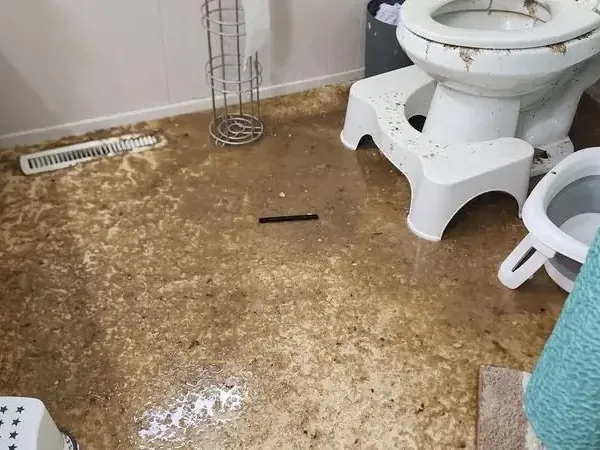
Entry is delayed when electrical equipment is exposed, ceilings have changed shape, or the structure appears unstable. The crew observes water depth, likely entry points, sediment, odors, and the rooms connected to the loss. Exterior water is handled conservatively because it may carry sewage, soil, fuel, pesticides, or microorganisms.
Water removal is staged so that workers maintain safe footing and avoid spreading dirty water through unaffected spaces. Pumping handles deeper accumulations, while extraction tools recover water from floors and accessible edges. Contents are moved only through a controlled route. Photographs and water marks preserve the original extent before recovery changes the scene.
- Check electrical and structural conditions before entry
- Establish dirty and clean movement routes
- Record water marks and visible sediment
- Use recovery tools suited to depth and surface
- Protect spaces outside the affected boundary
Make material decisions from exposure and condition
Porous finishes that contacted outside water require careful evaluation. Carpet pad, swollen composite board, saturated wallboard, and insulation may be unsuitable for retention. Durable framing and other hard construction may remain when accessible faces can be cleared of debris, physically cleaned, and later dried. The boundary should follow contact and readings rather than a uniform cut across every room.
One reported home in the 2018 event had affected sheetrock, baseboards, cabinets, carpet, and doors. After flooding, crews inspect these assemblies separately because water can reach different heights and remain trapped beneath finishes. The removal record identifies each damaged layer, why it was taken out, and the condition of the structure exposed beneath it.
- Separate porous finishes from retainable structure
- Inspect behind baseboards and cabinet edges
- Remove trapped sediment from accessible cavities
- Package debris within the controlled area
- Save photographs of material condition
Document the entry route before making a coverage claim
The community sits at the eastern edge of the Bonnet Carre Spillway, which provides an outlet from the Mississippi River toward Lake Pontchartrain during river flooding. This river setting makes storm planning useful, while an inspection establishes how water entered a specific building. Roof failure, drainage, doorway entry, plumbing, and river conditions are different source questions.
Properties near Airline Highway, Diamond, and Norco Elementary School all require direct inspection. The crew documents the apparent entry route and avoids assigning an address-level flood classification. St. Charles Parish public works, wastewater, and waterworks departments responded during the 2018 flooding, but a public response does not determine private building conditions.
- Identify the observed entry point when possible
- Keep regional water context separate from site evidence
- Do not infer contamination from appearance alone
- Check lower cavities and connected rooms
- Record source uncertainty in plain language
Clean first, then drive moisture from the structure
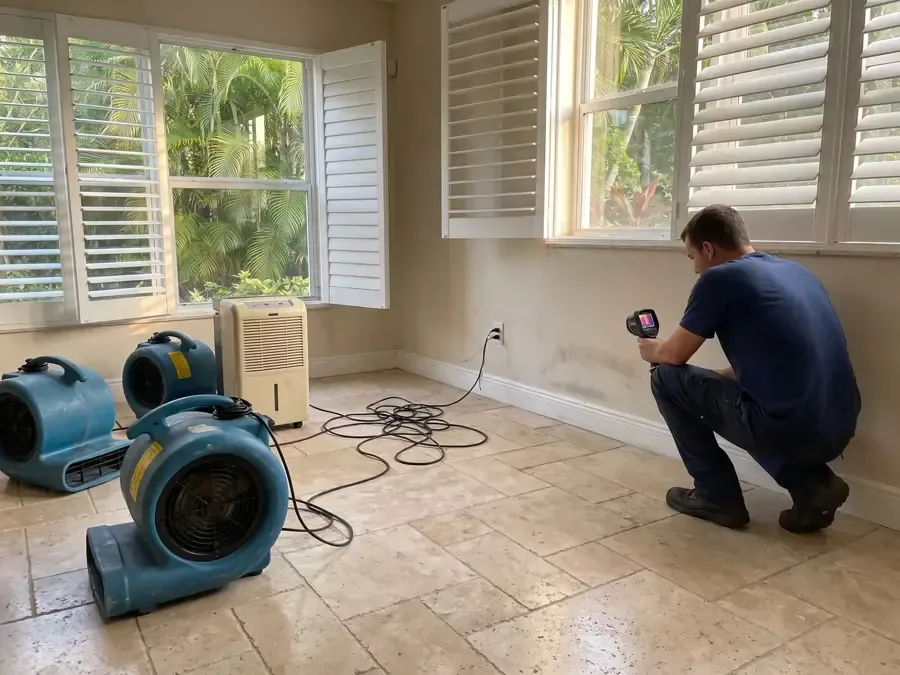
Normal drying air should not blow across mud or contaminated debris. Workers remove physical soil, clean retained surfaces, and inspect seams and irregular framing before positioning air movers. Dehumidifiers capture the vapor released from damp structure inside the controlled zone.
Marked readings at wood, concrete, wall remnants, cabinets, and subfloor show whether the assembly is improving. Equipment positions may change as sections reach their goals. The final record combines initial photographs, extraction notes, material decisions, cleaning steps, equipment logs, and completion values. The main storm cleanup overview provides wider service information for planning.
- Verify debris removal before airflow begins
- Direct air across cleaned wet surfaces
- Control humidity inside the work zone
- Compare consistent material points over time
- Retain final photographs and measurements
Storm and flood cleanup across Norco and nearby communities
Storm cleanup serves local properties around Diamond, Airline Highway, Norco Elementary School, and the Bonnet Carre Spillway. Each building receives its own entry and contamination assessment.
The same service nearby: storm and flood cleanup in LaPlace, Destrehan, Luling.
Related water damage services in Norco

Storm and Flood Cleanup questions in Norco, LA
Rainwater entered finished space?
Safe access, sediment removal, and surface cleaning come before drying the retained structure.
(888) 417-5665Request a storm loss assessmentIs rainwater inside automatically clean?
No. Once outside water crosses the ground or building exterior, it can collect sewage, soil, chemicals, and microorganisms. Cleanup controls should reflect that potential exposure.
Can pumping begin while power is on?
Standing water near electrical equipment presents a serious hazard. Qualified professionals should evaluate unsafe power conditions before pumps, cords, tools, or occupants enter the wet area.
Does every wall need the same cut?
No. Access follows contamination, physical damage, trapped debris, and moisture readings. Different rooms and materials may justify different opening heights or no removal at all.
Can framing remain after outside flooding?
Sound framing may remain when all affected faces can be exposed, cleared of soil, physically cleaned, dried, and verified. Hidden contamination or damage can change that decision.
What does the 2018 event prove?
The December 2018 report describes intense rain and home damage in Norco. Useful details include the affected materials and parish response; a current cleanup also records water marks, entry routes, and rooms requiring work.
When do air movers start?
Managed airflow begins after unsafe porous material and physical contamination have been removed and retained surfaces are cleaned. This avoids driving dirty material into cleaner areas.
What belongs in a storm loss record?
Keep entry observations, photographs, water marks, material inventories, removal notes, cleaning records, equipment logs, moisture readings, invoices, and insurer correspondence in one file.
Remove water, debris, and hidden dampness in order
The cleanup crew establishes safe zones, recovers exterior water, evaluates exposed materials, cleans retained structure, and documents measured drying.