Water Damage Restoration Destrehan, LA
Local technicians remove standing water, trace moisture through connected materials, and document structural drying after plumbing failures, sewage backups, roof entry, and severe weather.
(888) 417-5665Request Destrehan water helpThe work area follows direct readings, and equipment stays only where wet materials still need controlled drying.
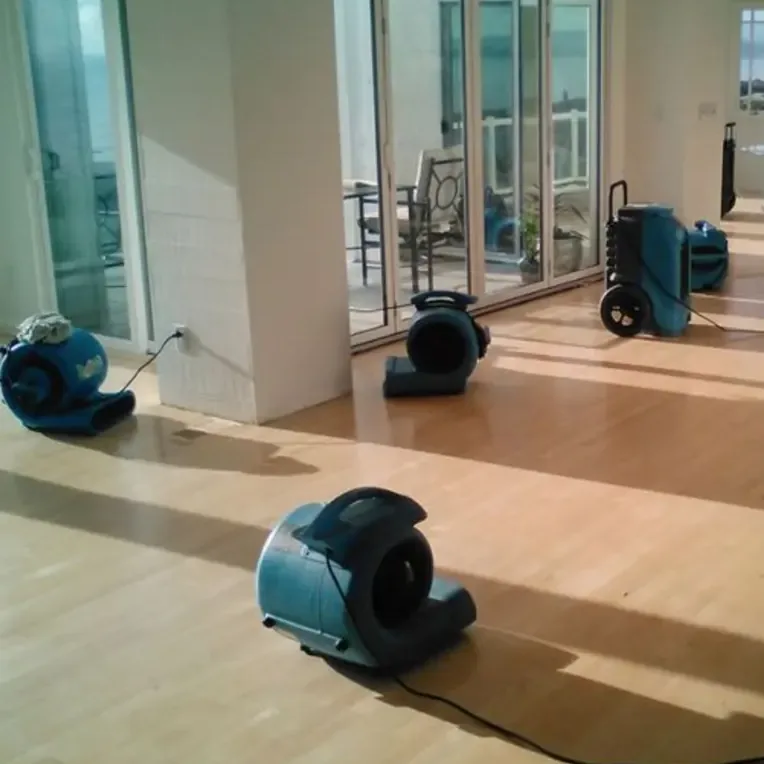
Actions to take while water is still spreading
- 1
Avoid wet electrical areas
Keep away from outlets, fixtures, appliances, panels, and standing water near power. Qualified electrical help addresses unsafe systems before normal work proceeds.
- 2
Use a safe shutoff
Close an accessible valve or main only when the route is clear. A plumber repairs the component while restoration handles escaped water.
- 3
Stay away from unstable finishes
Do not stand beneath sagging ceilings or walk on lifted flooring. Wet board and damaged surfaces can release or shift unexpectedly.
- 4
Keep sewage and floodwater contained
Prevent people and pets from entering contaminated rooms. Avoid carrying wet contents or using household fans across the affected area.
- 5
Create a factual starting record
Take wide photographs from safe positions and note the source, rooms affected, and visible water path before moving contents or materials.
Restoration services for Destrehan properties
The confirmed source, contamination level, affected materials, building access, and current measurements shape a separate plan for every water loss.
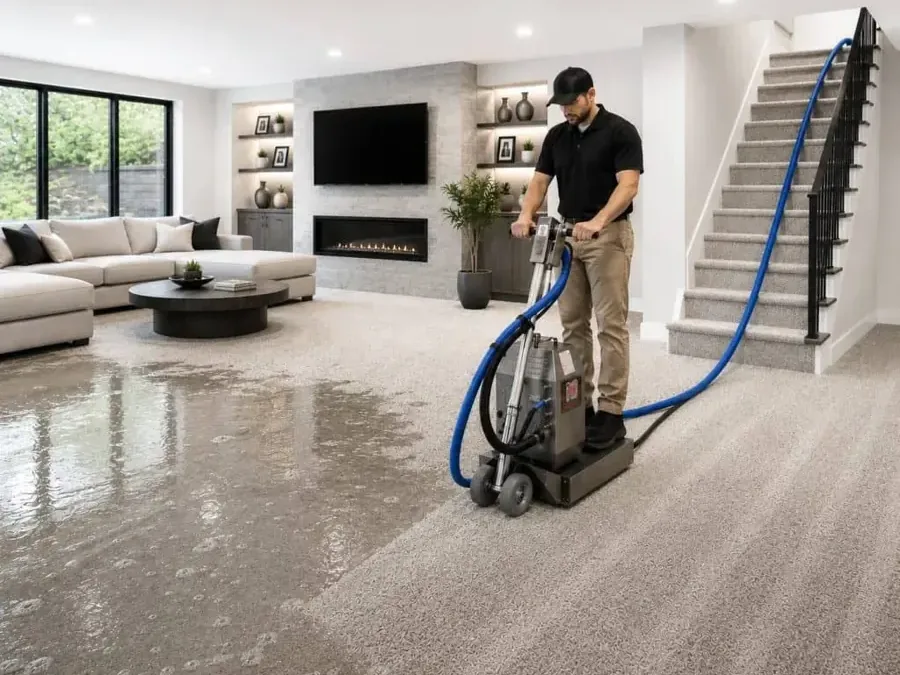
Water Extraction and Removal
Extraction reaches beyond the visible puddle to room edges and cavities, with a dry perimeter recorded before equipment placement.
View service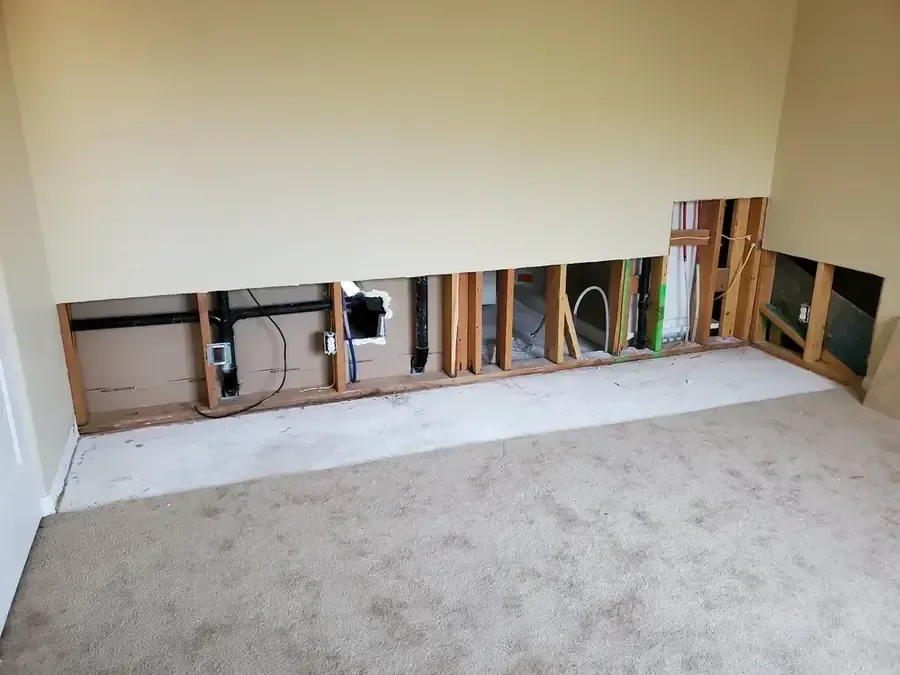
Slab Leak Water Damage
Concrete and finished surfaces receive separate readings after the plumber locates the concealed release.
View service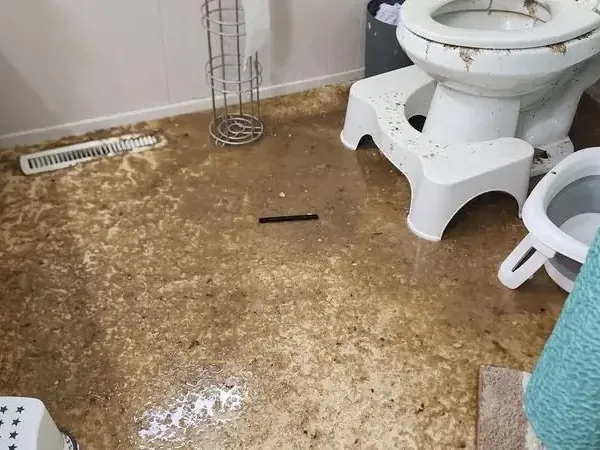
Sewage Backup Cleanup
Clean rooms stay protected while wastewater and contaminated porous finishes leave through a controlled route.
View service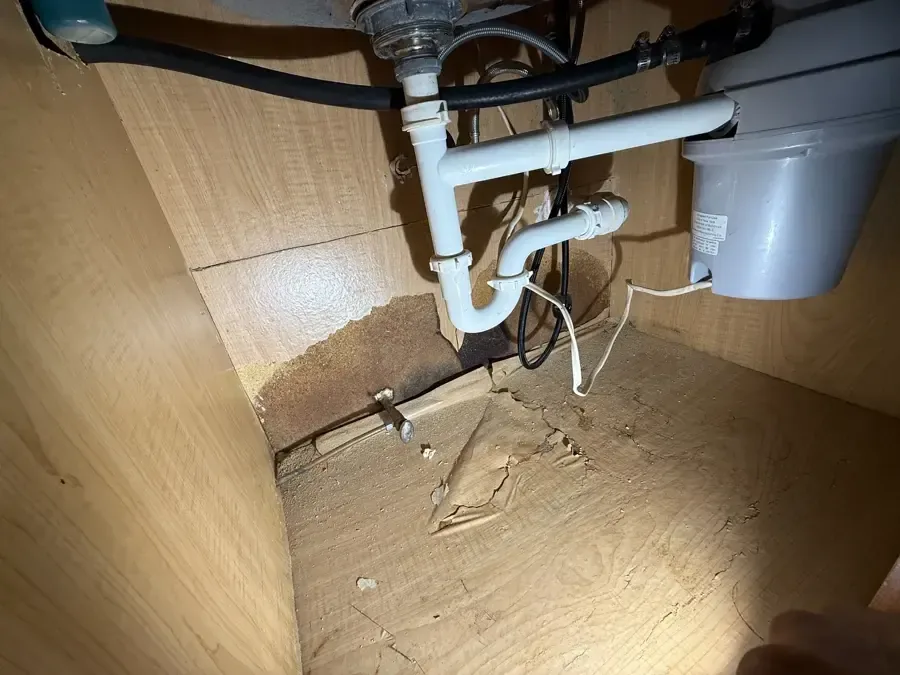
Burst Pipe Water Damage
Pressurized water is followed through insulation, partitions, and flooring after the failed supply is isolated.
View service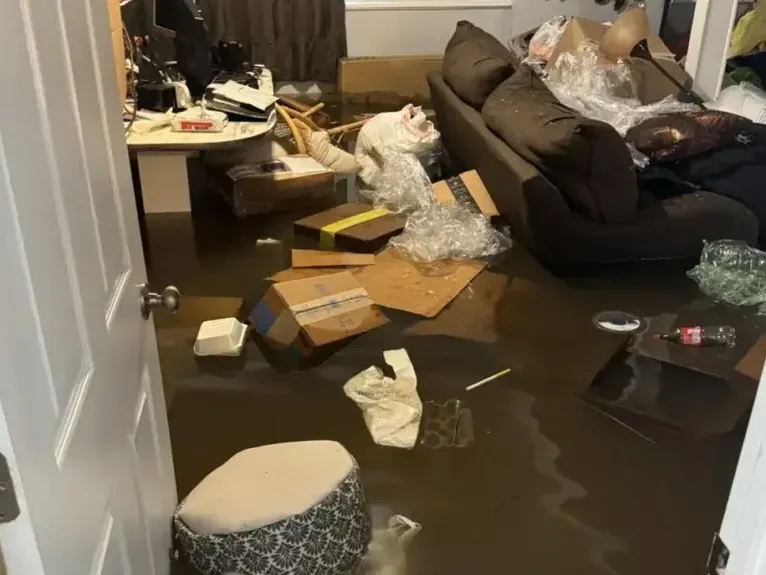
Storm and Flood Cleanup
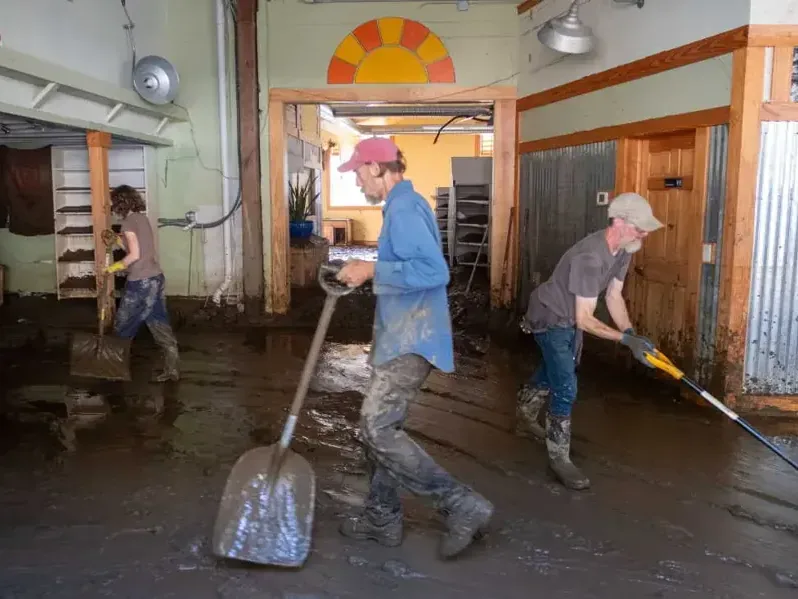
Silt removal and cleaning prepare retained construction for drying after exterior floodwater enters the building.
View service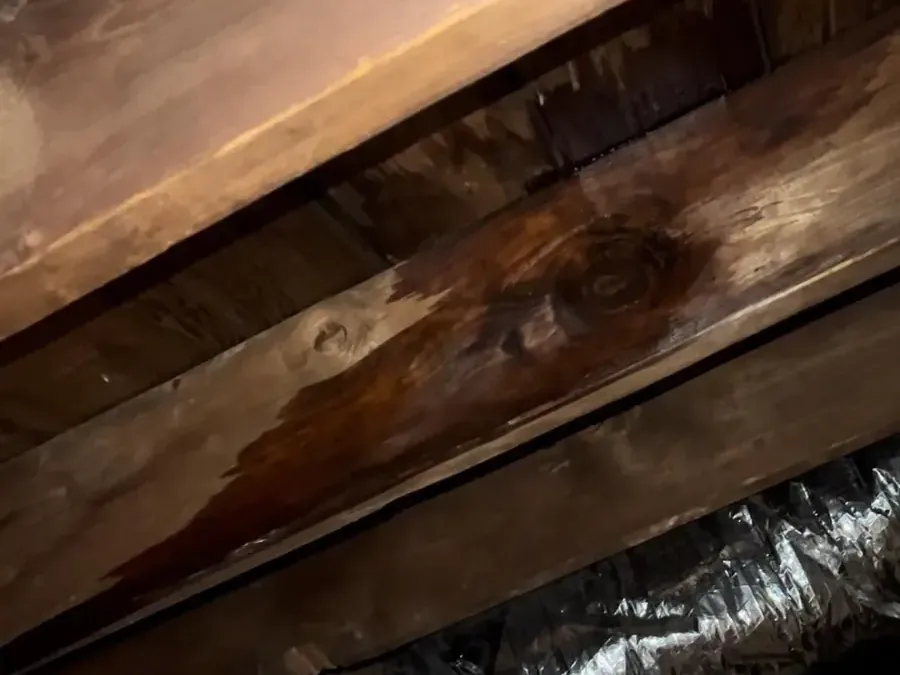
Roof Leak Water Damage
Roof repair findings inform checks of decking, rafters, insulation, and wall tops beneath the rain path.
View service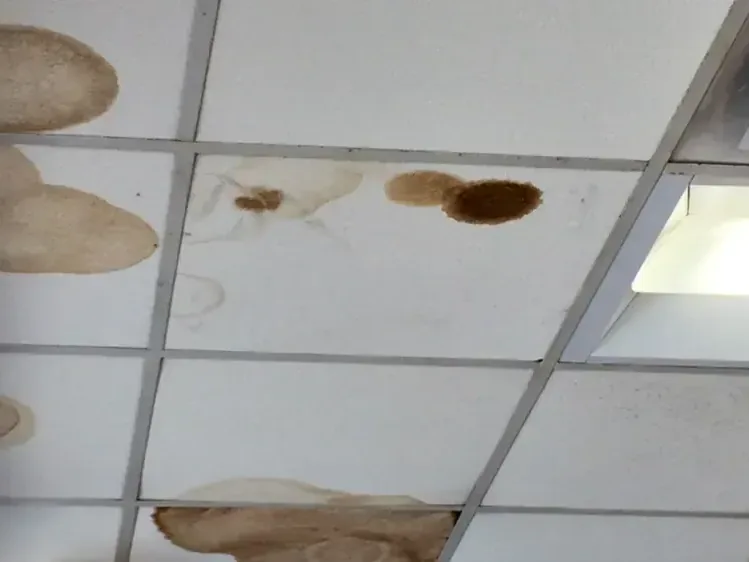
Ceiling Leak Water Damage
The room below is protected while unstable ceiling sections and the wet cavity receive a controlled access plan.
View service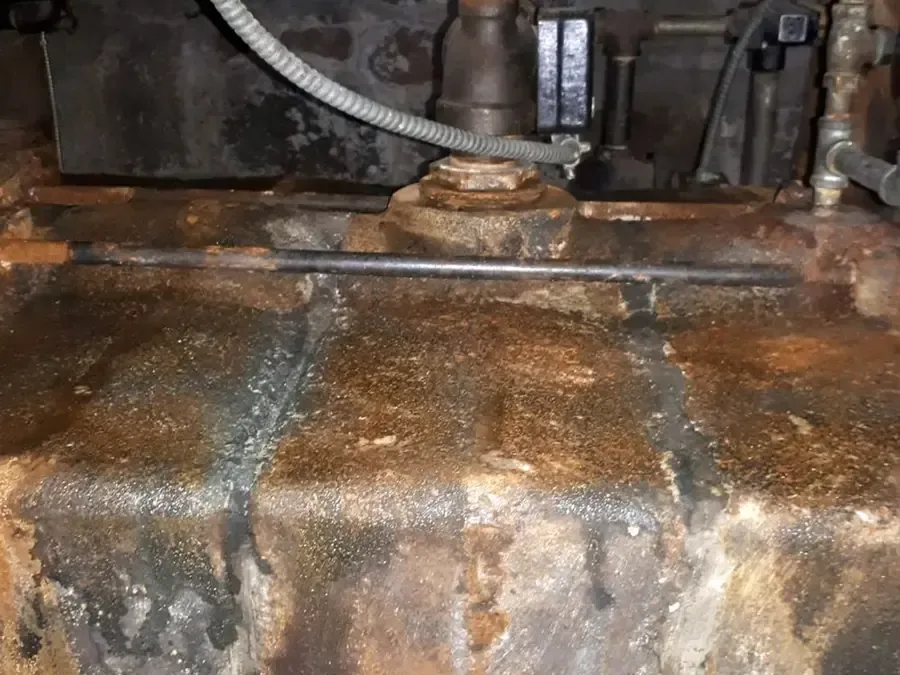
Water Heater Leak Cleanup
Tank isolation allows inspection of the closet threshold, shared walls, and the floor hidden beneath the unit.
View service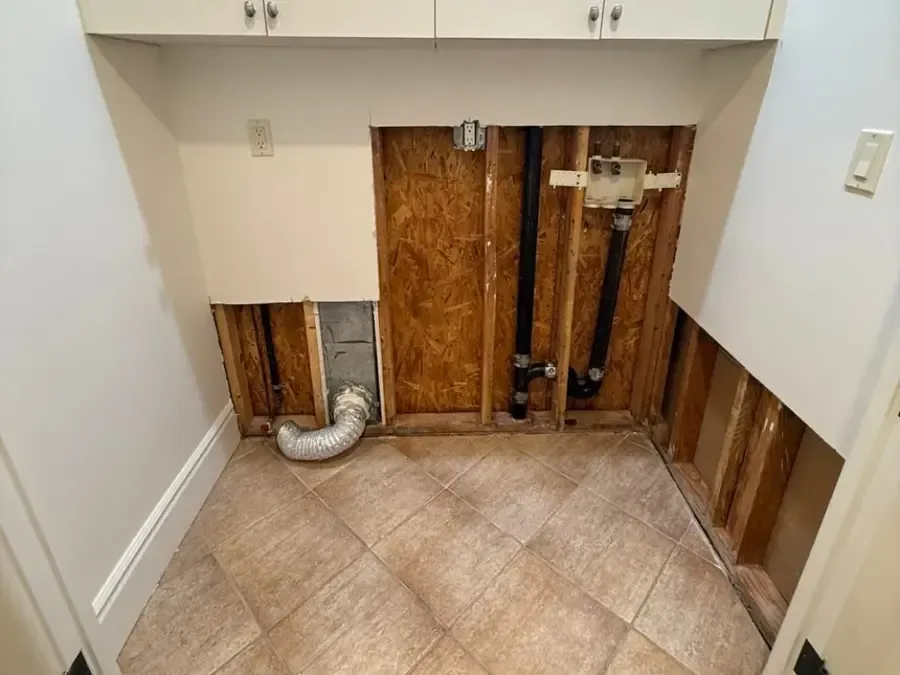
Appliance and Supply Hose Leaks
Cabinet recesses and flooring beneath the machine are tested before the appliance returns to its position.
View service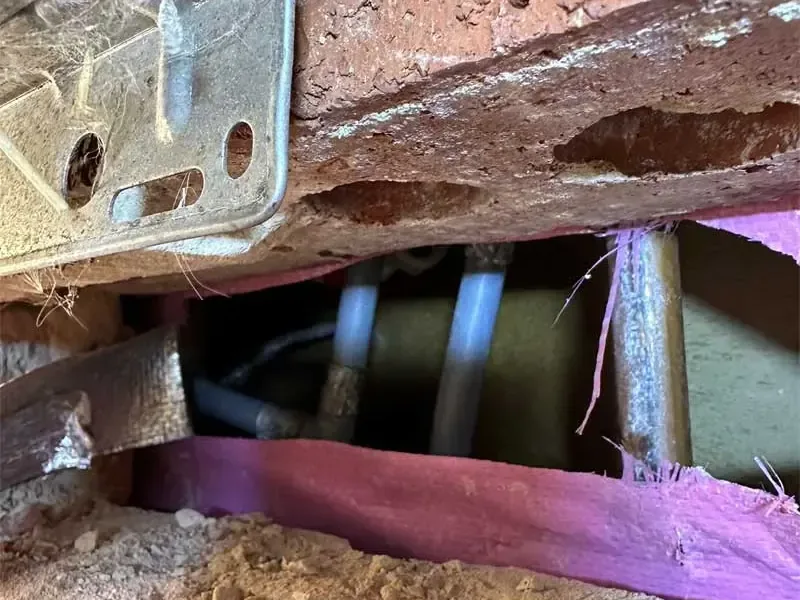
Crawl Space Water Removal
Utilities and entry hazards are checked before pumping and measuring joists and subfloor from underneath.
View service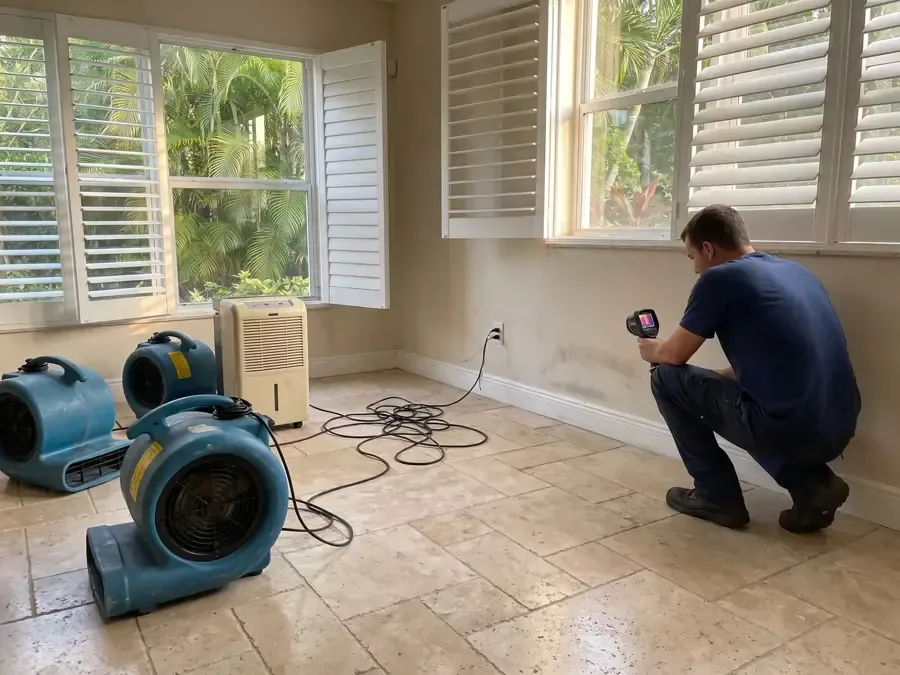
Structural Drying and Dehumidification
Material response determines airflow, vapor removal, and access changes throughout the drying period.
View service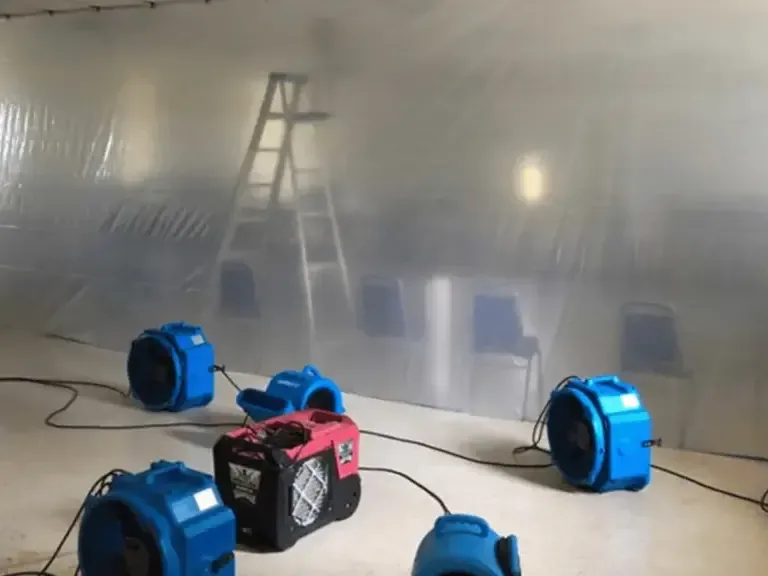
Commercial Water Damage
Operational zones and equipment routes organize recovery, with completed areas released through a recorded handoff.
View serviceHow local restoration decisions are made
Technicians connect source findings with moisture measurements so the work follows wet materials instead of stains, room borders, or assumptions about local construction.
East bank service coverage
The service area includes Great River Road, Airline Highway, Ormond Estates, and the Mississippi River, without using place names to predict a property condition.
Separate source and restoration roles
Plumbers and roofers correct failed components, while restoration crews extract water, clean affected construction, create access, and manage drying.
Material based completion
Drywall, wood, concrete, insulation, flooring, and cabinets receive reference readings, so technicians track each material through drying and document its completion.
Organized project evidence
Photographs, diagrams, material notes, equipment records, and completion readings explain why the scope changed and when the work reached its goals.
Source categories shape cleanup and material choices
Clean supply water at release
A fresh supply failure may begin with low contamination, although contact and time can change the category and material decisions.
See burst pipe cleanupWater with added contamination
Some appliance discharges and standing losses need added cleaning controls and closer evaluation of porous finishes.
See appliance leak cleanupSewage and outside water
Sewage and exterior flooding require restricted access, porous material removal, physical cleaning, air control, and drying after preparation.
See sewage cleanupDrying ends at documented material goals
The technician compares wet assemblies with suitable unaffected references, records the controlled air conditions, and changes access or equipment when a material stops making useful progress.
- 1
Define the moisture boundary
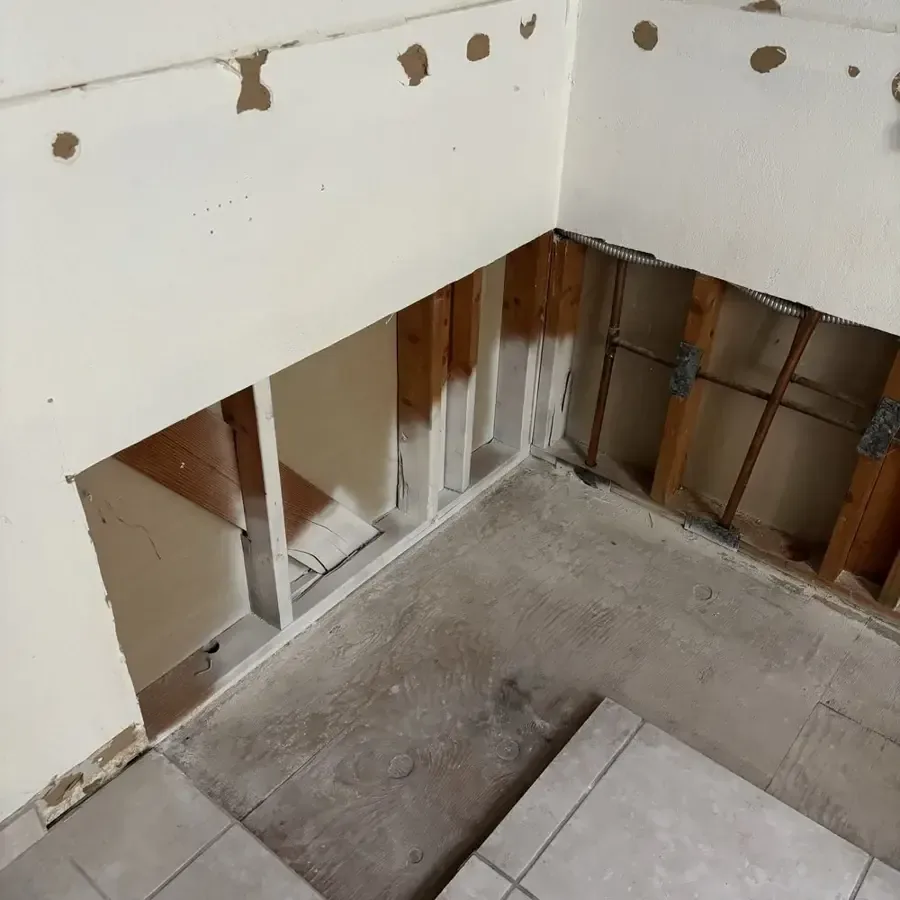
Thermal patterns focus the search, while meters confirm wet flooring, walls, cabinets, insulation, concrete, and framing.
- 2
Remove liquid and barriers
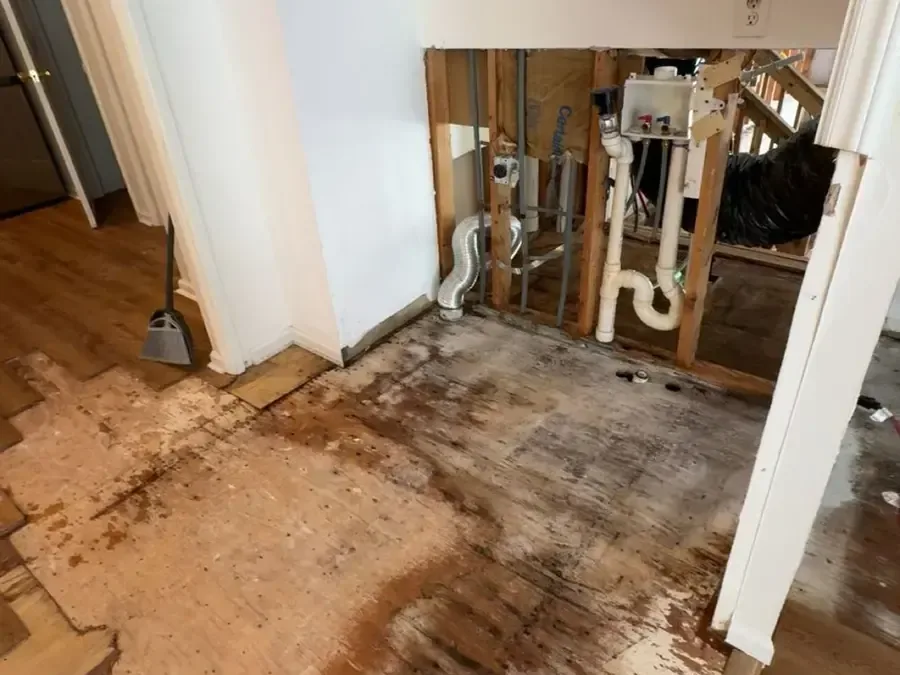
Extraction handles liquid water, and selective openings expose material that cannot dry effectively behind an intact finish.
- 3
Control evaporation and vapor
Air movement releases moisture while dehumidification captures vapor inside the managed work area.
- 4
Confirm every target
Final readings return to the same monitoring points and are saved with photographs and work notes.
Documentation for an insurance discussion
A useful file separates the reported cause, repair information, affected materials, restoration decisions, drying measurements, and invoices.
- Wide photographs before major material changes
- Source and repair findings from the appropriate contractor
- Room diagram with measured moisture boundaries
- Equipment placement and progress readings
- Completion values, invoices, and written communication
Ask the insurer about policy terms
Coverage depends on the policy and reported cause. The property owner can report the event promptly, keep the claim number, and ask what approvals or records are required.
Restoration staff document observed conditions and completed work. The insurer decides coverage, while repair contractors document the pipe, roof, appliance, or other source. Main services add context.
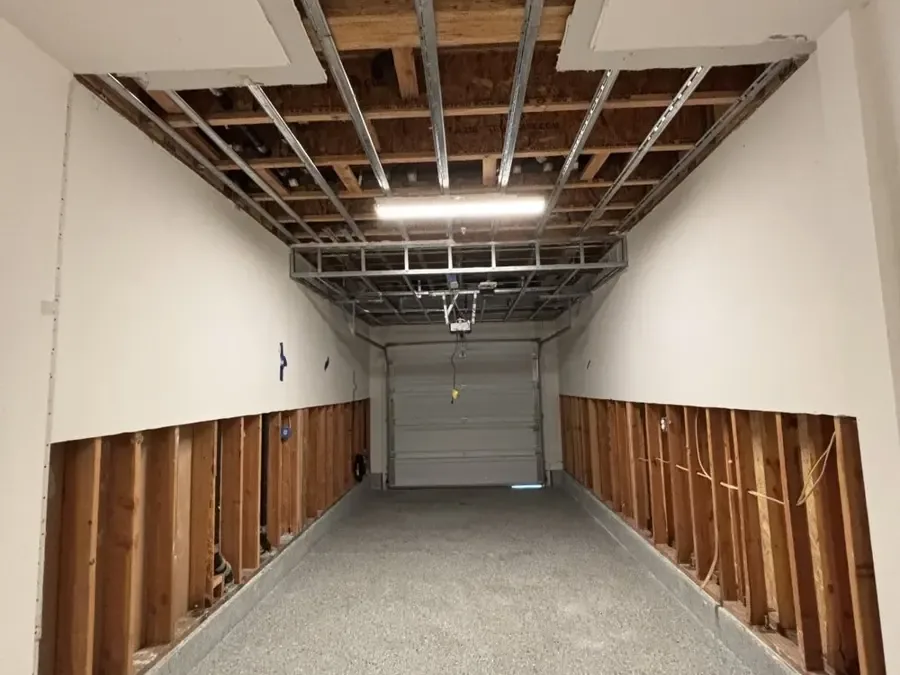
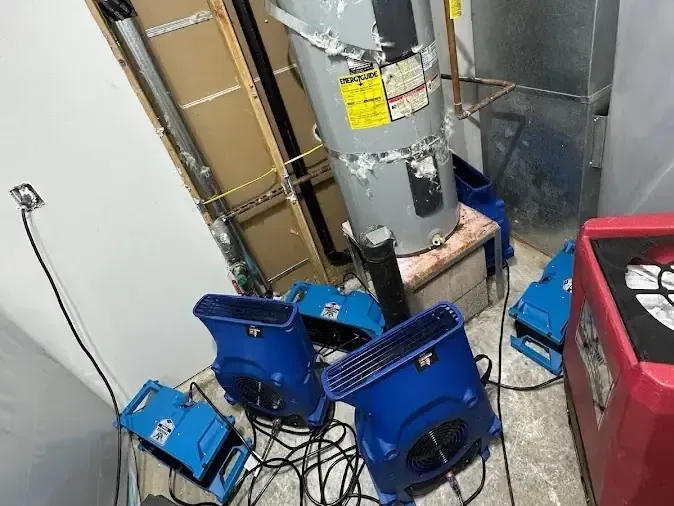
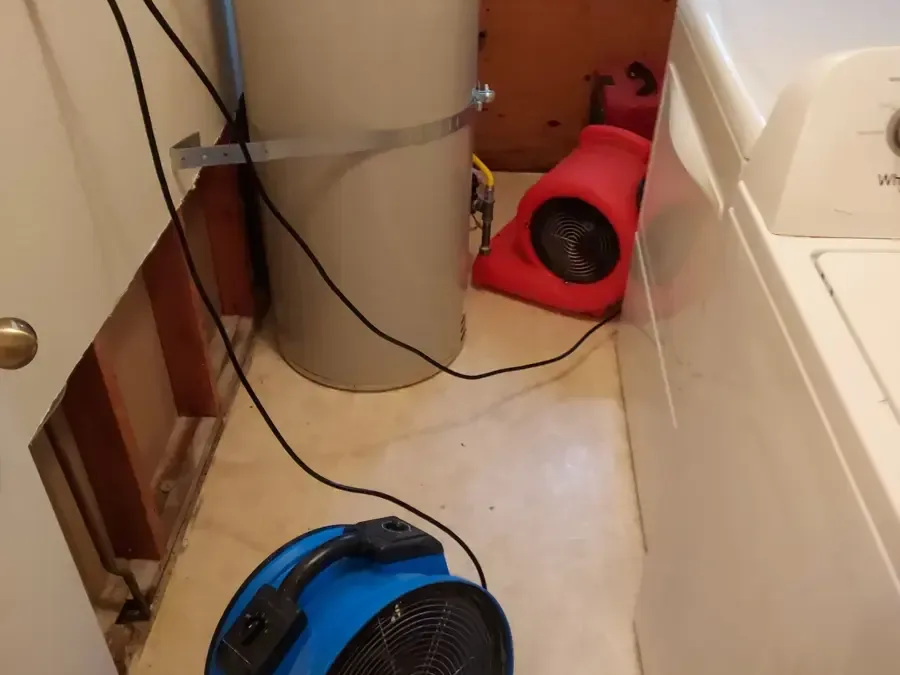
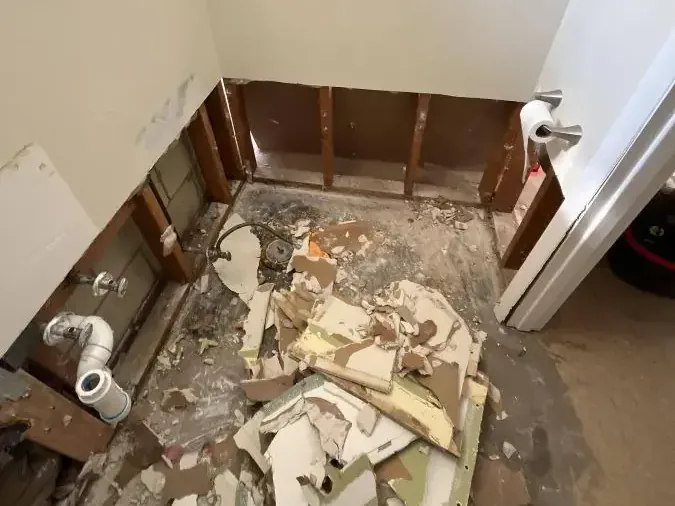
Extraction, access, containment, and structural drying
What can water restoration cost?
A contained clean water project may begin near $1,200, while broad flood or sewage restoration can reach $15,000 or more. Category, area, materials, access, cleaning, removal, equipment, and monitoring determine the actual scope.
Contained clean water
$1,200 to $3,200
- Source controlled
- Limited assembly area
- Focused extraction and drying
Several affected rooms
$3,200 to $7,500
- Water crossed transitions
- Multiple equipment zones
- Daily material measurements
Flood or sewage work
$7,500 to $15,000+
- Contamination controls
- Porous material removal
- Cleaning and broader drying
These amounts are planning ranges rather than a quote. The water damage cost calculator shows how source, area, and materials affect an early range.
Water damage help across the community
Places and corridors served
ZIP area
Nearby communities
Describe the source and affected spaces
A useful dispatch description includes whether water is still entering, which rooms show damage, whether sewage or outside water is involved, and any electrical or ceiling concern.
Restoration stays focused on water and sewage extraction, contamination control, material access, structural drying, and the measurements that explain completion.
Destrehan, LA · [email protected]
Intense rain can outrun drainage capacity
Storm history, public water events, humid conditions, and occasional freezes provide context for local preparation and inspection.
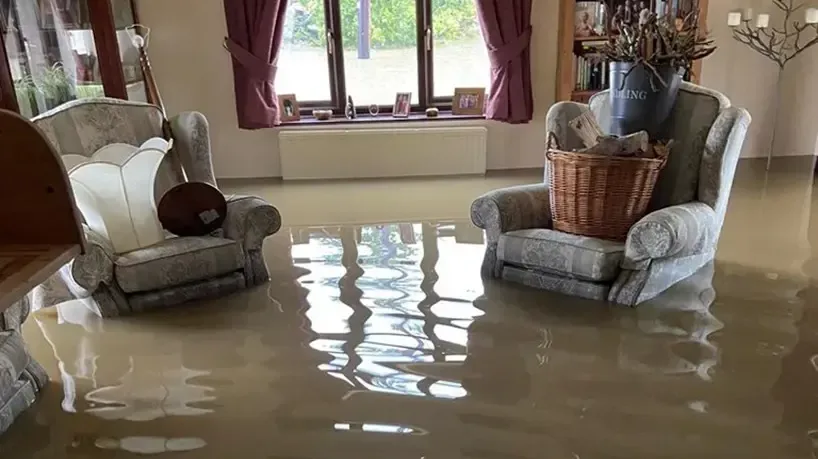
July 2020 rain: Nearly seven inches of rain fell in about an hour, and reported home flooding affected Ormond Estates and Murray Hill Drive during that event.
- 01High intensity rainfall Officials said intense rain could exceed drainage capacity, so inspection should include adjoining rooms, wall bases, cabinets, and floor layers.
- 02Railroad drainage constraint A parish official described a railroad drainage constraint after the July event without assigning it to every property.
- 03Public water interruptions Ruptures in January 2017 and April 2018 show why source findings should separate utility events from private plumbing damage.
- 04Humid outdoor air Controlled dehumidification keeps damp replacement air from slowing moisture release from framing, drywall, flooring, and concrete.
- 05Brief severe cold Regional guidance recommends insulating exposed pipes, draining outdoor hoses, protecting hose bibs, and avoiding open flames for thawing.
Destrehan Water Damage Questions
Water still moving?
Start with safe source control, then use direct material readings to define the full extraction area and every structural drying boundary.
(888) 417-5665Request a local moisture mapHow quickly should standing water be addressed?
Active water deserves prompt attention after electrical and structural hazards are controlled. Early extraction limits the water available to soak into wall cavities, cabinet bases, insulation, floor layers, and adjoining rooms.
How do technicians find water beyond the stain?
Thermal patterns identify areas worth testing, while direct meter readings confirm moisture in specific materials. Testing continues outward to locate comparable dry construction at the outer edge of the affected materials.
Does every wet wall need to be removed?
No. Sound material may remain when contamination is absent, access is adequate, and readings improve. Before choosing an opening, the crew checks for weakness, delamination, sewage contact, and cavities that prevent drying in place.
Why is sewage cleanup handled differently?
Inside the isolated work zone, sewage requires restricted entry, controlled removal of porous materials, physical cleaning, and careful air management before normal structural drying begins in the prepared area.
What does dehumidification accomplish?
As wet materials release moisture, dehumidifiers remove that vapor from the controlled room. Throughout the controlled room, air movement and vapor removal work together rather than acting as substitutes.
How is the dry finish verified?
Technicians return to repeatable points in affected materials and compare them with selected goals. Completion requires readings at every repeatable target; surface feel and room comfort alone cannot establish it.
What should be kept for a claim?
For one consistent event record, the owner should save source and repair findings, room photographs, moisture diagrams, material decisions, equipment records, progress measurements, completion values, invoices, and insurer communication.
Can outside floodwater be treated like a pipe leak?
No. Outside water can carry soil, sewage, chemicals, and microorganisms. It requires contamination controls and conservative decisions about porous materials and concealed spaces beneath the visible finish.
What determines restoration cost?
After the site moisture map is complete, water category, affected area, material type, access, extraction volume, cleaning, removal, contents, equipment, power, and monitoring requirements shape the final work scope.
Stop the water path before another assembly becomes wet
Destrehan technicians coordinate extraction, controlled cleanup, material access, structural drying, and a clear record of measured conditions.