Ceiling Leak Water Damage in Destrehan, LA
A ceiling stain can come from roofing, plumbing, an appliance, or water from an upper room. Before material is opened, technicians protect the area below, identify the source, and test the concealed assembly.
(888) 417-5665Schedule ceiling water help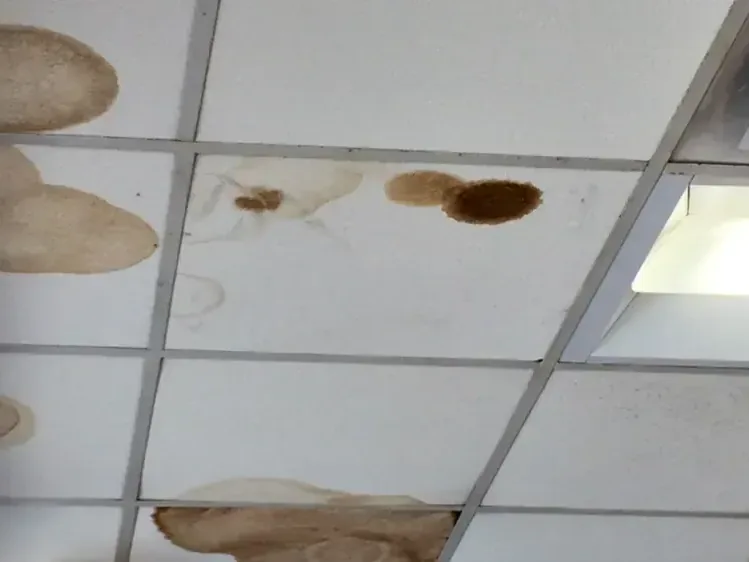
Why the ceiling leak water damage plan follows the water
Rapid local response
The response team dispatches 24/7 for active water and starts with source control, safety and a full moisture boundary.
IICRC S500 drying standard
The drying team sets category and class, chooses equipment for the evaporation load and verifies progress with daily readings.
Claim-ready documentation
The record can include the source, room diagram, moisture map, category, class, daily logs and photos before removal.
River Parish water knowledge
The crew plans for tropical rain, storm surge, humid air, supply failures and occasional freezing conditions.
How ceiling leak is handled in Destrehan
Protect the room below
Occupants, contents, electrical fixtures, and flooring are separated from dripping or unstable ceiling material.
Identify the overhead source
Repair findings distinguish roof entry, plumbing, and upper room water before the cavity is closed.
Open only what is necessary
Controlled access exposes wet insulation, board, and framing without removing unaffected ceiling sections.
Verify the concealed structure
Joist, wall top, ceiling, and floor readings document progress and the stable finish condition.
First steps for ceiling leak water damage in Destrehan
Clear the area below
Move people away from sagging material, active drips, wet lights, and ceiling debris. Do not stand beneath a bulge to inspect it.
Avoid electrical contact
Do not touch switches or fixtures in the wet zone. Qualified electrical help addresses unsafe components before ordinary work continues.
Stop the confirmed source
A plumber or roofer handles the repair appropriate to the actual cause. Restoration protects and dries the affected construction.
Preserve useful observations
Photograph the stain and room from outside the hazard area. Note rain, fixture use, or upper room activity that occurred before discovery.
The safest response to a ceiling leak begins below the stain. Furniture and occupants are kept away from sagging material, wet lights, and dripping electrical fixtures. The crew then works backward from the visible damage toward the likely source. A small stain can sit beneath a wider wet cavity, so direct readings matter before the ceiling is patched or painted.
What does ceiling leak water damage cost in Destrehan, LA?
Ceiling leak water damage projects generally range from $1,100 to $6,200 or more. Source access, ceiling stability, insulation, electrical concerns, wall travel, floor damage, openings, and drying determine the scope.
Focused loss
$1,100 to $2,774
- Source controlled
- Small ceiling section
- Limited cavity drying
Multi-room loss
$2,774 to $4,340
- Water crossed wall tops
- Insulation or flooring wet
- Several monitoring points
Complex loss
$4,340 to $6,200+
- Unstable overhead material
- Difficult source access
- Broader opening and drying
Ranges are typical, not a quote: category of water, square footage, material class and how fast drying started move the number most. Run the water damage cost calculator for a closer range.
Distinguishing roof water from overhead plumbing
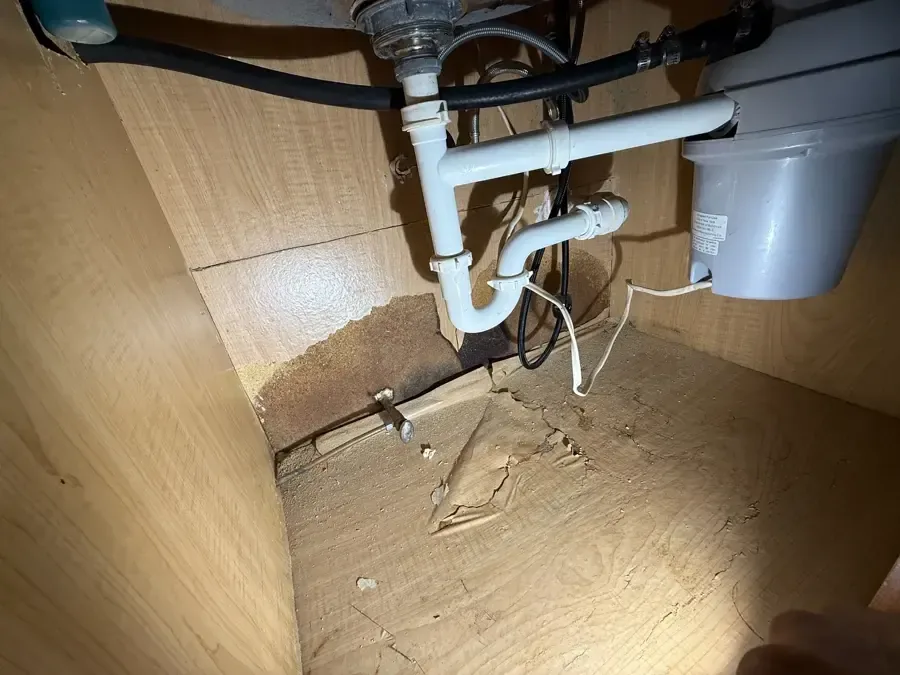
Timing provides a useful starting clue. Moisture that appears during rain can support a roof investigation, while continuous dripping or a change after fixture use can point toward plumbing. Neither clue is enough by itself. A roofer or plumber confirms the repair issue, and restoration technicians map affected ceiling board, insulation, joists, wall tops, and the floor below.
Destrehan has documented public water interruptions from a January 2017 rupture and an April 2018 water main break. Those events do not identify the source in a current ceiling. The project record should state whether the observed cause involved a private pipe, roof entry, an upper appliance, or remained under investigation at the time restoration began.
- Note when dripping started and what conditions preceded it
- Keep wet light fixtures outside the occupied zone
- Test beyond the stain in several directions
- Inspect the wall below for concealed downward movement
- Confirm repair responsibility before the cavity is closed
Opening a ceiling without creating a second problem
Ceiling board loses strength when saturated. A bulge can release both water and material, so it should not be punctured by an occupant. Technicians protect the floor, establish a controlled work area, and release trapped water with the room cleared. Unsound board is removed to stable edges. Sound material can remain when the hidden side is accessible and readings show it can dry.
Insulation receives a separate evaluation. Saturated material may hold water against joists and slow evaporation. Loose debris requires careful handling so it does not spread through the room. The smallest opening that permits inspection, cleaning, and airflow is preferred over an arbitrary roomwide cut.
- Clear the floor beneath any controlled opening
- Support safe access and protect nearby contents
- Remove only weakened or inaccessible wet ceiling sections
- Assess insulation by type, condition, and saturation
- Photograph the cavity before drying equipment is placed
Drying the overhead assembly
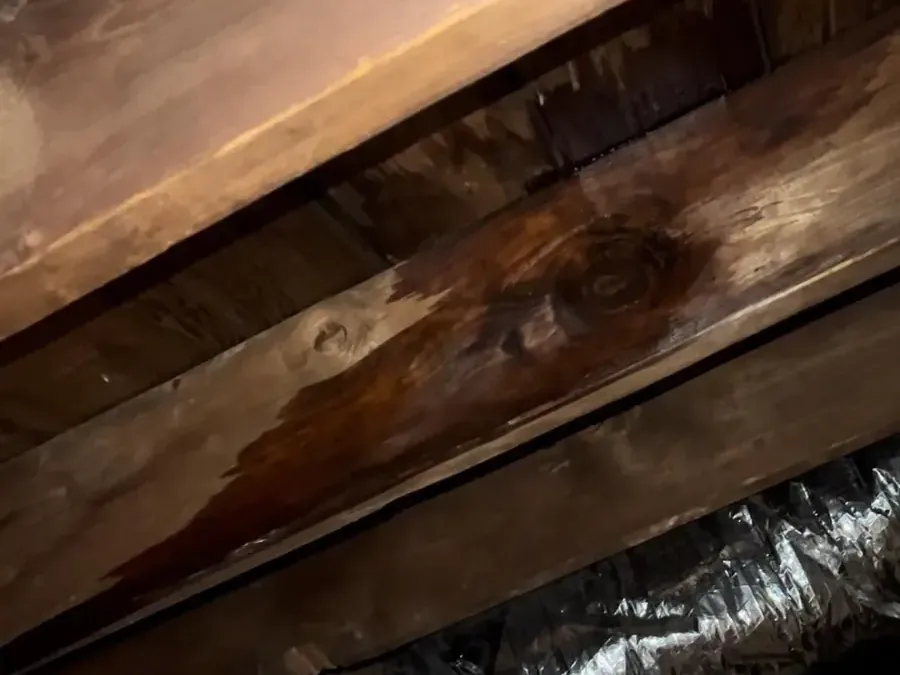
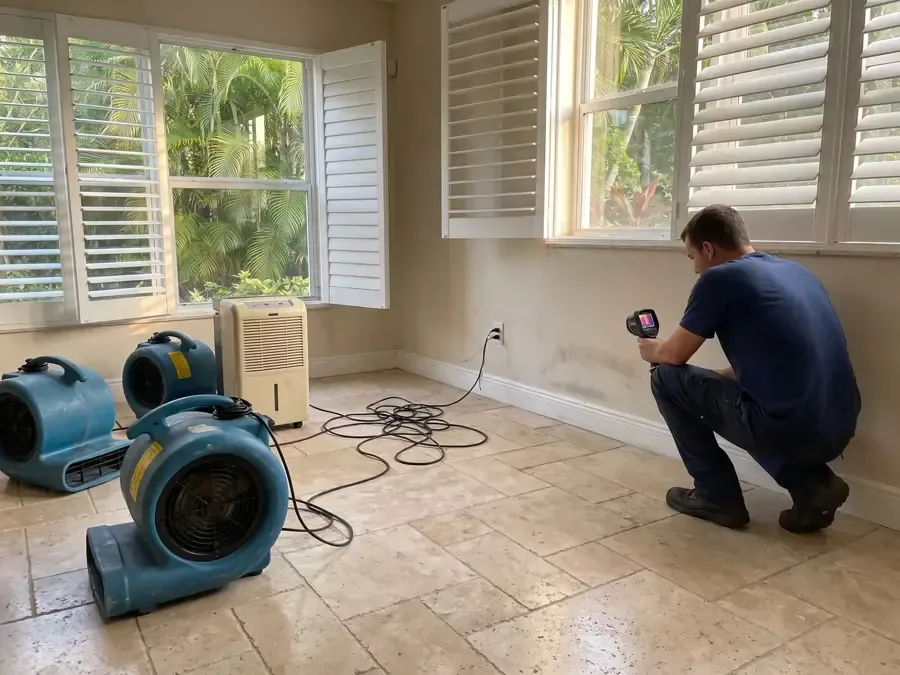
Joists, subfloor above, roof framing, drywall backs, and wall plates do not dry at the same speed. Directed air reaches exposed surfaces, and dehumidification manages vapor in the room. Cavity drying attachments may help where a limited opening provides access. Equipment should not send debris or contaminants across the occupied area.
Technicians mark repeatable measurement points in the ceiling structure and compare them with dry references. The floor below is also checked because dripping water can create a second moisture zone. If a joist bay stops improving, the team looks for hidden insulation, limited air exchange, or an unresolved source. Structural drying information explains the monitoring logic.
- Measure the upper surface when access permits
- Direct airflow through a controlled opening
- Track the wall plate below the wet cavity
- Inspect flooring where water dripped or pooled
- Confirm stable readings before repairs conceal the area
Service coverage and a complete ceiling record
Technicians serve Destrehan around Airline Highway, Great River Road, Destrehan Plantation, and Ormond Estates. Those locations establish coverage only. Each ceiling loss needs its own source finding and moisture boundary. Regional severe weather supports checking roof assemblies after rain, while local water system history supports keeping public events separate from private plumbing evidence.
A complete file can combine repair findings, initial photographs, the ceiling diagram, material condition notes, openings created, equipment placements, progress measurements, and final readings. The insurer applies the policy. Destrehan water damage services show related roof, pipe, extraction, and drying options for connected losses.
Ceiling repairs can hide the most useful monitoring surface, so completion is documented before new board, insulation, or paint closes the cavity. Final images identify the exact measurement points for the property record. The room record also identifies any fittings awaiting repair, allowing the next trade to plan access without disturbing completed drying work.
Ceiling leak water damage across Destrehan and nearby communities
Ceiling leak restoration covers properties around Airline Highway, Great River Road, local Plantation, Ormond Estates, and Murray Hill Drive. Source findings and measurements determine the present scope.
The same service nearby: ceiling leak water damage in LaPlace, Norco, Luling.
Related water damage services in Destrehan
Ceiling Leak Water Damage questions in Destrehan, LA
A ceiling is staining, dripping, or sagging?
Technicians assess overhead stability and protect the room before opening wet ceiling material.
(888) 417-5665Request overhead water helpIs a brown ceiling stain always a roof leak?
No. Roof entry, overhead plumbing, appliances, and water from an upper room can create similar stains. Timing, repair findings, and moisture patterns distinguish them. The current repair finding controls the conclusion.
What should happen with a ceiling bulge?
Occupants should stay away and avoid puncturing it. Technicians can protect the room, control the release, and assess weakened board and the cavity above.
Can wet ceiling drywall dry in place?
Sound board may remain when contamination is absent, both sides can release moisture, and readings improve. Sagging, delamination, blocked access, or contamination can require removal.
How is insulation above a ceiling evaluated?
Type, saturation, cleanliness, physical condition, and access matter. Wet insulation can hold water against framing and may need removal from the measured cavity.
Why is the floor checked too?
Water dripping from above can soak carpet, flooring seams, cabinets, or subfloor below. The lower surface becomes a separate moisture area with its own readings.
When can the ceiling be repaired?
Finishing should wait until the source is controlled, unstable material is addressed, and retained joists, walls, and board meet documented drying goals.
What factors shape the price?
Ceiling height, access, source type, insulation, electrical fixtures, affected floor area, containment, material removal, equipment, and monitoring all influence the restoration scope.
Protect the room before opening the concealed assembly
The response team identifies the source path, creates controlled access, dries framing and walls, and records the measurements needed before repair.