Water Heater Leak Cleanup in Destrehan, LA
A failed tank, valve, connector, or drain pan can wet flooring and wall bases before water leaves the closet. Before tank replacement, the crew coordinates safe equipment isolation, extracts water, and tests the adjoining walls and floor.
(888) 417-5665Request tank leak cleanup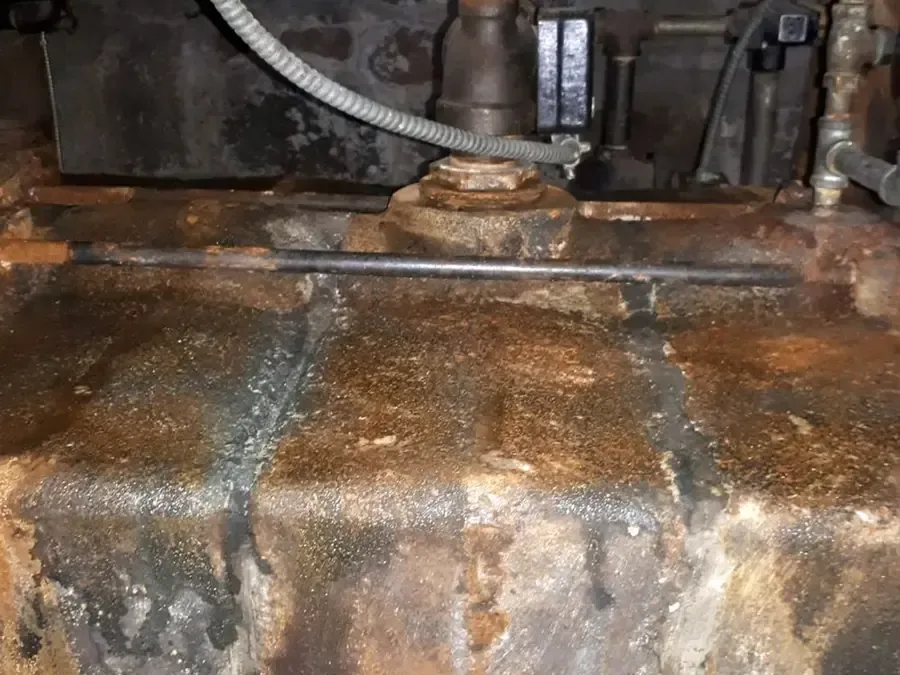
Why the water heater leak cleanup plan follows the water
Rapid local response
The response team dispatches 24/7 for active water and starts with source control, safety and a full moisture boundary.
IICRC S500 drying standard
The drying team sets category and class, chooses equipment for the evaporation load and verifies progress with daily readings.
Claim-ready documentation
The record can include the source, room diagram, moisture map, category, class, daily logs and photos before removal.
River Parish water knowledge
The crew plans for tropical rain, storm surge, humid air, supply failures and occasional freezing conditions.
How water heater leak is handled in Destrehan
Make the tank area safe
Qualified repair help isolates water, electrical, or gas concerns before the closet is treated as a normal work space.
Expose the complete water path
Extraction and meter checks follow the floor perimeter, wall bases, threshold, and any adjoining room.
Dry the confined assemblies
Compact airflow arrangements and dehumidification address the closet, subfloor or slab, and shared walls.
Document before replacement closes access
Final readings and photographs show the condition beneath and around the tank location before finishes conceal it.
First steps for water heater leak cleanup in Destrehan
Avoid tank utilities
Do not touch wet electrical connections, gas controls, or hot water components. A qualified contractor makes the heater safe for inspection.
Use a reachable shutoff only
Close the water supply when the valve and path are safe. Do not climb over pooling or unstable flooring to reach equipment.
Protect the adjoining room
Move dry contents away from the closet threshold. Leave saturated items in place until a controlled handling route is established.
Save repair information
Photograph visible water and the tank area from a safe location. Keep plumber or appliance findings with restoration records and invoices.
Water heater leaks often begin inside a small mechanical space but do not stay there. Water can run beneath the tank, pass through a closet threshold, soak baseboards, and reach the room on the opposite side of a wall. The appliance contractor or plumber addresses the tank and connections. Restoration focuses on liquid removal and wet construction.
What does water heater leak cleanup cost in Destrehan, LA?
Water heater leak cleanup commonly ranges from $1,300 to $6,800 or more. Tank access, released volume, closet construction, floor layers, adjoining rooms, wall cavities, extraction, and drying determine the scope.
Focused loss
$1,300 to $3,078
- Tank isolated
- Closet area contained
- Focused extraction and drying
Multi-room loss
$3,078 to $4,760
- Water crossed the threshold
- Wall or subfloor affected
- Several measurement zones
Complex loss
$4,760 to $6,800+
- Difficult tank access
- Cabinets or cavities involved
- Broader material treatment
Ranges are typical, not a quote: category of water, square footage, material class and how fast drying started move the number most. Run the water damage cost calculator for a closer range.
Making the mechanical area safe to inspect
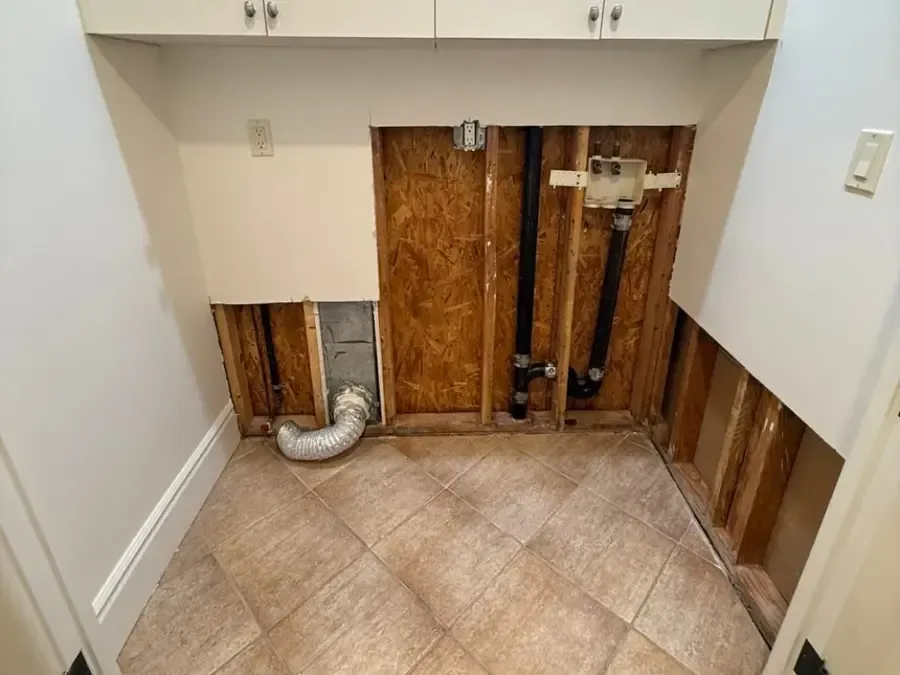
Water near electrical components, gas equipment, hot surfaces, or a pressurized tank calls for careful isolation. Occupants should not disconnect utilities or move a filled heater unless qualified to do so. Once the equipment condition is safe, technicians inspect the pan, floor, wall perimeter, supply connections, and the path out of the closet.
The installer should establish applicable permit requirements before replacement work begins and record any inspection needed before the tank returns to service. St. Charles Parish Waterworks and the public main events from January 2017 and April 2018 provide water system context, but they do not explain a current tank leak. Current appliance and plumbing findings establish the source.
- Confirm safe tank and utility isolation
- Check the drain pan and every closet edge
- Inspect the opposite side of shared walls
- Test the flooring beyond the visible trail
- Document corrosion or component failure without assigning cause
Extracting water from a confined closet
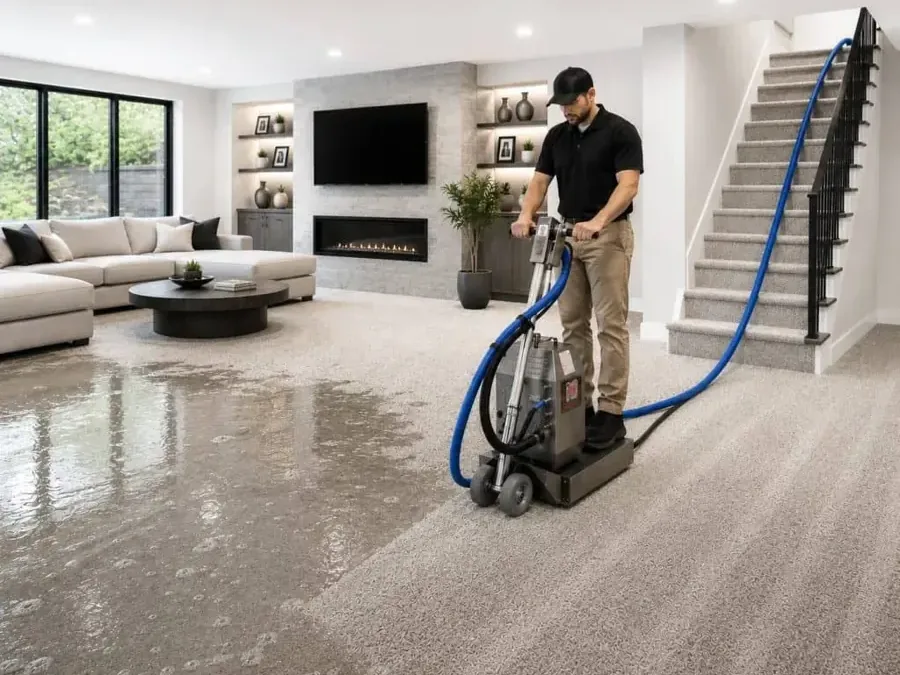
Portable extraction tools are useful where a larger unit cannot reach the floor beside a tank. Water is removed from accessible surfaces, thresholds, and the room beyond. If the heater must be moved for repair or replacement, restoration measurements are taken before and after access so the newly exposed floor and wall surfaces can be included.
Baseboards and toe kicks can trap water at the perimeter. Vinyl or tile may conceal damp underlayment. A closet built over wood flooring can allow moisture into the subfloor, while concrete requires its own comparison readings. The crew avoids assuming that a dry center means the edges are dry.
- Use compact extraction tools beside the appliance
- Test beneath removable floor transitions
- Open trim only where it blocks wet wall access
- Protect the adjacent room from hose and equipment traffic
- Repeat measurements after the tank area is exposed
Drying walls, flooring, and cabinet components
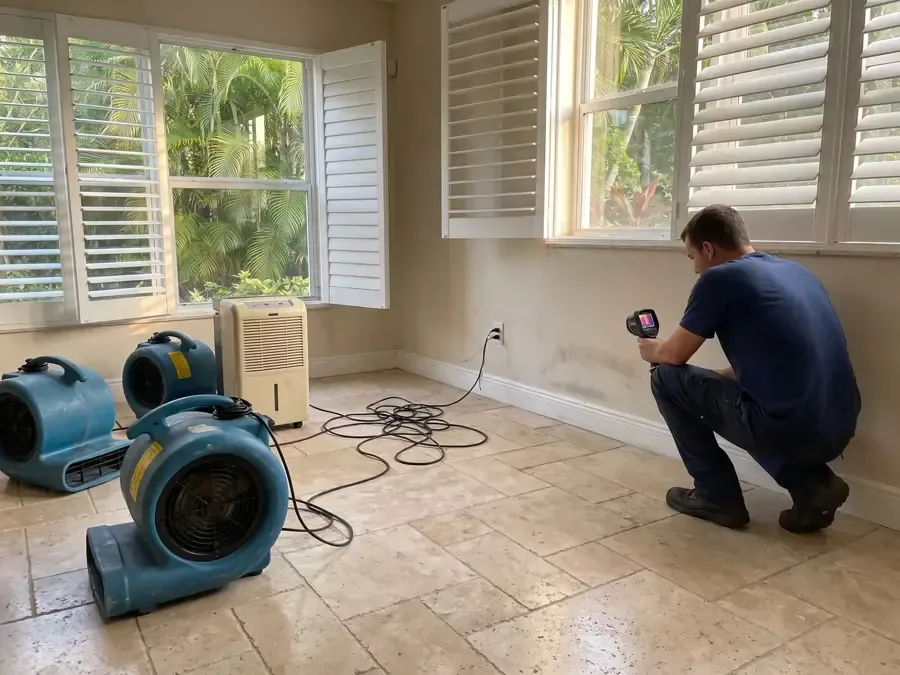
The small footprint can make airflow difficult. Equipment is arranged to reach the closet floor, wall bottoms, and any connected room without overheating the enclosure. Dehumidification manages moisture released into the indoor air. A wall shared with a cabinet or living space is tested from both accessible sides.
Technicians compare affected floor and framing readings with suitable dry material. Equipment placement changes when one corner or wall remains high. The water heater cleanup service in LaPlace covers the main area, and the Destrehan hub lists related local extraction and drying work.
- Create an airflow path around the former tank footprint
- Measure wall bases at corners and utility penetrations
- Check subfloor or slab separately from the finish
- Monitor the room across the shared wall
- Confirm completion before the new installation is concealed
Connecting repair records with restoration records
Useful documentation includes the component reported to have failed, tank or plumber findings, photographs of the closet, rooms reached by water, the moisture diagram, material access, equipment dates, and completion readings. The restoration crew records observed corrosion but does not invent the age of the heater or the reason it failed.
Service is available around Great River Road, Airline Highway, Ormond Estates, and the Mississippi River setting. Those references establish coverage. The scope for a particular water heater loss still comes from the observed water path and material condition. The insurer decides how the reported event is treated under the policy.
The empty tank footprint offers the best opportunity to verify surfaces that will soon be covered again. Technicians record floor and wall values before a replacement unit limits access, then attach those measurements to the repair and restoration sequence.
Any remaining finish repair is listed separately from the completed moisture work.
The final closet image preserves conditions before installation work resumes.
Water heater leak cleanup across Destrehan and nearby communities
Water heater cleanup is available near Great River Road, Airline Highway, Ormond Estates, Destrehan Plantation, and the Mississippi River corridor. The tank footprint receives separate completion measurements.
The same service nearby: water heater leak cleanup in LaPlace, Norco, Luling.
Related water damage services in Destrehan
Water Heater Leak Cleanup questions in Destrehan, LA
Water is leaving the heater closet?
Safe utility isolation allows the crew to inspect the heater footprint, threshold, and nearby wall bases.
(888) 417-5665Request tank leak restorationWho should disconnect a leaking water heater?
A qualified plumber or appliance contractor should handle the tank, water connection, electricity, and gas as applicable. Restoration technicians address escaped water and wet materials.
Can a drain pan prevent all damage?
A pan can collect limited water, but a blocked drain, large release, cracked pan, or overflow can still send water into flooring and walls.
Why is the room beside the closet tested?
Water can pass under a shared wall or threshold before becoming visible. Readings on both sides reveal whether drywall, base plates, flooring, or cabinets were reached.
Does the tank have to be moved?
Repair or replacement may require movement, and that access can reveal the floor below. The appliance contractor handles the tank while restoration documents exposed materials.
Can tile below a heater hide water?
Yes. Grout, setting material, underlayment, and slab or subfloor can remain damp beneath a normal looking surface. Direct readings at edges and access points are needed.
What documents should be retained?
Keep tank or plumber findings, photographs, the moisture map, material notes, equipment records, completion measurements, invoices, and insurer messages in the same project file.
What drives cleanup cost?
Tank access, water volume, closet size, flooring layers, wall travel, cabinet contact, extraction, selective removal, equipment placement, and monitoring work shape the restoration scope.
Stop moisture before it crosses another wall or threshold
The team coordinates safe tank access, extracts water from confined areas, checks adjoining construction, and records drying beneath the appliance location.