Water Heater Leak Cleanup in Norco, LA
A leaking tank, relief discharge, valve, or connection can wet the appliance base and continue beneath nearby finishes. Cleanup begins after safe utility control, then checks thresholds, walls, flooring, and concealed contact points.
(888) 417-5665Check the tank area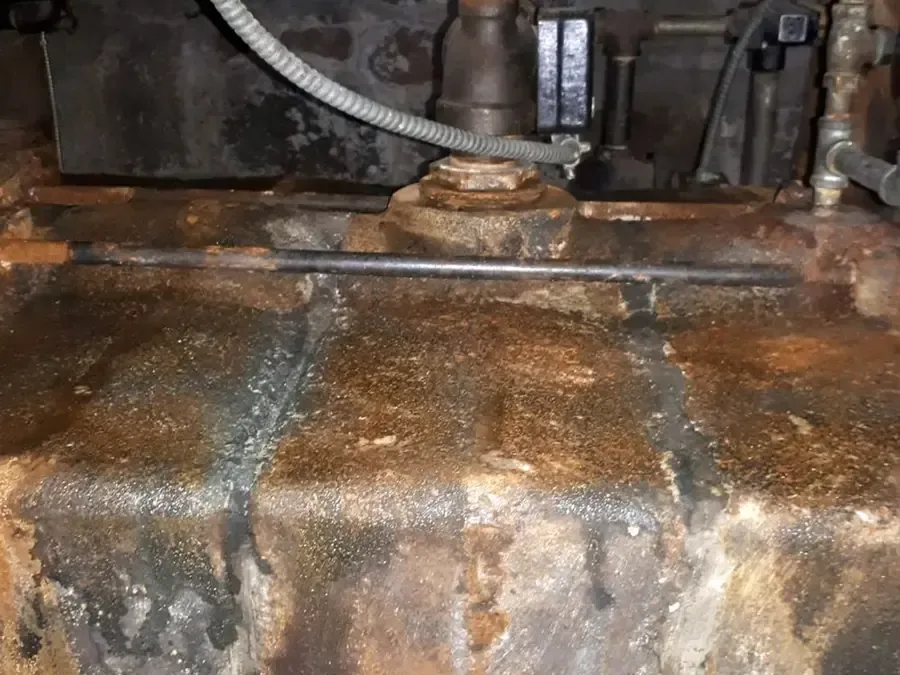
Why the water heater leak cleanup plan follows the water
Rapid local response
The response team dispatches 24/7 for active water and starts with source control, safety and a full moisture boundary.
IICRC S500 drying standard
The drying team sets category and class, chooses equipment for the evaporation load and verifies progress with daily readings.
Claim-ready documentation
The record can include the source, room diagram, moisture map, category, class, daily logs and photos before removal.
River Parish water knowledge
The crew plans for tropical rain, storm surge, humid air, supply failures and occasional freezing conditions.
How water heater leak is handled in Norco
Coordinate safe shutdown
Qualified repair help controls the appliance and identifies the failed tank, valve, fitting, or connected plumbing component.
Expose and extract the footprint
The crew recovers accessible water and examines the pan, platform, threshold, flooring, and surfaces formerly hidden by the tank.
Map adjoining materials
Direct readings trace moisture into shared walls, base trim, floor seams, and the neighboring room without assuming uniform spread.
Verify before replacement
Marked material points are dried and documented while the appliance footprint remains visible for inspection and completion photographs.
First steps for water heater leak cleanup in Norco
Avoid wet tank controls
Do not touch electrical, fuel related, or plumbing controls in a wet appliance area. Qualified professionals should make the tank safe and stop the release.
Keep the water from spreading
Use absorbent barriers only from safe dry footing and only for a small clean release. Do not block drains or push water beneath nearby finishes.
Clear a safe approach
Move dry portable contents without lifting or shifting the heater. Leave the appliance itself in place until the proper trade controls and evaluates it.
Record the concealed footprint
Photograph water edges, the pan or platform, wall contact, and adjoining flooring before the tank is moved or wet finishes are removed.
Water around a heater can originate from the tank shell, a valve, a fitting, or connected plumbing. The visible pool may be confined, yet the appliance footprint can block inspection of the floor below. In Norco, no local permit assumption belongs in the cleanup plan. The failed component and building condition must be evaluated directly. The community restoration page links tank losses with extraction and structural drying.
What does water heater leak cleanup cost in Norco, LA?
Water heater leak cleanup commonly ranges from $1,300 to $6,800 or more. Tank access, water spread, platform and floor layers, wall contact, removal, equipment, and monitoring determine the restoration scope.
Focused loss
$1,300 to $3,078
- Tank safely accessible
- Small floor footprint
- Limited wall contact
Multi-room loss
$3,078 to $4,760
- Water crossed threshold
- Platform or walls wet
- Several test locations
Complex loss
$4,760 to $6,800+
- Concealed floor spread
- Finish removal required
- Broader drying setup
Ranges are typical, not a quote: category of water, square footage, material class and how fast drying started move the number most. Run the water damage cost calculator for a closer range.
Make the appliance area safe for access
A water heater combines water with electrical or fuel related components, so occupants should not improvise utility controls. A qualified plumbing or appliance professional handles shutdown, diagnosis, repair, and replacement. Restoration workers enter after hazards are addressed and the source no longer releases water.
The crew records the tank base, pan if present, valves, visible corrosion, nearby walls, and water edge. Contents are removed from the path only when safe. If the appliance must move, photographs preserve the hidden footprint before extraction or demolition changes the conditions.
- Keep clear of wet utility components
- Use qualified help for tank shutdown
- Preserve the source diagnosis
- Photograph the appliance footprint and threshold
- Avoid reinstalling over untested material
Test the closet as a connected assembly
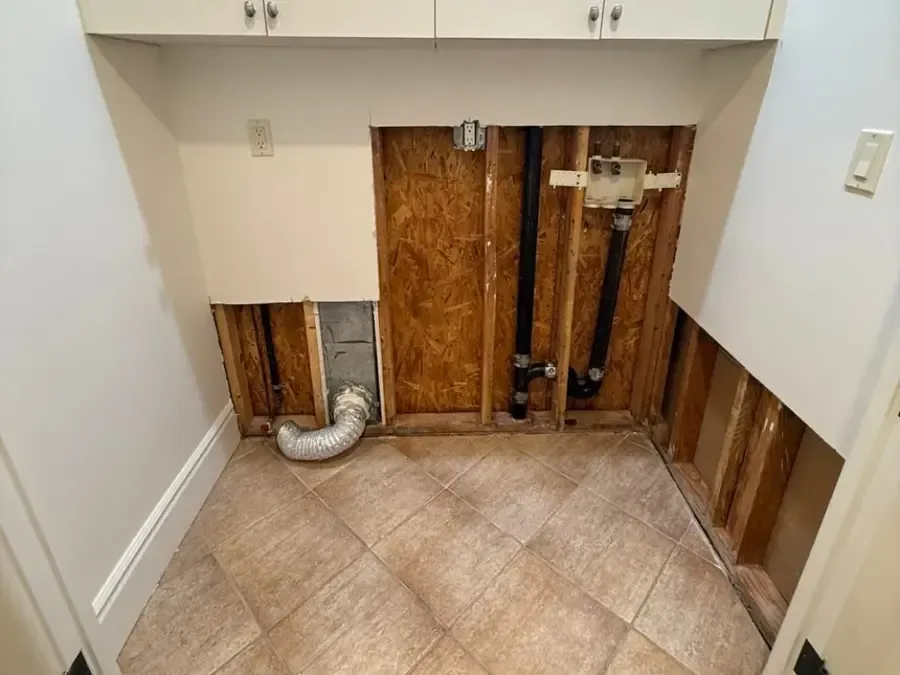
Closet walls, base trim, platforms, and thresholds can absorb water at unfinished edges. Water may pass under flooring into the next room without leaving a deep puddle. The inspection checks each accessible surface and extends through transitions until dry comparison material is reached.
A meter supplies direct evidence for wood, wallboard, and some finish systems. Thermal patterns help focus the search but need confirmation. Small access points can reveal moisture behind trim or beneath a platform. The scope follows the material response instead of assuming that every tank leak affects the same construction.
- Test the platform and floor as separate materials
- Check both sides of shared closet walls
- Inspect the threshold and adjoining finish seam
- Look beneath removable base trim where justified
- Mark dry references outside the affected footprint
Recover confined water before it reaches more layers
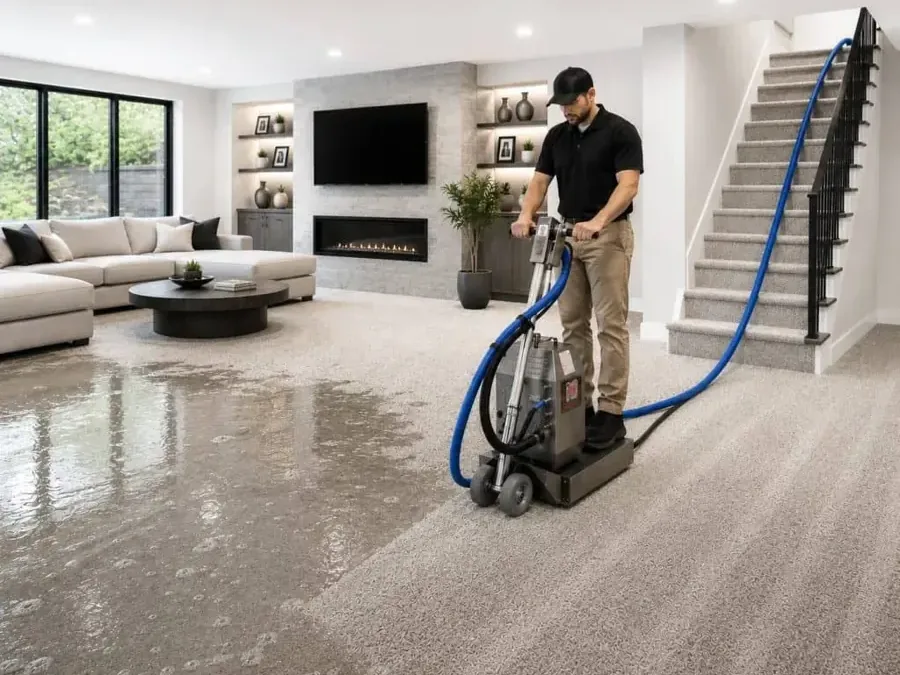
Compact extraction tools reach edges, pans, and exposed flooring after the tank is safely accessible. If water moved under a glued or floating finish, the crew determines whether recovery and drying are practical or whether limited removal is needed. Swollen composite material and delaminated finishes receive condition-based decisions.
At properties around Diamond, Airline Highway, and Norco Elementary School, the heater inspection begins with safe utility isolation and access to the leaking component. Technicians protect sound adjoining rooms, check the floor beneath the unit, and coordinate extraction with the plumber's repair or replacement plan.
- Extract the tank footprint and accessible edges
- Check beneath seams before placing air movement
- Remove failed material only within the map
- Protect dry rooms from equipment traffic
- Record what the appliance concealed
Dry and verify before the footprint disappears again
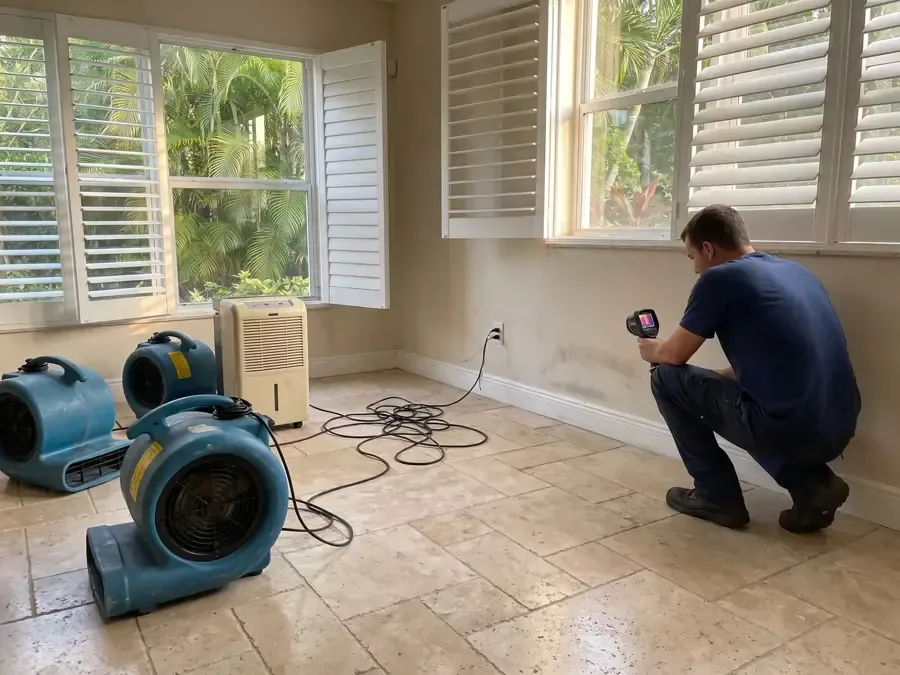
Air movers can direct evaporation across an exposed floor and wall base, while dehumidification captures released vapor. Dense platforms, sill areas, and layered floors may improve at different rates. The crew revisits marked points and adjusts air paths when a hidden section lags.
Completion records should be gathered before a replacement tank covers the area. Photographs, material readings, plumbing findings, removed material notes, and equipment logs establish the condition at that stage. The water extraction service explains recovery when water spread beyond the appliance space.
- Keep monitoring targets accessible
- Track floor, platform, and walls independently
- Adjust air based on material response
- Photograph the dry footprint before replacement
- Save readings with repair and invoice records
The closing check also covers base trim, fasteners, wall corners, and the path used to move the tank. A stain or old corrosion mark is recorded apart from active moisture. That distinction gives the installer a clearer surface condition before the replacement occupies the space.
If any area remains inaccessible after safe tank movement, the record names that limitation directly. No untested section is treated as dry merely because nearby points reached their goals. That documented limitation stays clearly visible for the owner and installer.
Water heater leak cleanup across Norco and nearby communities
Water heater cleanup serves buildings around Diamond, Airline Highway, Norco Elementary School, and the Bonnet Carre Spillway. Appliance access and measured spread determine each work area.
The same service nearby: water heater leak cleanup in LaPlace, Destrehan, Luling.
Related water damage services in Norco
Water Heater Leak Cleanup questions in Norco, LA
Water collecting around the tank?
Safe utility isolation allows the crew to inspect the heater footprint, threshold, and nearby wall bases.
(888) 417-5665Request an appliance area assessmentShould an owner shut off a leaking heater?
Only operate controls that are clearly understood and safely reachable. Water near electrical or fuel related components calls for qualified plumbing, appliance, utility, or electrical assistance.
Can water remain beneath the tank?
Yes. The appliance base, pan, or platform can hide water and slow evaporation. The footprint should be inspected after safe access is available and before replacement.
Why inspect the next room?
Water can pass under a threshold or along a continuous floor layer with little surface evidence. Testing beyond the closet shows whether the boundary actually ends there.
Will flooring need to be removed?
Not automatically. Finish condition, water category, trapped layers, access, and measurable drying response determine whether flooring can remain or needs selective removal.
Who replaces the water heater?
A qualified plumbing or appliance professional handles diagnosis and replacement. Restoration technicians address escaped water, wet building materials, drying access, equipment, and documentation.
When can the new tank be installed?
Installation should follow source resolution and inspection of the footprint. Retained materials need clear recorded completion values before they are concealed by the new replacement appliance.
What affects cleanup cost?
Tank access, water volume, platform construction, flooring layers, wall contact, neighboring rooms, material removal, drying equipment, and monitoring all shape the property-specific scope.
Inspect the hidden footprint before another tank covers it
The mitigation crew extracts confined water, checks platforms, floors, thresholds, and walls, then documents drying for the replacement handoff.