Sewage Backup Cleanup in Destrehan, LA
A toilet, tub, or floor drain backup creates a contaminated work area, not a routine drying job. The cleanup crew restricts access, removes sewage and affected porous materials, cleans remaining surfaces, and verifies dry conditions.
(888) 417-5665Destrehan sewage cleanup help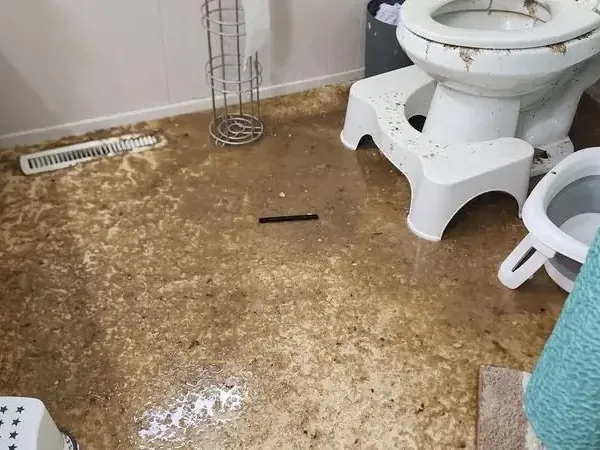
Why the sewage backup cleanup plan follows the water
Rapid local response
The response team dispatches 24/7 for active water and starts with source control, safety and a full moisture boundary.
IICRC S500 drying standard
The drying team sets category and class, chooses equipment for the evaporation load and verifies progress with daily readings.
Claim-ready documentation
The record can include the source, room diagram, moisture map, category, class, daily logs and photos before removal.
River Parish water knowledge
The crew plans for tropical rain, storm surge, humid air, supply failures and occasional freezing conditions.
How sewage backup is handled in Destrehan
Establish a controlled zone
Clean rooms, equipment routes, and occupant areas are separated from sewage contacted spaces.
Remove wastewater and debris
The crew extracts liquid, collects solids, and takes out porous materials that cannot be safely retained.
Clean retained construction
Hard surfaces and exposed structure receive physical cleaning before structural drying equipment is installed.
Dry and document the area
Material readings, photographs, cleaning notes, and completion checks close the contaminated water record.
First steps for sewage backup cleanup in Destrehan
Keep everyone out
Close off the affected room when that can be done safely. Do not let children, pets, or unprotected occupants walk through sewage.
Avoid fans and vacuums
Household equipment can spread contaminated droplets or become contaminated itself. Leave liquid removal and air control to the cleanup setup.
Do not carry wet items away
Moving porous contents through clean rooms can transfer residue. Technicians establish a protected route before contents or debris leave the area.
Record what can be seen safely
Take wide photographs from outside the contaminated boundary. Note the fixture involved and whether wastewater is still entering the room.
Sewage changes the order of restoration. Air movement should not begin across an unclean floor, and occupants should not carry belongings through the affected space. The crew first defines a controlled path, protects clean rooms, and identifies every surface touched by the backup. St. Charles Parish handles sewerage issues at the parish level. A plumber investigates the property's drain system while the cleanup team contains wastewater and records material contact.
What does sewage backup cleanup cost in Destrehan, LA?
Sewage backup cleanup commonly ranges from $2,200 to $12,000 or more. Contact area, porous materials, access, soil load, controlled removal, cleaning detail, air control, and structural drying determine the actual work.
Focused loss
$2,200 to $5,396
- Contained bathroom area
- Limited porous contact
- Extraction and detailed cleaning
Multi-room loss
$5,396 to $8,400
- Wastewater crossed transitions
- More removal and cleaning
- Several drying sections
Complex loss
$8,400 to $12,000+
- Broad contamination boundary
- Difficult material access
- Extensive records and controls
Ranges are typical, not a quote: category of water, square footage, material class and how fast drying started move the number most. Run the water damage cost calculator for a closer range.
Containing the backup before removal begins
The visible drain or toilet is only one point in the assessment. Wastewater can move under trim, reach the underside of cabinets, and wick into drywall. Technicians inspect connected rooms and any low transition the liquid crossed. People and pets remain away from the work area because shoe traffic can transfer contamination to hallways, rugs, and otherwise dry floors.
Homes near Ormond Estates, Murray Hill Drive, and Great River Road receive an individual source and material assessment. Home flooding was reported around Ormond Estates in July 2020. For a present sewage release, the crew records the fixture where wastewater appeared, its route across the floor, and every porous material it touched. Those observations determine the removal and cleaning sequence.
- Block casual entry into the contaminated room
- Identify every floor and wall edge contacted by sewage
- Protect clean routes used for equipment and waste removal
- Photograph the initial condition from a safe position
- Coordinate drain repair without delaying contamination controls
Removing sewage and materials that cannot remain
Liquid and solids are extracted with equipment dedicated to the contaminated zone. Porous carpet, pad, insulation, and similar materials that contacted sewage generally receive a removal decision because complete cleaning cannot be verified in place. Drywall and composite components are evaluated by contact, condition, and access. Hard nonporous surfaces can often remain after thorough soil removal and cleaning.
Demolition stays limited to the affected boundary even though the decision inside that boundary is conservative. Technicians create clean cut points, bag debris before it leaves the work area, and keep removed material from touching unaffected finishes. Cabinet parts are assessed separately because a finished face and an absorbent composite base may require different treatment.
- Extract wastewater without tracking it through the property
- Remove sewage contacted porous material under controlled conditions
- Separate cleanable hard surfaces from absorbent components
- Open wall cavities only where contamination or moisture entered
- Clean tools before they leave the isolated zone
Cleaning first and drying second
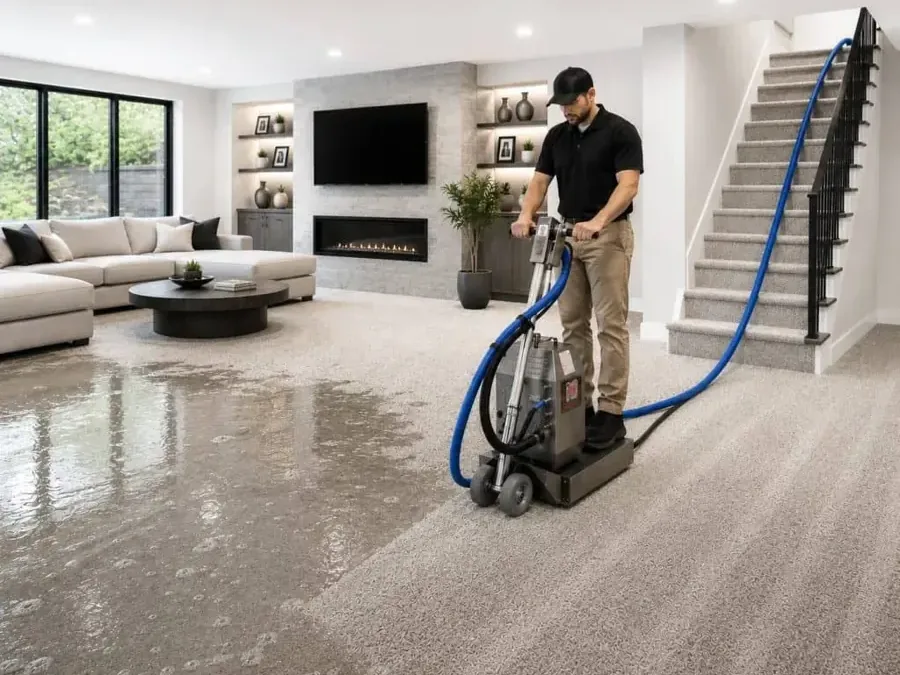
Remaining surfaces are physically cleaned to remove soil before an appropriate treatment is applied. The crew pays attention to joints, fastener areas, floor edges, and textured surfaces where residue can remain. Air control may be used during removal and cleaning. Air movers intended for structural drying are placed only after the prepared area is suitable for drying.
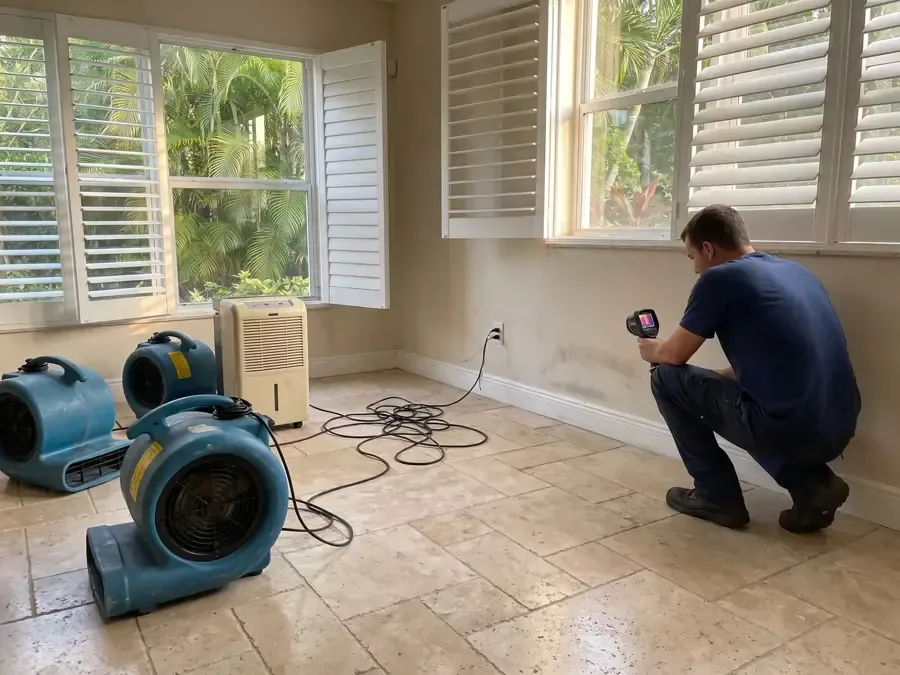
Once cleaning is complete, moisture readings define the structural drying need. Dehumidifiers control vapor released by wet framing, concrete, and other retained materials. Airflow is directed within the prepared zone. The sewage service in LaPlace provides related information about contaminated water controls, while the Destrehan page remains focused on local coverage and facts.
- Remove physical soil before applying a surface treatment
- Inspect corners, seams, and penetrations for remaining residue
- Begin drying only after the work area is prepared
- Track moisture in retained wood, concrete, and wall components
- Verify both cleaning work and dry material goals
Records for a contamination related loss
The project file should identify the reported source, rooms affected, material contact, access controls, items removed, surfaces cleaned, and readings collected during drying. Before and after photographs provide context, while disposal notes explain what left the property. Claims involving backups can depend on policy wording, endorsements, and cause, so the insurer makes the coverage decision.
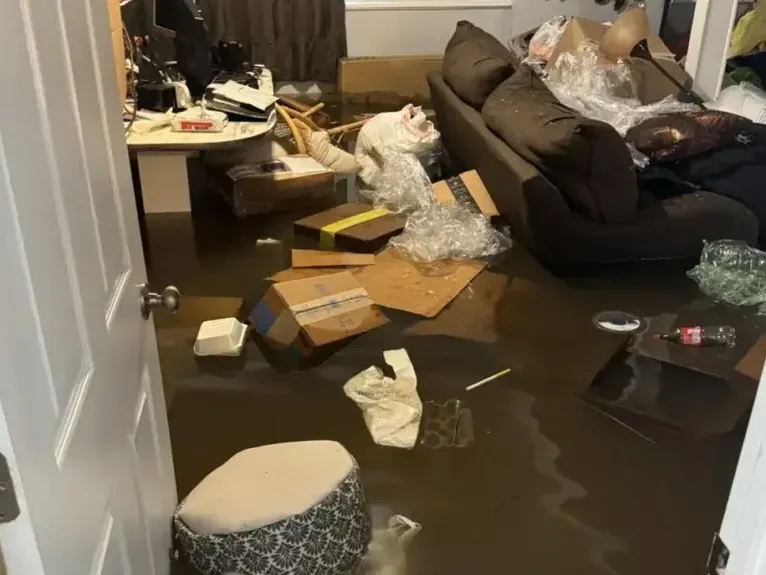
Destrehan is on the east bank of the Mississippi River and is served by ZIP code 70047. A property owner reporting a backup can identify the affected fixture, whether water is still rising, and any rooms already closed off. The cleanup crew records these details before planning access. Water extraction information covers liquid removal; sewage also requires containment and thorough cleaning.
Sewage backup cleanup across Destrehan and nearby communities
Controlled sewage cleanup is available across the community near Ormond Estates, Murray Hill Drive, Great River Road, Airline Highway, and the Mississippi River. The current source finding controls the cleanup category.
The same service nearby: sewage backup cleanup in LaPlace, Norco, Luling.
Related water damage services in Destrehan
Sewage Backup Cleanup questions in Destrehan, LA
Sewage has entered an occupied room?
The affected area is isolated before wastewater, contaminated materials, and debris are removed.
(888) 417-5665Request controlled cleanupIs a small toilet overflow still contaminated?
Water that contains sewage is treated as grossly contaminated even when the visible area is small. The crew evaluates splash, floor seams, nearby trim, and anything used to wipe it.
Can carpet be cleaned after sewage contact?
Sewage contacted carpet and pad are porous and generally receive a removal decision. Hard flooring below still needs inspection, soil removal, cleaning, and moisture testing.
Should household fans be used?
No. Uncontrolled airflow can move contaminants beyond the affected area. Drying equipment belongs after removal and cleaning, with its direction managed inside the prepared work zone.
How are walls handled after a backup?
Technicians check the contact height, wall condition, baseboard area, and cavity access. Sewage contacted porous wall material may require controlled removal to a clean boundary.
What happens to cabinets in the room?
Cabinet faces, boxes, toe kicks, and bases are assessed separately. Hard cleanable surfaces may remain, while absorbent components with sewage contact can require removal.
How is completion documented?
The file can show initial contamination, removed materials, cleaning steps, retained surfaces, drying equipment, moisture progress, and final readings. The insurer determines policy coverage.
Which facts determine the price?
The size of the contaminated zone, porous contact, demolition access, cleaning detail, disposal, air control, equipment, and monitoring work all contribute to the final scope.
Keep contaminated water from reaching clean spaces
The cleanup team isolates the work area, removes sewage contacted materials, cleans retained construction, and documents structural drying. Completion readings follow the cleaning record.