Commercial Water Damage in Destrehan, LA
Water in an office, shop, school, warehouse, or multifamily property affects operations as well as materials. Throughout recovery, the commercial team divides the building into safe, wet, and active zones, then documents the work completed in each phase.
(888) 417-5665Request commercial response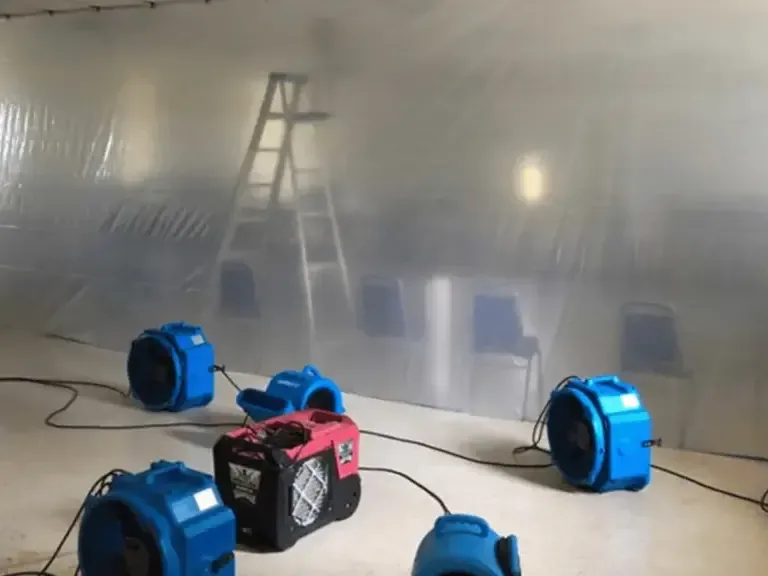
Why the commercial water damage plan follows the water
Rapid local response
The response team dispatches 24/7 for active water and starts with source control, safety and a full moisture boundary.
IICRC S500 drying standard
The drying team sets category and class, chooses equipment for the evaporation load and verifies progress with daily readings.
Claim-ready documentation
The record can include the source, room diagram, moisture map, category, class, daily logs and photos before removal.
River Parish water knowledge
The crew plans for tropical rain, storm surge, humid air, supply failures and occasional freezing conditions.
How commercial is handled in Destrehan
Set safe operational zones
The moisture map, occupant routes, electrical conditions, and business priorities define access before equipment is staged.
Extract by area and surface
High capacity and portable tools are assigned to open floors, partitions, confined rooms, and fixed contents as needed.
Run controlled drying sections
Containment, air movement, dehumidification, and power distribution are managed without opening dry areas to moisture.
Report and release zones
Daily reading trends support equipment changes and allow completed sections to return through a documented handoff.
First steps for commercial water damage in Destrehan
Assign a property contact
Choose someone who can provide access, identify priority areas, and communicate operating constraints. Restoration decisions still follow safety and measured conditions.
Separate people from water
Close affected rooms or paths around wet electrical systems, unstable ceilings, sewage, and outside water until the site evaluation establishes boundaries.
Protect essential dry materials
Move accessible dry records, stock, and portable equipment away from the water path. Do not carry contaminated items through operating areas.
Save the initial site record
Photograph rooms, equipment, water marks, and affected contents before extraction when safe. Keep repair findings and incident notes with the project file.
A business water loss has several audiences. Occupants need clear boundaries, facility staff need access information, repair contractors need the source area, and decision makers need progress records. The restoration lead turns the moisture map into work zones so extraction and drying can proceed without implying that unaffected parts of the property are closed.
What does commercial water damage cost in Destrehan, LA?
Commercial water damage projects often range from $3,000 to $18,000 or more. Building area, water category, operational constraints, contents, access, containment, power, equipment, and documentation determine the scope.
Focused loss
$3,000 to $7,980
- Contained work area
- Limited operational impact
- Focused extraction and drying
Multi-room loss
$7,980 to $12,600
- Several departments affected
- Containment and content needs
- Multiple monitored zones
Complex loss
$12,600 to $18,000+
- Large or contaminated area
- Difficult access and power
- Broad coordination requirements
Ranges are typical, not a quote: category of water, square footage, material class and how fast drying started move the number most. Run the water damage cost calculator for a closer range.
Organizing the building before equipment arrives
The first site meeting identifies the reported source, shutoffs, electrical concerns, occupied areas, critical contents, deliveries, and safe paths. Technicians inspect above ceilings, below raised flooring, inside partitions, and around fixed equipment as the building requires. A written zone plan separates unrestricted space, restoration work, and areas awaiting evaluation.
Great River Road and Airline Highway serve the River Parishes, and Destrehan Plantation stands beside the Mississippi River. Commercial response in Destrehan starts with the building's access arrangements. The manager identifies occupied areas, equipment that must stay accessible, and a protected route for extraction hoses and debris removal.
- Name one property contact for access and decisions
- Mark safe routes for occupants and restoration equipment
- Confirm shutdown needs with qualified building personnel
- Protect records, stock, and movable dry contents
- Document rooms that remain unaffected and operational
Scaling extraction to surfaces and access
Commercial flooring, partitions, ceiling systems, and contents may create several extraction problems in the same property. Large open areas can accept higher capacity tools, while offices, storage, and equipment rooms need portable access. The crew works from heavier water toward edges and retests transitions after the surface clears.
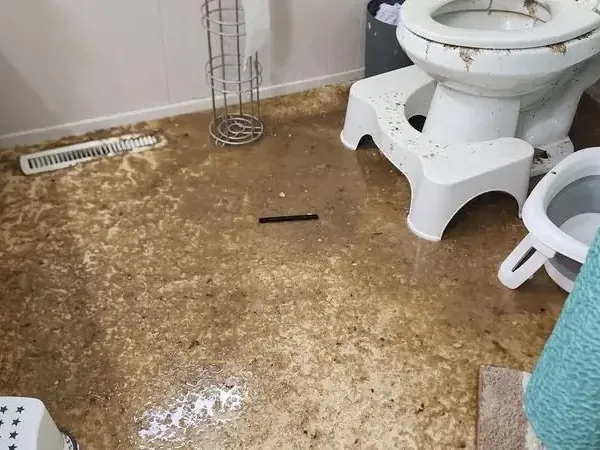
Contamination changes the work zone. Sewage or outside floodwater requires restricted access and conservative porous material decisions. A clean supply failure can still change category through time and contact. Material treatment follows the observed source and condition rather than the business use of the room.
- Assign extraction tools by floor type and water depth
- Keep hoses from crossing public paths without protection
- Retest partitions and floor transitions beyond the pool
- Separate contaminated debris from retained business contents
- Record the condition of fixed equipment without servicing it
Maintaining drying zones around operations
Containment can isolate a wet section while other space remains in use, provided safety and the water path support that arrangement. Air movers target wet surfaces, and dehumidifiers process the vapor load. Power distribution and cord protection receive deliberate planning. Equipment noise, heat, and discharge are considered when establishing occupied routes.
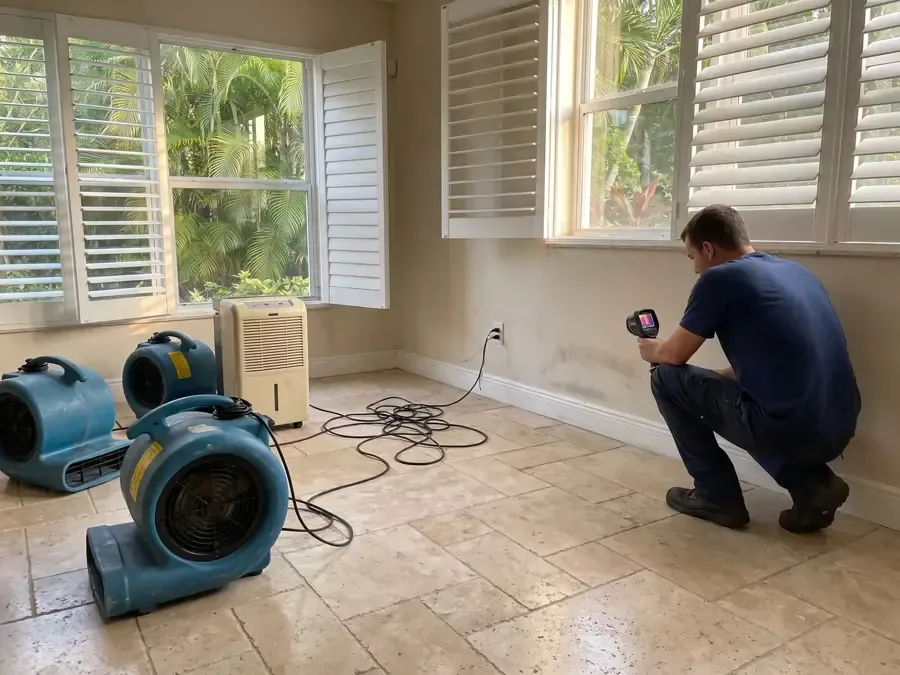
Daily measurements are reported by zone. If one partition or floor section stalls, technicians investigate access and material layers rather than increasing equipment everywhere. Commercial restoration in LaPlace provides the main area service details, and structural drying explains material monitoring used across the zones.
- Contain the wet work without blocking required exits
- Route power and cords away from normal traffic
- Track each floor, wall, and ceiling target separately
- Adjust only the zone that readings show needs change
- Release completed sections through documented checks
Reporting progress for several decision makers
A concise daily record can state the source status, areas open or restricted, extraction completed, materials removed, equipment operating, reading trends, and decisions needed. Photographs and room diagrams keep names consistent. Repair contractors and restoration technicians can attach their own findings without confusing their separate roles.
The insurer determines policy coverage, while the property representative controls business decisions. Restoration documentation supports both with observable conditions and completed work. Commercial coverage extends throughout Destrehan, with access and operating requirements established directly with the property contact.
Shift changes and vendor access can alter the site after the initial walkthrough. The property contact should report those changes so barriers, cords, and equipment routes can be checked again. This coordination keeps the restoration map current without treating ordinary building activity as new damage.
Contents that remain on site are identified by location rather than value. Shelving, desks, files, and stock can block wall or floor measurements, so the property representative decides what may be moved. Technicians then document the newly accessible construction and revise only the affected zone.
Completed areas receive a clear handoff that identifies remaining barriers and equipment elsewhere in the property.
Commercial water damage across Destrehan and nearby communities
Commercial restoration serves properties near Great River Road, Airline Highway, local Plantation, Ormond Estates, and the Mississippi River corridor. Each operating zone receives its own documented moisture decision.
The same service nearby: commercial water damage in LaPlace, Norco, Luling.
Related water damage services in Destrehan

Commercial Water Damage questions in Destrehan, LA
A water loss is disrupting the property?
The work plan separates occupied areas, equipment routes, and wet zones so each stage can be coordinated.
(888) 417-5665Request commercial restorationCan part of the business remain open?
Possibly. The source, electrical safety, contamination, access, moisture path, exits, and operating needs determine whether unaffected sections can remain separated from restoration work. A written access plan keeps those conditions clear.
How are large floor areas extracted?
Equipment capacity is matched to water depth, finish type, access, and debris. Portable tools handle confined sections while broader systems address open accessible surfaces. Edges are retested afterward.
How is equipment power managed?
The plan considers available circuits, load, cord routes, occupied paths, and any temporary distribution. Qualified electrical help addresses unsafe or insufficient building power.
What happens to wet stock or records?
Contents are inventoried by location and condition, then separated for property decisions. Restoration staff do not invent values or coverage for business items.
How are progress updates organized?
Area names remain consistent across diagrams, photos, readings, equipment logs, access notes, and daily summaries so property contacts and adjusters can follow the same zones.
Does sewage close every area?
The contaminated zone requires strict separation. Whether other areas can remain accessible depends on paths, shared air, utilities, exits, and the measured extent of the loss.
What drives commercial restoration cost?
Area, category, floor and wall systems, contents, operating constraints, access, containment, power, equipment capacity, demolition, cleaning, monitoring, and reporting shape the final scope.
Define safe work zones and protect ongoing operations
The response lead coordinates access, extraction, containment, drying, and daily records for property contacts and other repair contractors. Area by area readings support each release decision.