Commercial Water Damage in Norco, LA
A business water loss combines building moisture with access, employees, customers, contents, power, and operating priorities. Clearly phased work zones keep safety and measurements visible while extraction and drying move through the entire property.
(888) 417-5665Organize the response zones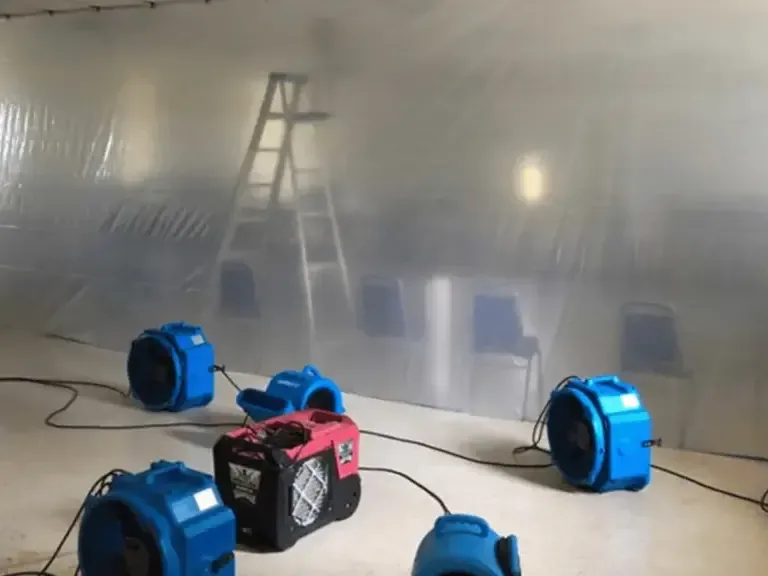
Why the commercial water damage plan follows the water
Rapid local response
The response team dispatches 24/7 for active water and starts with source control, safety and a full moisture boundary.
IICRC S500 drying standard
The drying team sets category and class, chooses equipment for the evaporation load and verifies progress with daily readings.
Claim-ready documentation
The record can include the source, room diagram, moisture map, category, class, daily logs and photos before removal.
River Parish water knowledge
The crew plans for tropical rain, storm surge, humid air, supply failures and occasional freezing conditions.
How commercial is handled in Norco
Set zones and contacts
A property representative and restoration lead define safe access, operational priorities, restricted rooms, equipment routes, and reporting expectations.
Recover water by area
Extraction capacity and tools are assigned to each surface while contents and contamination controls keep wet work from disrupting dry zones.
Build a phased drying plan
Material maps direct access, airflow, dehumidification, power use, and monitoring across zones that may progress at different rates.
Report and release
Daily summaries document work, readings, obstacles, and decisions, while completed areas receive a recorded condition handoff before normal use.
First steps for commercial water damage in Norco
Restrict the affected zone
Keep employees, customers, vendors, and occupants away from standing water, wet electrical areas, unstable finishes, sewage, and restoration equipment routes.
Control the source through facilities staff
Use established property procedures for valves, power, roof access, or equipment shutdown. Qualified repair trades should handle the failed component.
Preserve operational records
Save incident notes, security observations, source findings, photographs, affected inventory, and access decisions before cleanup changes the work area.
Name one property contact
A designated decision maker can coordinate keys, restricted spaces, operating priorities, contents, and approvals while the restoration lead reports progress by zone.
A commercial loss can affect more than wet square footage. The property may need controlled entrances, employee routes, customer separation, contents decisions, power planning, and scheduled access to secured areas. In Norco, commercial service extends through the community without assigning a business type to any specific corridor. The local restoration hub connects large-loss coordination with source-specific water and sewage services.
What does commercial water damage cost in Norco, LA?
Commercial water damage restoration commonly ranges from $3,000 to $18,000 or more. Building area, water category, operations, contents, access, containment, extraction, power, equipment, and reporting shape the final scope.
Focused loss
$3,000 to $7,980
- Limited operational zone
- Accessible clean water
- Compact contents movement
Multi-room loss
$7,980 to $12,600
- Several work areas
- Containment or contents
- Coordinated drying phases
Complex loss
$12,600 to $18,000+
- Broad property impact
- Contaminated water controls
- Extensive reporting needs
Ranges are typical, not a quote: category of water, square footage, material class and how fast drying started move the number most. Run the water damage cost calculator for a closer range.
Divide the property into understandable zones
The first walkthrough identifies the source, electrical or structural concerns, water category, occupied areas, secure rooms, and the route equipment will use. A simple zone map separates unsafe or contaminated spaces from dry operations. Each zone receives a status such as awaiting access, extracting, cleaning, drying, or released.
One contact from the property can consolidate access rules, alarms, key control, and operating priorities. The restoration supervisor records who approved entry and when a zone became available. This structure reduces conflicting instructions and makes daily work easier to explain without promising uninterrupted operations.
- Mark affected, buffer, and dry operating zones
- Protect public and employee movement routes
- Identify secure and restricted spaces
- Coordinate power and equipment access
- Set one documented communication path
Match extraction capacity to the actual materials
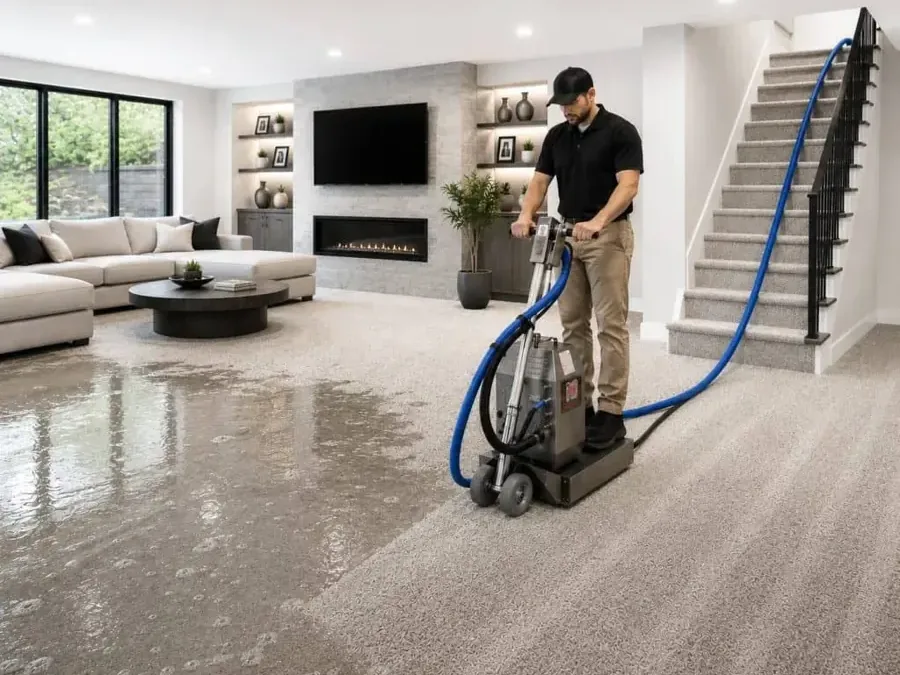
Open floor water may call for large recovery equipment, while offices, storage, and wall edges require smaller tools. Carpet tile, resilient flooring, concrete, partitions, insulation, and casework each need different evaluation. The crew removes liquid first, then maps damp materials across each operational zone.
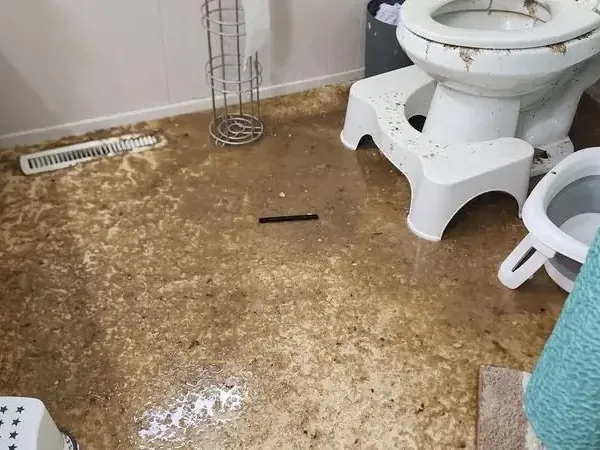
Contaminated water changes the sequence. Sewage or outside entry requires restricted access, porous material decisions, cleaning, and containment before normal drying. Clean supply water may permit faster retention decisions, although time and contact still matter. Contents are inventoried and moved within a recorded plan.
- Use extraction tools suited to each surface
- Track water across suites and thresholds
- Separate clean and contaminated equipment paths
- Record contents movement by zone
- Preserve dry stock and furnishings from traffic
Arrange access across the service area
Service coverage includes properties around Airline Highway, Diamond, Norco Elementary School, and the Bonnet Carre Spillway, with equipment access arranged through the designated property contact. They do not identify building materials, operating hours, or loss frequency. Every commercial property receives a direct source and construction assessment.
Norco lies beside the Bonnet Carre Spillway, which carries river floodwater toward Lake Pontchartrain. After water enters a commercial building, the manager can help identify occupied rooms, stored stock, and essential access routes. The crew records entry points and water marks before organizing extraction, material removal, and drying by work zone.
- Use local names only for service-area context
- Document the building's actual water source
- Keep weather history separate from site findings
- Record access restrictions that affect scope
- Avoid assumptions about property construction
Release areas from evidence, not schedule pressure
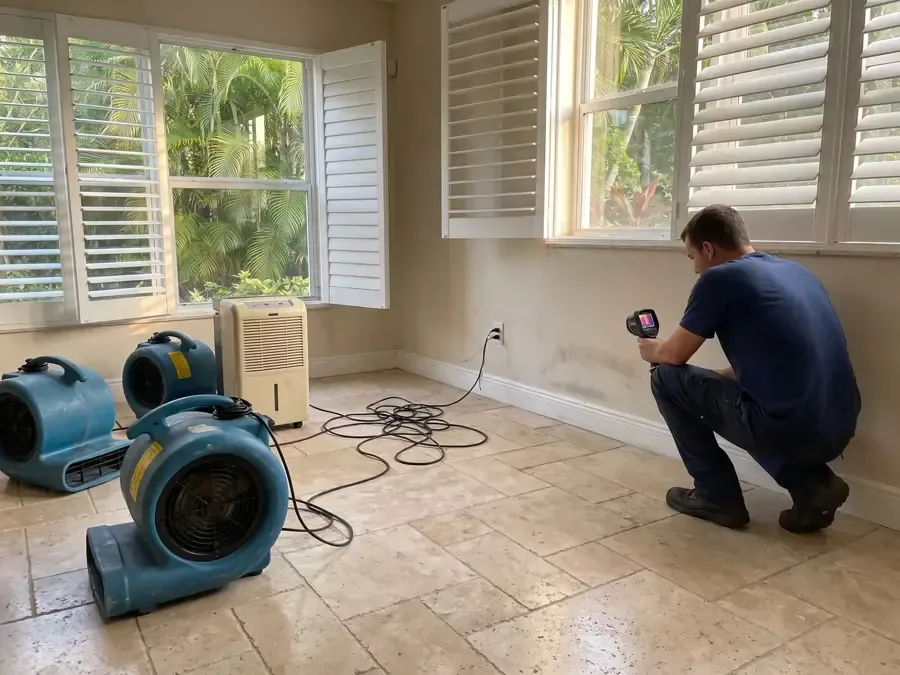
Air movers and dehumidifiers are arranged by zone after extraction, cleaning, and access work. Repeat readings at walls, flooring, concrete, framing, and fixed finishes show whether the materials respond. Equipment can move from a completed section to a slower area when the records support the change.
Daily summaries identify completed work, current conditions, blocked access, equipment changes, and decisions needed from the property. A final handoff includes source documents, photographs, moisture maps, material notes, contents records, readings, and invoices. The main commercial restoration page supplies broader planning context.
- Monitor consistent material targets by zone
- Explain access or power interruptions in writing
- Move equipment only after readings support it
- Record the condition of released areas
- Preserve one chronological project file
Phasing also helps when one department can resume use while another remains under controlled drying. The handoff for each released zone states the access condition, the readings achieved, equipment removed, and any repair work still pending. This prevents a partial release from being mistaken for completion of the entire property.
Property representatives can compare daily updates against the original zone map and note operational changes before the next work period. When access shifts, the crew records the reason and carefully revises equipment routes without erasing earlier decisions. That continuity matters when several stakeholders participate in a longer complex commercial project.
Commercial water damage across Norco and nearby communities
Commercial restoration serves properties around Airline Highway, Diamond, Norco Elementary School, and the Bonnet Carre Spillway. On-site operations and material readings determine the phased work zones.
The same service nearby: commercial water damage in LaPlace, Destrehan, Luling.
Related water damage services in Norco
Commercial Water Damage questions in Norco, LA
Water affecting business operations?
The work plan separates occupied areas, equipment routes, and wet zones so each stage can be coordinated.
(888) 417-5665Request a zone based assessmentCan part of a business remain open?
Possibly, when safe dry zones can be separated from water, contamination, electrical concerns, debris, noise, and equipment routes. The property and qualified professionals make operational decisions.
How are restoration zones created?
Zones follow water category, material boundaries, access, containment, power, and business use. Their status is updated as extraction, cleaning, drying, and verification progress.
What happens to inventory and equipment?
Affected contents are photographed, inventoried, and moved according to a documented plan. Cleaning, disposal, or specialist decisions depend on material, exposure, condition, and owner direction.
How is sewage handled in a workplace?
The area is restricted, wastewater removed, unsafe porous materials controlled, retained surfaces physically cleaned, and normal drying delayed until the zone is prepared.
Can drying happen outside operating hours?
Equipment may operate continuously when safe power, security, noise, heat, and access conditions permit. Monitoring and any operational constraints should be documented with the property contact.
What goes into a daily update?
A useful update identifies completed tasks, active zones, readings, equipment changes, access barriers, material decisions, photographs, and current written approvals needed from the designated property representative today.
How is a zone released?
Release follows source control, required cleaning, stable material condition, and recorded completion readings. The handoff should state remaining repair work or access restrictions clearly.
Organize access, extraction, contents, and drying around the property
The response team builds controlled work areas, scales recovery equipment, tracks material progress, and gives decision makers a clear daily record.