Structural Drying in Garyville, LA
Walls, subfloors, cabinets, and framing cavities each need a measured drying goal. The drying team checks comparable dry materials, controls evaporation carefully, and returns to marked locations to track progress until the retained structure is ready.
(888) 417-5665Request a drying assessment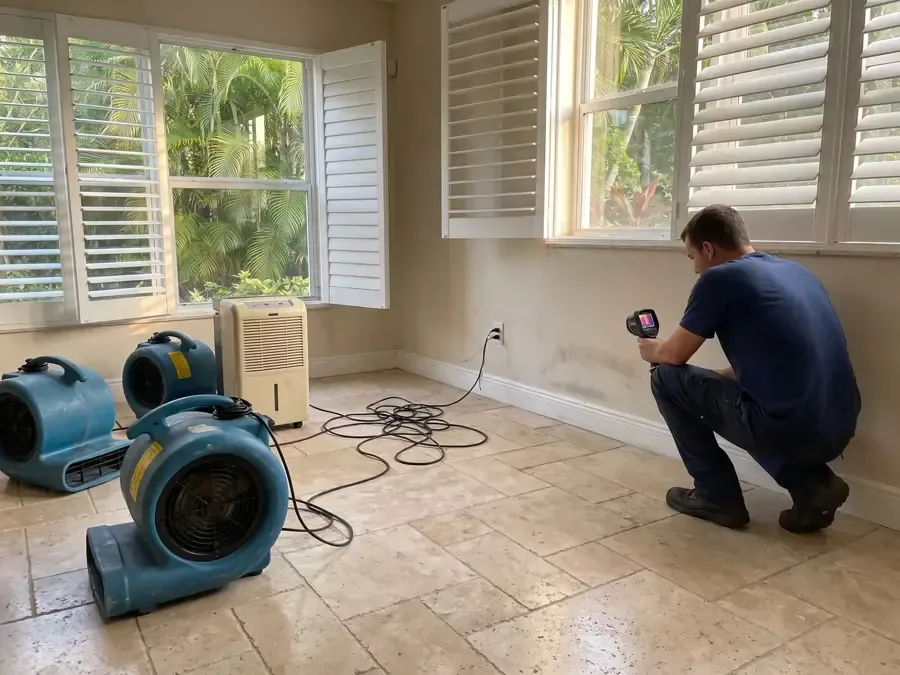
Why the structural drying and dehumidification plan follows the water
Rapid local response
The response team dispatches 24/7 for active water and starts with source control, safety and a full moisture boundary.
IICRC S500 drying standard
The drying team sets category and class, chooses equipment for the evaporation load and verifies progress with daily readings.
Claim-ready documentation
The record can include the source, room diagram, moisture map, category, class, daily logs and photos before removal.
River Parish water knowledge
The crew plans for tropical rain, storm surge, humid air, supply failures and occasional freezing conditions.
How structural drying and dehumidification is handled in Garyville
Map materials and references
The technician selects material references and repeatable testing points, recording wet boundaries separately for framing, wall finishes, and floor assemblies.
Build the drying chamber
Air movement, dehumidification, containment, and access are balanced around the measured moisture load.
Measure and revise
Repeated values show which points improve and which need equipment or access changes.
Close by evidence
Final measurements document completion separately for retained wood, drywall, flooring, concrete, and cabinets.
First steps for structural drying and dehumidification in Garyville
Control the source first
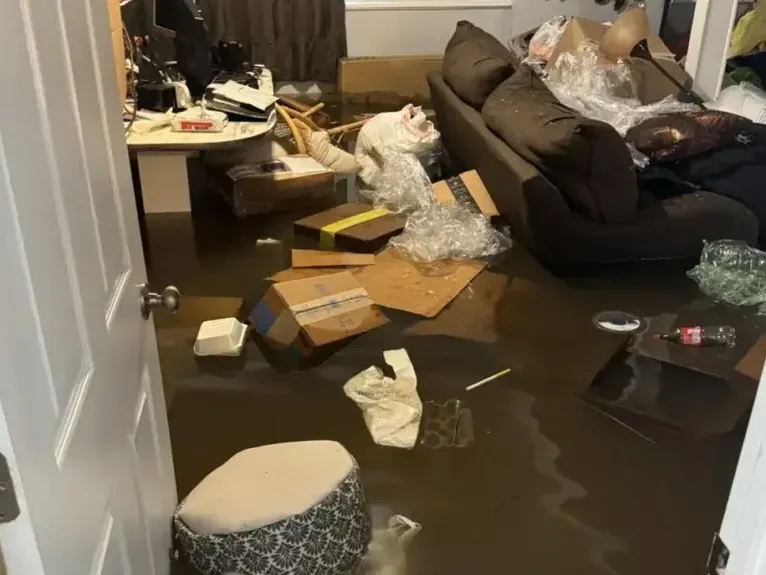
Drying cannot stay effective while water continues entering. Use safe shutoff or repair help suited to the plumbing, roof, appliance, or storm source.
Keep equipment pathways clear
Do not unplug, move, cover, or redirect restoration equipment without coordination. Clear routes support safe airflow, drainage, and monitoring access.
Report room condition changes
Tell the technician about new odors, drips, heat, noise, or electrical concerns. A changed condition may require an immediate setup assessment.
Avoid opening containment
Keep managed doors and barriers in their instructed position. Unplanned outdoor or household air can change humidity and slow the selected drying chamber.
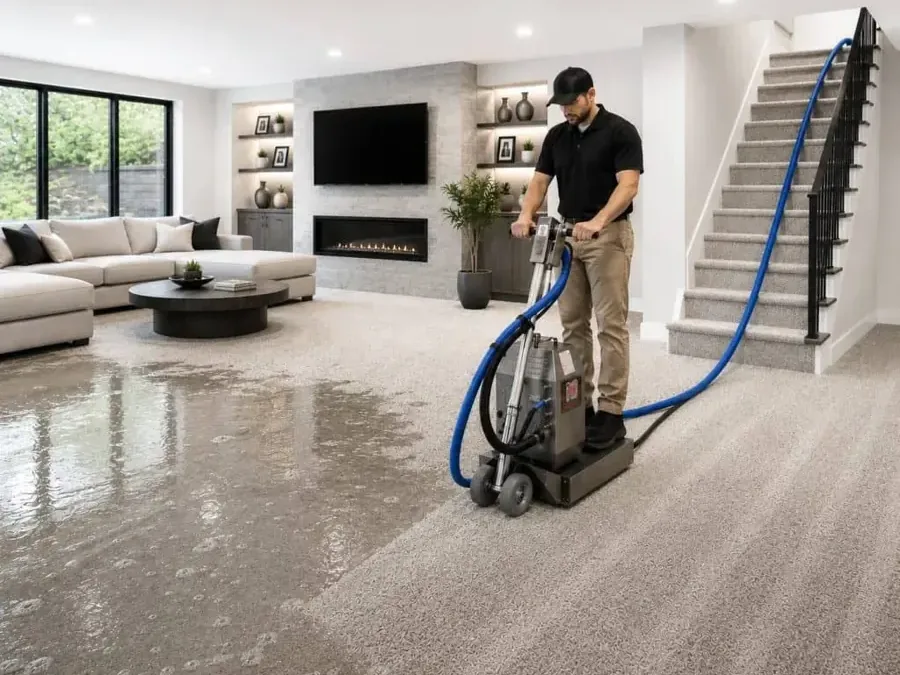
Structural drying begins after accessible liquid is removed and contamination controls are complete. The goal is not simply to run equipment. It is to move moisture from retained materials into controlled air, capture that vapor, and demonstrate improvement at repeatable points. Garyville water restoration connects this phase with source specific cleanup.
What does structural drying and dehumidification cost in Garyville, LA?
Structural drying may range from $1,600 to $8,200 or more. Wet area, material types, cavities, access, equipment capacity, power, containment, monitoring, and necessary openings determine the final total.
Focused loss
$1,600 to $3,724
- Small mapped area
- Accessible wet surfaces
- Focused equipment setup
Multi-room loss
$3,724 to $5,740
- Several material zones
- Multiple air paths
- Expanded monitoring plan
Complex loss
$5,740 to $8,200+
- Difficult cavities
- Selective access work
- Large controlled environment
Ranges are typical, not a quote: category of water, square footage, material class and how fast drying started move the number most. Run the water damage cost calculator for a closer range.
Start with a material map and dry references
Technicians test flooring, walls, cabinets, insulation, concrete, and framing according to the loss. Thermal imaging helps locate patterns, while direct meters confirm moisture in a particular material. Comparable unaffected construction supplies reference values when available. The initial map defines equipment zones and monitoring points.
South Louisiana humidity makes control of replacement air relevant, especially after storm moisture. The Mississippi River and Airline Highway identify the area but do not determine a building's drying needs. Room conditions, material readings, access, and the source category establish the plan at each property.
- Confirm liquid extraction is complete
- Mark the outer moisture boundary
- Select references by material type
- Record room temperature and humidity
- Photograph the starting equipment zone
Balance evaporation with vapor removal
Air movers increase evaporation at exposed wet surfaces. Dehumidifiers collect the vapor added to the managed environment. Too little air can leave a quiet damp pocket, while air aimed across unprepared contamination can create a problem. Equipment type, position, and output are chosen for the assembly and work zone.
Doors, containment, and openings influence the drying chamber. An open route to humid outdoor air may add moisture faster than equipment can remove it. A closed cavity may prevent surface airflow from reaching damp material. The crew manages boundaries and creates selective access where readings show a barrier.
- Direct air across confirmed wet surfaces
- Place dehumidification within the controlled zone
- Protect unaffected rooms from debris
- Keep equipment pathways safely open
- Check cavities blocked by intact finish
Use readings to change the plan
Monitoring returns to the same material points so trends are meaningful. A section improving steadily may need no change. A stalled wall base can call for better airflow or limited access. A floor layer that remains elevated may require inspection beneath the finish. Equipment decisions follow that evidence rather than elapsed time.
The water extraction service explains the liquid removal stage that should precede evaporation. During drying, the team records environmental values, material measurements, equipment moves, and any newly exposed condition. Different materials can reach their goals at different times, allowing focused removal of unnecessary equipment.
- Compare values with the prior visit
- Investigate points that stop improving
- Move equipment toward remaining moisture
- Release completed areas from the setup
- Preserve the final measurement set
Define completion by assembly
Garyville Refinery and St. John the Baptist Parish may appear in location records, but completion comes from building evidence. A comfortable room, dry touch, or faded stain cannot substitute for measurements. Wood, drywall, concrete, and composite cabinets need suitable interpretation.
The closing file includes the source description, starting map, dry references, equipment layout, progress trends, access decisions, and final values. Owners can share it with repair contractors and insurers. It explains the drying work without promising a policy outcome.
Equipment quantity is not a measure of quality by itself. A smaller setup placed against the remaining wet boundary can be more useful than machines left in completed areas. Technicians compare the moisture load, air path, room conditions, and material response before adding, moving, or removing equipment. Every change should solve an observed problem.
Monitoring notes also preserve continuity when different technicians visit the property. Marked points, photographs, and recorded values allow the next person to test the same location and understand why an opening or equipment move occurred. A consistent record makes a trend more reliable than isolated measurements.
Once goals are met, equipment is removed in stages and the released area is checked again for stable conditions.
The final diagram identifies completed monitoring points and any area left open for later repair. That distinction keeps measured mitigation separate from finish replacement.
Stable final conditions are recorded after the last equipment change.
Structural drying and dehumidification across Garyville and nearby communities
Structural drying serves properties near Airline Highway, Garyville Refinery, and the Mississippi River throughout the community. The measured wet boundary sets every equipment zone.
The same service nearby: structural drying and dehumidification in LaPlace, Reserve, Norco.
Related water damage services in Garyville
Structural Drying and Dehumidification questions in Garyville, LA
Materials still reading wet after extraction?
Material readings show where airflow or dehumidification needs adjustment and when drying is complete.
(888) 417-5665Request a measured drying planWhy is extraction done before drying?
Removing water as liquid is more efficient than forcing equipment to collect the same amount as vapor. Extraction also exposes the remaining material moisture boundary. The liquid recovery record supplies the starting boundary for that work.
What does an air mover do?
It directs air across a wet surface to support evaporation. It does not remove vapor from the room, so dehumidification and environmental control work alongside it.
What does a dehumidifier do?
It collects moisture released into the managed air. Capacity and placement must suit the work zone, outdoor air influence, and amount of wet material.
Why are reference readings needed?
Materials have different normal characteristics. Comparable unaffected construction helps technicians interpret progress instead of applying one arbitrary value to every assembly.
Why might a wall need a small opening?
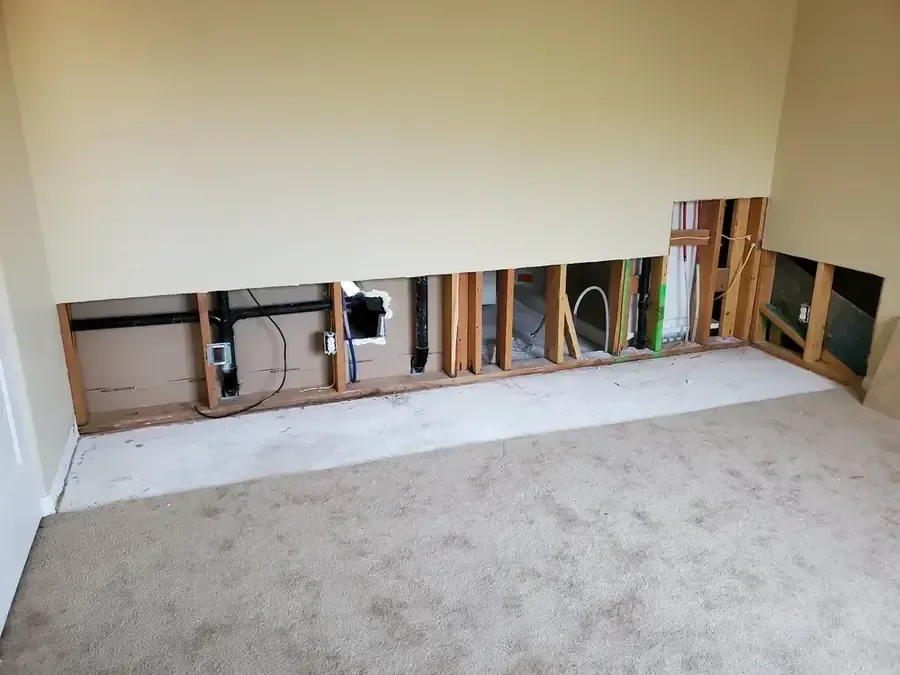
Paint, trim, insulation, or a closed cavity can block evaporation. When readings stay elevated, limited access may expose the damp area while preserving sound material.
Can equipment leave when the room feels dry?
Room comfort is not a material measurement. Equipment leaves completed zones when repeated readings show retained assemblies have met selected goals.
What affects structural drying cost?
Wet area, materials, cavity access, contamination preparation, equipment quantity, power, containment, monitoring visits, and selective openings shape the final scope.
Balance airflow, vapor removal, and access around evidence
Technicians establish material references, direct air toward accessible wet surfaces, collect released vapor, and revise the setup when monitoring shows an assembly needs further attention.