Storm and Flood Cleanup in Garyville, LA
Rainwater that crosses the building envelope or rises across a floor can carry sediment and contamination into porous materials. Cleanup begins with safe access, water category, and a room by room damage map.
(888) 417-5665Request storm water cleanup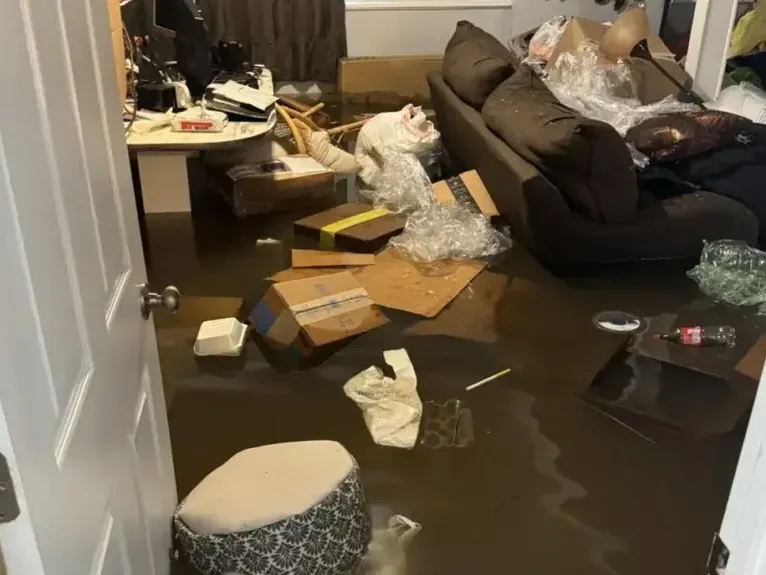
Why the storm and flood cleanup plan follows the water
Rapid local response
The response team dispatches 24/7 for active water and starts with source control, safety and a full moisture boundary.
IICRC S500 drying standard
The drying team sets category and class, chooses equipment for the evaporation load and verifies progress with daily readings.
Claim-ready documentation
The record can include the source, room diagram, moisture map, category, class, daily logs and photos before removal.
River Parish water knowledge
The crew plans for tropical rain, storm surge, humid air, supply failures and occasional freezing conditions.
How storm and flood is handled in Garyville
Confirm safe access
Inspection starts outside unsafe rooms, identifying active entry, utility hazards, contaminated water, and the visible boundary in each accessible area.
Pump and remove debris
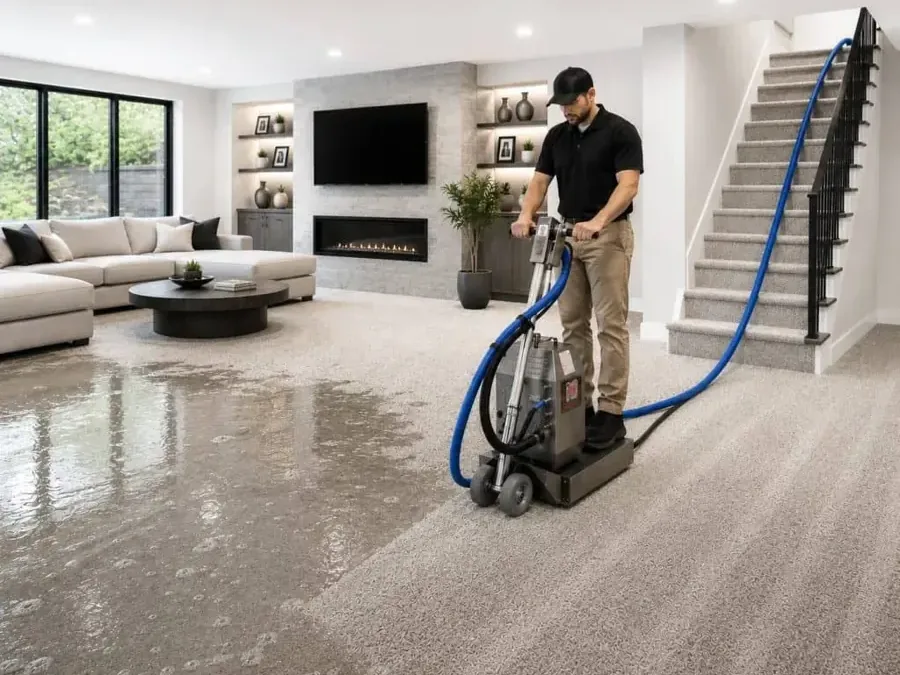
Pumping and debris handling follow planned routes that separate recovered water and damaged porous materials from unaffected spaces.
Clean retained construction
After sediment removal, retained surfaces receive detailed physical cleaning so accumulated residue does not remain beneath the drying setup.
Dry to measured goals
Equipment and repeat readings address remaining moisture in cleaned structural materials.
First steps for storm and flood cleanup in Garyville
Wait for safe conditions
Do not enter while water is rising, utilities are unsafe, or ceilings and floors appear unstable. Emergency authorities and qualified trades address immediate hazards.
Avoid outside water contact
Keep people and pets away from flooded rooms. Do not use household fans or carry wet belongings through unaffected spaces.
Photograph from a safe position
Record entry points, water marks, debris, and affected rooms before pumping or moving contents, provided the area can be observed safely.
Protect important information
Save insurer contacts, repair findings, photographs, and written event notes away from damp rooms for later project documentation.
Storm water can enter at doors, roof openings, wall penetrations, or low interior areas, and each path creates a different map. Before pumping, technicians consider electrical hazards, unstable finishes, and whether outside water can return. Garyville water restoration connects storm work with extraction and drying services when several assemblies are involved.
What does storm and flood cleanup cost in Garyville, LA?
Storm and flood restoration may range from $2,600 to $15,000 or more. Water depth, contamination, area, debris, porous materials, access, cleaning, removal, equipment, and monitoring determine the final scope.
Focused loss
$2,600 to $6,688
- Limited entry area
- Controlled debris handling
- Focused cleaning and drying
Multi-room loss
$6,688 to $10,500
- Several rooms affected
- Broader material removal
- Expanded equipment zones
Complex loss
$10,500 to $15,000+
- Extensive outside water
- Large debris volume
- Detailed structural drying
Ranges are typical, not a quote: category of water, square footage, material class and how fast drying started move the number most. Run the water damage cost calculator for a closer range.
Inspect entry paths before changing the scene
The survey begins outside the affected room when conditions permit. Visible entry points, water marks, deposited soil, and room transitions help define the initial boundary. Inside, direct readings test flooring, lower walls, cabinets, insulation, and framing beyond the visible stain. Photographs preserve water height and debris patterns before removal.
The Mississippi River is the principal named water feature near Garyville, and Airline Highway serves the community and River Parishes. Those facts supply location context, not a flood determination for any address. No address level flood zone is assumed. Every property receives its own source, category, and material assessment.
- Confirm safe building access
- Look for active exterior entry
- Mark water and sediment boundaries
- Test adjoining rooms and wall bases
- Document conditions before pumping
Remove water without overlooking contamination
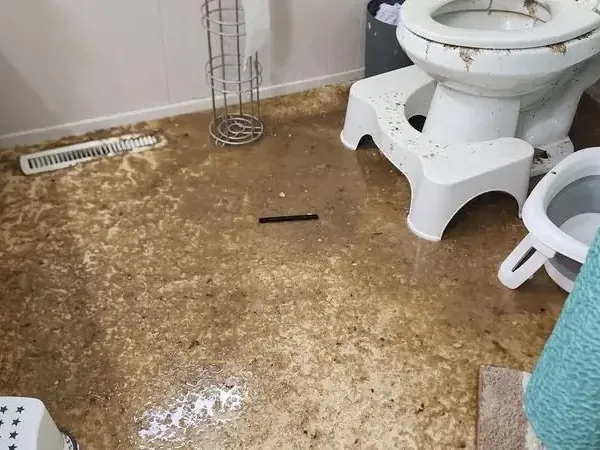
Pumping and extraction reduce standing water once the structure and utilities are safe. Outside water is handled conservatively because it can collect soil, sewage, chemicals, and debris before entry. Porous floor covering, insulation, and gypsum products receive close assessment. Material that cannot be cleaned effectively may need controlled removal.
Debris travels through a planned route instead of clean rooms. Retained structural surfaces are exposed enough for soil removal and physical cleaning. The crew avoids sealing damp cavities or placing aggressive airflow across an unprepared contaminated area. Extraction is only the beginning of the cleanup sequence.
- Pump from safe collection points
- Separate debris from salvageable contents
- Remove unsuitable porous material
- Expose retained construction for cleaning
- Keep clean and dirty routes apart
Prepare the structure before drying
After residue is removed, accessible retained surfaces are cleaned according to their material and condition. Framing faces, fasteners, corners, and floor edges need attention because sediment can remain in irregular spaces. The work zone is checked before air movement begins. Drying equipment is arranged to keep the managed area separate from unaffected rooms.
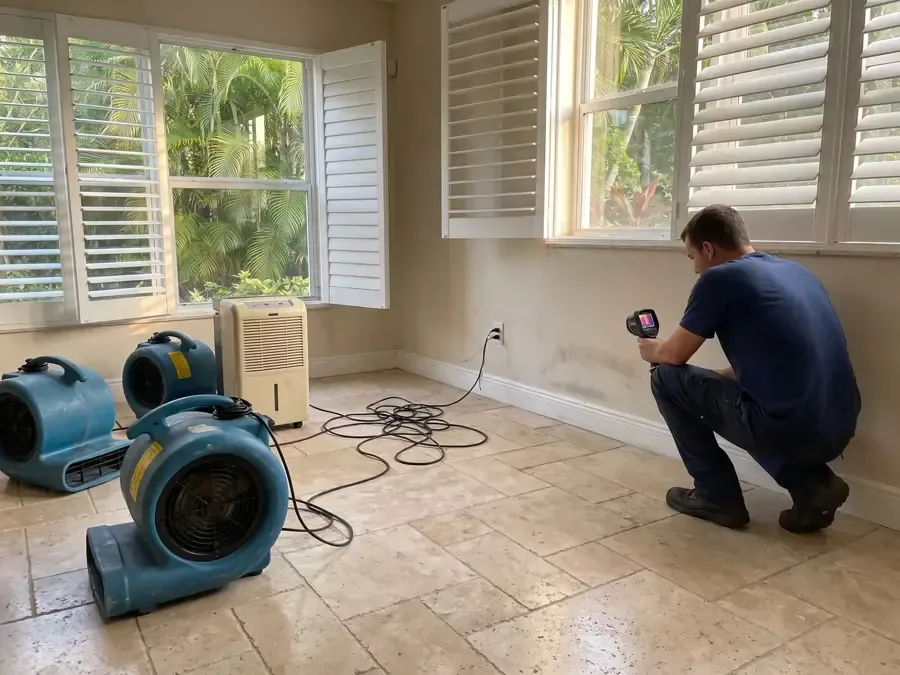
Air movers encourage evaporation from cleaned damp surfaces, while dehumidifiers capture released vapor. Marked framing, subfloor, masonry, and wall points are checked repeatedly. The structural drying service explains how reference values support the finish decision. Equipment changes follow readings rather than a preset calendar.
- Clean exposed retained surfaces
- Set goals for each material
- Control air movement within the work zone
- Track humidity and material response
- Record final values by location
Build a storm specific record
Garyville Refinery, St. John the Baptist Parish, and the Mississippi River may appear in service area notes, but the work file relies on property evidence. It should identify the reported weather event, entry points, affected rooms, contamination decisions, removed materials, cleaning steps, and drying measurements.
Owners can keep repair reports, photographs, weather related communications, invoices, and insurer messages together. The insurer interprets coverage. Restoration records describe the observed loss and completed mitigation without assigning a flood zone or promising reimbursement.
Contents are separated by contact and material rather than moved in one group. Hard belongings may be cleaned when all surfaces are accessible, while absorbent items exposed to outside water require more conservative decisions. Photographs and item notes preserve the starting condition before disposal or relocation changes the room.
Weather can also interrupt power and building access. Equipment begins only after safe capacity and a stable work area are available. If outdoor conditions change, technicians reassess entry and containment rather than allowing new water or humid air to undermine cleaned zones. These checkpoints keep the drying plan connected to actual conditions.
Final inspection follows the original water boundary from the entry area toward its outer edges. Cleaned surfaces, opened cavities, and retained structural points are photographed before repair finishes conceal them. The crew rechecks low thresholds for returning water and records any active entry that needs correction before the drying zone can close.
Storm and flood cleanup across Garyville and nearby communities
Storm cleanup serves properties near Airline Highway, Garyville Refinery, and the Mississippi River throughout the community. Conditions at the building determine entry, contamination, and work boundaries.
The same service nearby: storm and flood cleanup in LaPlace, Reserve, Norco.
Related water damage services in Garyville
Storm and Flood Cleanup questions in Garyville, LA
Storm water inside the building?
Safe access, sediment removal, and surface cleaning come before drying the retained structure.
(888) 417-5665Wait for safe access and request helpIs outside floodwater considered contaminated?
It is handled conservatively because it can collect soil, sewage, chemicals, and debris. Material contact and onsite conditions determine removal, cleaning, and air control decisions. The observed entry path matters.
Can pumping begin while water is rising?
The source and surrounding water conditions must be considered first. Pumping at the wrong time can create safety or structural concerns, so technicians assess conditions before removal.
Does every wall need to be opened?
No. Water height, contamination, material type, insulation, condition, and direct readings shape openings. Access should be sufficient for cleaning and drying without unsupported demolition.
When can drying equipment start?
Normal air movement starts after contaminated debris is removed and retained surfaces are cleaned. Equipment placement then follows the measured wet boundary and controlled work area.
How are hidden wet areas located?
Technicians compare thermal patterns, direct readings, water marks, and assembly access. Wall bases, cabinets, floor transitions, and rooms beside the visible loss receive focused checks.
What should a storm record include?
Useful documentation includes entry points, overview photographs, water and sediment boundaries, removed materials, cleaning notes, equipment placement, progress readings, and completion values.
What changes flood cleanup cost?
Water depth, affected area, contamination, debris, porous contact, structural access, cleaning detail, removal volume, equipment needs, and monitoring shape the final price.
Treat outside water with appropriate controls
The crew maps entry, removes water and debris, cleans retained construction, and verifies structural drying with repeat readings.