Sewage Backup Cleanup in Garyville, LA
Wastewater at a toilet, tub, drain, or floor requires more than extraction. The response team isolates the affected area, removes unsuitable porous materials, cleans retained construction, and dries only after preparation. Clean rooms remain protected throughout the work.
(888) 417-5665Request controlled sewage cleanup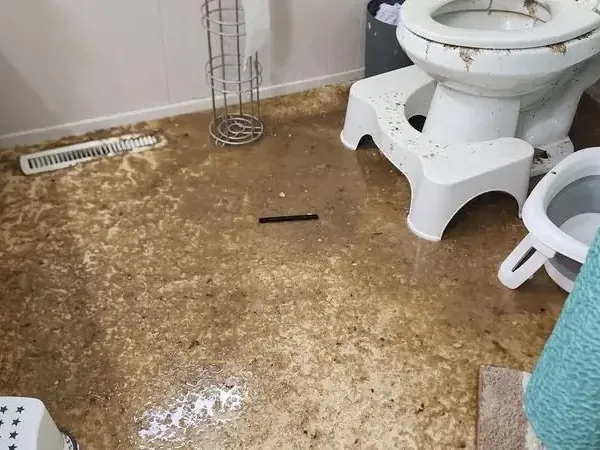
Why the sewage backup cleanup plan follows the water
Rapid local response
The response team dispatches 24/7 for active water and starts with source control, safety and a full moisture boundary.
IICRC S500 drying standard
The drying team sets category and class, chooses equipment for the evaporation load and verifies progress with daily readings.
Claim-ready documentation
The record can include the source, room diagram, moisture map, category, class, daily logs and photos before removal.
River Parish water knowledge
The crew plans for tropical rain, storm surge, humid air, supply failures and occasional freezing conditions.
How sewage backup is handled in Garyville
Establish controls
The crew establishes entry restrictions and separates clean movement routes from the wastewater boundary before bringing equipment into affected rooms.
Extract and remove
Extraction and controlled debris handling remove wastewater and contaminated porous products before the retained construction receives cleaning and drying.
Physically clean
Accessible retained surfaces are cleared of residue and prepared before structural drying starts.
Dry and document
Controlled equipment and repeat readings address moisture in cleaned construction through completion.
First steps for sewage backup cleanup in Garyville
Keep everyone outside
Close the room when possible and prevent children, pets, and unprotected occupants from contacting wastewater, wet contents, or tracked debris.
Avoid spreading air
Do not aim household fans across the contaminated area. Air control should follow the established work zone and cleaning plan.
Stop an accessible source
Use a safe fixture valve or master shutoff if fresh water is feeding the backup. A plumber evaluates the drain or plumbing cause.
Leave porous items in place
Do not carry saturated rugs, boxes, or fabrics through clean rooms. Technicians can sort and remove them along a controlled route.
A sewage release can spread through grout joints, floor seams, trim, cabinets, and wall bases. Household fans or casual mopping may distribute contamination rather than control it. The mitigation team establishes a work boundary, protects clean routes, and evaluates contact material by material. Garyville water damage help covers other sources, while this service uses the stricter controls appropriate for wastewater.
What does sewage backup cleanup cost in Garyville, LA?
Sewage cleanup commonly ranges from $2,200 to $12,000 or more. Wastewater area, porous material contact, access, extraction, removal, detailed cleaning, disposal, containment, and structural drying shape the total.
Focused loss
$2,200 to $5,396
- Contained bathroom area
- Controlled material removal
- Detailed surface cleaning
Multi-room loss
$5,396 to $8,400
- Several spaces affected
- Broader containment
- Expanded drying zone
Complex loss
$8,400 to $12,000+
- Extensive contamination
- Substantial debris handling
- Large controlled work area
Ranges are typical, not a quote: category of water, square footage, material class and how fast drying started move the number most. Run the water damage cost calculator for a closer range.
Control access before disturbing the loss
People and pets should remain outside the affected area. Technicians identify a debris route, equipment location, and separation point before extraction begins. Splashing and foot traffic are limited. Items that can be cleaned are separated from porous contents that cannot be restored safely.
St. John the Baptist Parish completed a public water pipe repair affecting Garyville, Reserve, and Mount Airy in August 2021, followed by a boil water advisory. During a sewage cleanup, plumbing findings and utility notices belong in dated entries. The crew separately records the backup location, the spread of wastewater, and the materials requiring removal or cleaning.
- Block access to contaminated rooms
- Avoid operating household fans
- Identify drain or fixture involvement
- Protect the clean equipment route
- Photograph conditions from outside controls
Remove wastewater and damaged porous material
Extraction removes accessible liquid first. Porous floor covering, pad, insulation, or gypsum board that contacted sewage often requires removal because contamination can remain within material structure. Sound nonporous and semi porous construction is evaluated for cleaning access, physical condition, and whether all contacted surfaces can be reached.
Removal is controlled to reduce debris movement. Technicians can cut material to a planned boundary, bag it within the work zone, and clean tools before they leave. The goal is not broad demolition. It is sufficient access to remove unsuitable material and expose retained surfaces for detailed cleaning.
- Extract liquid without spreading splash
- Separate salvageable and discarded contents
- Remove affected porous finishes deliberately
- Keep bagged debris on a controlled route
- Inspect cavities revealed during removal
Clean first, then create drying conditions
Retained surfaces receive physical cleaning appropriate to the material and soil load. Application of a treatment does not replace removal of visible residue. Edges, fasteners, framing faces, and difficult corners all require access. The work zone is inspected after cleaning and before normal structural drying equipment is arranged.
Air movement is managed carefully so it does not carry contaminants into unaffected rooms. Dehumidification removes vapor released by retained wet assemblies. The structural drying process applies after the contaminated area is prepared. Marked wood and masonry points are monitored until they meet selected goals.
- Remove visible residue from retained surfaces
- Clean edges and irregular framing faces
- Maintain separation from unaffected spaces
- Introduce drying equipment after preparation
- Track material readings through completion
Document the category and decisions
Coverage reaches properties around the Mississippi River, Airline Highway, and Garyville Refinery. A sewage cleanup file should be easy to follow room by room: reported source, contaminated surfaces, materials removed, cleaning completed, and drying readings for retained construction. Photographs taken before removal preserve the starting condition for later claim discussions.
Property owners can preserve plumber findings, restoration photographs, disposal notes, cleaning records, equipment logs, and final measurements. Insurance coverage depends on policy terms and the reported cause, so the carrier decides reimbursement.
Contents need the same controlled reasoning as construction. Hard items may enter a cleaning sequence when every contacted surface is reachable. Absorbent belongings with direct wastewater contact need a conservative decision and clear documentation. The crew keeps cleaned items outside the dirty route and records disposal choices before debris leaves the property.
Odor is treated as an inspection clue rather than a completion test. A space may smell better while residue remains in a joint or porous material. Visual inspection, cleaning records, material condition, and moisture readings provide a stronger basis for moving from contamination control into normal drying and final handoff.
Final photographs show cleaned retained construction before replacement finishes conceal it. The record also identifies the controlled route used for debris and equipment.
The closing record separates cleaned retained surfaces from materials removed because reliable cleaning was not possible.
Sewage backup cleanup across Garyville and nearby communities
Cleanup serves the community around Airline Highway, the Mississippi River, and Garyville Refinery. The observed backup, material contact, and contamination map set the job boundary.
The same service nearby: sewage backup cleanup in LaPlace, Reserve, Norco.
Related water damage services in Garyville
Sewage Backup Cleanup questions in Garyville, LA
Wastewater on the floor?
The affected area is isolated before wastewater, contaminated materials, and debris are removed.
(888) 417-5665Keep the room closed and callWhy should occupants avoid the room?
Wastewater can contain harmful contamination, and foot traffic can carry it into clean spaces. Restricting access protects people and keeps the cleanup boundary from expanding. Clean routes must remain separate.
Can carpet be cleaned after sewage contact?
Porous flooring and pad that contact sewage commonly require removal. The actual decision considers exposure, material, access, condition, and whether contamination can be removed reliably.
Is disinfectant alone enough?
No. Visible residue and soil need physical removal from accessible retained surfaces. A treatment may be part of the process, but it does not replace extraction, removal, and cleaning.
When do air movers start?
Normal drying begins after contaminated material is removed and retained construction is cleaned. Air movement is controlled so it does not distribute contamination beyond the work area.
Who addresses the drain problem?
A plumber evaluates and repairs the drain or fixture cause. Restoration technicians handle wastewater extraction, affected materials, cleaning, controlled drying, and documentation.
What records describe sewage work?
Useful records include the reported cause, photographs, contamination boundary, materials removed, cleaning steps, equipment placement, progress readings, completion values, and invoices.
What drives the cleanup price?
Affected area, water depth, porous contact, cabinet or wall involvement, access, containment, debris volume, cleaning detail, equipment, and monitoring influence the final scope.
Protect clean areas before moving wet items
Inside the isolated rooms, the response team extracts wastewater, removes unsuitable porous products, cleans remaining surfaces, and measures moisture during controlled structural drying.