Sewage Backup Cleanup in Reserve, LA
A backup through a toilet, tub, or drain brings contamination into the room and any finish it crosses. Cleanup personnel isolate the route, remove sewage contacted material, clean retained surfaces, and only then dry the structure.
(888) 417-5665Request sewage restoration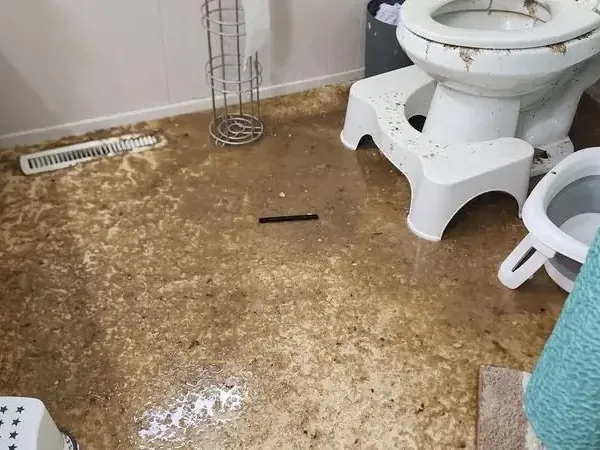
Why the sewage backup cleanup plan follows the water
Rapid local response
The response team dispatches 24/7 for active water and starts with source control, safety and a full moisture boundary.
IICRC S500 drying standard
The drying team sets category and class, chooses equipment for the evaporation load and verifies progress with daily readings.
Claim-ready documentation
The record can include the source, room diagram, moisture map, category, class, daily logs and photos before removal.
River Parish water knowledge
The crew plans for tropical rain, storm surge, humid air, supply failures and occasional freezing conditions.
How sewage backup is handled in Reserve
Separate clean and dirty areas
Occupant spaces, equipment routes, and staging locations are protected from the wastewater work zone.
Recover sewage and affected material
Liquid, solids, and porous finishes that cannot remain leave through a controlled handling path.
Clean exposed retained surfaces
Reachable hard construction is physically cleaned before standard air movement begins in the prepared area.
Dry and close the record
Material readings, cleaning notes, photographs, and equipment logs establish the final structural condition.
First steps for sewage backup cleanup in Reserve
Keep occupants outside the room
Close the door or establish another safe boundary when possible. Children, pets, and unprotected adults should not cross wastewater or contaminated debris.
Do not use household machines
Vacuum cleaners, mops, and fans can become contaminated or spread droplets. The cleanup setup should control both removal and air movement.
Leave wet belongings in place
Carrying absorbent items through clean rooms can transfer residue. A protected handling path is established before contents or demolition debris leave.
Record conditions from the boundary
Take wide photographs without stepping into sewage. Note the fixture involved and whether wastewater is continuing to enter the room.
A sewage loss is controlled from its edges inward. The cleanup team first protects hallways and unaffected rooms, then documents every surface touched by wastewater. This prevents foot traffic, household cleaning tools, or misplaced air movement from carrying contamination beyond the original room.
What does sewage backup cleanup cost in Reserve, LA?
Sewage backup cleanup generally ranges from $2,200 to $12,000 or more. Contaminated area, porous contact, soil, access, removal, cleaning, air control, equipment, and monitoring determine the work.
Focused loss
$2,200 to $5,396
- One contained room
- Limited porous contact
- Detailed extraction and cleaning
Multi-room loss
$5,396 to $8,400
- Wastewater crossed edges
- More controlled removal
- Several dry out sections
Complex loss
$8,400 to $12,000+
- Broad contamination area
- Difficult debris handling
- Extensive cleaning records
Ranges are typical, not a quote: category of water, square footage, material class and how fast drying started move the number most. Run the water damage cost calculator for a closer range.
Establishing a protected route through the property
The toilet or drain is inspected as an entry point, but the work boundary follows liquid movement across floors and into lower walls. Technicians look beneath trim, beside cabinets, and at transitions into neighboring areas. People and pets remain outside the controlled zone until removal, cleaning, and drying are complete.
The property contact and plumbing contractor should establish whether the blockage or failed connection is within the private drain or involves parish infrastructure. The current plumbing findings and visible contamination define the source record for each Reserve project.
- Close the affected room to routine occupant traffic
- Protect equipment routes through otherwise clean space
- Mark every edge reached by wastewater or splash
- Photograph fixtures, water marks, and affected finishes
- Coordinate drain repair with contamination controls
Removing materials that cannot be reliably cleaned
Wastewater and solids are recovered with equipment dedicated to the work zone. Carpet, pad, insulation, and other absorbent material that contacted sewage generally require conservative removal because hidden soil cannot be verified away. Drywall and composite cabinet parts are evaluated by contact height, condition, and access.
Hard nonporous surfaces may remain if they can be fully reached for physical soil removal and cleaning. The crew creates stable cut lines at the measured edge, contains debris before transport, and avoids unnecessary demolition beyond affected material. Each cabinet component receives its own decision rather than one answer for the entire unit.
- Extract liquid and collect solids without spreading residue
- Bag removed porous material inside the controlled zone
- Separate cleanable finishes from absorbent substrates
- Open cavities only where sewage or moisture entered
- Clean work tools before moving them into clean areas
Preparing retained construction for moisture control
Physical cleaning comes before ordinary drying airflow. Joints, seams, penetrations, and textured surfaces need attention because residue can remain there after liquid extraction. Air control during removal differs from air movement used later to dry clean structural components.
After the prepared area passes the cleaning stage, meters establish which concrete, framing, and retained finishes remain damp. Dehumidification captures vapor while directed air reaches exposed surfaces. Sewage cleanup information explains the main area service, and local restoration coverage connects it to other source specific work.
- Remove visible soil before surface treatment
- Inspect corners and seams after initial cleaning
- Begin structural drying only in the prepared zone
- Measure retained wood and concrete independently
- Keep cleaning and drying records in chronological order
Documenting a contaminated water project
The file identifies the reported backup, rooms affected, access limits, materials removed, retained surfaces, cleaning steps, and later moisture readings. Initial and completion photographs help explain the transition from contaminated room to prepared structure. Disposal and equipment notes add practical detail without making a policy promise.
Airline Highway, Riverside Academy, the Mississippi River, and the parish name locate the service area. They do not identify a private plumbing cause. The property owner can keep plumber findings and restoration records together, while the insurer applies the policy language to the reported event.
Protecting clean areas during the final transition
Removing the last bag of debris does not automatically end contamination control. The crew inspects the route used for tools and waste, cleans protective surfaces as required, and keeps drying equipment inside the prepared boundary. Items that never entered the affected zone remain separated from those awaiting a cleaning or disposal decision. This transition is documented because it explains when the work changed from contaminant removal to moisture reduction. If a newly opened joint reveals additional soil, ordinary airflow pauses in that section until physical cleaning is complete. Final moisture readings then apply only to retained surfaces that have passed the preparation stage. The sequence keeps a clean structural drying record from being mixed with earlier sewage handling and gives the property file a clear order of operations.
Sewage backup cleanup across Reserve and nearby communities
Sewage cleanup is available across the community near Airline Highway, Riverside Academy, the Mississippi River, and ZIP areas 70068 and 70084, with current findings setting controls.
The same service nearby: sewage backup cleanup in LaPlace, Garyville, Norco.
Related water damage services in Reserve
Sewage Backup Cleanup questions in Reserve, LA
Wastewater has entered an occupied area?
The affected area is isolated before wastewater, contaminated materials, and debris are removed.
(888) 417-5665Arrange controlled sewage cleanupIs a limited toilet overflow still contaminated?
If the water contains sewage, the affected area receives gross contamination controls even when small. Splash, wiping materials, floor seams, and nearby trim are included in the assessment. Restriction protects nearby rooms.
Can carpet remain after sewage contact?
Sewage contacted carpet and pad are absorbent and generally require removal. The flooring or slab below still needs soil removal, cleaning, inspection, and moisture testing.
Why should household fans stay off?
Uncontrolled airflow can spread contaminated droplets and particles. Air management is planned around removal and cleaning before normal structural drying begins.
How much wallboard needs removal?
The boundary follows sewage contact, wicking, physical condition, and cavity access. Technicians cut to stable unaffected material rather than using the whole room as a default.
Can cabinets be cleaned in place?
Nonporous faces may be cleanable, while absorbent toe kicks, box bottoms, or backs can require removal. Components are evaluated separately by contact and condition.
What proves the area is complete?
Records can show what was removed, how retained surfaces were cleaned, which materials were dried, and what final readings were obtained after preparation.
What factors affect sewage cleanup price?
Contaminated area, porous material volume, soil load, access, demolition, disposal, detailed cleaning, containment, dehumidification, and monitoring shape the scope.
Protect clean rooms before removing contaminated material
The cleanup team isolates access, extracts sewage, removes affected porous finishes, cleans retained construction, and verifies the later dry out.