Commercial Water Damage in Reserve, LA
A water release can affect customer areas, stock, equipment, files, and building systems at once. Commercial mitigation divides the property into safety, wet work, drying, and protected operating zones. Records follow those zones through completion.
(888) 417-5665Request commercial help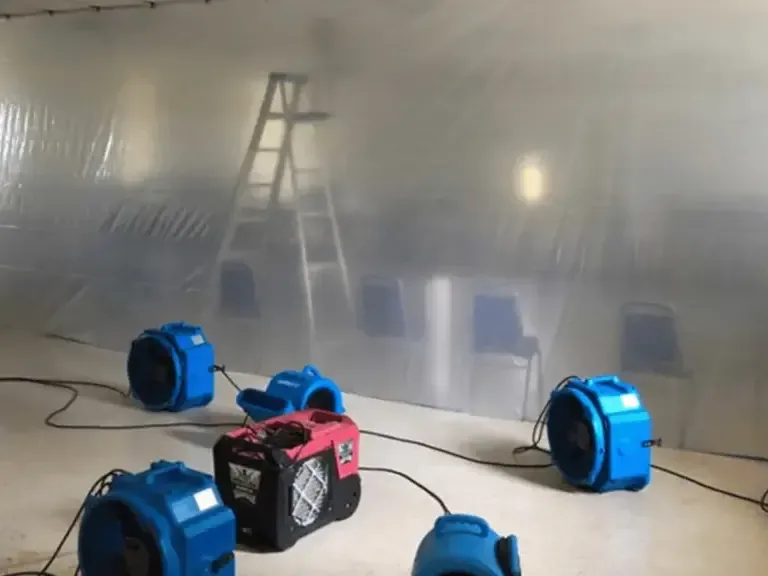
Why the commercial water damage plan follows the water
Rapid local response
The response team dispatches 24/7 for active water and starts with source control, safety and a full moisture boundary.
IICRC S500 drying standard
The drying team sets category and class, chooses equipment for the evaporation load and verifies progress with daily readings.
Claim-ready documentation
The record can include the source, room diagram, moisture map, category, class, daily logs and photos before removal.
River Parish water knowledge
The crew plans for tropical rain, storm surge, humid air, supply failures and occasional freezing conditions.
How commercial is handled in Reserve
Build the operating zone map
Management priorities, hazards, affected uses, clean routes, security, contents, and source status are recorded by area.
Remove water and protect assets
Extraction proceeds through controlled routes while stock, files, furnishings, and specialist equipment receive documented handling decisions.
Clean and expose the structure
Contamination controls and limited material openings prepare retained walls, floors, ceilings, and casework for effective drying.
Report progress by area
Repeat moisture values, equipment changes, access status, completed tasks, and outstanding trade work are organized for each zone.
First steps for commercial water damage in Reserve
Protect occupants and customers
Close access to wet electrical areas, unstable finishes, sewage, or slippery routes. Use existing emergency procedures and qualified help for immediate hazards.
Name a property contact
Select a person who can provide keys, identify critical operations, authorize contents movement, and receive changes to the restoration zone plan.
Preserve operational records
From safe areas, save incident timing, source reports, maintenance information, photographs, inventory data, and vendor contacts relevant to affected equipment.
Keep clean and wet traffic separate
Direct staff and deliveries away from extraction routes, debris handling, hoses, cords, and containment until the site contact receives an updated access plan.
A commercial release rarely affects only a floor. It can interrupt entrances, workstations, inventory storage, utilities, and shared building circulation. In Reserve, the response team starts with management contacts and a zone map so hazards and wet work remain clear to occupants, vendors, and restoration personnel.
What does commercial water damage cost in Reserve, LA?
Commercial water damage restoration often ranges from $3,000 to $18,000 or more. The local project scope depends on area, water category, operations, contents, construction, access, containment, equipment, and documentation needs.
Focused business area
$3,000 to $7,980
- Source isolated
- Accessible surfaces affected
- Limited contents and equipment
Multiple operating zones
$7,980 to $12,600
- Several uses disrupted
- Contents movement required
- Expanded extraction and drying
Complex facility loss
$12,600 to $18,000+
- Broad or contaminated impact
- Special access coordination
- Extensive records and equipment
Ranges are typical, not a quote: category of water, square footage, material class and how fast drying started move the number most. Run the water damage cost calculator for a closer range.
Organizing the property before equipment arrives
The initial briefing identifies the source, affected uses, electrical or structural concerns, sensitive contents, security requirements, and any activity that may continue. A designated site contact helps approve access and receives daily changes. Emergency officials and qualified trades control hazards outside restoration authority.
Airline Highway and Riverside Academy provide location context within the local service area, but they do not describe the construction or risk of an individual facility. The building walkthrough supplies those facts. Public areas, storage, offices, utility rooms, and restricted spaces are mapped separately.
- Assign one property contact for scope decisions
- Mark clean access and wet work routes
- Identify critical equipment before moving contents
- Separate occupant paths from hoses and cords
- Record dry rooms that must remain protected
Controlling water while protecting operations
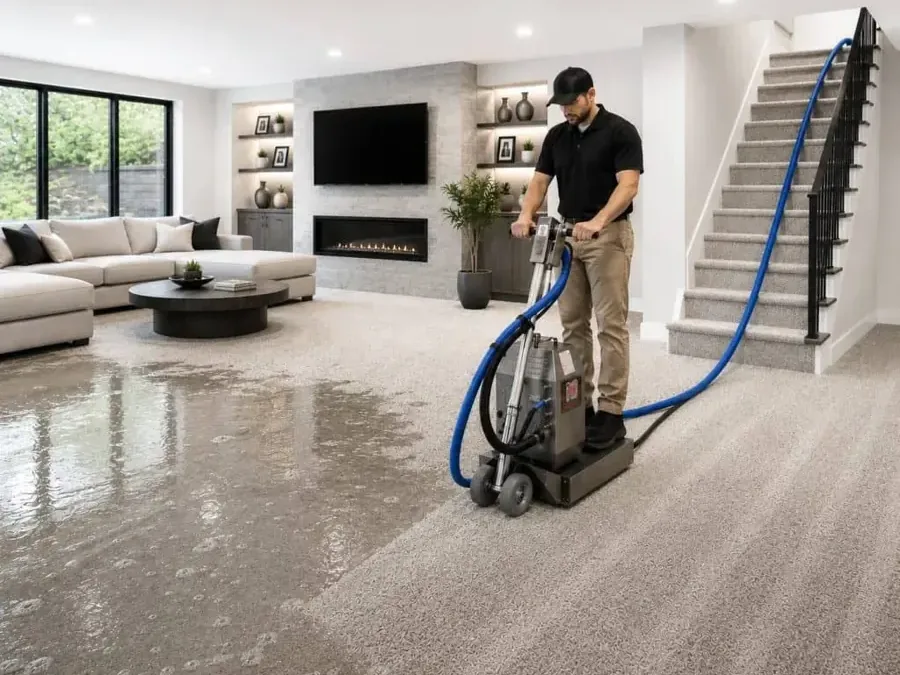
After safe source isolation, extraction begins in locations where liquid could reach more materials or block access. Portable and broad surface tools may work in different zones. Temporary barriers, floor protection, and equipment routing keep the active work footprint understandable.
Contents are photographed before movement and grouped by location, material, condition, and operational value. Dry stock can transfer to a protected zone. Wet hard goods may be cleaned, while absorbent items require decisions based on water category and cleanability. Sensitive machinery receives attention from the appropriate vendor rather than routine handling.
- Recover water at doorways and active transitions first
- Use identifiers that preserve original contents locations
- Protect unaffected stock from humidity and traffic
- Coordinate equipment access with business security
- Keep contaminated debris contained during removal
Drying different commercial assemblies by zone
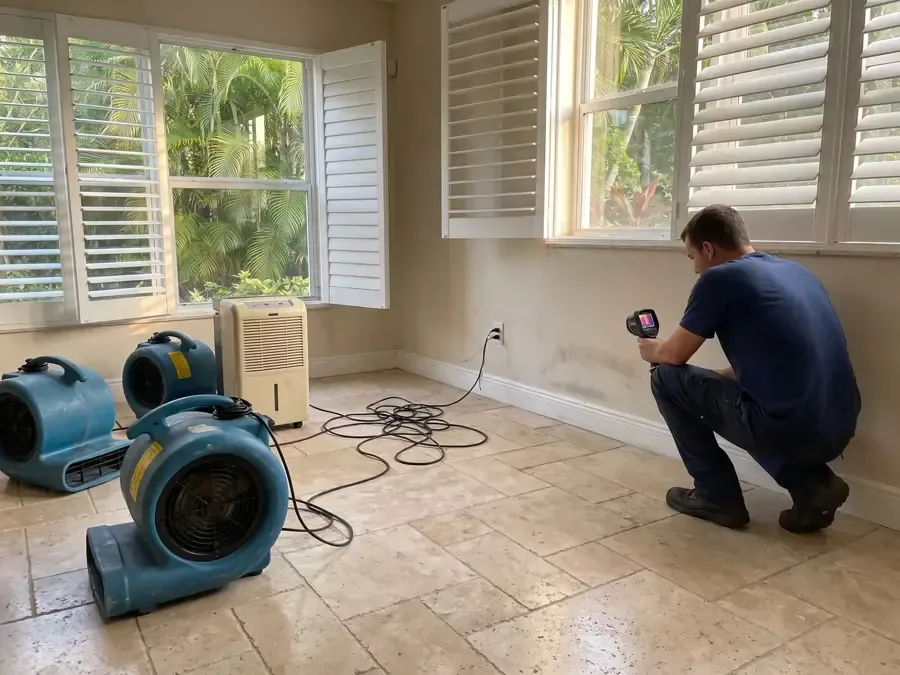
Metal framing, gypsum partitions, concrete, resilient flooring, wood casework, and ceiling systems respond differently. The moisture diagram lists each tested material in each zone. Limited finish openings expose concealed dampness without automatically closing an entire area that remains safe and dry.
Air movement and dehumidification are arranged for material load and the building's existing environmental systems. The restoration setup should not compromise fire protection, ventilation, or secure access. Commercial structural drying uses repeat values to reduce equipment as individual zones reach their goals.
- Coordinate temporary barriers with building requirements
- Measure partitions on both sides where accessible
- Check floor layers beneath apparently dry surfaces
- Track humidity in protected and active zones separately
- Escalate specialist equipment concerns to its vendor
Giving management and insurers usable records
The Mississippi River and St. John the Baptist Parish further define local coverage, but the claim file stays building specific. A zone based photo log connects affected materials, contents movement, cleaning, demolition, and equipment activity to the map.
Water restoration services in Reserve connect extraction, sewage cleanup, and drying under one local hub. Daily reports can list access restrictions, source status, completed work, current readings, equipment changes, and the next planned activity. The carrier interprets coverage, while business management decides operational priorities based on safe access information.
Planning each shift around changing access
Commercial spaces may have deliveries, staff changes, security periods, or customer activity that alter the safe work route. The site contact and restoration lead identify those changes before each phase, then update barriers and equipment paths without erasing the underlying moisture zones. A room that reopens for limited use still needs clear separation from active demolition or contaminated cleanup. If business activity interrupts a drying enclosure, the time and resulting air conditions are noted so the next measurements have context. Contents returned to a finished zone receive location records to prevent confusion with items still awaiting treatment. This shift based coordination helps management understand what is usable, what remains restricted, and which construction readings must be completed before another area can transition back to ordinary operations.
Final access status is shared with the designated property contact before barriers are changed or ordinary traffic returns.
Commercial water damage across Reserve and nearby communities
Commercial water restoration covers facilities near Airline Highway, Riverside Academy, the Mississippi River, and ZIP areas 70068 and 70084, with operations and site conditions shaping the plan.
The same service nearby: commercial water damage in LaPlace, Garyville, Norco.
Related water damage services in Reserve
Commercial Water Damage questions in Reserve, LA
Water has interrupted a commercial property?
The work plan separates occupied areas, equipment routes, and wet zones so each stage can be coordinated.
(888) 417-5665Arrange commercial restorationCan part of a business remain open during restoration?
Possibly, when management and appropriate authorities determine that a separated zone is safe. Egress, electricity, contamination, noise, security, and equipment routes all matter. Management documents each approved transition.
How are inventory and furnishings tracked?
Items are photographed and identified by original location, material, condition, water contact, movement destination, and cleaning or disposition decision. A movement log connects each identifier with its current holding area and next action.
Who handles wet production equipment?
The restoration team can document surrounding water and protect access, but specialized machinery should be assessed, isolated, and serviced by its qualified vendor.
How is sewage handled in an occupied facility?
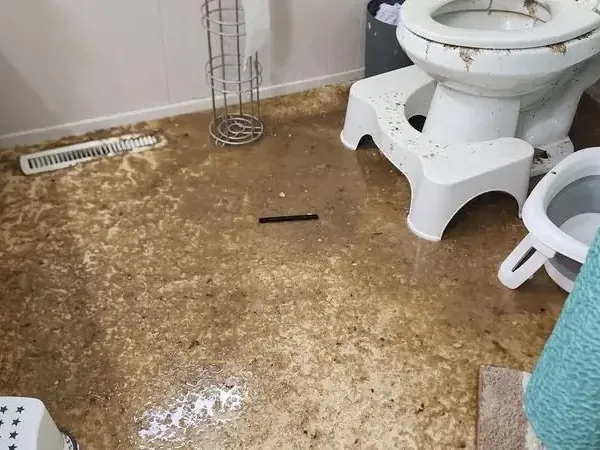
Access is restricted, clean and affected routes are separated, porous materials are evaluated conservatively, and physical cleaning precedes ordinary structural drying.
Can drying equipment use the building's power?
Electrical capacity, circuit condition, placement, and operating needs require evaluation. Temporary power decisions belong to qualified electrical personnel and property management.
What belongs in a daily commercial report?
Source status, zone access, completed extraction or demolition, contents activity, readings, equipment counts, safety changes, trade dependencies, and planned next work are useful. This format supports clear handoffs among shifts.
What drives commercial restoration cost?
Area, category, access hours, security, contents, specialized equipment, finishes, demolition, cleaning, power, drying capacity, monitoring, and documentation affect the total.
Create safe zones around the affected operation
The response team maps business priorities, extracts through controlled routes, protects contents, dries retained construction, and reports progress by functional area. Daily records keep each transition understandable.