Commercial Water Damage in Garyville, LA
A business water loss involves people, utilities, inventory, access, and daily operations as well as wet materials. The response plan divides the property into controlled zones with clear responsibilities and measured release points. Each zone receives its own status record.
(888) 417-5665Request commercial mitigation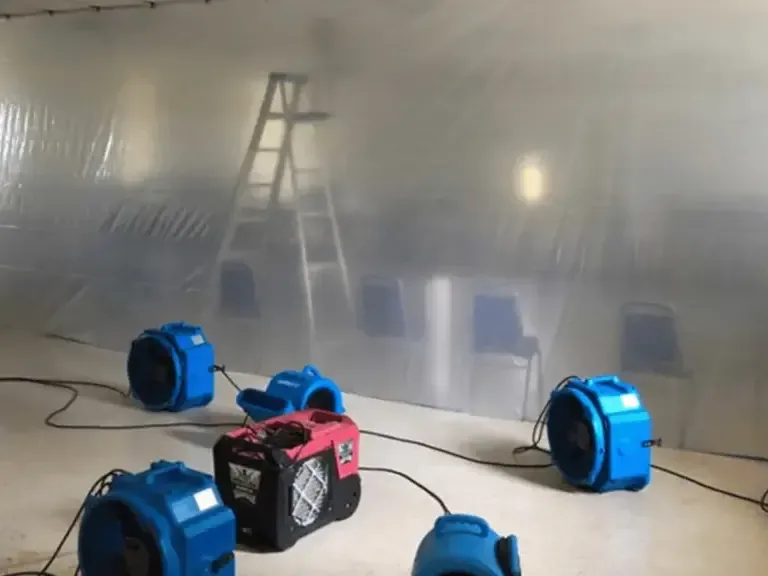
Why the commercial water damage plan follows the water
Rapid local response
The response team dispatches 24/7 for active water and starts with source control, safety and a full moisture boundary.
IICRC S500 drying standard
The drying team sets category and class, chooses equipment for the evaporation load and verifies progress with daily readings.
Claim-ready documentation
The record can include the source, room diagram, moisture map, category, class, daily logs and photos before removal.
River Parish water knowledge
The crew plans for tropical rain, storm surge, humid air, supply failures and occasional freezing conditions.
How commercial is handled in Garyville
Set contacts and zones
The property contact coordinates operating needs and repair access while technicians assign work zones around hazards and measured water damage.
Extract by priority
Extraction moves through the agreed work zones with separate routes for clean equipment, recovered wastewater, and affected contents.
Dry in managed phases
Equipment, containment, power, and monitoring are coordinated around measured wet assemblies.
Release documented areas
Completed zones receive final values and a clear handoff while remaining work continues elsewhere.
First steps for commercial water damage in Garyville
Protect occupants and staff
Restrict wet electrical, sewage, unstable ceiling, and active work areas. Use clear internal communication so people do not enter controlled zones.
Assign a property contact
Choose someone who can explain operations, approve access, identify sensitive contents, and coordinate with restoration and source repair professionals.
Preserve the starting record
Photograph affected departments, visible water, equipment, stock, and access routes before extraction or contents movement changes the scene.
Keep response routes open
Move vehicles, boxes, and routine deliveries away from planned equipment and debris paths without entering the wet work area.
Commercial losses require a site plan before hoses, debris, and equipment begin moving through occupied areas. The property representative identifies critical access, sensitive contents, operating hours, and decision contacts. The mitigation team establishes safety and moisture zones around those needs. Garyville water restoration connects the project with source specific services.
What does commercial water damage cost in Garyville, LA?
Commercial restoration may range from $3,000 to $18,000 or more. Water category, occupied area, operations, contents, access, containment, removal, power, equipment, and monitoring determine the final total.
Focused loss
$3,000 to $7,980
- Contained operating zone
- Limited contents impact
- Focused extraction and drying
Multi-room loss
$7,980 to $12,600
- Several business areas
- Phased access controls
- Expanded equipment plan
Complex loss
$12,600 to $18,000+
- Extensive operations impact
- Contamination or broad removal
- Large managed drying project
Ranges are typical, not a quote: category of water, square footage, material class and how fast drying started move the number most. Run the water damage cost calculator for a closer range.
Organize the property before extraction
The initial meeting confirms the reported source, utility status, affected departments, occupant restrictions, and available equipment routes. Technicians map visible water and test adjoining walls, floors, ceilings, cabinets, and storage areas. Each zone receives a clear status so employees and contractors know where access is limited.
Airline Highway serves Garyville and the River Parishes, while Garyville Refinery and the Mississippi River provide other geographic reference points. A commercial service request should also identify the accessible entrance and property contact. Those details help coordinate equipment delivery with occupant movement and the areas requiring inspection.
- Name a property decision contact
- Confirm source and utility controls
- Separate occupied and work routes
- Map moisture beyond visible water
- Protect records and sensitive contents
Build phases around source and category
A fresh supply release, roof entry, storm water, and sewage each demand different controls. Extraction starts in safe accessible zones. Contaminated areas receive isolation, porous material decisions, and cleaning before normal drying. Sound unaffected departments are protected from traffic, hoses, debris, and uncontrolled air movement.
Work can be divided by floor, room group, use, or assembly. A phase is not released merely because extraction ended. It moves forward when cleaning is complete where required, material access is adequate, and drying conditions are established. The project lead records changes so later crews follow the same boundary.
- Match controls to the water source
- Extract accessible liquid by zone
- Route debris away from operations
- Protect unaffected inventory and records
- Record each phase transition
Coordinate power, equipment, and monitoring
Commercial equipment loads and cord routes require planning. Qualified electrical help addresses unsafe systems and available capacity. Air movers and dehumidifiers are placed within measured wet zones without blocking exits or essential pathways. Containment can separate noisy or contaminated work from unaffected functions.
Technicians return to marked materials for consistent progress readings. A slow zone can receive more access, revised airflow, or different vapor control without disrupting areas already complete. The structural drying service provides the measurement framework. Daily notes connect equipment moves with changing material values.
- Confirm safe power distribution
- Keep exits and work routes open
- Monitor each material at repeatable points
- Revise only the zones still wet
- Release completed sections with records
Create a handoff that supports operations
St. John the Baptist Parish provides the correct jurisdictional context for the unincorporated community. The property file remains specific to the business and can include diagrams, overview photographs, source repair information, contents decisions, equipment logs, readings, invoices, and zone release notes.
The insurer decides coverage under the policy. Restoration documentation describes observed conditions and completed mitigation. Property management decides operational access with input from safety, repair, and restoration professionals.
Communication should match the zone plan. A brief site update can identify areas open for normal use, areas available only to authorized staff, and areas controlled by restoration. Changes are recorded when water migration, source repair, or operational needs alter those boundaries. This prevents an old instruction from sending employees through an active work route.
Contents and business equipment are documented by department and contact condition. The property representative identifies items that require specialist handling, while restoration staff protect unaffected goods from debris and humidity. Relocation is coordinated so an item does not lose its original room and damage record.
Before a zone returns, the handoff notes remaining repair work, completed mitigation, final material values, and any access limitation. That record lets property management make operational decisions with current evidence.
Equipment logs identify the zone served by each machine rather than listing equipment without context. When a unit moves, the note records the remaining wet target and the access change that made the move useful.
Current zone notes remain available to the designated property contact.
Commercial water damage across Garyville and nearby communities
Commercial mitigation serves properties around Airline Highway and Garyville Refinery. Site operations, direct moisture readings, and controlled zones determine access, phasing, and the work boundary.
The same service nearby: commercial water damage in LaPlace, Reserve, Norco.
Related water damage services in Garyville
Commercial Water Damage questions in Garyville, LA
Water affecting business operations?
The work plan separates occupied areas, equipment routes, and wet zones so each stage can be coordinated.
(888) 417-5665Set a property contact and request helpCan a business remain open during restoration?
That depends on safety, source, contamination, utilities, access, and operations. Defined work zones may protect unaffected functions, but property management makes the operational decision. A written zone status helps staff understand which routes and rooms remain restricted while other functions continue.
Who coordinates the project?
A designated property contact works with source repair trades, restoration staff, insurers, and internal stakeholders. Clear authority prevents conflicting access or equipment decisions. The current written zone plan should be available to each contractor entering the property.
How are sensitive contents handled?
The property identifies priority records, inventory, equipment, and restricted items. Technicians document contact and coordinate protection or movement through clean routes.
What changes for sewage or storm water?
Contaminated water requires stricter access, porous material removal, physical cleaning, debris routes, and air controls before ordinary structural drying starts.
How is power planned?
Qualified electrical professionals address unsafe systems and capacity. Restoration equipment is distributed to support drying without blocking exits or creating unmanaged cord routes.
What supports a phased handoff?
A zone can be released after required cleaning, material access, drying progress, and final readings are documented. Remaining wet zones stay controlled separately.
What affects commercial project cost?
Area, source category, operations, contents, access, containment, demolition, cleaning, power, equipment capacity, schedule coordination, and monitoring shape the scope.
Organize extraction and drying around clear work zones
The commercial team schedules extraction, containment, power, and drying around agreed access needs, with recorded handoffs for completed areas and protection for unaffected operations.