Roof Leak Water Damage in Reserve, LA
A ceiling mark may sit below soaked insulation, damp decking, or a path that followed framing away from the roof opening. After safe source control, restoration carefully traces the affected layers beneath the roof opening.
(888) 417-5665Request roof leak help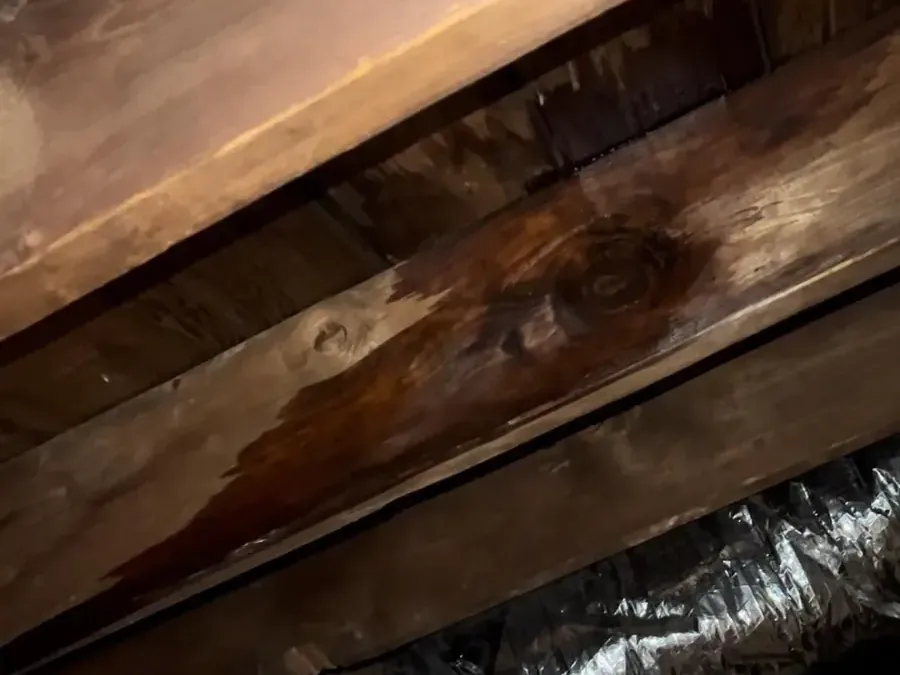
Why the roof leak water damage plan follows the water
Rapid local response
The response team dispatches 24/7 for active water and starts with source control, safety and a full moisture boundary.
IICRC S500 drying standard
The drying team sets category and class, chooses equipment for the evaporation load and verifies progress with daily readings.
Claim-ready documentation
The record can include the source, room diagram, moisture map, category, class, daily logs and photos before removal.
River Parish water knowledge
The crew plans for tropical rain, storm surge, humid air, supply failures and occasional freezing conditions.
How roof leak is handled in Reserve
Connect source and interior evidence
Roofing findings are paired with stains, attic observations, and direct moisture values inside the building.
Stabilize the overhead zone
The crew controls access, removes trapped liquid, and opens weak material through a protected work area.
Expose the wet layers
Affected insulation and limited barriers are removed where they prevent inspection or effective evaporation from retained construction.
Track every retained component
Decking, framing, ceiling, wall, and floor readings determine equipment adjustments and establish the measured finish point.
First steps for roof leak water damage in Reserve
Stay out from under the stain
Sagging board and wet insulation can release without warning. Keep people and pets away from the overhead area and avoid moving heavy items beneath it.
Avoid wet fixtures and power
Do not touch ceiling lights, fans, switches, or cords near the leak. Qualified electrical personnel should evaluate unsafe components before restoration access.
Limit water movement from safety
Place a container only when it can be reached without standing below unstable material. Do not pierce or press a bulging ceiling.
Preserve rain and repair details
Photograph visible marks from a safe location and retain roofing findings, weather timing, and any temporary covering notes for the project record.
Rain does not always fall straight from the opening to the stain. It can follow decking, rafters, fasteners, insulation, and ceiling seams before appearing indoors. A Reserve roof loss therefore begins with a protected interior route and a separate exterior repair assessment, followed by moisture testing beneath the reported entry.
What does roof leak water damage cost in Reserve, LA?
Roof leak water damage restoration commonly ranges from $1,400 to $7,200 or more. Attic access, insulation, ceiling area, wall travel, flooring, source work, equipment, and monitoring shape the scope.
Small ceiling area
$1,400 to $3,268
- Entry already stopped
- Limited insulation contact
- Focused access and drying
Attic and room impact
$3,268 to $5,040
- Several materials affected
- Ceiling opening required
- Expanded moisture tracking
Complex rain path
$5,040 to $7,200+
- Water crossed cavities
- Broad insulation involvement
- Multiple drying zones
Ranges are typical, not a quote: category of water, square footage, material class and how fast drying started move the number most. Run the water damage cost calculator for a closer range.
Protecting people beneath a wet ceiling
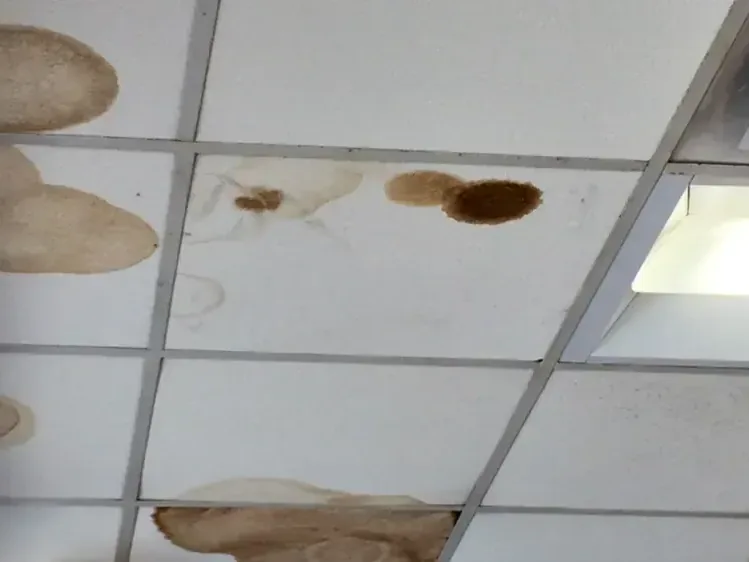
Ceiling board gains weight as it absorbs water, and insulation above can add an unseen load. Occupants should stay clear of bulging areas, active drips near fixtures, and debris. Technicians examine the room from a safe position, isolate electrical concerns, and plan controlled access rather than puncturing an unknown pocket from below.
Tropical rain and severe weather support careful inspection in St. John the Baptist Parish, but weather context alone does not locate the defect. Roofing findings establish whether the entry involved covering, flashing, penetration, or another exterior component. Restoration measurements show how far the released water traveled indoors.
- Keep furniture away from the fall zone when safely reachable
- Do not operate wet lights or ceiling devices
- Record stain boundaries before materials change
- Obtain written exterior repair findings
- Inspect the attic only from secure approved access
Following water through the attic assembly
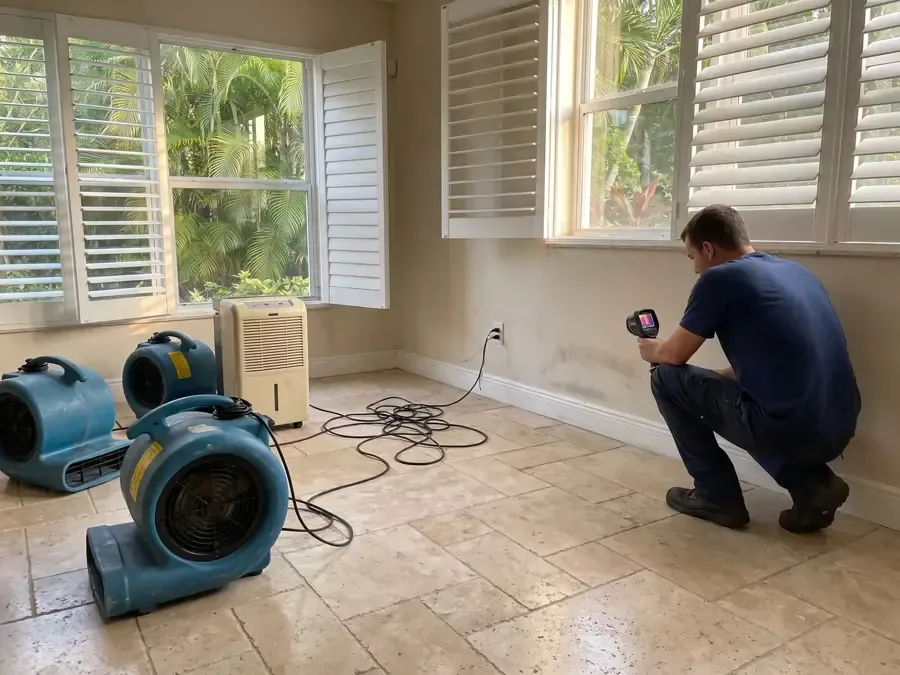
The assessment works downward from roof decking where access permits. Insulation is checked for saturation and compression. Framing intersections, top plates, ceiling backs, and wall cavities below receive separate readings. Thermal imaging can identify promising test locations, but direct contact measurements confirm which materials belong in the loss map.
Fibrous insulation that holds water against wood or gypsum can obstruct evaporation. Selective removal exposes the affected face and allows its condition to be evaluated. Dry insulation outside the measured route remains in place. Ceiling leak cleanup provides more detail about safe overhead openings and room protection.
- Trace stains back toward their highest accessible point
- Check framing joints where water can change direction
- Compare several ceiling locations beyond the visible mark
- Separate insulation condition from framing moisture
- Extend testing into the wall when values continue downward
Creating a drying path after the opening is sealed
Active rain entry must stop before a dependable dry phase can proceed. After the roof trade completes temporary or permanent source work, the restoration crew removes trapped water, opens only confirmed barriers, and arranges air across exposed materials. Dehumidification keeps released vapor from accumulating in the treatment area.
Attics and occupied rooms can require different equipment positions because access, temperature, and airflow differ. Technicians record both air conditions and direct values in decking, framing, wallboard, and floor materials. A section that stops improving is reassessed for missed insulation, limited exposure, or renewed entry.
- Confirm that new rainfall is no longer entering
- Expose wet faces without enlarging into dry construction
- Protect the occupied room from dust and loose fibers
- Adapt equipment to the attic and room separately
- Retest after weather changes when source control is uncertain
Building a clear record for repair and restoration
Airline Highway, Riverside Academy, and the Mississippi River locate the local coverage area without proving a roof condition. The property record should connect exterior photographs and repair notes with an interior diagram. That link helps explain why a ceiling section, insulation area, or wall cavity required work.
Completion evidence includes daily material values, indoor air readings, equipment changes, removed material photographs, and final comparisons. Reserve water damage support ties this service to extraction and structural drying. An insurance carrier applies policy provisions, while the restoration file documents observed damage and completed mitigation.
Inspecting again after changing weather
A dry interval can hide incomplete roof source control. When practical, the restoration team compares interior conditions after later rainfall with the baseline recorded before repair. New staining, a rising material value, or damp insulation indicates that roofing personnel should reassess the exterior assembly before finishes close. Stable readings through changing conditions provide stronger support for continuing the dry phase. This observation does not replace a roof inspection or promise that another defect cannot exist. It links the interior record to the period in which repairs were expected to hold. Attic photographs are labeled by framing location so a later mark can be matched with its earlier condition, and ceiling readings below remain part of the comparison until the repair and moisture evidence agree.
Roof leak water damage across Reserve and nearby communities
Roof leak help serves buildings near Airline Highway, Riverside Academy, the Mississippi River, and ZIP areas 70068 and 70084, with attic and interior findings controlling scope.
The same service nearby: roof leak water damage in LaPlace, Garyville, Norco.
Related water damage services in Reserve
Roof Leak Water Damage questions in Reserve, LA
Rain has marked the ceiling or attic?
Roof repair stops further entry while interior checks follow moisture from the attic into the room below.
(888) 417-5665Arrange roof leak restorationCan restoration begin before the roof is repaired?
Emergency interior protection may begin when conditions are safe, but reliable drying depends on stopping renewed entry. Roofing personnel handle the exterior defect.
Why is the ceiling stain smaller than the wet area?
Water may spread across the back of wallboard, follow framing, or saturate insulation before becoming visible. Direct testing commonly extends beyond the discoloration.
Should a bulging ceiling be punctured?
Occupants should not stand below or pierce it. A trained crew first controls the work zone, evaluates electricity and material stability, and plans drainage or removal.
Does all attic insulation need replacement?
No. The decision follows water contact, material type, condition, contamination, access, and drying response. Dry insulation outside the mapped path can remain protected.
How are roof framing and decking checked?
Technicians take direct measurements at consistent accessible locations and compare affected sections with suitable references. Visual appearance alone cannot confirm internal moisture.
What if the stain returns during later rain?
Renewed marking can indicate incomplete source control or a second opening. Restoration pauses affected finish decisions while the roof assembly receives another assessment.
What changes the cost of roof leak work?
Attic access, ceiling height, insulation, rooms reached, wall travel, floor contact, selective demolition, containment, drying equipment, and repeated monitoring affect the total.
Follow the water path below the opening
The restoration team coordinates roof findings, protects the overhead work zone, exposes wet layers carefully, and documents drying across every retained assembly.