Water Heater Leak Cleanup in Reserve, LA
A tank, connection, valve, or drain pan release can spread beneath nearby finishes before water reaches an open room. Within the affected area, cleanup separates plumbing repair from extraction and maps every layer the released water contacted.
(888) 417-5665Request water heater cleanup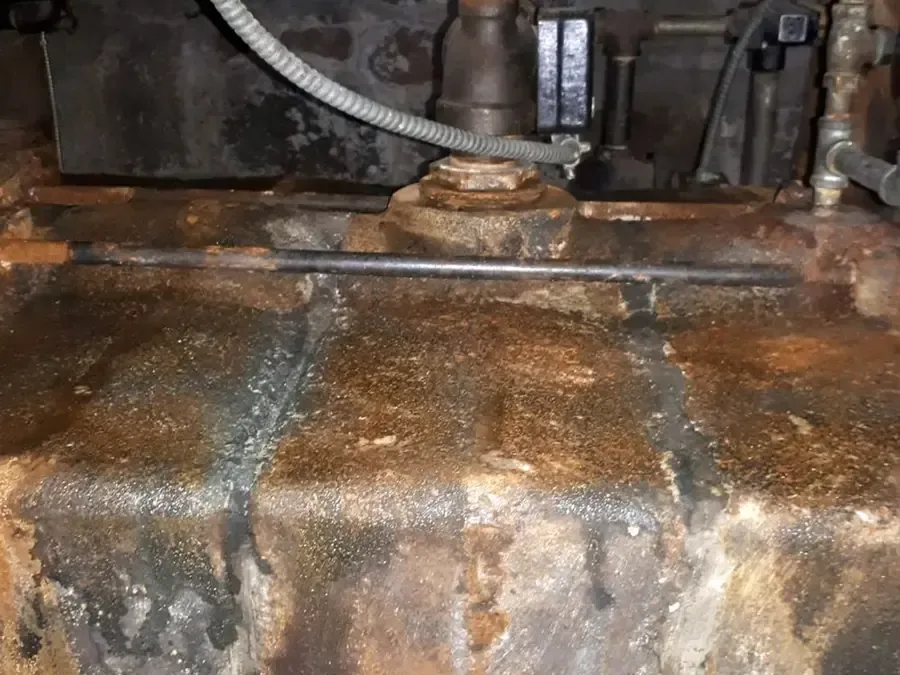
Why the water heater leak cleanup plan follows the water
Rapid local response
The response team dispatches 24/7 for active water and starts with source control, safety and a full moisture boundary.
IICRC S500 drying standard
The drying team sets category and class, chooses equipment for the evaporation load and verifies progress with daily readings.
Claim-ready documentation
The record can include the source, room diagram, moisture map, category, class, daily logs and photos before removal.
River Parish water knowledge
The crew plans for tropical rain, storm surge, humid air, supply failures and occasional freezing conditions.
How water heater leak is handled in Reserve
Coordinate safe isolation
Water, power, or fuel concerns are handled by the suitable trade before cleanup proceeds around the installation.
Map the footprint and path
Technicians test the pan, platform, floor edges, walls, thresholds, and adjoining finishes as distinct materials.
Remove water and open barriers
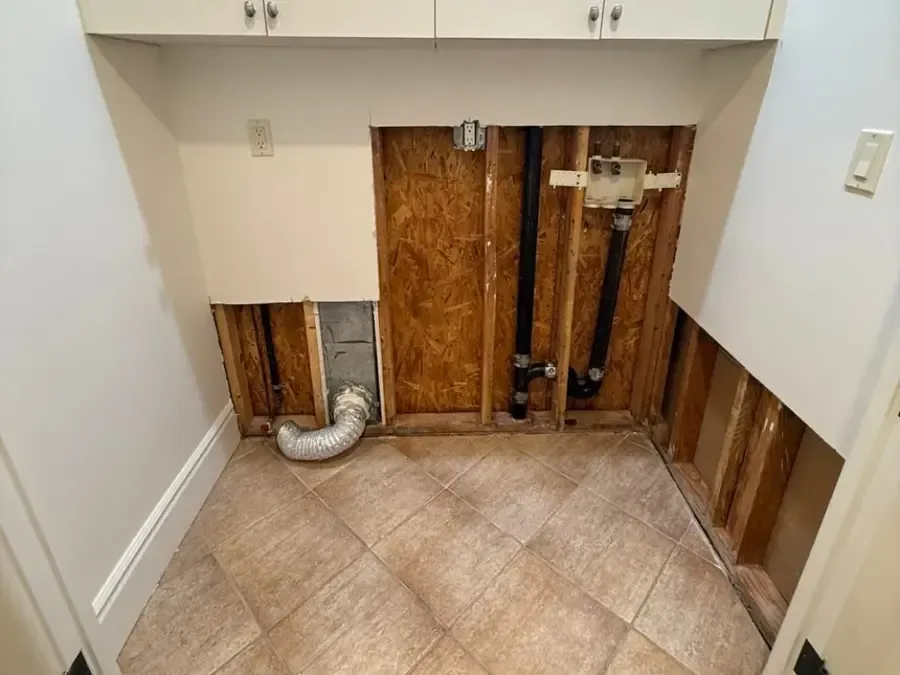
Portable extraction recovers liquid, while limited access exposes concealed dampness that cannot evaporate through intact coverings.
Clear the area for installation
Final values confirm that retained surfaces behind and beneath the unit meet their selected goals before enclosure.
First steps for water heater leak cleanup in Reserve
Avoid wet utility controls
Do not touch the heater, breaker, disconnect, valve assembly, or fuel controls while standing in water. Qualified trades should make the installation safe.
Use a reachable water valve carefully
Close the supply only if the route and control are dry and accessible. Do not force a stuck valve or cross a wet electrical area.
Keep water from additional rooms
From safe footing, use absorbent barriers at doorways when practical. Do not lift a heavy tank or enter an unstable platform area.
Record the visible release
Photograph the tank base, connections, pan, and water trail without delaying urgent isolation. Save the repair findings for the restoration file.
A small mechanical closet can hide a wide moisture path. Water from a tank or connection may run beneath a platform, through flooring seams, or into the wall behind the unit before becoming visible. Reserve restoration personnel map that spread after safe water and energy isolation.
What does water heater leak cleanup cost in Reserve, LA?
Water heater leak cleanup often ranges from $1,300 to $6,800 or more. Tank location, released volume, platform access, floor layers, walls, cabinets, extraction, equipment, and monitoring determine scope.
Contained utility area
$1,300 to $3,078
- Source isolated promptly
- Accessible floor surface
- Focused extraction and drying
Adjacent finish impact
$3,078 to $4,760
- Water crossed a threshold
- Platform or wall affected
- Several material targets
Concealed extensive loss
$4,760 to $6,800+
- Difficult footprint access
- Underfloor travel confirmed
- Broader selective openings
Ranges are typical, not a quote: category of water, square footage, material class and how fast drying started move the number most. Run the water damage cost calculator for a closer range.
Separating equipment safety from building cleanup
Water heaters combine stored water with electricity or fuel, so occupants should avoid controls in a wet area. Plumbing and appropriate utility personnel isolate, assess, and repair or replace the unit. The mitigation team handles water that escaped into building materials after safe access is established.
No special local permit rule is assumed. The project file relies on the actual appliance and plumbing findings. Photographs of the tank base, valve area, connections, drain pan, and visible trail help connect the source work with extraction and drying decisions.
- Do not touch wet electrical controls or cords
- Avoid relighting or manipulating fuel equipment
- Use a water valve only when safely accessible
- Retain the plumber's failure and repair information
- Keep the installation open for inspection before enclosure
Tracing water beyond the mechanical space
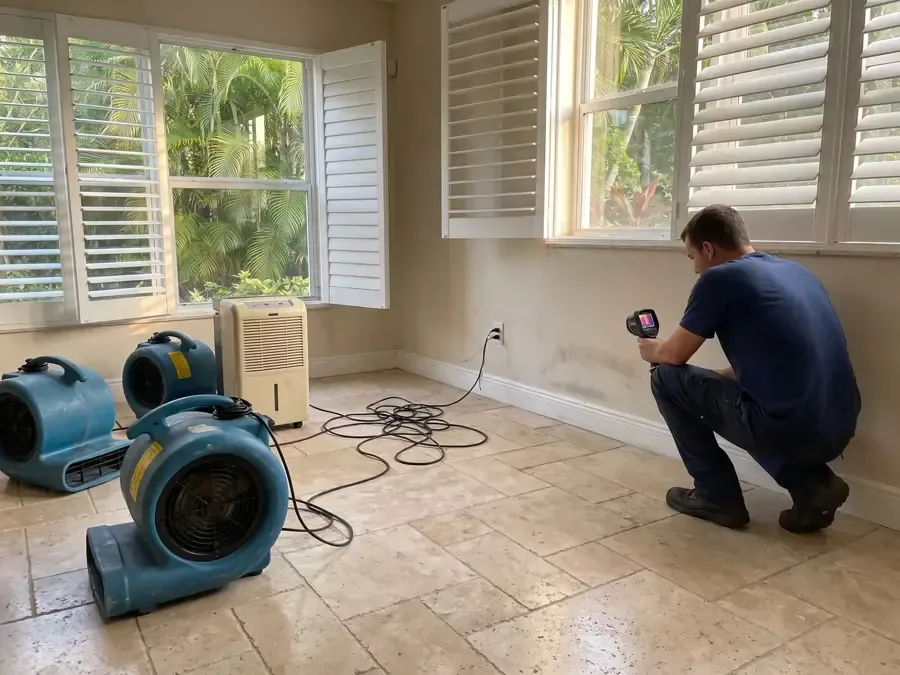
The crew checks the floor around the footprint, then follows seams and gravity into adjoining areas. Closet thresholds, wall bottoms, cabinet ends, platforms, and penetrations can conceal moisture. A reading on the visible finish does not represent the underlayment, subfloor, concrete, or framing below it.
When the heater sits on a raised base, testing includes the platform faces and the space beneath where accessible. Trim or a small finish section may be removed if it blocks inspection. Sound dry material outside the boundary stays protected instead of being included merely because it shares the room.
- Start at the tank footprint and test outward
- Inspect both sides of the closet threshold
- Check walls at plumbing and vent penetrations
- Measure flooring layers as separate materials
- Look for downward travel into lower assemblies
Recovering liquid and drying the installation area
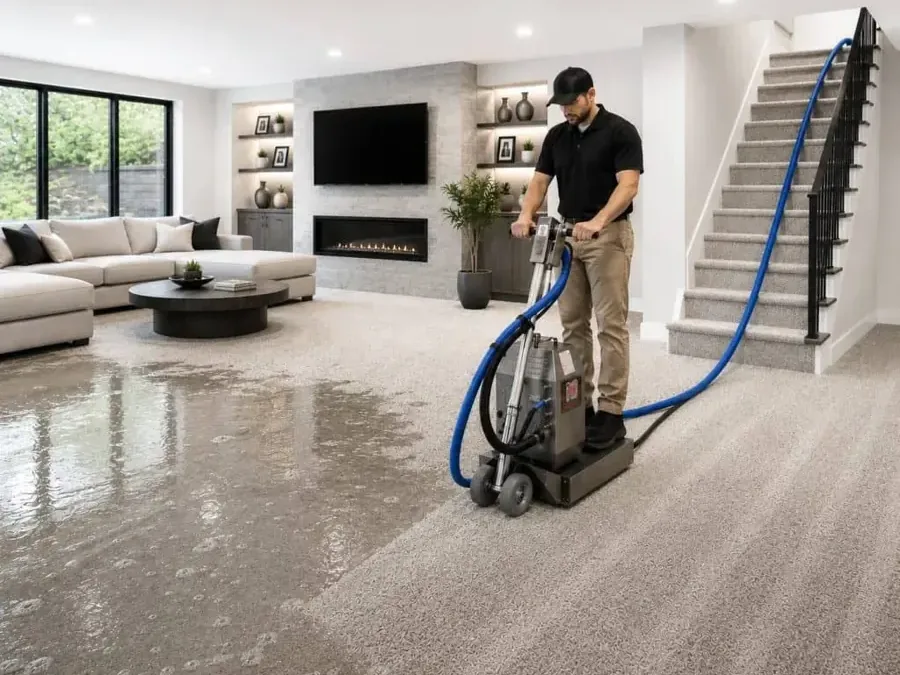
Portable extraction tools are useful where a narrow closet or utility recess limits access. After surface water is removed, evaporation paths are created for wet construction. Air movement is placed to reach exposed wall, floor, and platform surfaces, while dehumidification controls the vapor those materials release.
The heater may need to remain moved or disconnected until the structure behind and below it can be examined. Reinstallation over concealed dampness would close the main access point. Structural drying support uses repeat values to show whether the platform, wall base, and floor system are responding.
- Extract the open room and confined edges separately
- Remove damaged trim only where access requires it
- Keep air paths clear around exposed damp surfaces
- Reposition equipment as the wet boundary contracts
- Verify the footprint before the replacement is set
Separating utility interruptions from tank leaks
Airline Highway, Riverside Academy, the Mississippi River, and St. John the Baptist Parish identify the local area. They do not demonstrate that tank or connection failures happen more often here. The current unit findings and measurements remain the basis for an individual scope.
Reserve water restoration can connect a heater loss with extraction, floor treatment, and wall drying. A useful completion file includes isolation notes, plumber documentation, initial photographs, moisture locations, removed material details, equipment records, and final readings. Insurance decisions remain with the carrier and policy.
Coordinating the return of the equipment
The heater footprint becomes difficult to inspect once a tank is set back in place. Before installation, the cleanup record notes the final condition of the floor, wall, platform, pan area, and penetrations. Any damaged finish that still requires repair is identified so installation personnel can plan access without covering it prematurely. The plumber confirms the new or repaired connections, while the restoration technician confirms only the surrounding building materials within the measured loss. These separate responsibilities keep equipment performance from being confused with structural drying. After reconnection, a visual check can document that the immediate area remains dry, but it does not substitute for the earlier material measurements. Photos taken from the same angles before and after installation create a practical handoff for the property file.
Water heater leak cleanup across Reserve and nearby communities
Water heater cleanup covers buildings near Airline Highway, Riverside Academy, the Mississippi River, and ZIP areas 70068 and 70084, with appliance location and moisture spread setting scope.
The same service nearby: water heater leak cleanup in LaPlace, Garyville, Norco.
Related water damage services in Reserve
Water Heater Leak Cleanup questions in Reserve, LA
Water is spreading from the heater area?
Safe utility isolation allows the crew to inspect the heater footprint, threshold, and nearby wall bases.
(888) 417-5665Arrange water heater cleanupWho should disconnect a leaking water heater?
A plumber and the appropriate utility trade should isolate and service the equipment. Restoration personnel address escaped water after the area is safe. Their findings document safe source control.
Can water hide under the heater platform?
Yes. Seams, penetrations, and gravity can carry water beneath a raised base. The footprint and nearby floor layers need direct testing before reinstallation.
Does a full drain pan prevent building damage?
A pan can collect some leakage, but capacity, drain function, release rate, and installation details affect performance. Surrounding materials still require inspection after overflow.
Why test the next room?
Water can cross a closet threshold beneath flooring before it is noticed. Testing both sides helps define the actual boundary and protects dry finishes.
Can the replacement unit be installed during drying?
The installation should not block the only access to wet materials. Plumbing, restoration, and installation schedules are coordinated around measured structural progress.
How is the floor declared dry?
Readings are taken from the finish and accessible layers below, then compared with appropriate dry references or goals. Surface feel cannot verify the complete assembly.
Which conditions affect cleanup cost?
Tank location, water volume, platform construction, floor type, wall contact, rooms reached, equipment access, selective removal, and monitoring needs shape the work.
Inspect behind the tank before access closes
The cleanup crew coordinates safe source work, extracts the visible release, tests the platform and adjoining finishes, and documents their drying response.