Water Heater Leak Cleanup in Garyville, LA
A tank, valve, or connection release can send water beneath stored contents, through a closet threshold, and into shared walls. Cleanup pairs safe utility handling with confined extraction and direct material checks. The equipment footprint remains open for inspection.
(888) 417-5665Request tank leak cleanup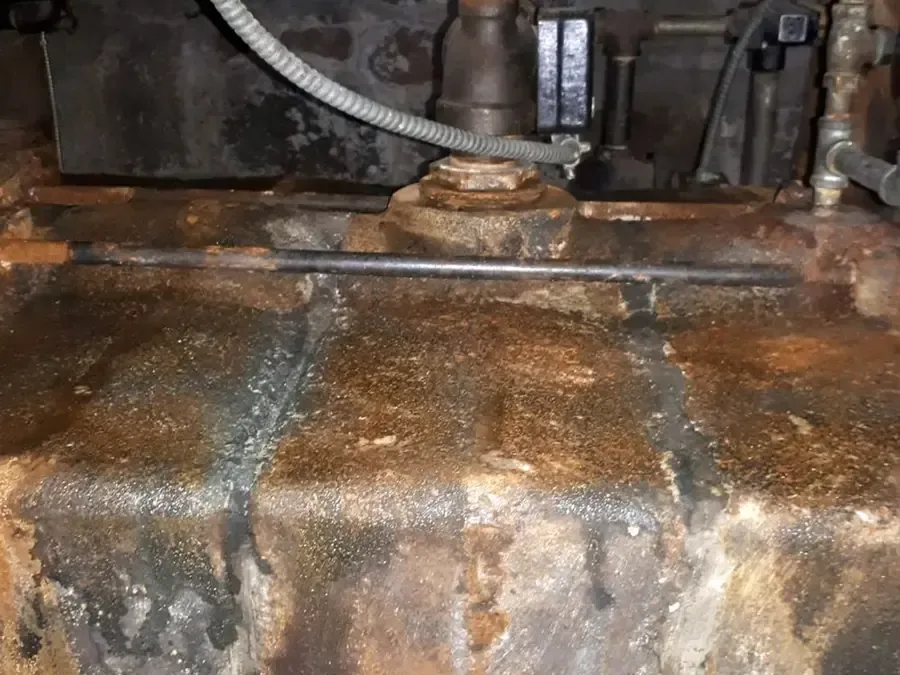
Why the water heater leak cleanup plan follows the water
Rapid local response
The response team dispatches 24/7 for active water and starts with source control, safety and a full moisture boundary.
IICRC S500 drying standard
The drying team sets category and class, chooses equipment for the evaporation load and verifies progress with daily readings.
Claim-ready documentation
The record can include the source, room diagram, moisture map, category, class, daily logs and photos before removal.
River Parish water knowledge
The crew plans for tropical rain, storm surge, humid air, supply failures and occasional freezing conditions.
How water heater leak is handled in Garyville
Coordinate safe utilities
Qualified help isolates the heater from its water, power, or fuel supply and identifies the failed component before replacement work proceeds.
Extract the enclosure
Liquid is removed from the tank footprint, threshold, nearby floor, and reachable edges.
Inspect hidden contact
Shared walls, cabinets, contents, and surfaces beneath the unit are checked before replacement.
Verify the footprint
Repeat readings document retained floor and wall materials through completed drying.
First steps for water heater leak cleanup in Garyville
Avoid wet controls
Do not touch electrical switches, plugs, breakers, gas controls, or the heater when standing water is present. Qualified help makes utilities safe.
Close water only when safe
Use an accessible valve or master shutoff without crossing the wet area. A plumber determines the failed tank or connection component.
Leave the heater in place
Do not move or replace the unit before the surrounding floor and walls are documented, unless a qualified professional requires immediate action.
Protect dry belongings
Move reachable dry items away without contacting wet utilities. Leave saturated boxes or contents for documented handling within the work area.
Water around a heater can come from the tank body, a valve, a connection, or nearby plumbing. Occupants should avoid wet electrical or fuel components and use a safe shutoff only when the route is clear. The restoration team coordinates with the appropriate repair professional, then maps water around the equipment location. Garyville water restoration covers the broader loss when water enters adjoining rooms.
What does water heater leak cleanup cost in Garyville, LA?
Water heater cleanup may range from $1,300 to $6,800 or more. Tank location, water volume, closet access, stored contents, floor and wall involvement, removal, equipment, and monitoring shape the final cost.
Focused loss
$1,300 to $3,078
- Small equipment area
- Limited contents handling
- Focused wall and floor drying
Multi-room loss
$3,078 to $4,760
- Water crossed threshold
- Shared wall affected
- Expanded equipment zone
Complex loss
$4,760 to $6,800+
- Difficult equipment access
- Cabinet or finish removal
- Broader structural drying
Ranges are typical, not a quote: category of water, square footage, material class and how fast drying started move the number most. Run the water damage cost calculator for a closer range.
Make utilities safe before moving the heater
A plumber or qualified appliance professional evaluates the failed component and controls utilities. Restoration staff do not assume that rust or nearby water proves which part failed. Photographs preserve the tank base, pan, surrounding floor, and visible flow path before removal or replacement changes access.
Replacement planning in Garyville, an unincorporated community in St. John the Baptist Parish, should include access to the wet enclosure. The equipment professional can explain applicable installation requirements while the restoration crew identifies surfaces still needing treatment. Coordinating those tasks keeps a replacement tank from covering an unfinished drying area.
- Stay clear of wet power and fuel controls
- Use only an accessible safe shutoff
- Save the repair professional's finding
- Photograph the base and nearby finishes
- Delay replacement until hidden areas are checked
Inspect the confined water path
Closets, alcoves, and cabinets restrict visibility. Water can cross a threshold, slip beneath base trim, soak stored boxes, or enter the back of a shared wall. Technicians remove accessible liquid and test the floor in several directions. Wall bases and adjacent room finishes receive comparison readings.
Stored contents are sorted by material and contact. Dry items are moved to a protected location. Saturated porous items are documented before disposal decisions. If the heater must be moved, the exposed floor and wall surfaces are inspected before a replacement occupies the same space.
- Extract at the tank and threshold
- Check behind removable stored contents
- Test both sides of shared walls
- Inspect floor material beneath the unit
- Record newly exposed conditions
Dry tight spaces without hiding the problem
Limited airflow makes a heater enclosure different from an open room. Base trim or a small wall section may need removal when it blocks a confirmed wet cavity. Compact air movement can serve exposed surfaces, while dehumidification controls vapor in the larger work zone. Equipment should not obstruct safe repair access.
Technicians track material values at the floor, wall base, and any exposed framing. Slow progress prompts a check of barriers or concealed water. The structural drying service explains how repeat readings direct adjustment. Replacement proceeds with confidence after the footprint and surrounding materials are documented.
- Expose only confirmed damp barriers
- Place compact airflow where it can work
- Control vapor beyond the enclosure
- Retest the footprint and wall edges
- Save final values before reinstallation
Describe the actual loss, not the landmark
Service around Airline Highway, Garyville Refinery, and the Mississippi River includes cleanup after tank and connection leaks. The plumbing report identifies the failed heater component. Restoration notes follow the escaped water through the closet threshold, shared wall, or adjoining floor and record what needs extraction, access, and drying.
A complete file may contain source photographs, professional repair notes, contents decisions, the moisture map, equipment logs, and final readings. Policy questions go to the insurer, which decides coverage.
A drain pan can limit visible spread without proving the surrounding assembly stayed dry. Technicians inspect pan edges, drain routing, fasteners, and the floor beneath accessible sections. Water marks at a threshold or cabinet side help establish whether overflow escaped the equipment footprint. Each observation is paired with direct readings.
Replacement scheduling should preserve enough time for assessment and drying. A new tank can block the same wall and floor surfaces that need monitoring. The property owner, plumber, and restoration crew coordinate access so necessary service returns without concealing damp material. Final photographs document the footprint before the enclosure is occupied again.
After equipment removal, the threshold and adjoining room are checked once more. This confirms that confined airflow did not leave an overlooked wet edge outside the heater enclosure.
The final enclosure record stays with the source repair documentation.
Water heater leak cleanup across Garyville and nearby communities
Tank leak cleanup is available throughout the community near Airline Highway and Garyville Refinery. The heater location, surrounding materials, and mapped water path determine the service area.
The same service nearby: water heater leak cleanup in LaPlace, Reserve, Norco.
Related water damage services in Garyville
Water Heater Leak Cleanup questions in Garyville, LA
Water spreading from the heater area?
Safe utility isolation allows the crew to inspect the heater footprint, threshold, and nearby wall bases.
(888) 417-5665Keep clear of utilities and callShould the leaking heater be moved immediately?
The source and utility hazard come first, but surrounding materials should be documented before replacement blocks access. Qualified professionals coordinate safe movement. The exposed footprint should be checked before the replacement unit blocks access.
Can water stay hidden beneath the tank?
Yes. The footprint, pan, floor seams, closet edges, and shared walls can hold moisture out of view. Inspection after movement is often important. Final readings should be saved before the new tank occupies the footprint.
Who repairs or replaces the heater?
A plumber or qualified appliance professional handles the equipment and connections. Restoration technicians extract escaped water, assess materials, dry the area, and document conditions.
What happens to stored boxes nearby?
Contents are separated by contact and material. Dry items can move to protection, while saturated porous belongings are documented and evaluated before disposal.
Does every wet wall need removal?
No. Condition, access, contamination, cavity design, and reading trends shape openings. Limited removal may expose a wet base while preserving sound finish above.
How is the enclosure monitored?
Marked floor, wall, and framing points are checked repeatedly. Equipment changes when values stall, and final readings are saved before closure or installation.
What affects cleanup price?
Tank access, water volume, contents, cabinet or wall contact, floor layers, selective removal, compact drying equipment, and monitoring all influence the scope.
Inspect the footprint before replacement closes access
The crew extracts confined water, checks shared walls and floors, and documents drying around the equipment location.