Crawl Space Water Removal in Reserve, LA
Water below a floor can affect insulation, framing, supports, ducts, and the indoor area above it. Removal begins with entry safety and source identification before pumps or drying equipment enter the space.
(888) 417-5665Request crawl space removal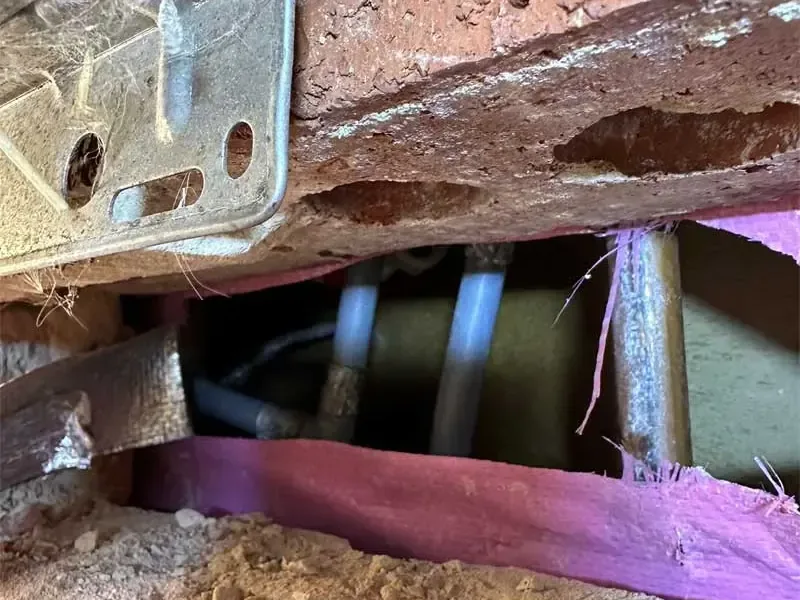
Why the crawl space water removal plan follows the water
Rapid local response
The response team dispatches 24/7 for active water and starts with source control, safety and a full moisture boundary.
IICRC S500 drying standard
The drying team sets category and class, chooses equipment for the evaporation load and verifies progress with daily readings.
Claim-ready documentation
The record can include the source, room diagram, moisture map, category, class, daily logs and photos before removal.
River Parish water knowledge
The crew plans for tropical rain, storm surge, humid air, supply failures and occasional freezing conditions.
How crawl space water removal is handled in Reserve
Assess access and water category
Electrical, structural, clearance, debris, and contamination conditions are evaluated before personnel or equipment enter.
Pump from controlled low points
Standing water is removed in stages while entry evidence, hidden pockets, and discharge conditions remain under observation.
Clear barriers to the structure
Wet debris or insulation is contained where needed so framing and the underside of the floor can be inspected and dried.
Track wood through completion
Joist, subfloor, support, and interior readings are repeated until the retained assembly reaches documented targets.
First steps for crawl space water removal in Reserve
Do not enter the wet space
Low clearance can hide wiring, contaminated water, animals, sharp material, and unstable supports. Keep the hatch closed until a trained assessment establishes access.
Stop an accessible source above
Use a safe plumbing shutoff when it can be reached without entering the crawl space. A plumber should repair damaged or frozen components.
Keep air systems from spreading debris
Do not operate affected fans or ducts if the wet area has contamination or loose material that could enter occupied rooms.
Record the opening and visible water
Photograph conditions from outside the access when safe and note recent rain, plumbing use, or freeze conditions without crawling into the space.
Water beneath a structure creates a different job from an open room puddle. Clearance, electricity, pests, loose soil, displaced insulation, and uncertain supports can make entry unsafe. In Reserve, technicians first observe the access and probable source, then plan removal around the actual construction.
What does crawl space water removal cost in Reserve, LA?
Crawl space water removal generally ranges from $1,700 to $9,000 or more. Clearance, water depth, contamination, debris, insulation, wood area, access, equipment, and monitoring determine the scope.
Accessible pooled area
$1,700 to $4,066
- Safe entry established
- Limited standing water
- Focused pumping and checks
Wet insulation and framing
$4,066 to $6,300
- Porous materials involved
- Expanded wood measurements
- Contained removal and drying
Complex confined loss
$6,300 to $9,000+
- Restricted or hazardous access
- Broad structural involvement
- Extended environmental control
Ranges are typical, not a quote: category of water, square footage, material class and how fast drying started move the number most. Run the water damage cost calculator for a closer range.
Deciding whether the space can be entered safely
A confined area may contain exposed wiring, damaged duct components, sharp debris, unstable access, or contaminated water. The mitigation team does not crawl through pooled water before these hazards are addressed. Remote observation, photographs, and readings from the opening can help establish an initial plan.
Regional freeze guidance identifies crawl spaces as locations where exposed pipe may need insulation. For a Reserve building with a raised floor, preparation includes checking accessible pipe protection and the shutoff location. After a leak, the inspection follows the failed pipe and tests insulation, joists, and subfloor for retained moisture.
- Keep occupants away from the access opening
- Identify electrical and structural concerns before entry
- Determine whether sewage or outside water is involved
- Locate a discharge plan that will not cause reentry
- Protect the occupied floor above the work route
Removing pooled water without losing the source trail
Pumping starts at accessible low sections once water category and disposal needs are understood. Removing water in stages can expose plumbing, soil depressions, or entry points that were hidden. Photographs and water marks preserve evidence before changing conditions.
Wet insulation and loose debris are handled after liquid levels fall. Materials are contained along a planned route rather than dragged through clean areas. If an active plumbing release caused the accumulation, repair information stays with the project. Exterior entry, drainage, or sewage requires its own source correction outside the restoration scope.
- Track water depth changes during pumping
- Keep discharge away from the affected assembly
- Expose hidden low spots as the level drops
- Bag wet porous debris before transport
- Reinspect the source area after standing water is gone
Evaluating the floor assembly from below
Joists, subfloor, sill components, supports, and accessible duct surfaces are checked independently. Water can wick upward into wood or remain against insulation while the visible soil looks dry. The occupied room above may also need testing at floor edges, walls, cabinets, or penetrations.
Insulation that is saturated, contaminated, displaced, or blocking inspection may need removal. Retained wood then receives air movement suited to the restricted space and dehumidification that captures released moisture. Structural drying service follows readings rather than a fixed equipment period.
- Establish comparison values in unaffected wood
- Measure joists at more than one face
- Inspect the underside of subfloor across the boundary
- Keep drying air from carrying debris into occupied rooms
- Adjust access when one pocket remains elevated
Completing the work with source and moisture records
The Mississippi River, Airline Highway, Riverside Academy, and St. John the Baptist Parish provide community context only. They cannot establish drainage behavior or foundation details for an individual property. Site observations remain the evidence for why the space held water.
Reserve restoration options connect underfloor work with extraction and interior drying. The completion file can include access photographs, source and repair findings, water category, pumping notes, insulation decisions, equipment logs, and final wood values. Any lasting drainage or building repair recommendation should come from the appropriate qualified trade.
Checking the occupied floor after underfloor work
Conditions below can affect materials above through penetrations, damp insulation contact, or vapor movement. The crew inspects accessible floor edges and lower wall areas in the occupied space when the underfloor map indicates a connection. These readings are listed separately from joist and subfloor values because the materials and environments differ. If the interior remains dry, it stays outside the equipment zone and is protected from work traffic. If moisture is confirmed, an interior access and drying plan is added rather than relying on air movement below to reach every surface. This paired assessment helps connect the concealed underside with the rooms people use. It also gives the final record two clear boundaries: the structural area treated from below and any finish area addressed from above.
Crawl space water removal across Reserve and nearby communities
Crawl space water removal is available near the Mississippi River, Airline Highway, Riverside Academy, and ZIP areas 70068 and 70084, where access findings define the plan.
The same service nearby: crawl space water removal in LaPlace, Garyville, Norco.
Related water damage services in Reserve
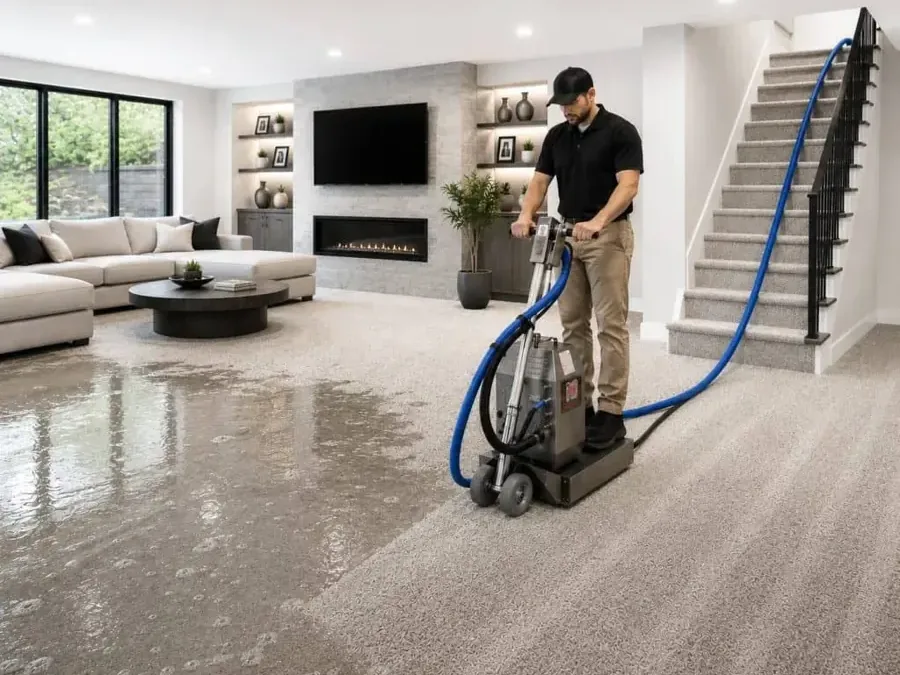
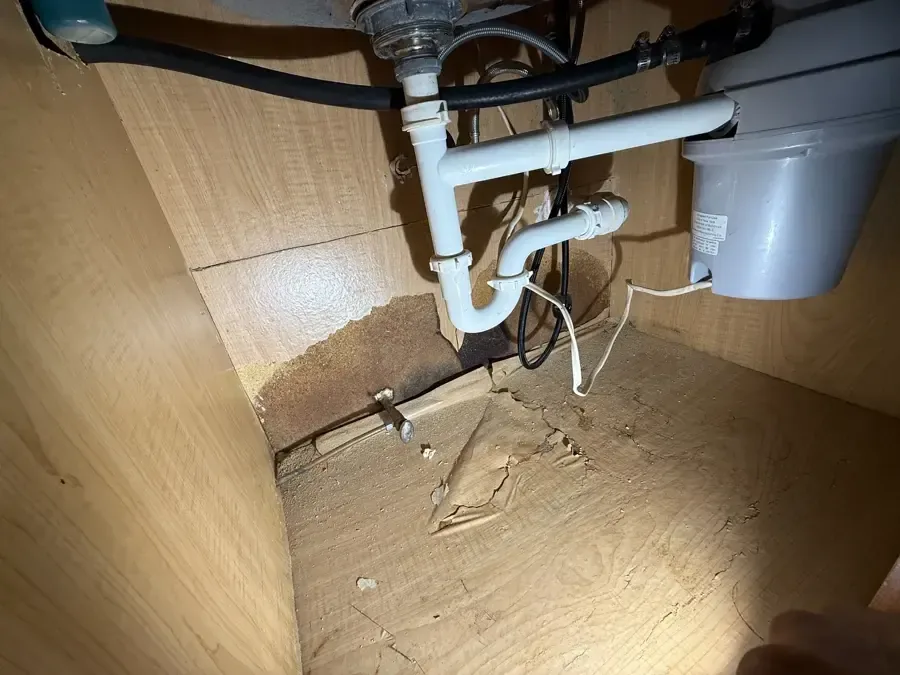
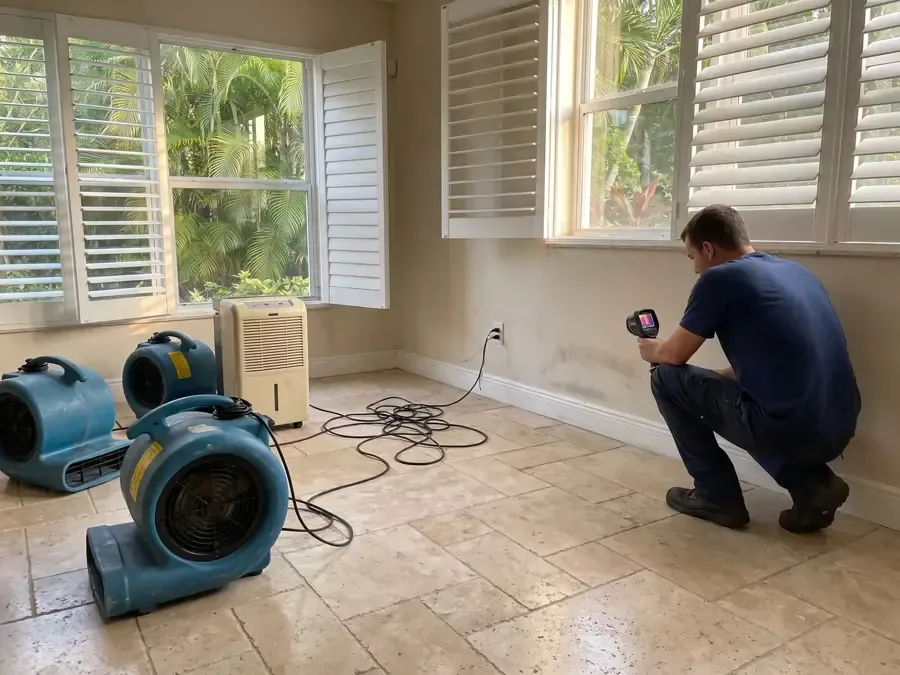
Crawl Space Water Removal questions in Reserve, LA
Water is standing below the floor?
Access and electrical hazards are checked before pumping beneath the floor and testing damp wood.
(888) 417-5665Arrange crawl space removalWhy should occupants avoid a flooded crawl space?
Restricted clearance can hide live wiring, sewage, sharp debris, pests, damaged supports, and deep pockets. Entry requires a hazard assessment and suitable protection. Remote inspection can support the first plan.
Can a frozen pipe release water below the floor?
Yes. Regional guidance identifies exposed crawl space plumbing as vulnerable during freezing weather. A plumber must determine whether freezing caused the current failure.
Is pumping enough to finish the work?
No. Pooled water removal exposes the structure, but insulation, joists, subfloor, soil debris, and interior finishes may still require cleaning, access, and drying. Wood remains a separate measurement target.
How is wet insulation handled?
Its material, water category, condition, location, and ability to dry are considered. Saturated or contaminated insulation that blocks the structure may need controlled removal.
Should vents simply be opened for drying?
Outdoor air is not automatically suitable, especially in humid conditions. Equipment and ventilation choices follow measured indoor, outdoor, and material conditions.
How are joists checked for completion?
Technicians repeat direct measurements at consistent faces and depths where appropriate, comparing progress with selected dry references rather than relying on touch.
What affects crawl space removal cost?
Entry clearance, depth, water category, access points, debris, insulation, framing area, occupied floor impact, equipment setup, and monitoring visits affect scope.
Assess the confined area before anyone enters
The mitigation crew establishes safe access, pumps in controlled stages, clears wet barriers, and tracks framing and subfloor moisture to a measured endpoint.