Crawl Space Water Removal in Garyville, LA
Standing water below a raised floor can affect insulation, joists, subfloor, supports, and utilities in a confined area. Work begins with access safety, source control, and a material specific moisture survey.
(888) 417-5665Request below floor water removal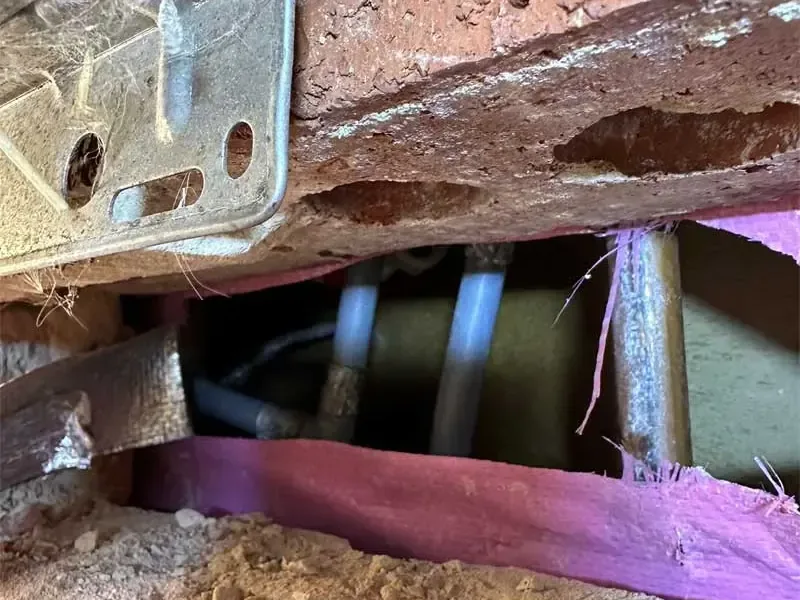
Why the crawl space water removal plan follows the water
Rapid local response
The response team dispatches 24/7 for active water and starts with source control, safety and a full moisture boundary.
IICRC S500 drying standard
The drying team sets category and class, chooses equipment for the evaporation load and verifies progress with daily readings.
Claim-ready documentation
The record can include the source, room diagram, moisture map, category, class, daily logs and photos before removal.
River Parish water knowledge
The crew plans for tropical rain, storm surge, humid air, supply failures and occasional freezing conditions.
How crawl space water removal is handled in Garyville
Assess confined access
Before anyone enters, the assessment considers opening size, wet utilities, unstable surfaces, water depth, and the source feeding the space.
Remove water and barriers
Accessible liquid is pumped and unsuitable insulation is taken out through a controlled route.
Dry exposed wood
Stable equipment manages air and vapor around joists, supports, and the underside of subfloor.
Verify the full space
Repeat wood and environmental readings document progress across the mapped below floor area.
First steps for crawl space water removal in Garyville
Do not enter standing water
Keep out of a wet crawl space with unknown electricity, unstable access, pests, sewage, or structural concerns. Qualified staff assess entry conditions.
Stop an accessible source
Close a safe master valve when plumbing is feeding the area, but do not crawl through water to reach it. A plumber handles the failed component.
Leave insulation undisturbed
Do not pull wet insulation through occupied rooms. Technicians document its condition and establish a controlled debris route.
Note conditions above
Photograph visible floor changes, plumbing indicators, and the access opening without entering. Report odors, sounds, or continuing water to the crew.
Water below a floor creates different problems from a puddle in a finished room. Access may be narrow, utilities may cross the space, and wet insulation can hide wood surfaces. Technicians evaluate the entry route and source before pumping. Garyville water damage restoration coordinates interior work when moisture has reached rooms above.
What does crawl space water removal cost in Garyville, LA?
Crawl space water removal may range from $1,700 to $9,000 or more. Access, water volume, contamination, insulation, joist and subfloor moisture, pumping, removal, equipment, and monitoring determine the total.
Focused loss
$1,700 to $4,066
- Accessible water pocket
- Limited insulation impact
- Focused wood drying
Multi-room loss
$4,066 to $6,300
- Broader below floor area
- Several wet joist bays
- Expanded equipment plan
Complex loss
$6,300 to $9,000+
- Difficult confined access
- Contamination or debris
- Extensive structural drying
Ranges are typical, not a quote: category of water, square footage, material class and how fast drying started move the number most. Run the water damage cost calculator for a closer range.
Confirm safe access and the water source
An opening beneath a raised floor needs an access assessment before pumping equipment enters. The crew considers clearance, standing water, electrical concerns, plumbing, unstable soil, pests, and ventilation. Qualified help addresses hazards that prevent entry, and photographs record the visible conditions from a safe position outside the opening.
Regional utility guidance identifies garages and crawl spaces as places where exposed pipes may need insulation during freezing weather. It also recommends sealing cold air openings and knowing the master shutoff location. After water appears beneath a building, the plumbing inspection identifies the failed component and whether any release remains active before pumping and drying proceed.
- Inspect the access opening from outside
- Identify electrical and utility hazards
- Confirm whether water continues entering
- Photograph visible water and insulation
- Plan hose and debris routes
Pump water and evaluate insulation
Accessible standing water is removed from collection points without disturbing supports or creating an unsafe pressure change. Technicians observe water clarity, sediment, odor, and source information when deciding contamination controls. Outside water and sewage require more conservative material handling than a fresh supply release.
Wet insulation can sag, trap water against wood, and block inspection. Material condition and category determine whether it can remain. Controlled removal exposes joists and subfloor for cleaning or drying and keeps debris from spreading through occupied spaces. The team records the locations and condition of material removed.
- Pump from stable accessible positions
- Keep discharge away from the work opening
- Separate clean and contaminated equipment
- Remove unsuitable insulation carefully
- Inspect exposed joists and subfloor
Manage moisture below the floor
After liquid removal and necessary cleaning, drying addresses wood and the surrounding air. Equipment must suit confined access and remain stable. Air movement should reach exposed wet surfaces without pushing debris into rooms above. Dehumidification or controlled ventilation is selected according to outdoor and enclosed conditions.
Wood readings are marked along joists, rim areas, and subfloor. A single dry board does not represent the whole space. Slow sections may need different airflow or added access. The structural drying process uses repeat values and dry references to support completion.
- Set wood reference points above and below
- Track enclosed temperature and humidity
- Direct air along exposed structural faces
- Check corners with limited circulation
- Save final readings before insulation returns
Use local names only as service markers
Service extends around Airline Highway, Garyville Refinery, and the Mississippi River. Before working beneath a raised floor, technicians inspect the access opening, standing water, exposed wiring, and the condition of supports. That inspection determines where equipment can operate and which areas need protection before water removal starts.
The work file can include access photographs, source notes, water and insulation conditions, pumping actions, equipment placement, and wood readings. Insurers decide coverage under the applicable policy. The record describes what technicians observed and completed.
Conditions above and below the floor are compared because moisture can move in either direction. A damp subfloor may affect finished flooring, while an interior leak may drain into the space beneath. Technicians test both faces where accessible and avoid assigning the source from one isolated reading. Plumbing findings and water marks help connect the pattern.
Equipment security matters in a confined area. Hoses, cords, and machines are positioned away from unstable supports and protected from water collection points. The crew confirms that drainage and air paths remain open during monitoring. Any new standing water prompts another source check before drying continues.
Final documentation identifies which insulation was removed, which wood points were monitored, and what conditions were present before replacement material is installed.
Surface soil and standing water are not used as substitutes for wood measurements. The crew keeps environmental observations separate from readings taken directly at structural materials.
Crawl space water removal across Garyville and nearby communities
Crawl space service covers confirmed below floor areas near Airline Highway and Garyville Refinery throughout the community. Safe access and direct moisture readings define the scope.
The same service nearby: crawl space water removal in LaPlace, Reserve, Norco.
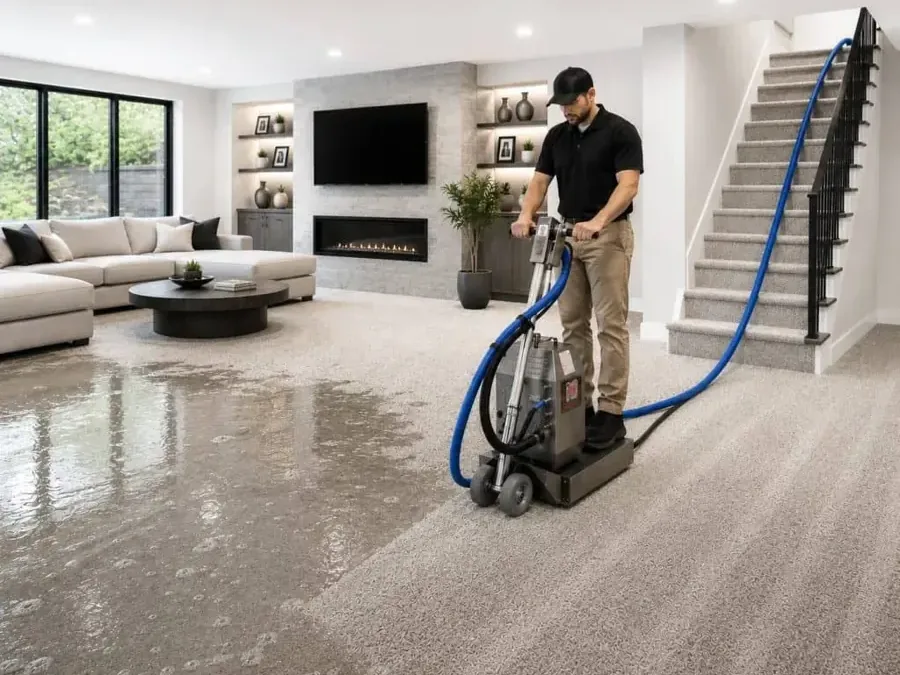
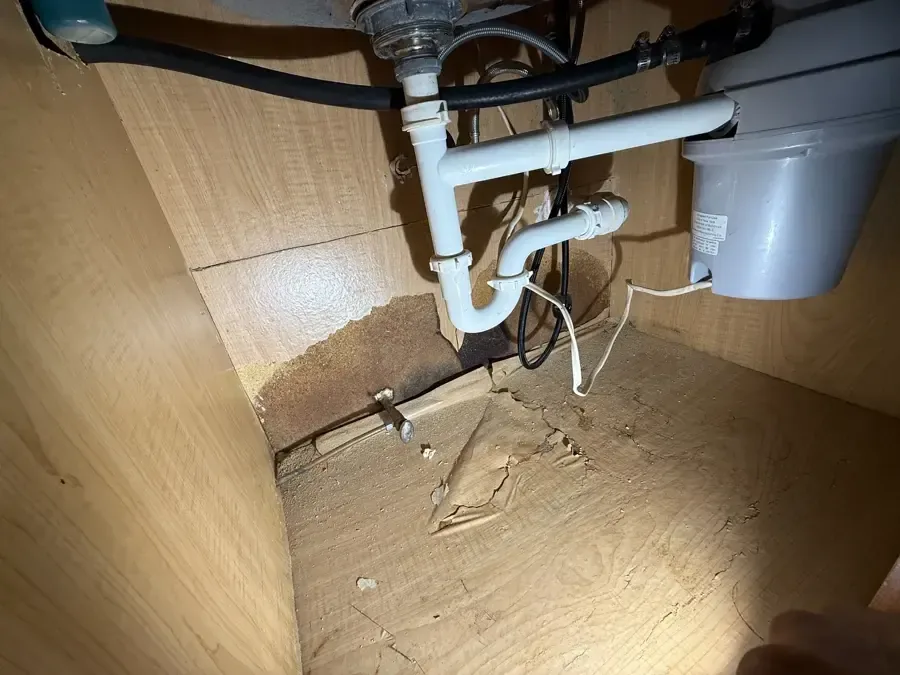
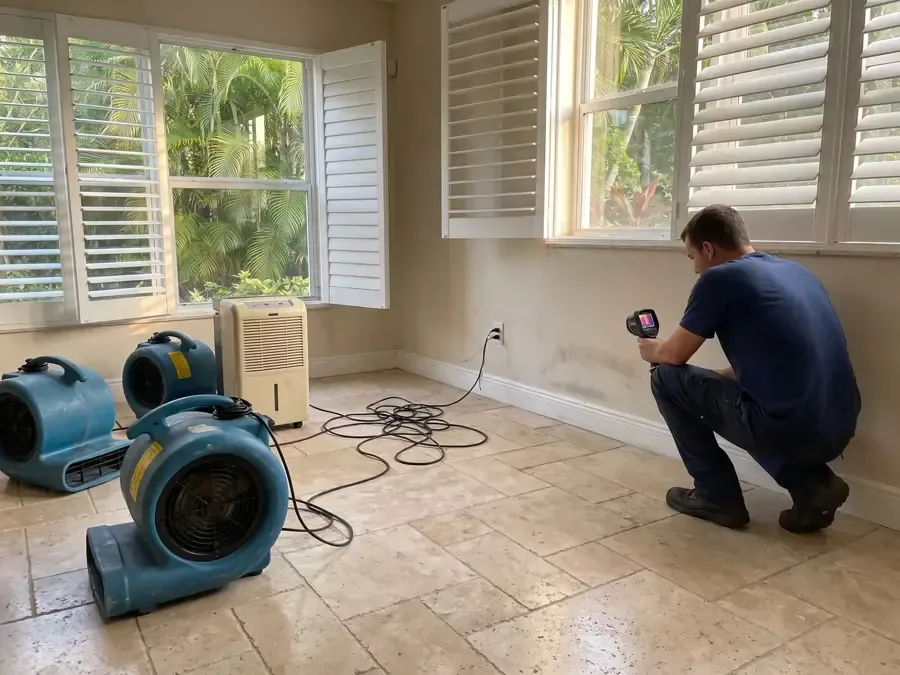
Related water damage services in Garyville
Crawl Space Water Removal questions in Garyville, LA
Water visible below the floor?
Access and electrical hazards are checked before pumping beneath the floor and testing damp wood.
(888) 417-5665Stay outside and request an assessmentIs it safe to enter a wet crawl space?
Not without an access and hazard assessment. Electricity, sewage, unstable soil, low clearance, pests, and damaged supports can make entry unsafe. The access route and utilities should also remain stable before anyone enters for monitoring.
Does every property here have a crawl space?
No local foundation share is assumed. This service applies only after the inspected building is confirmed to have a below floor space needing water removal. Direct wood readings determine whether retained structure is ready for replacement material.
What happens to wet insulation?
Category, saturation, condition, attachment, and cleaning potential shape the decision. Material that traps water or cannot be restored may need controlled removal.
Can pumping solve the whole problem?
Pumping removes liquid, but wood, insulation, and surrounding air may remain damp. Cleaning, access, airflow, dehumidification, and repeat readings can still be necessary.
How are joists checked?
Technicians mark multiple locations across affected and reference wood, then return to the same points. Several readings are needed because one board cannot represent the space.
When can insulation return?
Replacement follows source control, cleaning when needed, and documented completion of retained joists and subfloor. Early installation can conceal damp wood.
What affects removal cost?
Entry difficulty, water depth, category, below floor area, insulation, debris, structural moisture, pumping equipment, drying setup, and monitoring influence the scope.
Protect joists and subfloor with measured removal and drying
The crew checks access, pumps standing water, evaluates insulation, and tracks structural wood to documented goals.