Ceiling Leak Water Damage in Garyville, LA
Drips and stains can come from plumbing, an appliance, or roof entry above the room. The response team protects the space below, identifies the source trade, and maps moisture before opening finishes.
(888) 417-5665Schedule wet ceiling help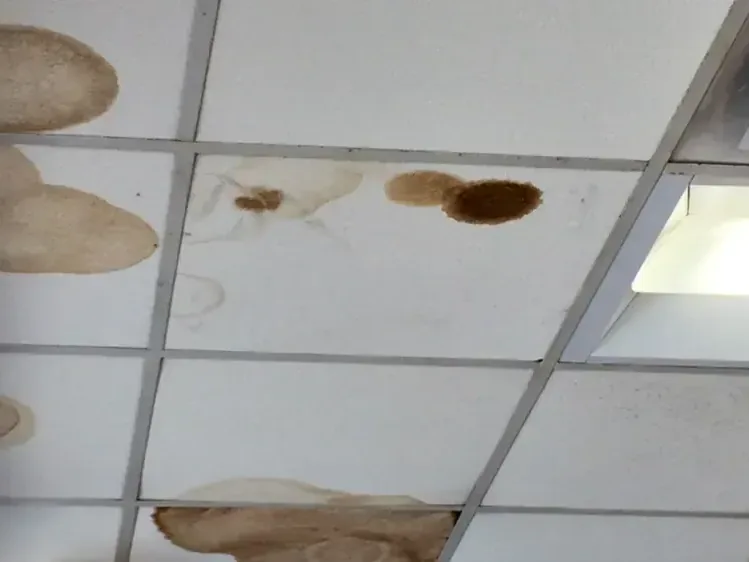
Why the ceiling leak water damage plan follows the water
Rapid local response
The response team dispatches 24/7 for active water and starts with source control, safety and a full moisture boundary.
IICRC S500 drying standard
The drying team sets category and class, chooses equipment for the evaporation load and verifies progress with daily readings.
Claim-ready documentation
The record can include the source, room diagram, moisture map, category, class, daily logs and photos before removal.
River Parish water knowledge
The crew plans for tropical rain, storm surge, humid air, supply failures and occasional freezing conditions.
How ceiling leak is handled in Garyville
Establish a safe boundary
The fall area is cleared of occupants and movable contents while qualified help addresses wet electrical components before overhead access.
Confirm the source trade
Plumbing, roofing, or appliance findings identify what must be repaired above the ceiling.
Open and map carefully
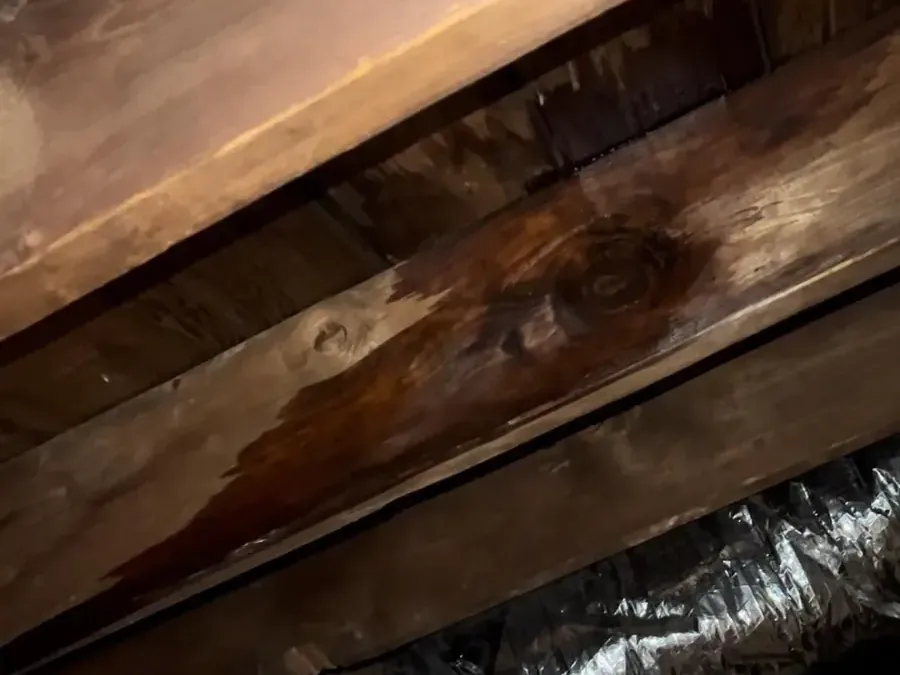
Supported access reveals wet insulation, framing, wall tops, and the path into the room below.
Dry through completion
Airflow, dehumidification, and repeat readings address retained materials before the cavity closes.
First steps for ceiling leak water damage in Garyville
Leave the area below
Do not stand beneath sagging, bowed, or dripping finishes. Keep people and pets outside the potential fall and water release zone.
Avoid wet fixtures
Do not touch lights, fans, cords, or outlets near the leak. Qualified electrical help addresses unsafe components before normal work.
Control the source safely
Use an accessible shutoff if plumbing is feeding the leak. A plumber, roofer, or appliance technician handles the failed source.
Protect records and dry contents
Move only easily reached dry items from outside the hazard area, and photograph visible conditions before overhead access begins.
A wet ceiling requires attention above and below the finish. Water can collect over board, enter insulation, follow a joist, and drip onto furnishings or flooring. Occupants should not stand beneath sagging material. The mitigation crew first establishes a safe boundary and source path. Garyville water damage service supports the wider loss if several rooms or floor assemblies are affected.
What does ceiling leak water damage cost in Garyville, LA?
Ceiling leak restoration may range from $1,100 to $6,200 or more. Source location, ceiling stability, insulation, wall and floor migration, access, removal, equipment, and monitoring determine the project total.
Focused loss
$1,100 to $2,774
- Source controlled
- Limited ceiling area
- Focused cavity drying
Multi-room loss
$2,774 to $4,340
- Water crossed framing
- Wall or floor involvement
- Expanded monitoring
Complex loss
$4,340 to $6,200+
- Difficult overhead access
- Broad insulation impact
- Several drying zones
Ranges are typical, not a quote: category of water, square footage, material class and how fast drying started move the number most. Run the water damage cost calculator for a closer range.
Identify what is feeding the ceiling
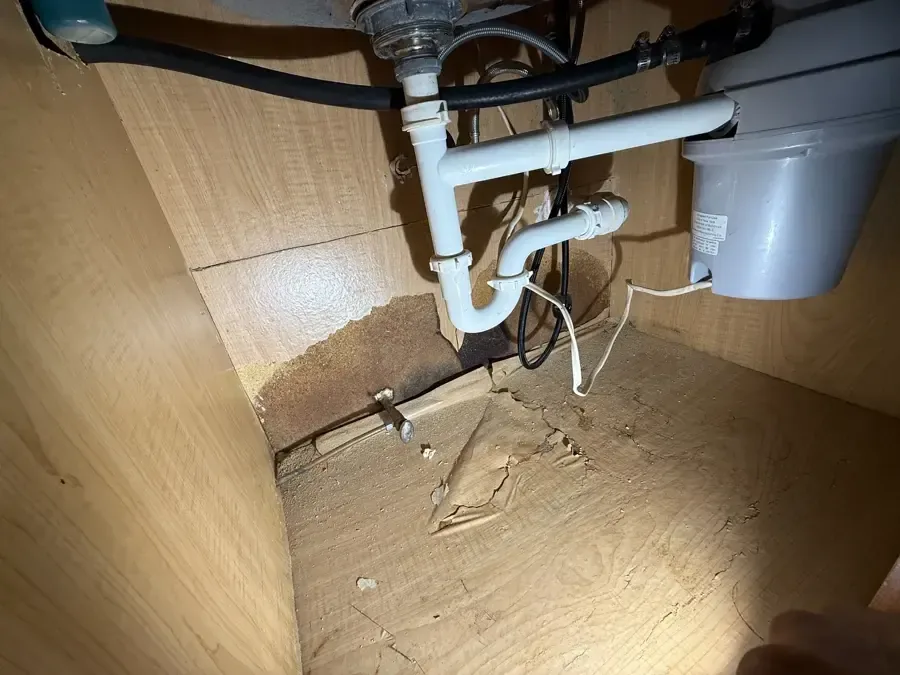
A plumber evaluates supply pipes, drains, or fixtures above the stain. A roofer addresses exterior entry. Appliance service may be needed when equipment caused the release. Restoration documents the observed water and material effects while the appropriate trade controls the source. This division avoids treating a damp finish while new water continues to enter.
St. John the Baptist Parish water work in August 2021 affected Garyville, Reserve, and Mount Airy. For a ceiling leak, the property record begins with the time dripping appeared and the rooms affected. Across the service area near Airline Highway and Garyville Refinery, crews inspect above the stain and document the plumbing or roof repair needed to stop further entry.
- Observe the room from outside the hazard zone
- Identify plumbing or roof indicators above
- Check nearby fixtures and electrical components
- Photograph stains and drips before access
- Save the source contractor's findings
Protect the room before opening overhead material
Technicians move or cover unaffected contents where safe and establish a controlled work area. Water trapped above a finish may release as soon as access begins. Unstable board and wet insulation are handled deliberately rather than punctured casually. Debris paths protect the remainder of the property.
Not every stained ceiling requires broad removal. Material strength, contamination, delamination, insulation, access, and direct readings shape the opening. Small supported access can reveal framing and release confined water. The crew then tests the newly exposed joist bay, wall top, and surfaces below.
- Clear the fall area beneath damage
- Protect unaffected contents and flooring
- Control any released water
- Remove weakened material to sound edges
- Inspect the cavity after opening
Dry the cavity and the room below
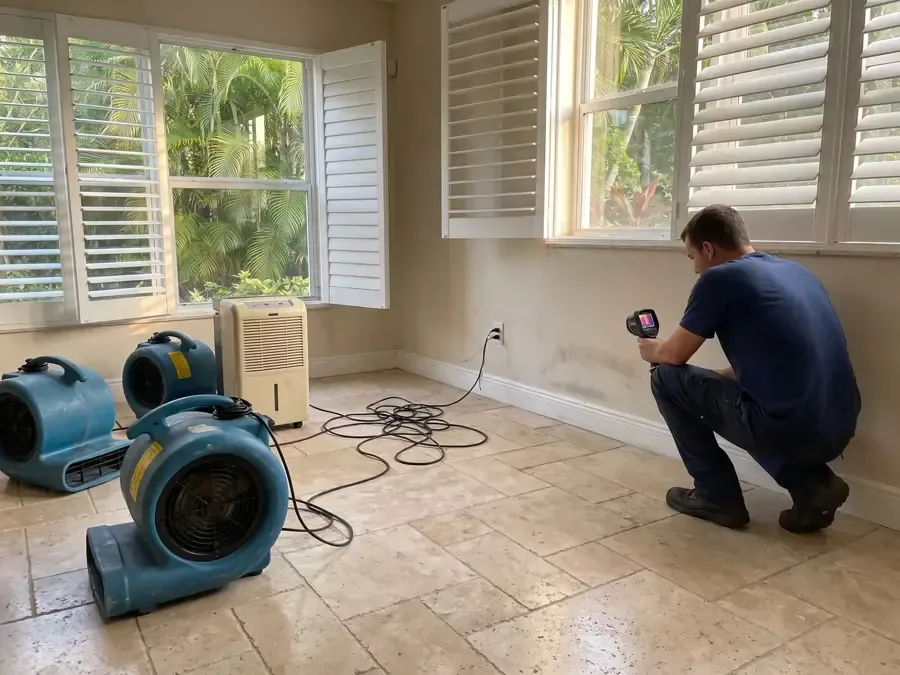
Water reaching a ceiling can continue down walls or collect on the floor, so extraction and moisture checks extend below the overhead source. Directed airflow serves exposed framing and retained finishes. Dehumidification collects released vapor within the managed area. Equipment is placed to dry measured moisture, not simply to fill the room.
Technicians revisit marked points in joists, wall materials, and flooring. Slow readings can indicate wet insulation, limited airflow, or another concealed pocket. The structural drying service provides the measured process used after safe access. Closure waits for documented material goals.
- Extract water from lower surfaces
- Expose framing enough for airflow
- Manage vapor with dehumidification
- Retest wall and floor migration
- Save completion readings for closure
Keep the cause and damage record connected
A property near the Mississippi River still needs a ceiling assessment that traces the overhead source. Photographs of the opened cavity, insulation contact, and joist surfaces connect the repair finding to removal decisions. Final readings show when retained materials can be enclosed again.
Owners can retain this material with invoices and insurer communication. Restoration staff document observed conditions and completed work. The insurer interprets the policy and decides coverage.
Drop ceilings and fixed board require different access decisions. Individual tiles may be lifted from a safe position when the grid remains sound, while softened board can release without warning. Technicians inspect supports, insulation, and utilities above the finish before choosing a removal boundary. The selected method protects the room and preserves material that remains stable.
The water path can also reach furniture or stored goods before it reaches the floor. Dry contents are relocated to protection, and wet items are documented separately. Floor readings continue beneath the former drip zone even when a container caught part of the water, because splash and overflow may have entered seams.
Debris and dust from overhead access stay within the work boundary. Tools and protective coverings are cleaned or removed along the planned route, leaving unaffected rooms separate from the ceiling work.
The completion record notes the overhead materials checked and the lower surfaces protected.
Ceiling leak water damage across Garyville and nearby communities
Ceiling leak service reaches Garyville properties near Airline Highway and the Mississippi River. The overhead source and measured material path establish the work boundary.
The same service nearby: ceiling leak water damage in LaPlace, Reserve, Norco.
Related water damage services in Garyville
Ceiling Leak Water Damage questions in Garyville, LA
Water showing through the ceiling?
Technicians assess overhead stability and protect the room before opening wet ceiling material.
(888) 417-5665Clear the room and request helpWhat should happen with a sagging ceiling?
The room below should remain clear. Occupants should not puncture or push wet board because trapped water, falling material, and electrical fixtures can create hazards. The source area above the finish and the floor below should be evaluated together.
Who determines the leak source?
A plumber handles plumbing sources, a roofer handles exterior entry, and an appliance professional handles equipment. Restoration staff document and dry the resulting material damage.
Does a ceiling stain show the full wet area?
No. Water may spread above the finish through insulation or framing. Direct readings and controlled access establish the actual boundary beyond the visible mark.
Must all ceiling board be removed?
No. Strength, contamination, delamination, insulation, cavity access, and drying response shape removal. Sound accessible material may remain when it can dry effectively.
Why inspect the floor below?
Drips and released cavity water can wet contents, flooring, baseboards, and lower walls. Those surfaces need their own extraction and moisture decisions.
How is the cavity declared dry?
Technicians repeat readings at marked framing and finish points, compare them with suitable references, and document the values before closure.
What affects ceiling leak price?
Source access, overhead stability, insulation, affected area, wall or floor migration, contents protection, removal, drying equipment, and monitoring shape the scope.
Protect the space below before finishes release
Technicians coordinate source repair, create safe access, trace moisture through the cavity, and document drying before closure.