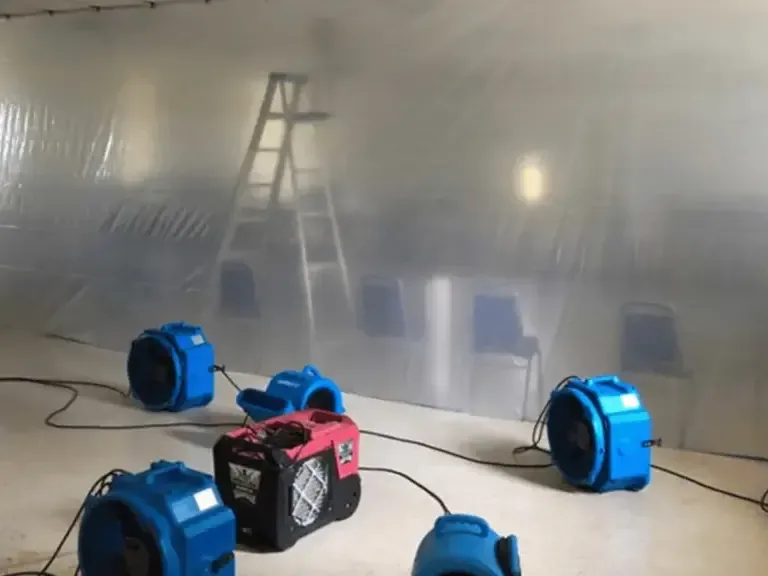
Commercial water damage affects operations as well as construction. A zone plan helps management understand hazards, contents, access, drying status, and trade dependencies.
Key takeaways
- Designate one property contact who can provide access, identify operational priorities, and receive daily zone changes.
- Separate unsafe, wet work, drying, protected, and potentially usable areas on a current facility map.
- Photograph inventory and equipment before movement, preserving each item’s original location and current destination.
- Route extraction, debris, hoses, cords, staff, customers, and deliveries so active work stays understandable.
- Report source status, material readings, access changes, equipment activity, and outstanding trade work by zone.
Start with a management briefing and facility map
The first discussion identifies the reported source, electrical or structural concerns, critical operations, sensitive records, inventory, security needs, and any activity management hopes to continue. Emergency officials and qualified trades address hazards beyond restoration authority.
One property representative should coordinate keys, vendors, contents movement, and access changes. Commercial restoration in Destrehan organizes the building into functional and hazard zones instead of treating the entire address as one undifferentiated loss.
- Name one decision contact for each shift.
- Mark emergency routes and restricted rooms.
- Identify specialist equipment before movement.
- Protect dry storage from work traffic.
Use local corridors only as response context
Great River Road and Airline Highway serve the Destrehan area, where Destrehan Plantation stands beside the Mississippi River. A commercial water response starts with practical access details: the manager identifies occupied rooms, essential equipment, stored stock, and a route for extraction hoses.
Those details help divide the cleanup into manageable work zones.
The current walkthrough provides those details. Public areas, offices, storage, utility rooms, work areas, and restricted spaces should be recorded separately.
The map also identifies clean routes and spaces that must remain protected from humidity, debris, or contents transfer.
- Label zones by use and current condition.
- Keep dry areas outside the equipment route.
- Record access restrictions before work begins.
- Update the map when conditions change.
Extract water without losing operational control
After source and electrical conditions are safe, extraction starts where liquid blocks access or threatens additional materials. Broad surface tools and portable equipment may serve different sections.
Protective runners and hose routes keep the work footprint visible to staff and vendors.
Commercial water damage service scales removal by material and area rather than by one building label. Daily coordination can move work around critical functions where safety, contamination, building systems, and property management permit separation.
- Clear important thresholds and access routes first.
- Keep cords and hoses away from occupant paths.
- Use barriers that reflect the current zone status.
- Record interruptions that affect drying conditions.
Track contents from origin through disposition
Inventory, furnishings, files, and equipment are photographed before movement. An identifier connects each item or group with its original zone, observed contact, material, condition, and holding location.
Dry contents move into protected space rather than a humid active treatment area.
Wet hard goods and porous contents require separate cleaning or disposition decisions. Specialized machinery should be isolated and evaluated by its appropriate vendor.
Restoration personnel can document surrounding water, protect access, and coordinate timing without making an internal equipment diagnosis.
- Preserve the original room for every item.
- Separate dry wet and contaminated contents.
- Keep a movement log during each shift.
- Refer specialist machinery to its vendor.
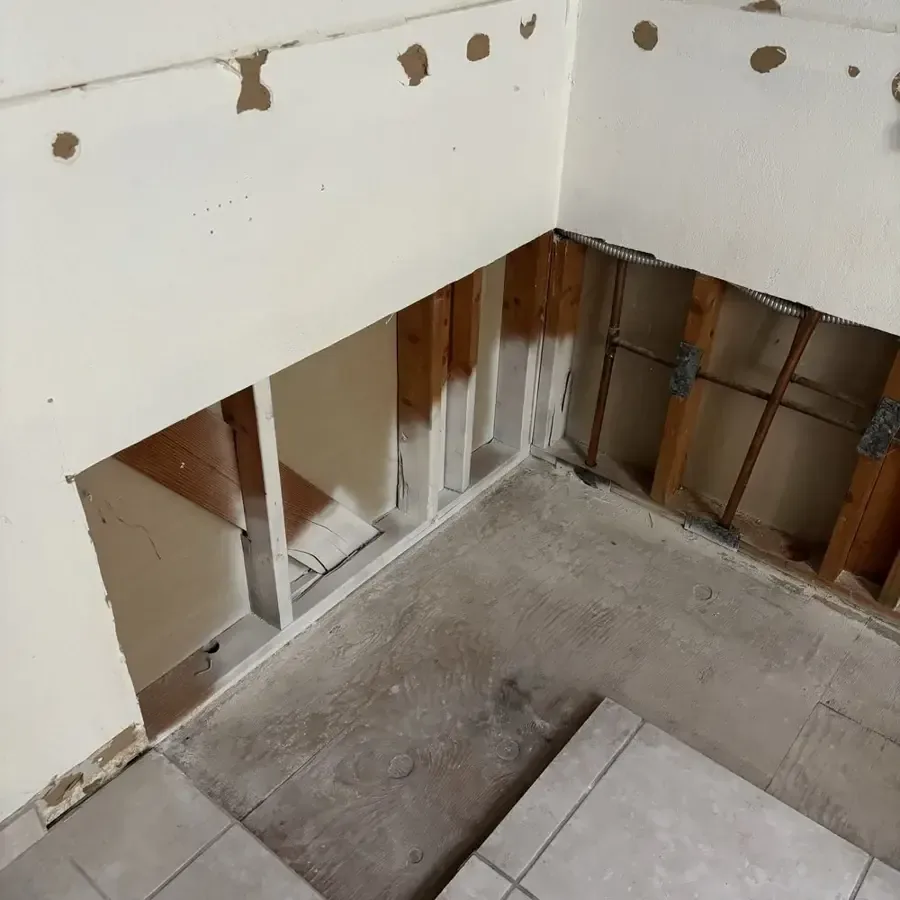
Dry materials according to each zone and assembly
Concrete, resilient flooring, gypsum partitions, insulation, ceiling systems, and wood casework respond differently. The moisture diagram lists each material and test location.
Limited openings expose concealed dampness while confirmed dry functioning areas remain protected.
Existing environmental, electrical, and fire protection systems require coordination. Water extraction service reduces liquid, while planned air movement and dehumidification handle retained moisture.
Repeat values support equipment reduction as individual zones reach goal.
- Measure partitions from accessible sides.
- Check lower floor layers beneath dry looking surfaces.
- Track treatment and protected zone air separately.
- Document why equipment positions change.
Issue daily reports that management can act on
A useful status report lists source condition, safe access, restricted areas, completed extraction or demolition, contents activity, material values, equipment changes, trade dependencies, and the next planned work. The same zone names should remain consistent from one report to the next.
The Destrehan restoration hub connects commercial work with sewage cleanup, extraction, and structural drying. Insurers interpret policy coverage.
Management decides operational priorities using current safety and access information, while the restoration record explains measured building progress.
Plan each shift around access and operational changes
Commercial conditions can change between work periods. Deliveries, staffing, secure access, customer movement, and vendor visits may alter which route remains practical.
The property contact and restoration lead should confirm the current zone map before each major phase rather than relying on an earlier verbal arrangement.
A temporarily usable area still needs a clear boundary from active extraction, demolition, contaminated cleanup, and high velocity air movement. Signs and physical barriers should match the actual status.
If management changes access, the time and reason belong in the daily record so later measurements can be interpreted correctly.
Power interruptions, opened barriers, or heating and cooling changes can shift humidity inside the treatment zone. These events do not automatically indicate a building moisture problem, but they affect the environmental record.
Technicians should note the interruption, restore the planned setup, and compare the next readings with that context.
Contents returning to a completed zone need the same location control used during removal. Management should know which items are cleared, which await specialist attention, and which remain inside a restricted area.
The zone report can then support a measured transition back to ordinary operations without confusing finished and active work.
At the final handoff, the facility map should show completed, restricted, and pending areas in plain terms. Management receives the last material readings, remaining vendor dependencies, contents locations, and any condition that still prevents ordinary use.
This closing status prevents an empty work zone from being mistaken for a fully completed area.
- Confirm the route before every major work phase.
- Record barrier power and access changes.
- Return contents only to completed approved zones.
- Keep outstanding vendor tasks visible in the report.
Questions
Can one part of a business remain open?
Possibly, when management and appropriate authorities determine that a separated zone is safe. Egress, electricity, contamination, noise, security, and equipment routes all matter.
How should inventory be tracked?
Items should retain an identifier tied to original zone, material, water contact, condition, movement destination, and cleaning or disposition decision.
Who handles wet specialized machinery?
Its qualified vendor should address internal condition, isolation, repair, and return to operation. Restoration personnel document surrounding water and coordinate access.
Can drying equipment use building power?
Electrical capacity, circuit condition, equipment load, placement, and operational needs require evaluation by management and qualified electrical personnel.
What belongs in a daily water loss report?
Source status, zone access, completed work, contents movement, material readings, equipment activity, safety changes, trade dependencies, and planned next steps support clear decisions. A final zone signoff should name any access limit that remains after equipment leaves.